Umbria,
From Where I Live
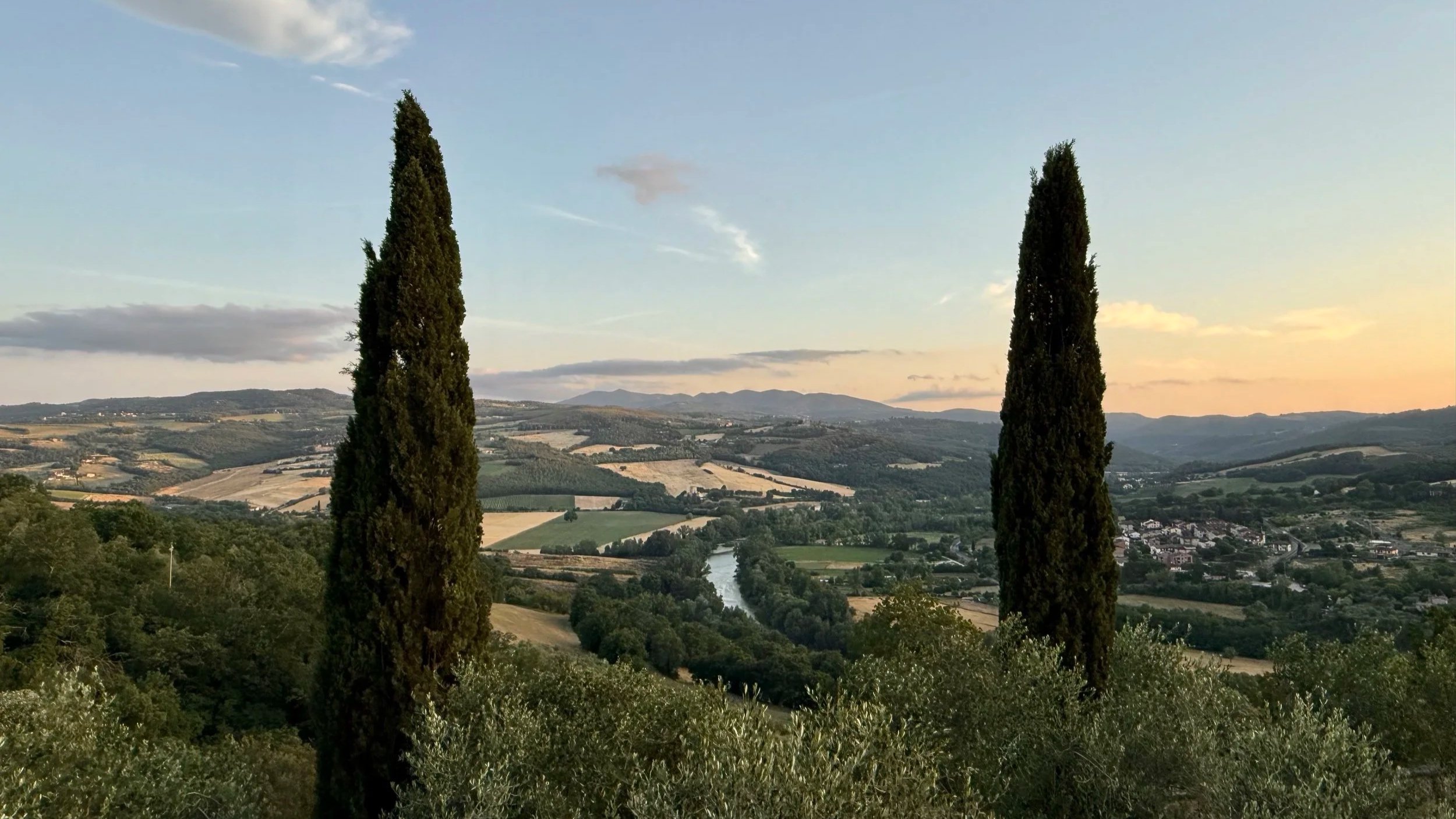
Umbria is where I live, and where much of Foodie Goes Travel has taken shape.
Living here means encountering the region through ordinary days as much as through journeys: changing seasons, village roads, meals, conversations and the landscape outside my window.
This page brings together the places I return to, the people shaping the region and the stories that continue to change my understanding of it. It is not a comprehensive guide, but an evolving record of Umbria as I have come to know it.
A FIRST-HAND PERSPECTIVE
Every place featured here has been personally experienced. The page develops through return visits, new conversations and life across the seasons.
READ IN CHINESE阅读中文版
Selected FGT stories are also published in Chinese, offering Mandarin-speaking readers a direct route into the journal’s Umbria.
部分 FGT 文章亦有中文版,以亲身经历与个人观察,记录翁布里亚的日常、饮食、旅宿与地方文化。
Umbria: Start Here
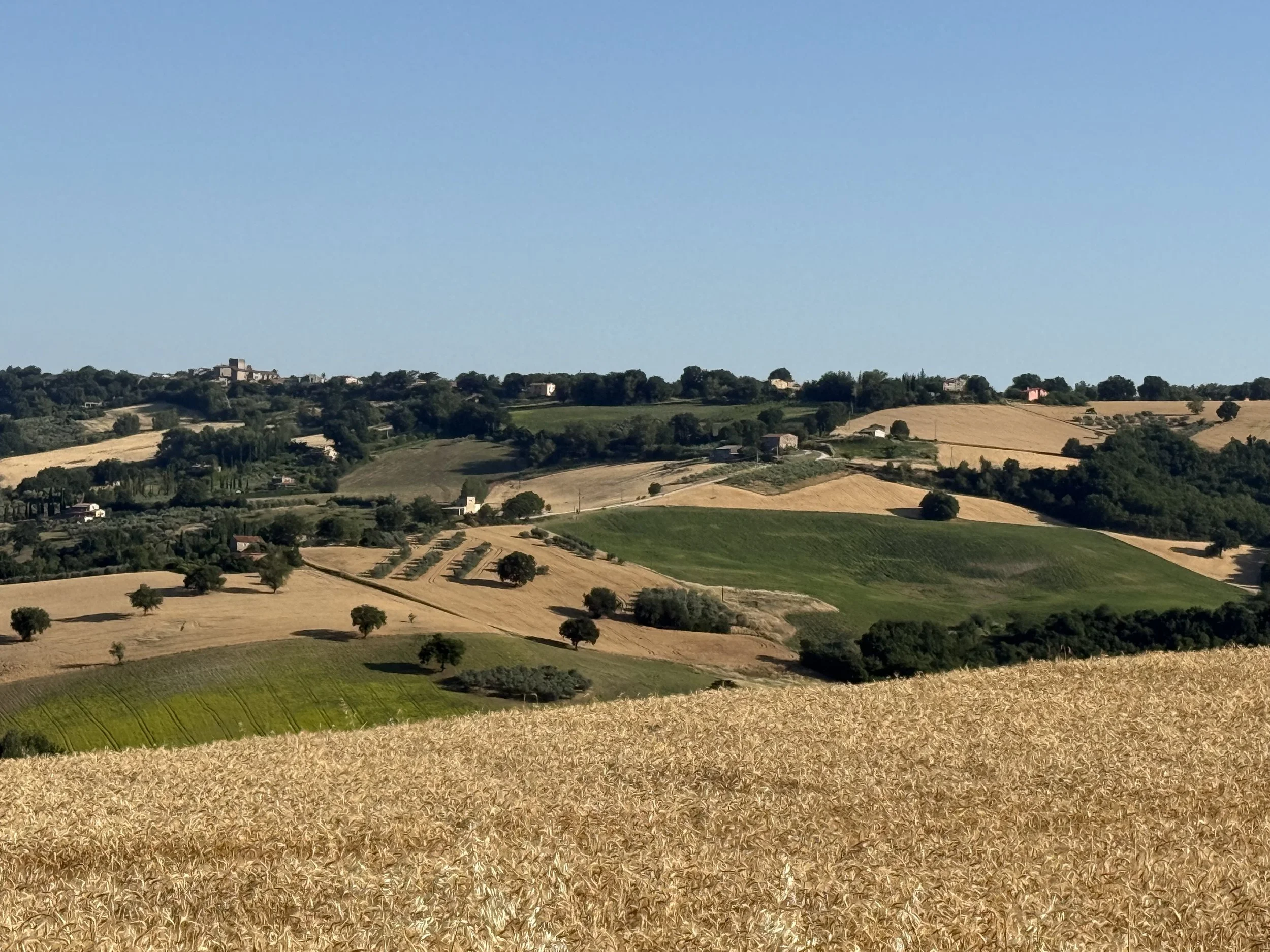
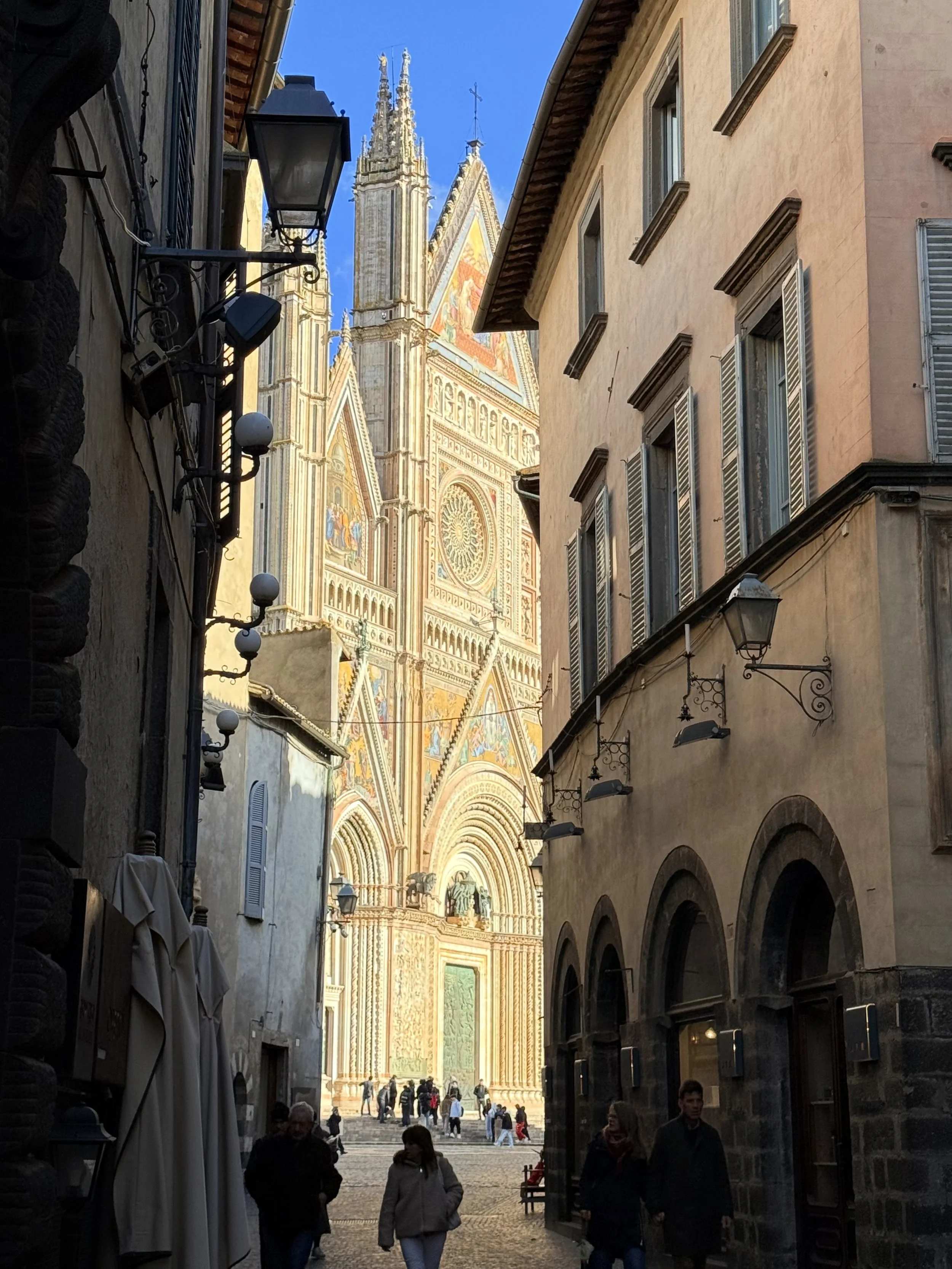
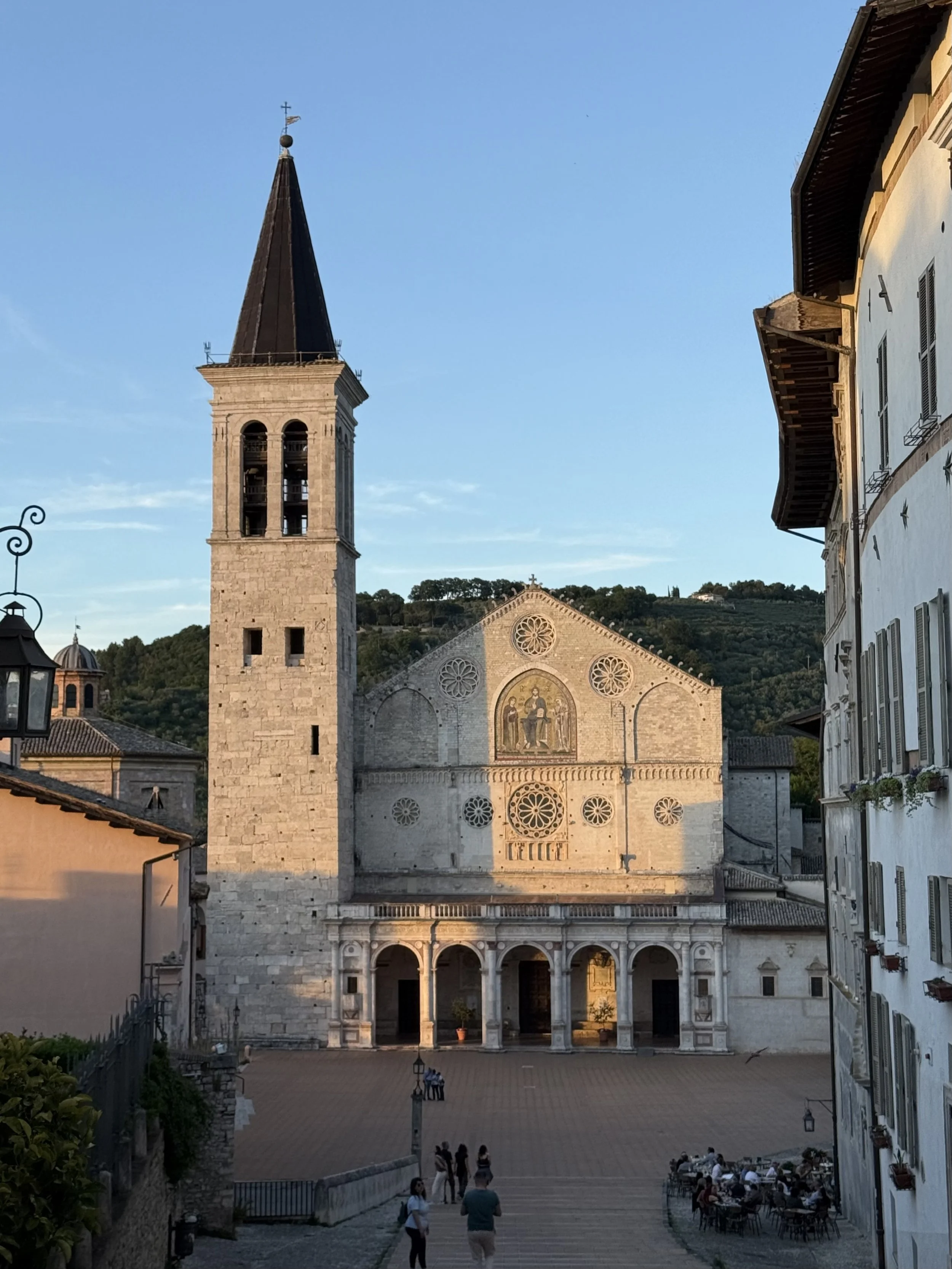
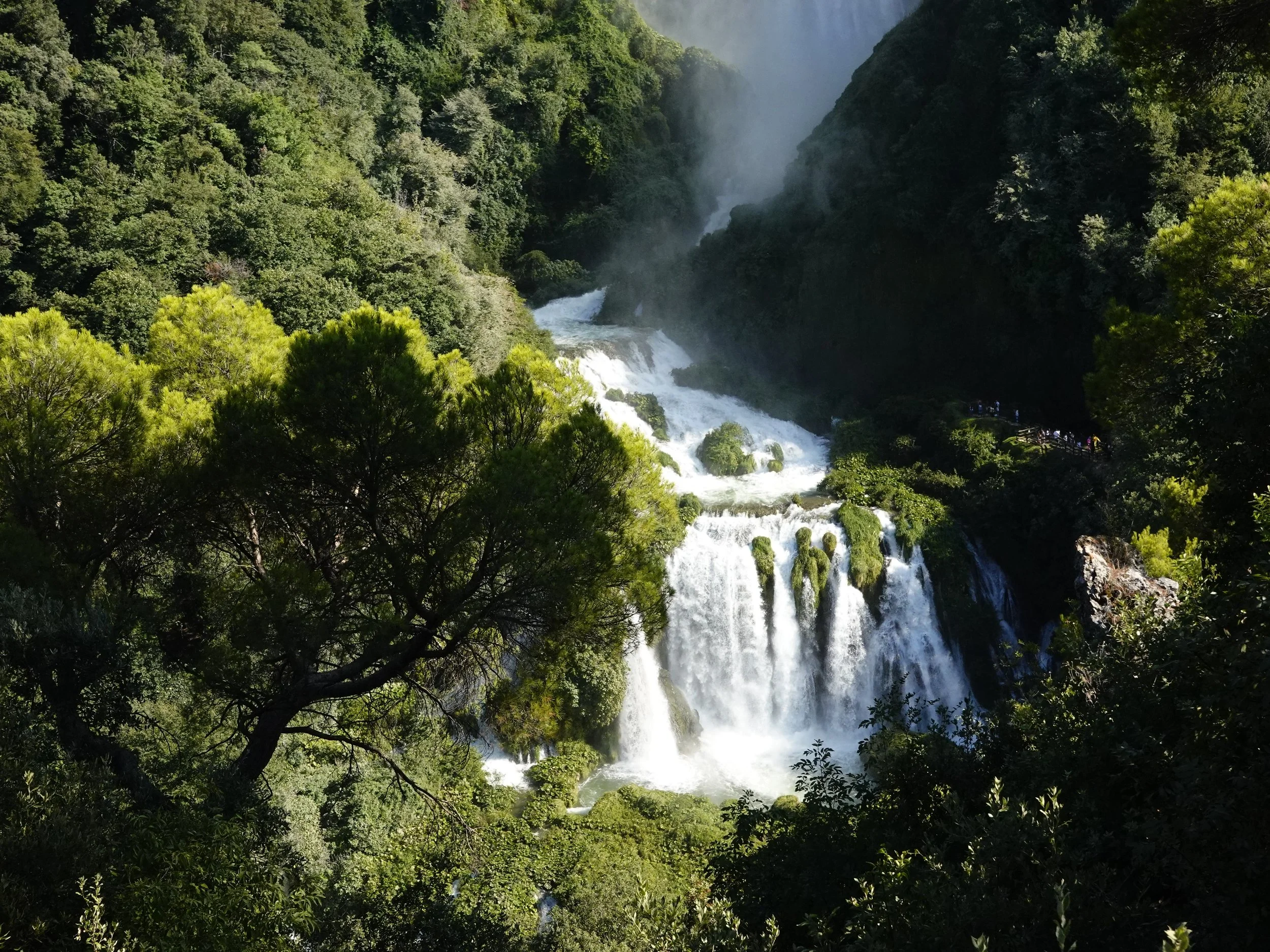
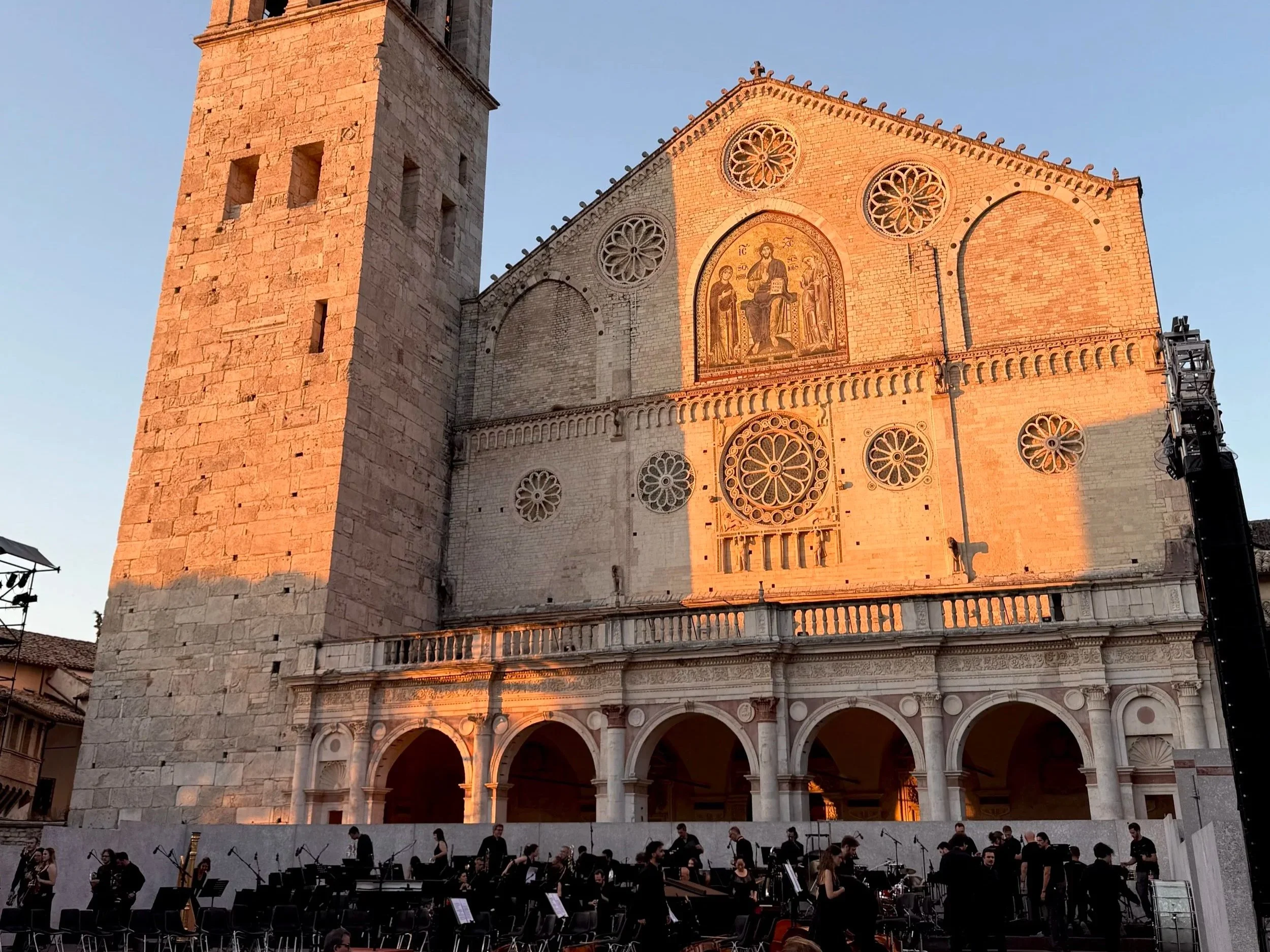
Begin with the region itself, followed by two towns that reveal very different sides of Umbria.
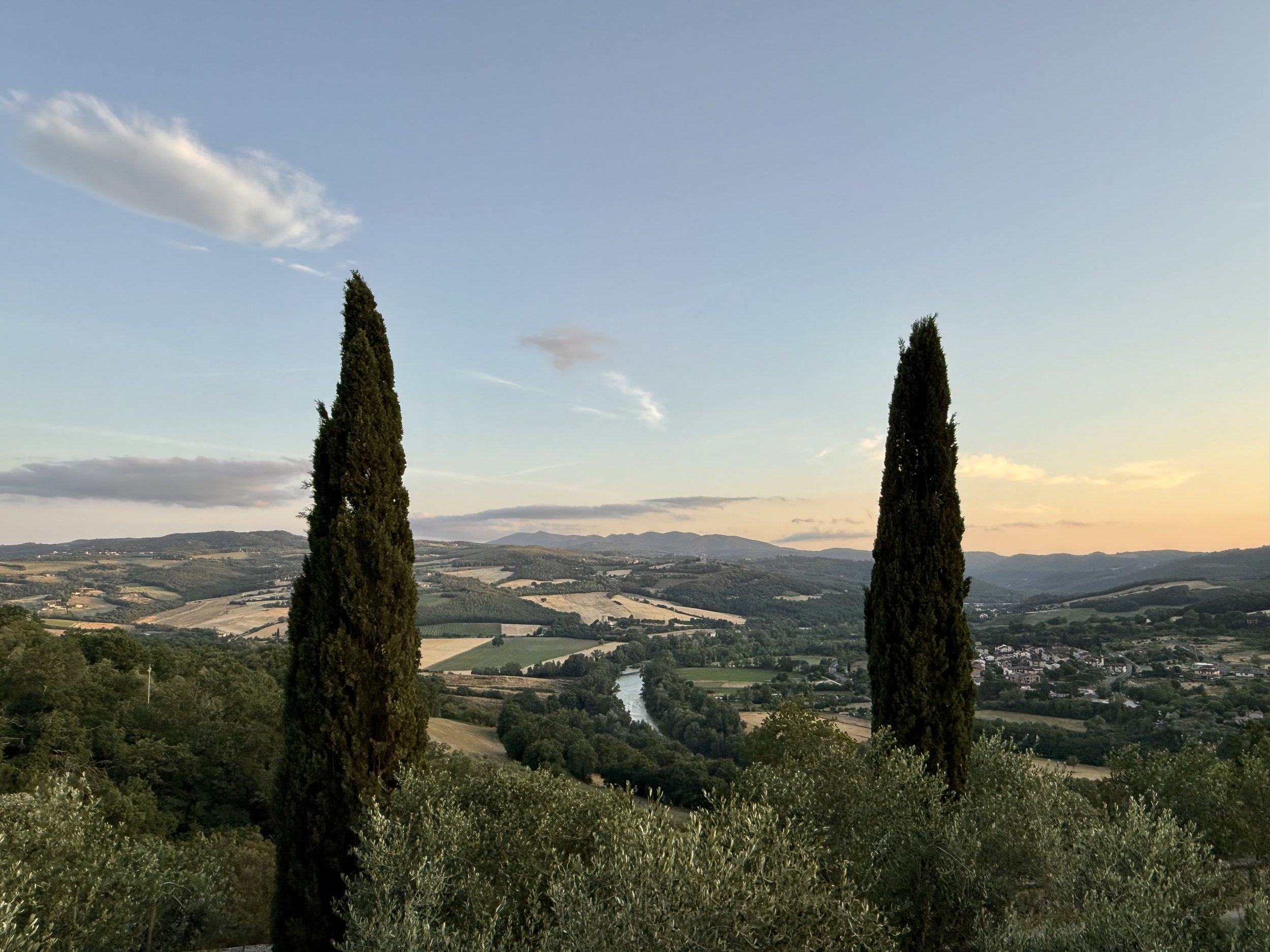
Umbria: Life Here
Living in Umbria is shaped by the seasons, repetition and the ordinary rituals that gradually make a place familiar.
Umbria: People, Food and Craft
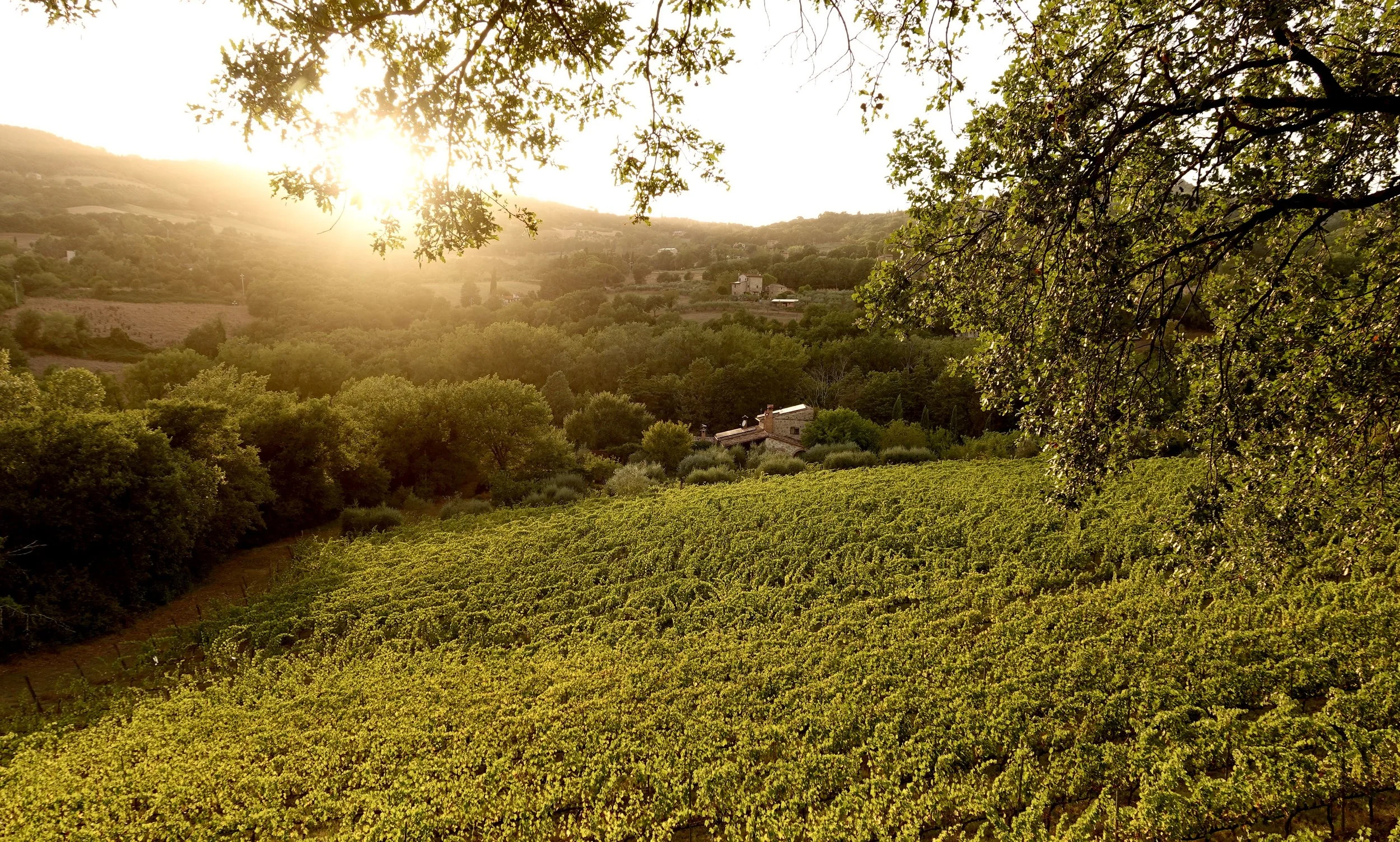
Restaurants and makers understood through the people, knowledge and relationships behind them.
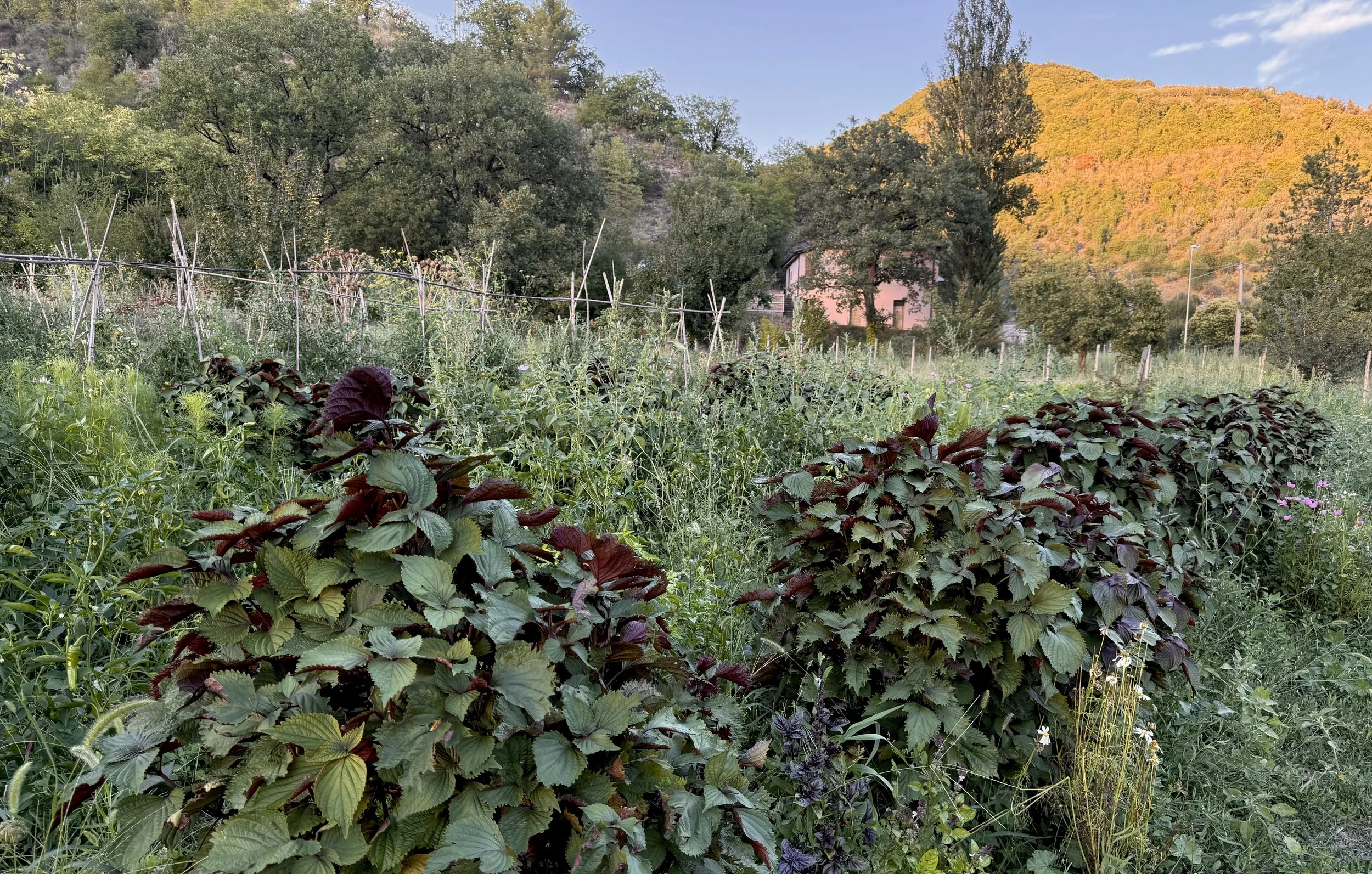
Umbria: In Transition
New hospitality, easier access and international attention are changing how the region is seen. These stories consider what growth may bring—and what should remain recognisable.
An Evolving Guide
The recommendations below are deliberately selective. Every property, restaurant and food address has been experienced personally, and the list changes only as I revisit places or encounter something worth adding.
Where To Stay
Umbria’s most compelling stays do more than provide a base. Their architecture, scale and relationship with the landscape influence how the region is experienced.
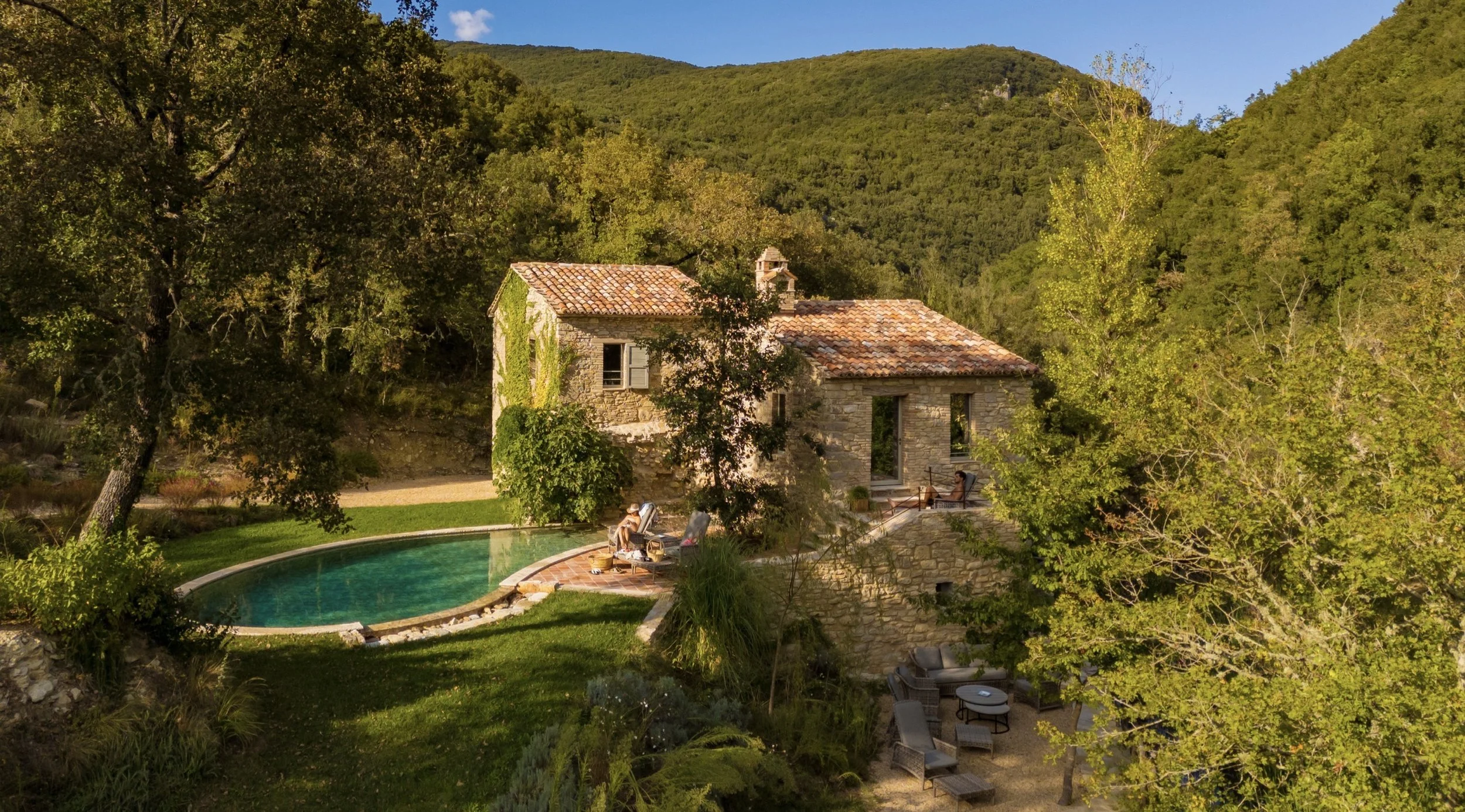
Vocabolo Moscatelli
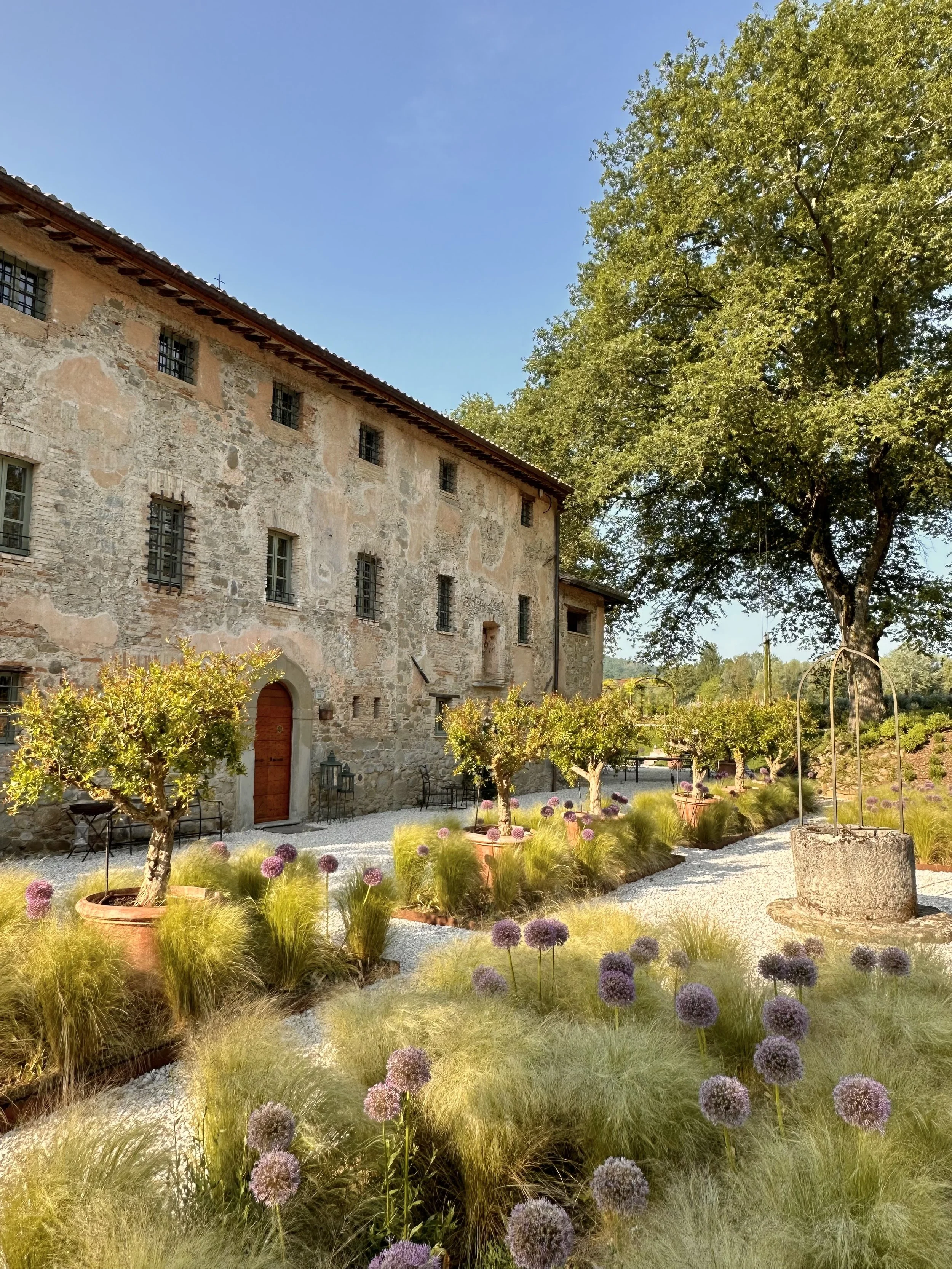
A beautifully restored former monastery that brings a distinctly contemporary sensibility to the Umbrian countryside. With just 12 rooms and suites spread between the main villa and a garden annex, the property never feels crowded; instead, landscaped gardens, generous lawns and striking seasonal alliums create a wonderful sense of space. Historic stone, Italian craftsmanship and mid-century influences sit comfortably together without overwhelming the setting. What I remember most is how naturally the design and landscape interact - it is an intimate hotel where simply spending time in the garden can become part of the experience.
Tenuta di Murlo
Less a conventional hotel than a private Umbrian world. Historic villas and restored farmhouses are scattered across an immense family estate of rolling hills, forests, olive groves, farmland and waterways, creating an extraordinary sense of privacy and immersion in nature. Rather than using it simply as a base for sightseeing, I would come here to experience the estate itself - long walks, unhurried mornings and evenings watching the landscape change with the light. It represents a particularly compelling kind of Umbrian luxury: not excess, but space.
Where To Eat
Food in Umbria is inseparable from the landscape around it. The addresses below range from ambitious contemporary restaurants to long-established tables rooted in regional ingredients and hospitality.
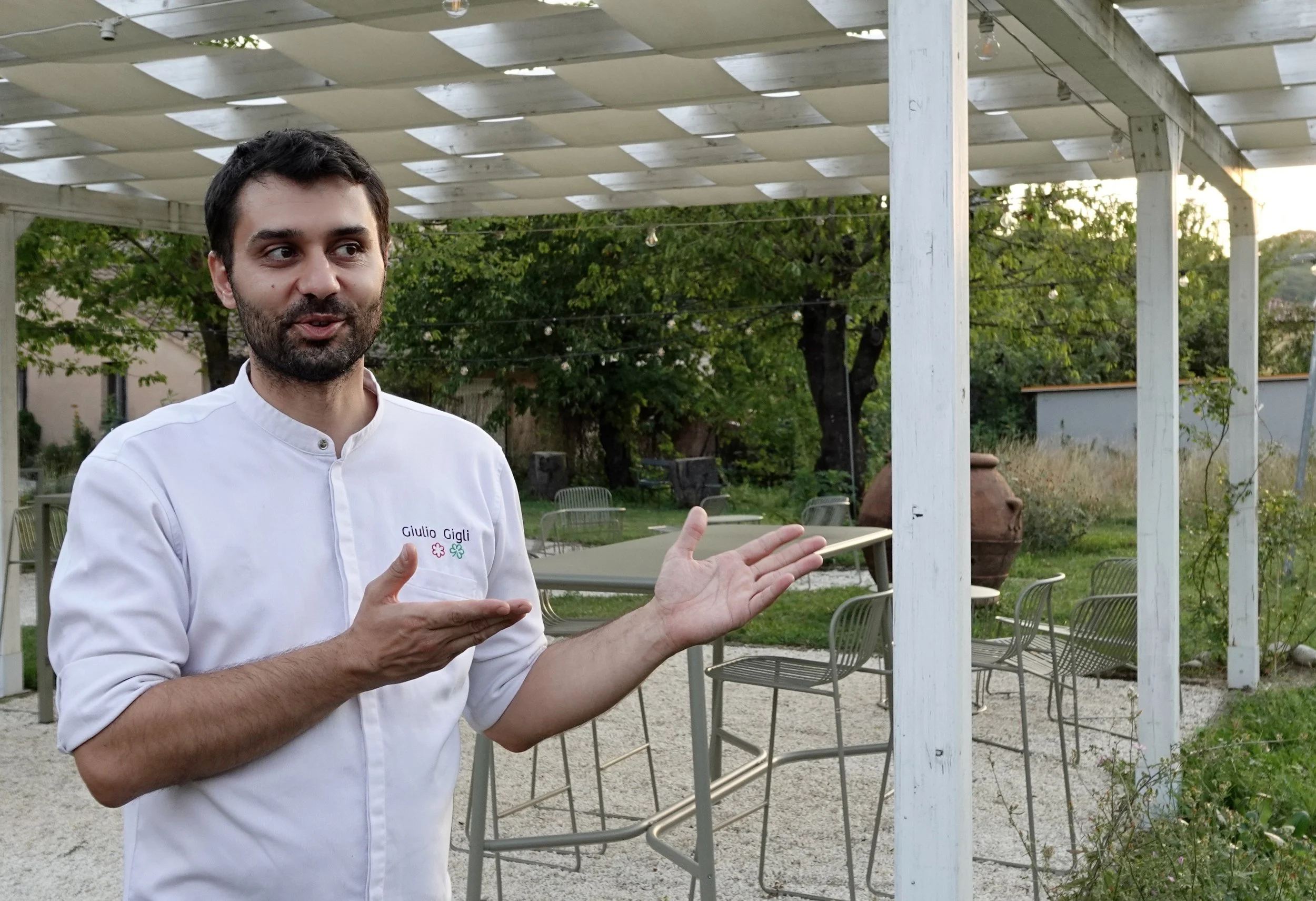
UNE begins before dinner. Inside a restored sixteenth-century mill in Capodacqua, chef Giulio Gigli makes the relationship between land, preservation and cooking unusually tangible. His international experience is present in the technique, but the restaurant remains unmistakably connected to Umbria and the people around it.
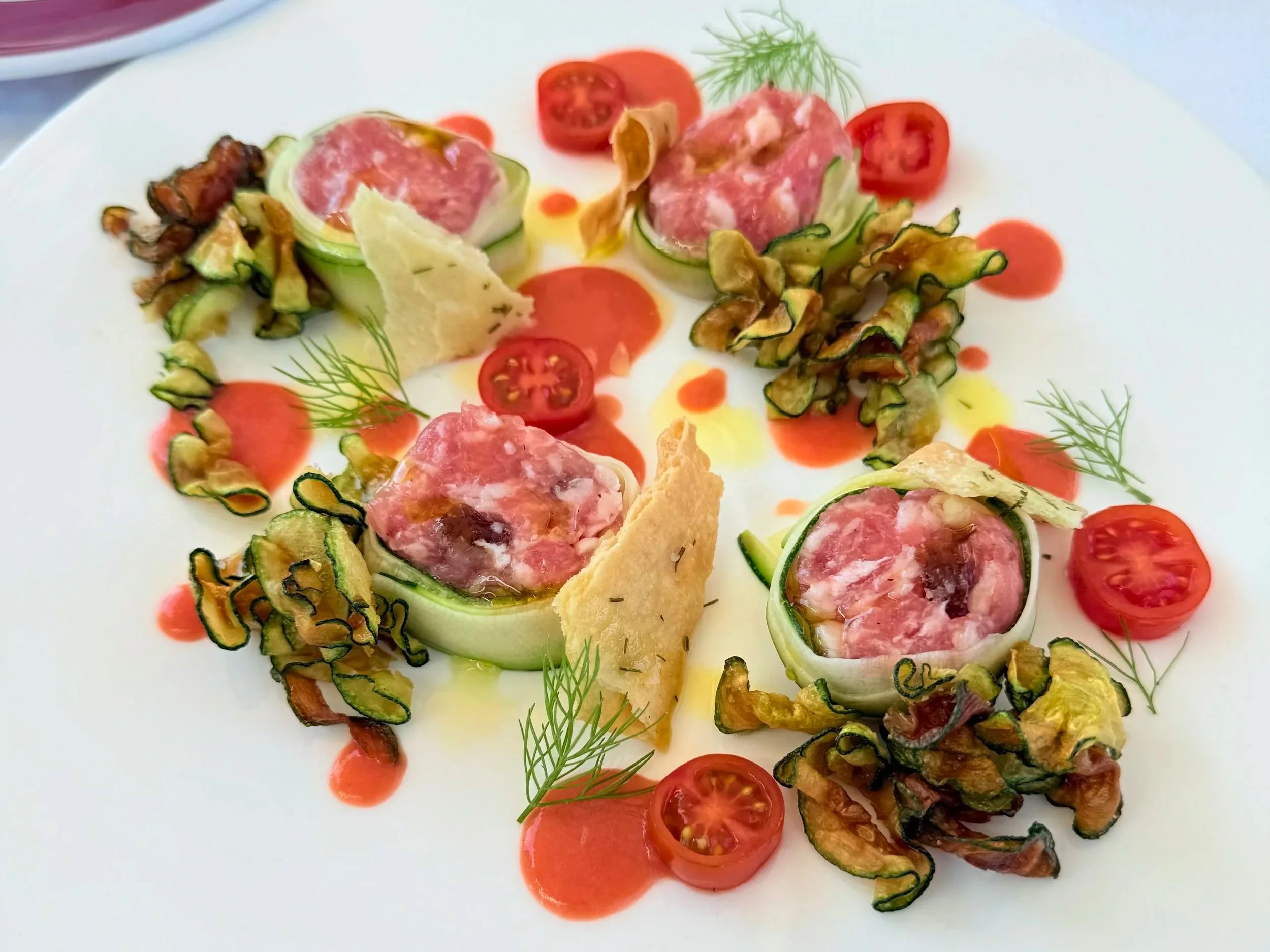
Fiorfiore at Roccafiore
A restaurant where the landscape is genuinely part of the meal. Set within an organic wine estate outside Todi, the kitchen draws on ingredients produced on the property and nearby — from olive oil and wine to seasonal produce and Cinta Senese — while the terrace looks across vineyards and olive groves towards the medieval skyline of Todi. It’s somewhere I particularly enjoy for a long lunch, when food, wine and countryside begin to feel like different expressions of the same place.
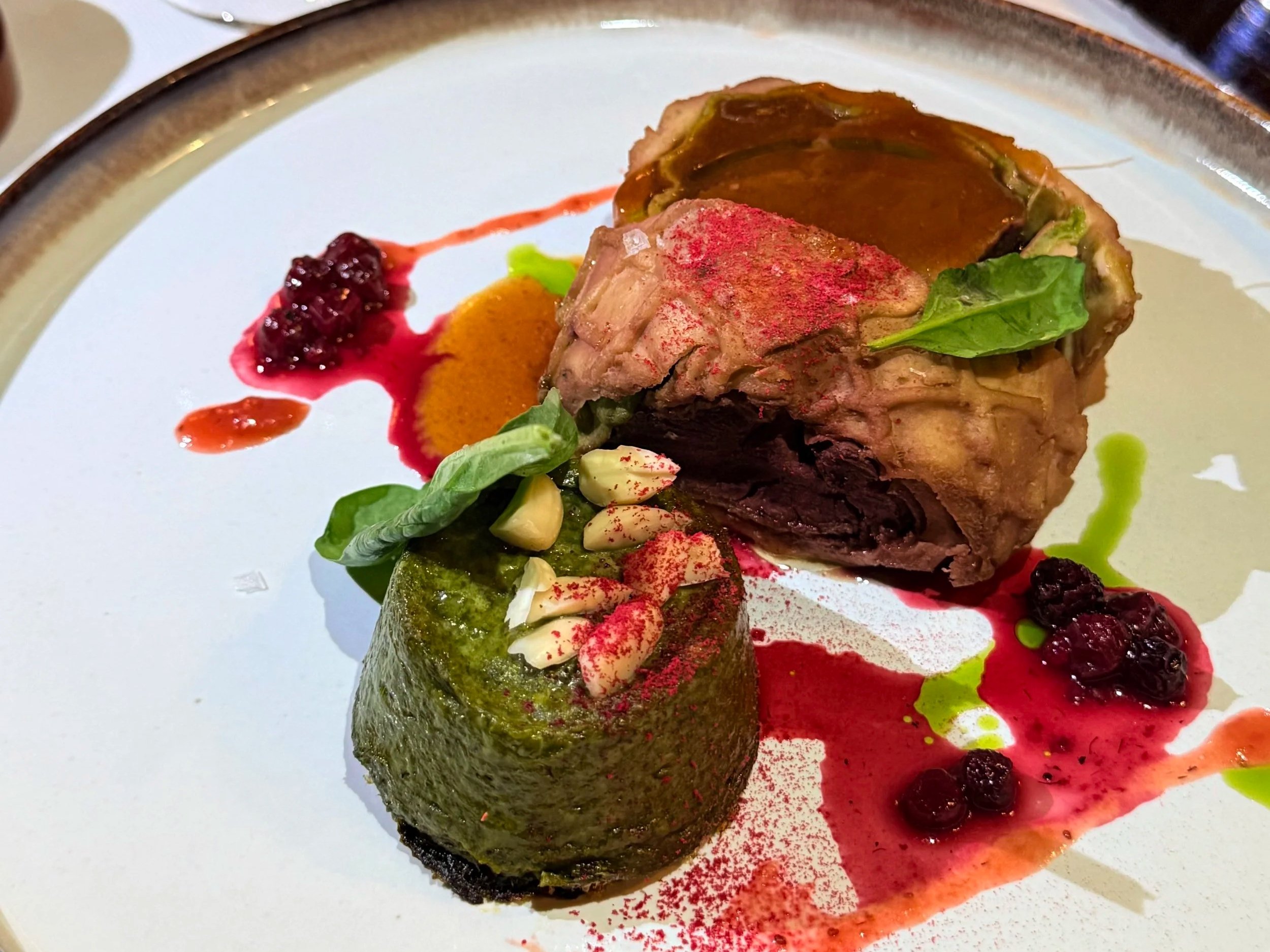
L’Altro Relais Ristorante
is somewhere I choose when a meal calls for a little more ceremony. Set high above the countryside with panoramic views towards Todi, its elegant dining rooms and open kitchen create a more polished setting for Umbrian cooking, with local produce and game playing an important role. Come for an unhurried lunch or dinner when the setting, service and view deserve as much time as the meal itself.
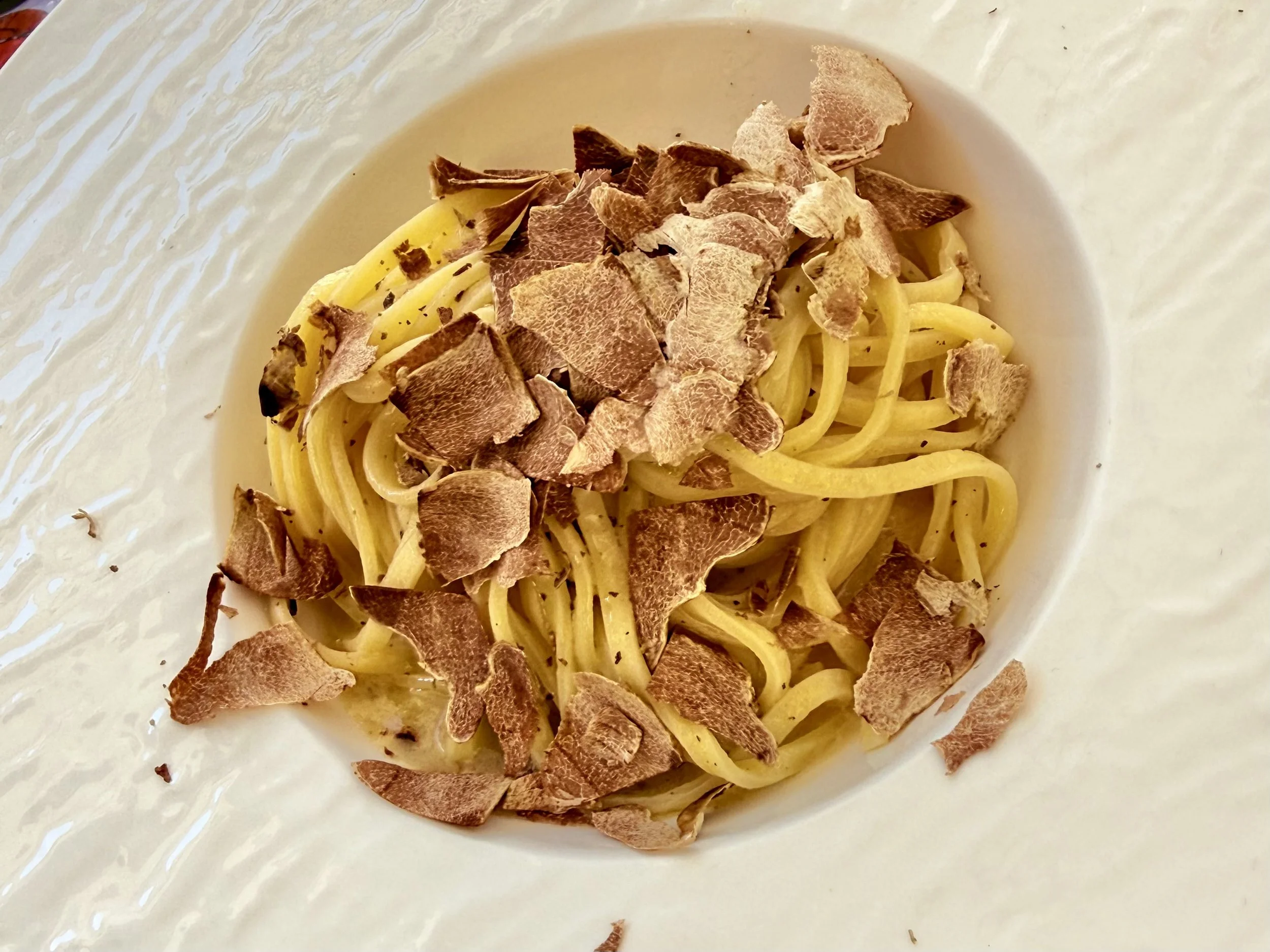
Il Molino
makes particularly good sense as part of a day in Spello. Set within the historic centre, the restaurant follows the seasons closely, allowing regional ingredients to shape dishes that feel refined without losing their connection to Umbrian cooking. I like the idea of lingering over lunch here before returning to Spello’s lanes and stone houses — a meal that complements the town rather than competing with it.
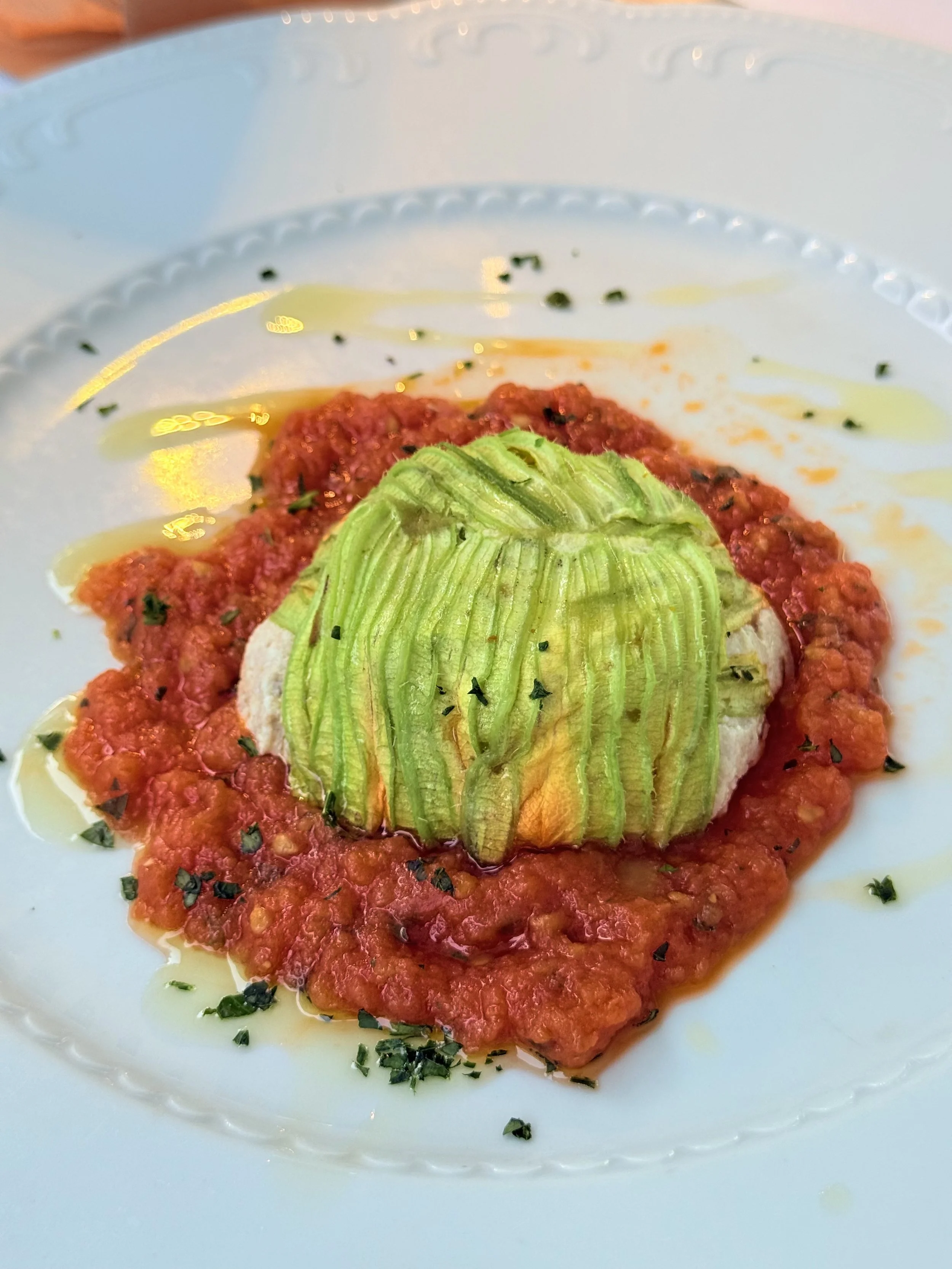
La Toretta
is one of those restaurants that quietly reflects the character of Spoleto itself. Set within an old cellar in the historic centre, just a short walk from Piazza del Duomo, it has been welcoming diners since 1986. The cooking remains rooted in Umbrian ingredients and traditions, but what keeps me returning is equally the warmth of the hospitality and the intimate atmosphere. It’s the kind of place that feels reassuringly familiar even before the first course arrives.
Everyday Food
Some of the region’s most memorable food is also its simplest: porchetta cut to order, gelato made with technical precision and familiar things done exceptionally well.
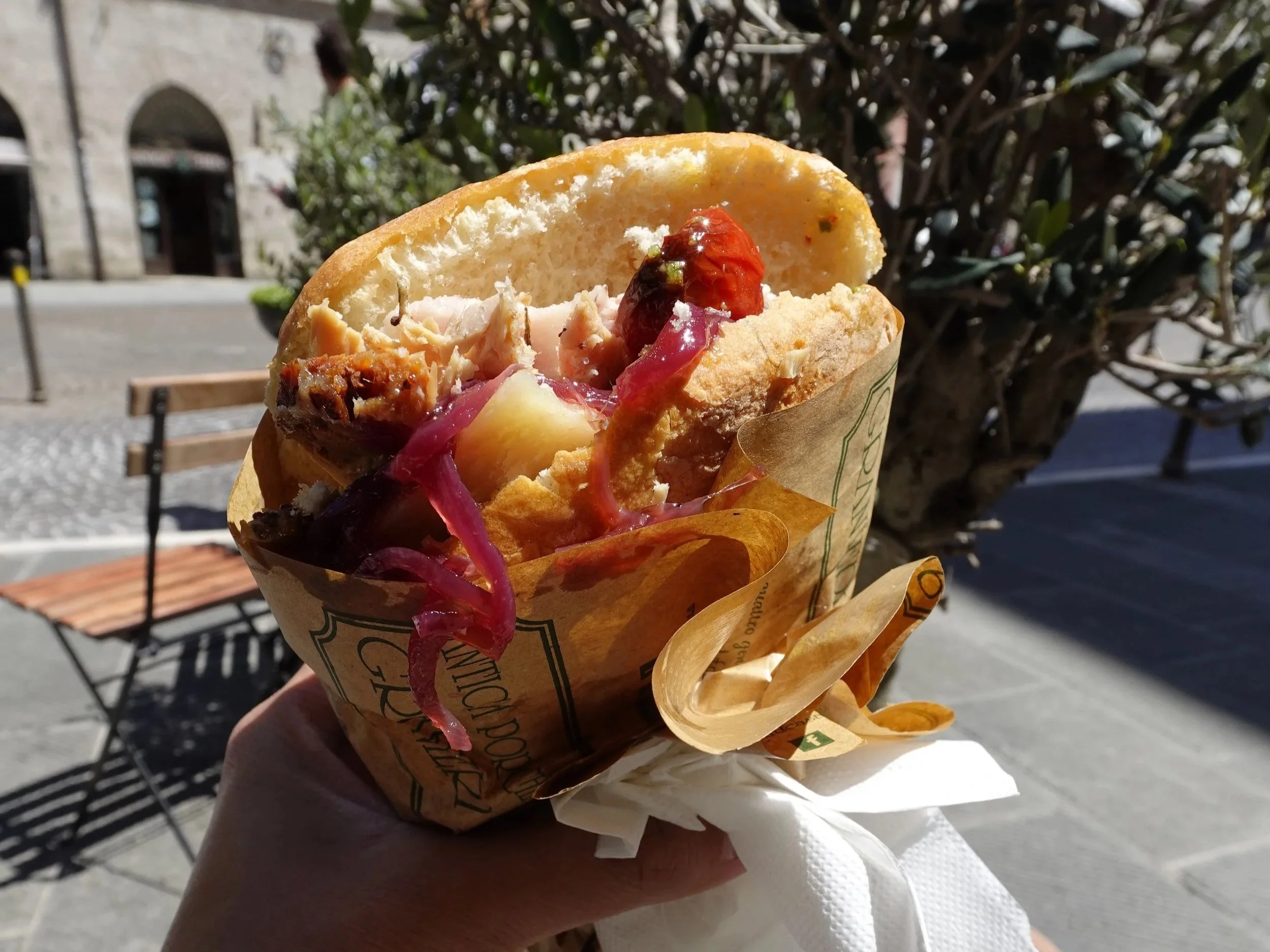
Antica Salumeria Granieri Amato
is one of those places that reminds me how memorable simple food can be. Its speciality is porchetta - beautifully seasoned roasted pork sliced generously into warm bread - and I rarely pass through Perugia without stopping for one. There is nothing elaborate about the experience which is precisely the point: good ingredients, traditional craft and one of Umbria’s most satisfying everyday pleasures.
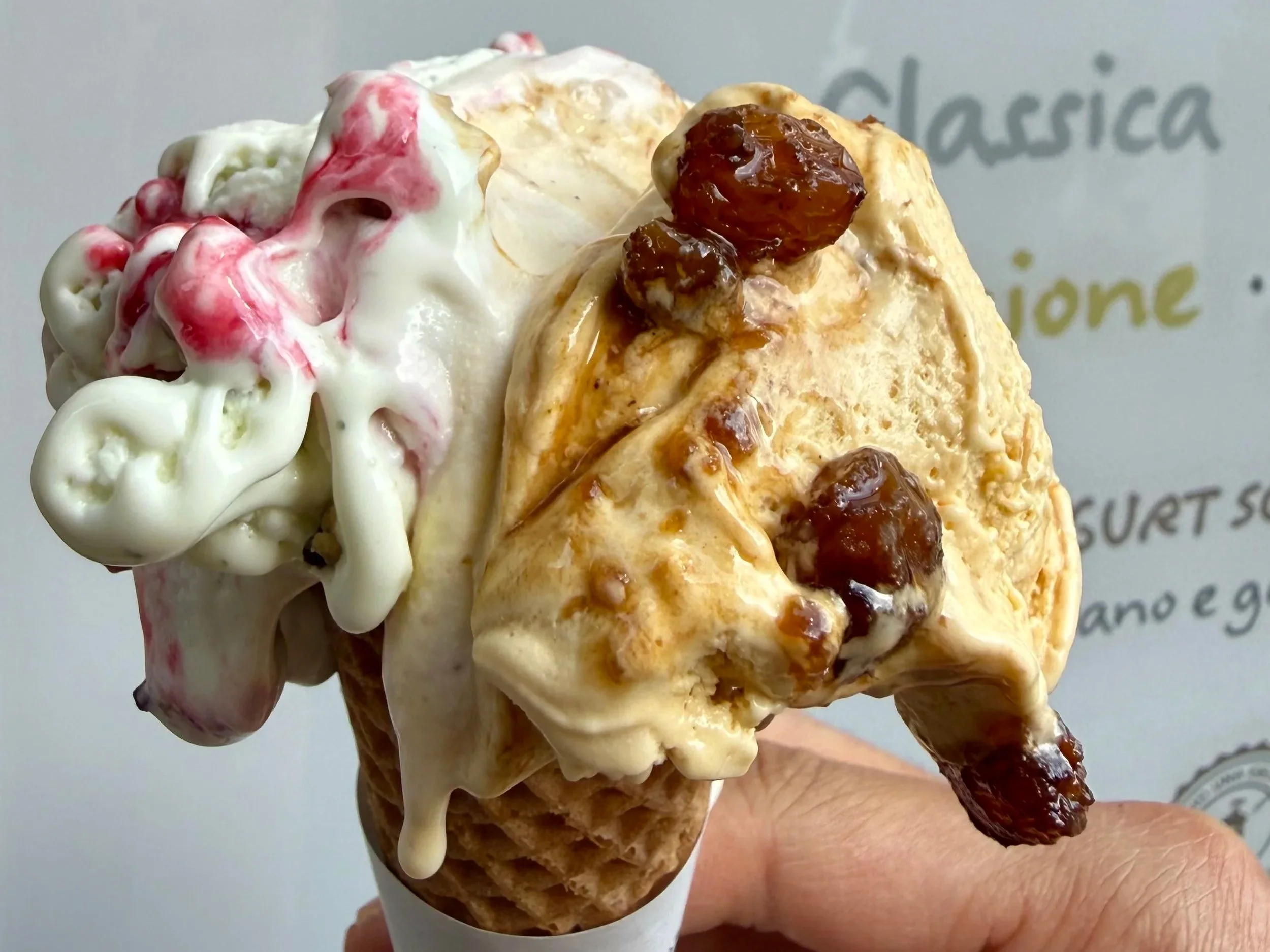
Crispini
embodies everything I admire about Italian gelato: exceptional ingredients, technical precision and genuine curiosity. Alessandro Crispini continually develops new flavours by bringing ingredients together in combinations that can be surprising without becoming gimmicky. Yet I still return to his pistachio, made with three varieties of Sicilian pistachio and crowned the world’s best gelato flavour at the 2017 Gelato World Tour Finals. Even after all the experimentation, sometimes the essential choice remains the classic one.
When to Visit
Umbria rewards repeat visits.
Spring turns the countryside intensely green, bringing wildflowers and long lunches outdoors. Summer fills hill towns and piazzas with festivals and evening life. Autumn places olive oil, wine and truffles at the centre of the season, while winter reveals a more intimate version of the region that relatively few visitors experience.
There is no single perfect time to come—only different versions of Umbria.