My Third Summer in Umbria
Words and photograph by JJ Wong
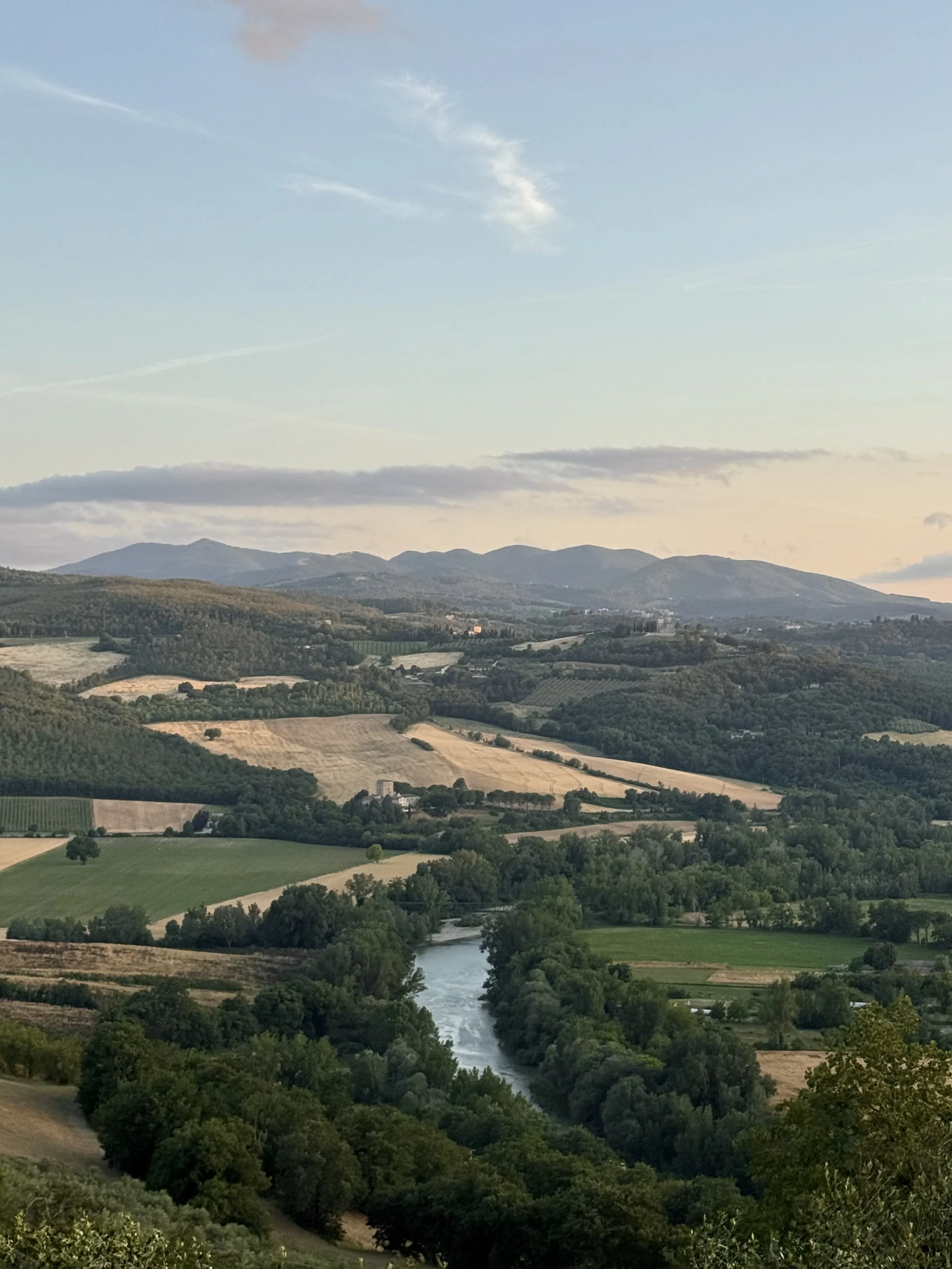
By late June, I no longer need an alarm clock.
The first light arrives shortly after five in the morning, slipping quietly through the windows before I am ready to wake. By nine in the evening, there is still enough daylight to sit outdoors with a book and a glass of white wine.
For a few brief weeks each year, the days in rural Italy seem to stretch endlessly.
The pace changes almost without notice.
Breakfast drifts into mid-morning.
Lunch becomes an occasion rather than a necessity.
Evening walks happen without checking the time because darkness remains hours way.
The days feel abundant.
Not because there are more hours than usual, but because there is enough light to notice them.
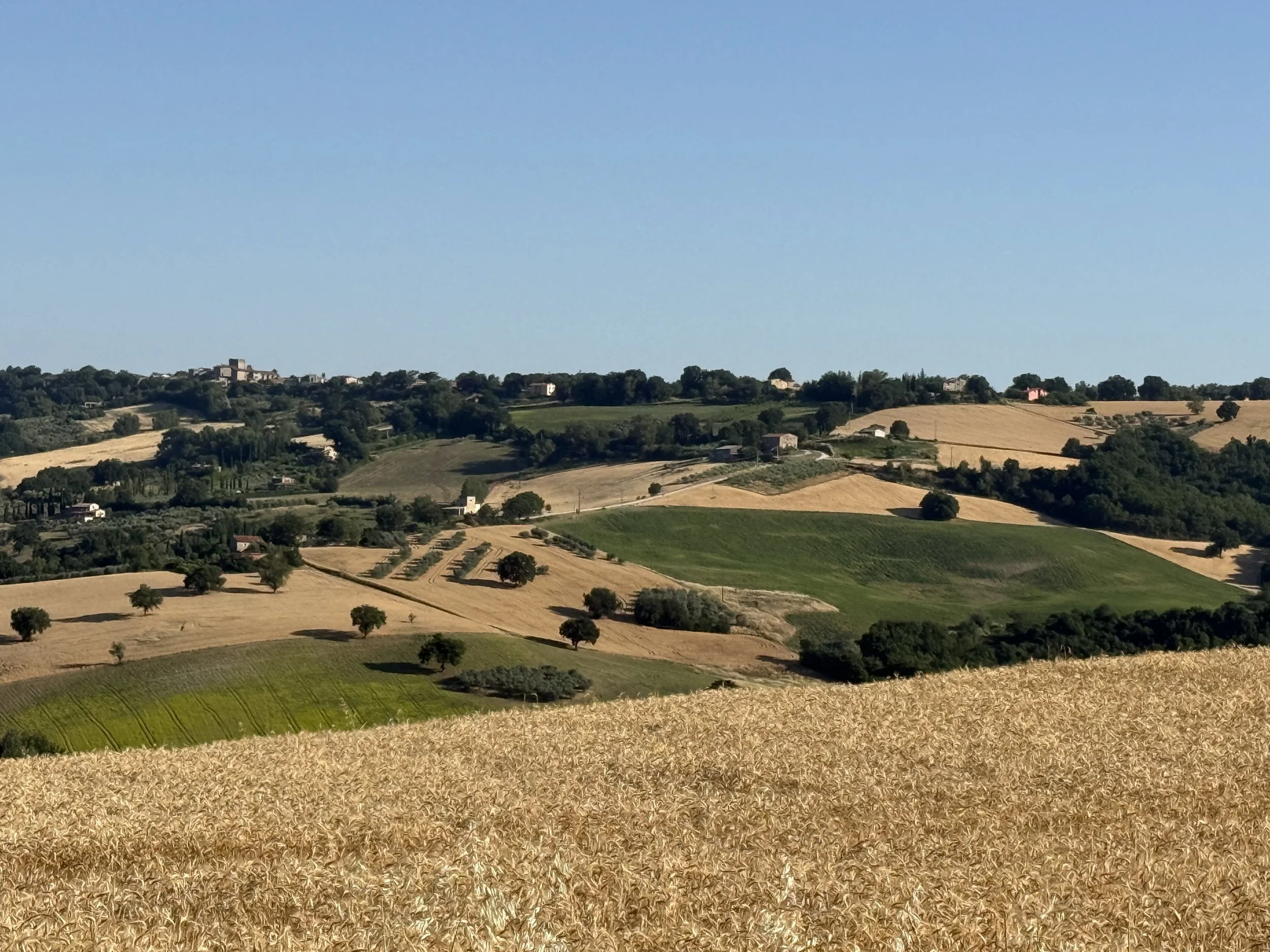
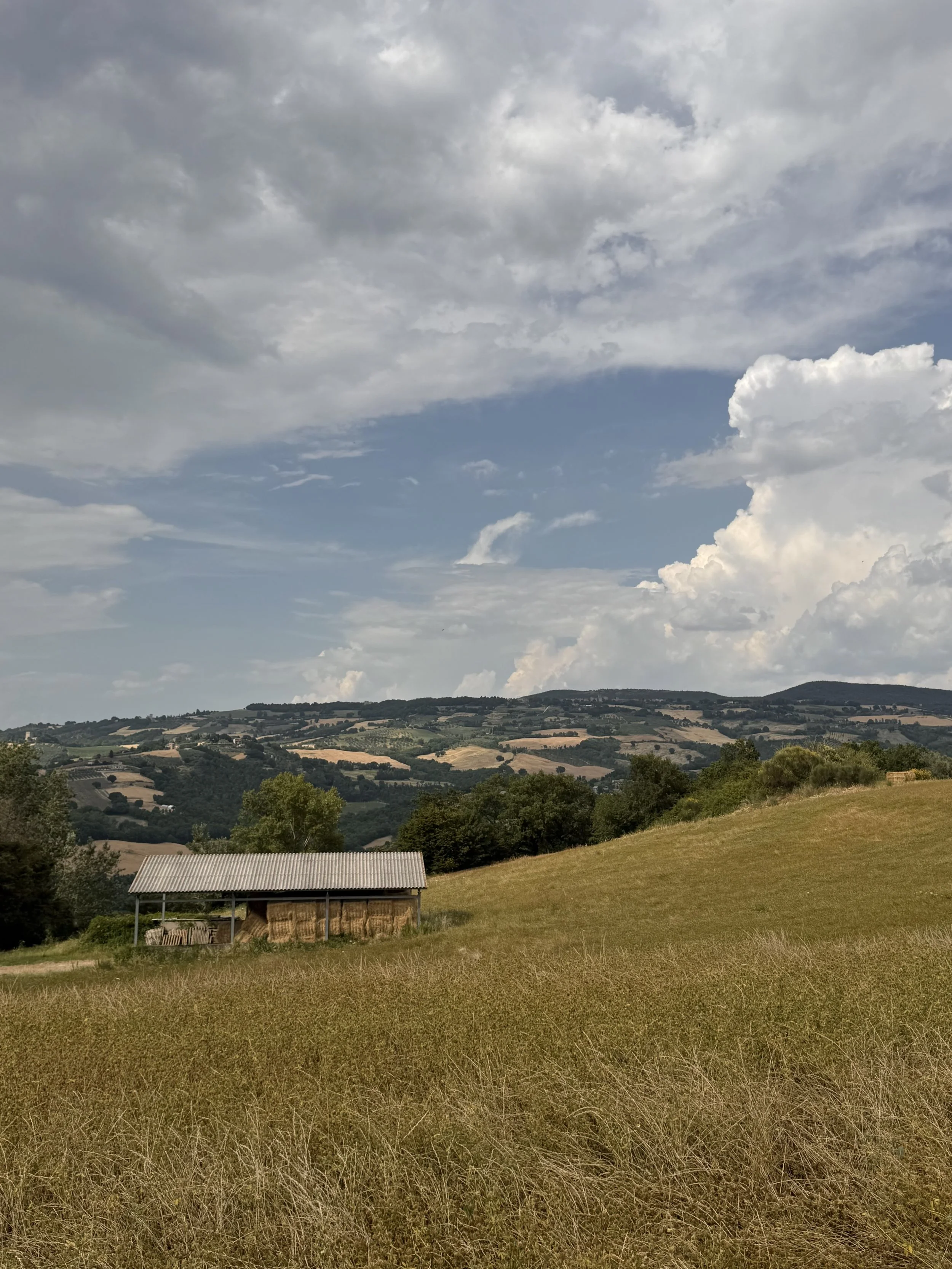
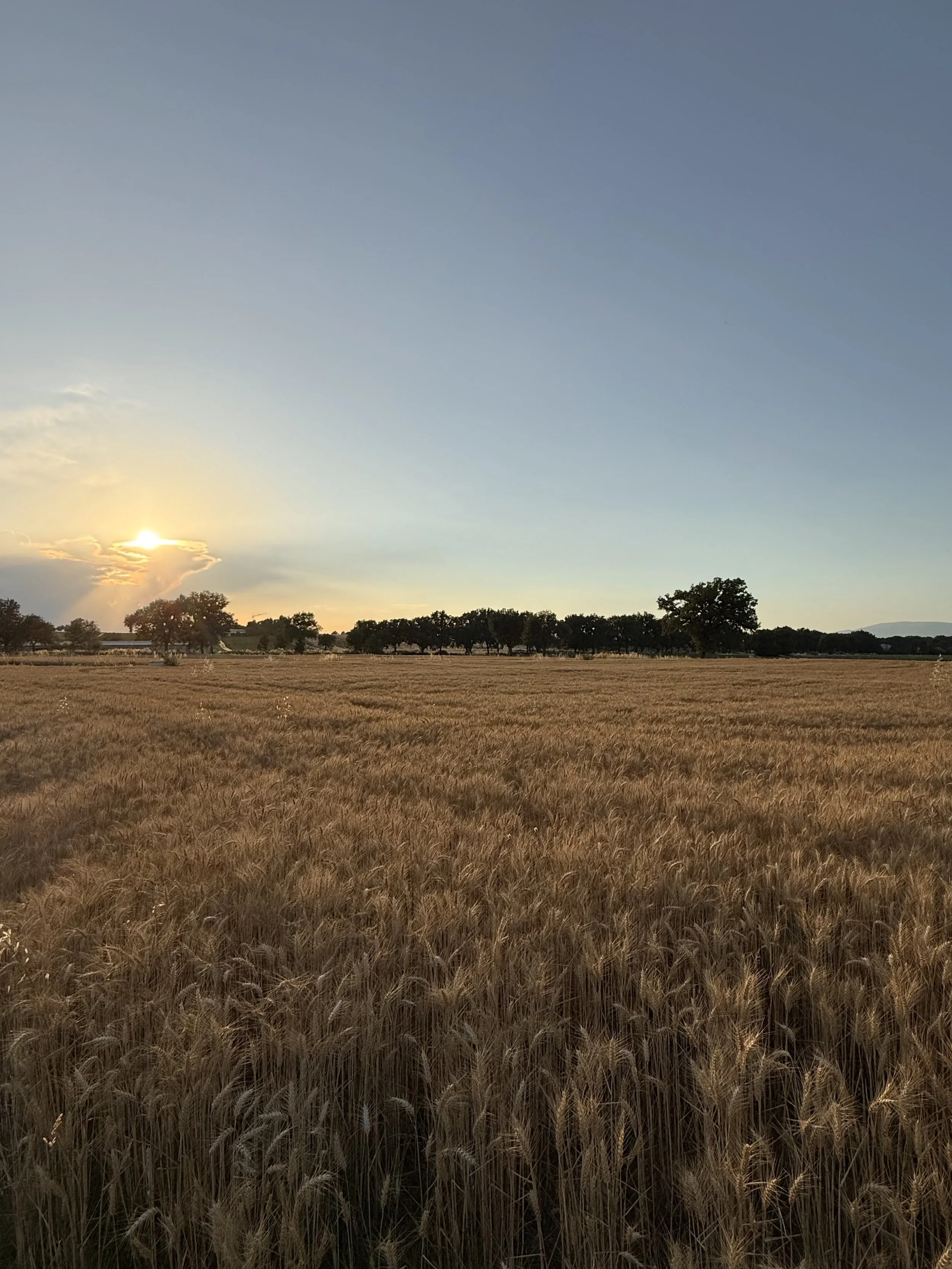
June is also when the Umbrian countryside begins its transition from spring to summer.
Driving through the region, the landscape changes almost daily. Bright spring greens slowly give way to shades of gold, olive and brown. Wheat fields glow beneath the afternoon sun while darker woodlands provide contrast against the rolling hillls.
The scenery feels softer than spring, warmer than autumn and somehow more relaxed than either.
Of course, summer has its less glamorous side.
Nobody writes postcards about the flies.
Or the mosquitoes.
Some evenings, despite every repellant available, they seem determined to remind me that countryside living comes with its own conditions.
Beauty, it turns out, has company.
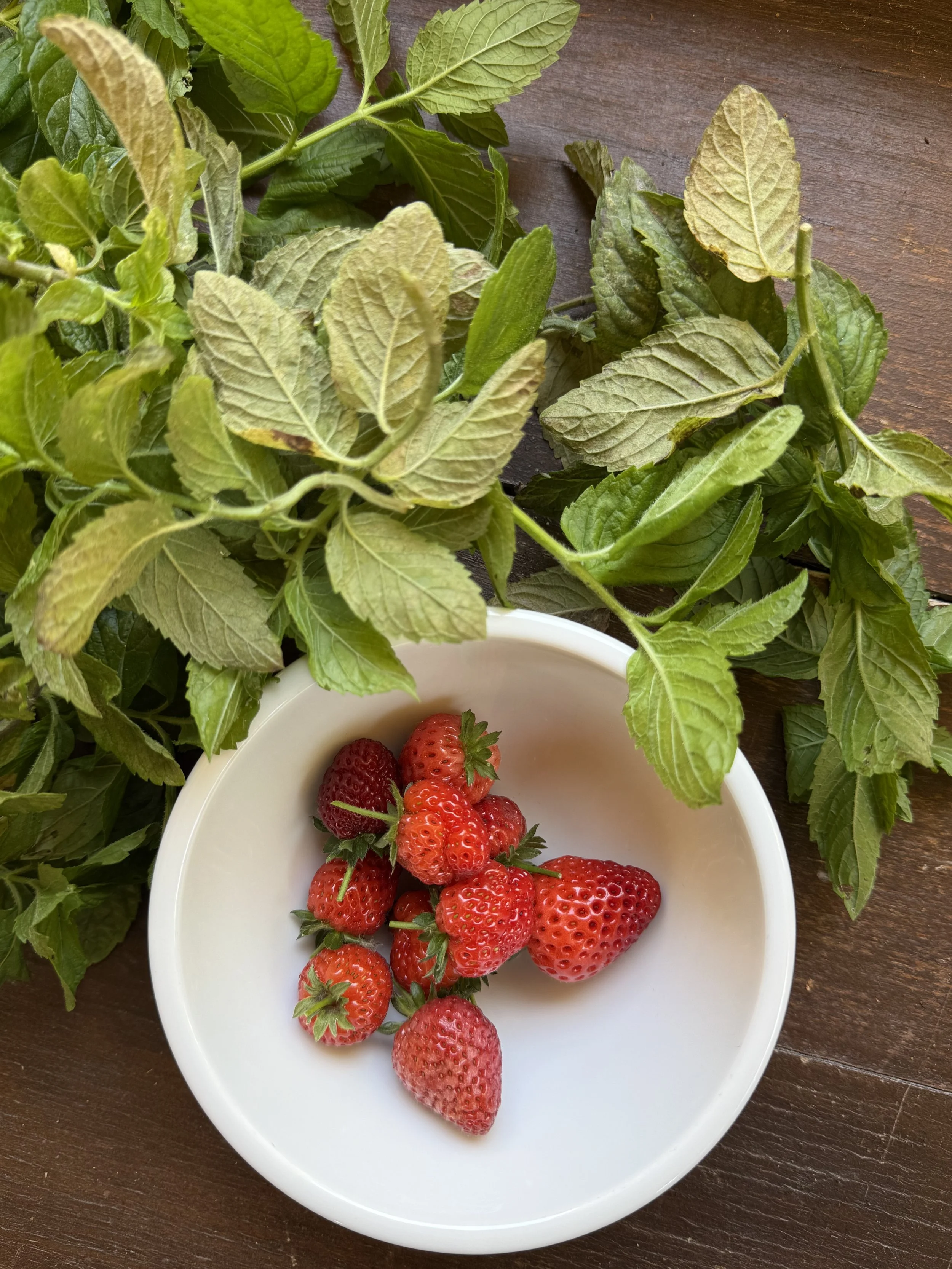
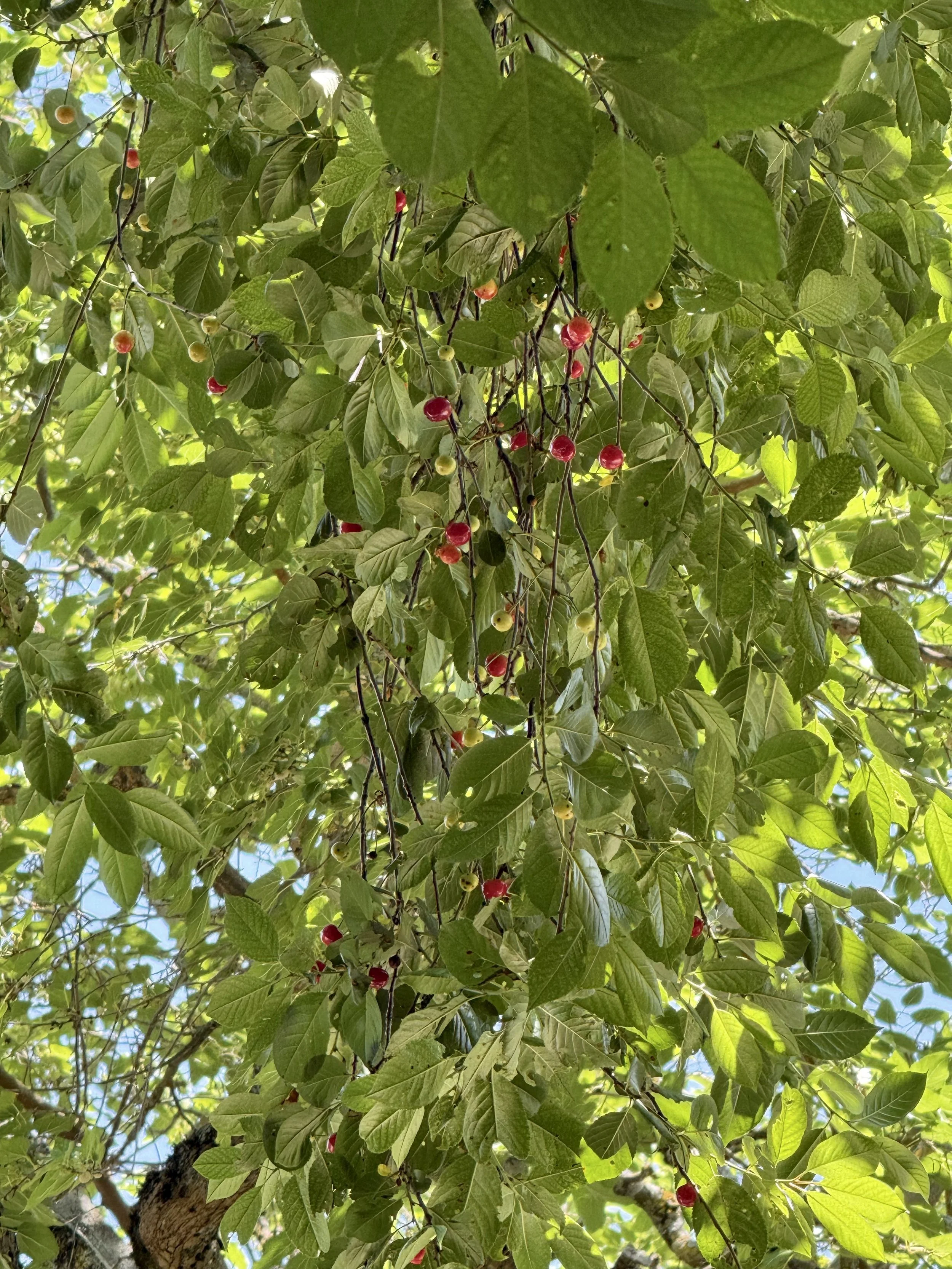
June is the season of abundance.
Strawberries arrive first.
Cherries begin ripening on the trees.
Herbs seem to grow faster than they can be used.
One of the pleasures of living here is becoming aware of the seasons through ingredients rather than calendars.
A few weeks ago, cherries were simply fruit in a supermarket.
Now they hang overhead while I drink coffee outdoors.
The longer I stay in Italy, the more connected daily life feels to what is growing, ripening or being harvested nearby.
It is a slower way of paying attention.
Three years ago, I had very little idea what life in Italy would actually be like.
Like many people arriving from Asia, I thought I knew Italy through a handful of familiar references. There was the food - pizza, pasta, gelato and espresso. There was fashion - Armani, Gucci, Prada, Bottega Veneta… There were images of Renaissance cities, sun-drenched piazzas and rolling Tuscan hills.
What I did not realise was how different visiting Italy and living in Italy would be.
Many travellers arrive believing they already understand Italian food. Some even joke that after a few days they cannot face another plate of pasta. Yet the longer I live here, the more I realise how little I knew.
Italian cuisine is not a single cuisine at all, but a collection of regional traditions, ingredients and local habits that reveal themselves slowly over time.
The same applies to Italy itself.
Outside the country, Tuscany often dominates the imagination. Umbria receives far less attention.
At its heart, Umbria feels humble.
It is a place of small villages, agricultural traditions and understated beauty. Wealth exists here, certainly, but it rarely announces itself.
Perhaps that is why I have grown so fond of it.
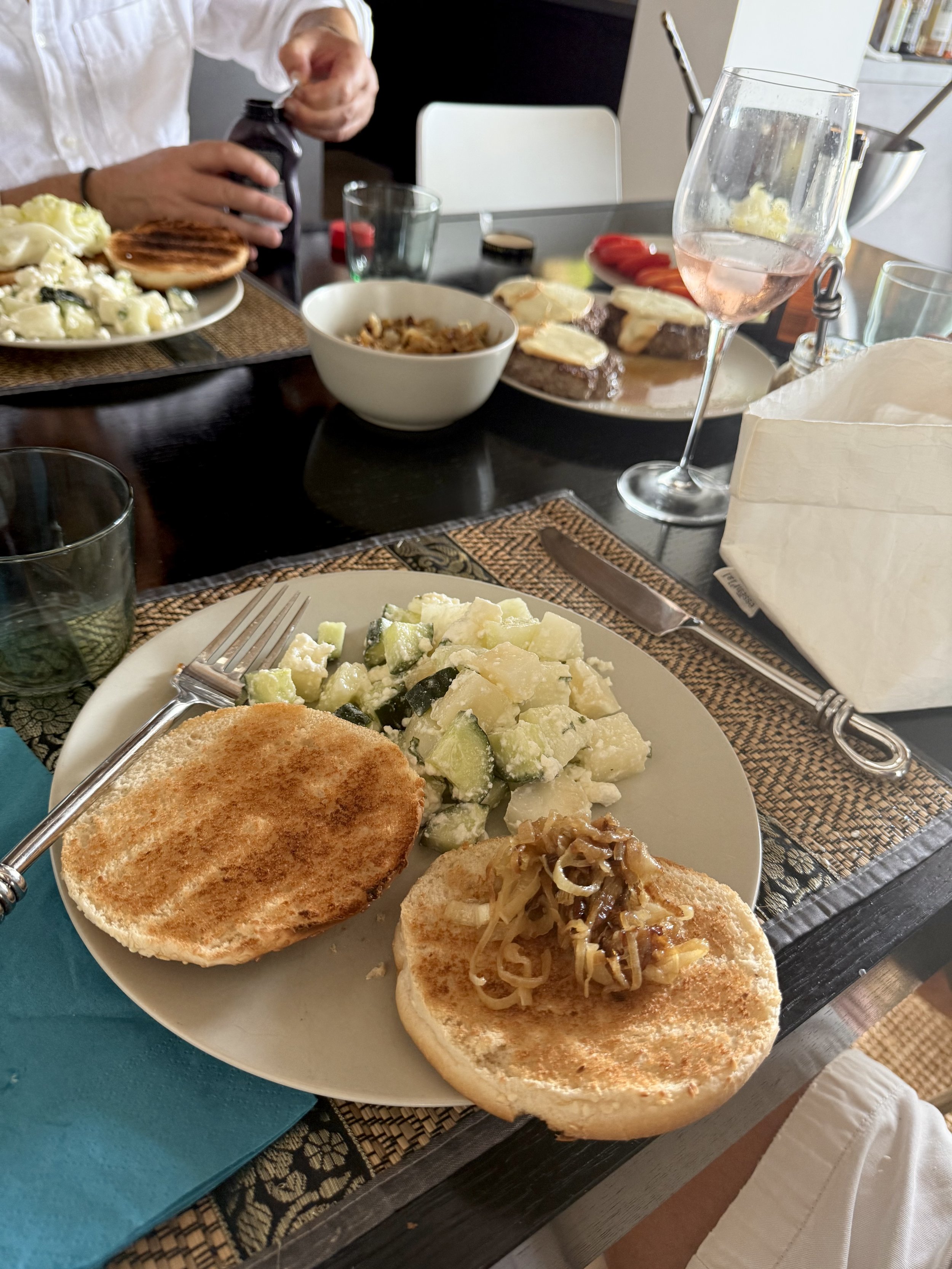
This week, we had lunch with our Danish friend who moved to Umbria five years ago.
Before relocating to Italy, he spent many years living in London and Dubai, working in a senior corporate role. Like many people who eventually settle here, he arrived looking for something quieter.
Today, his life looks very different.
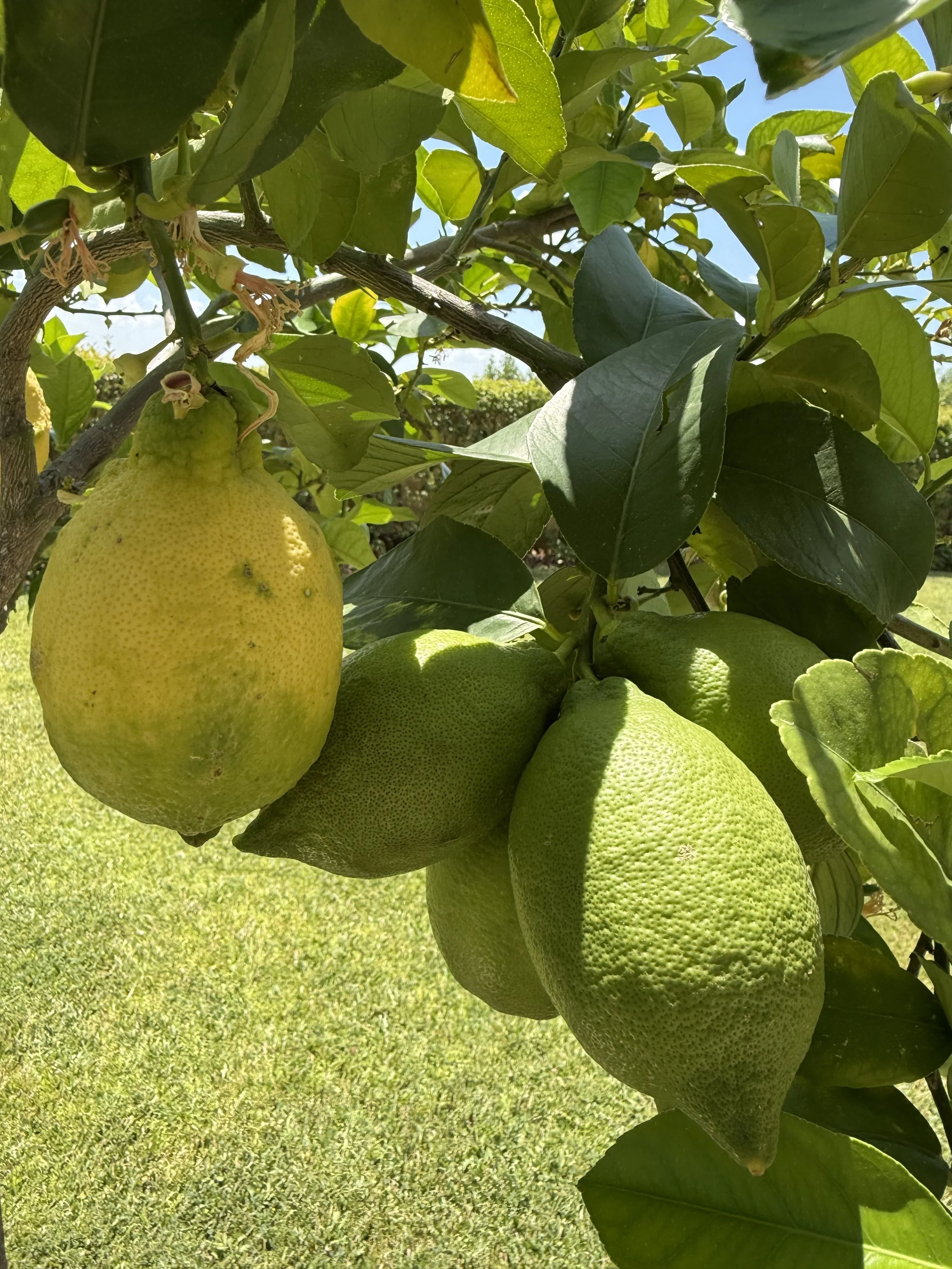
He spends much of his time gardening, cooking, practicing yoga and enjoying the slower rhythm of rural life. The lemons hanging in his garden are larger than most one could find in a supermarket, growing beneath the June sun while conversations drift naturally from one subject to another.
Lunch itself was simple but so delicious: homemade hamburgers, fresh melon and cucumber mint salad, wine and fruit tarts that we brought for dessert.
Yet, like many meals in Italy, the food was only part of the experience.
Our conversation wandered through gardening, food, life in Umbria and the quiet projects that occupy our days. We spoke about Foodie Goes Travel and what I hope it might become. To my surprise, he assumed the website had been designed professionally until I told him I had built it myself.
What stayed with me most, however, was something else.
He spoke about the sense of community he had found after moving here. The friendships he had built. The feeling of belonging that developed gradually over time.
I understood exactly what he meant.
Three years ago, Italy felt like somewhere I was discovering.
Today, increasingly, it feels like somewhere I belong.
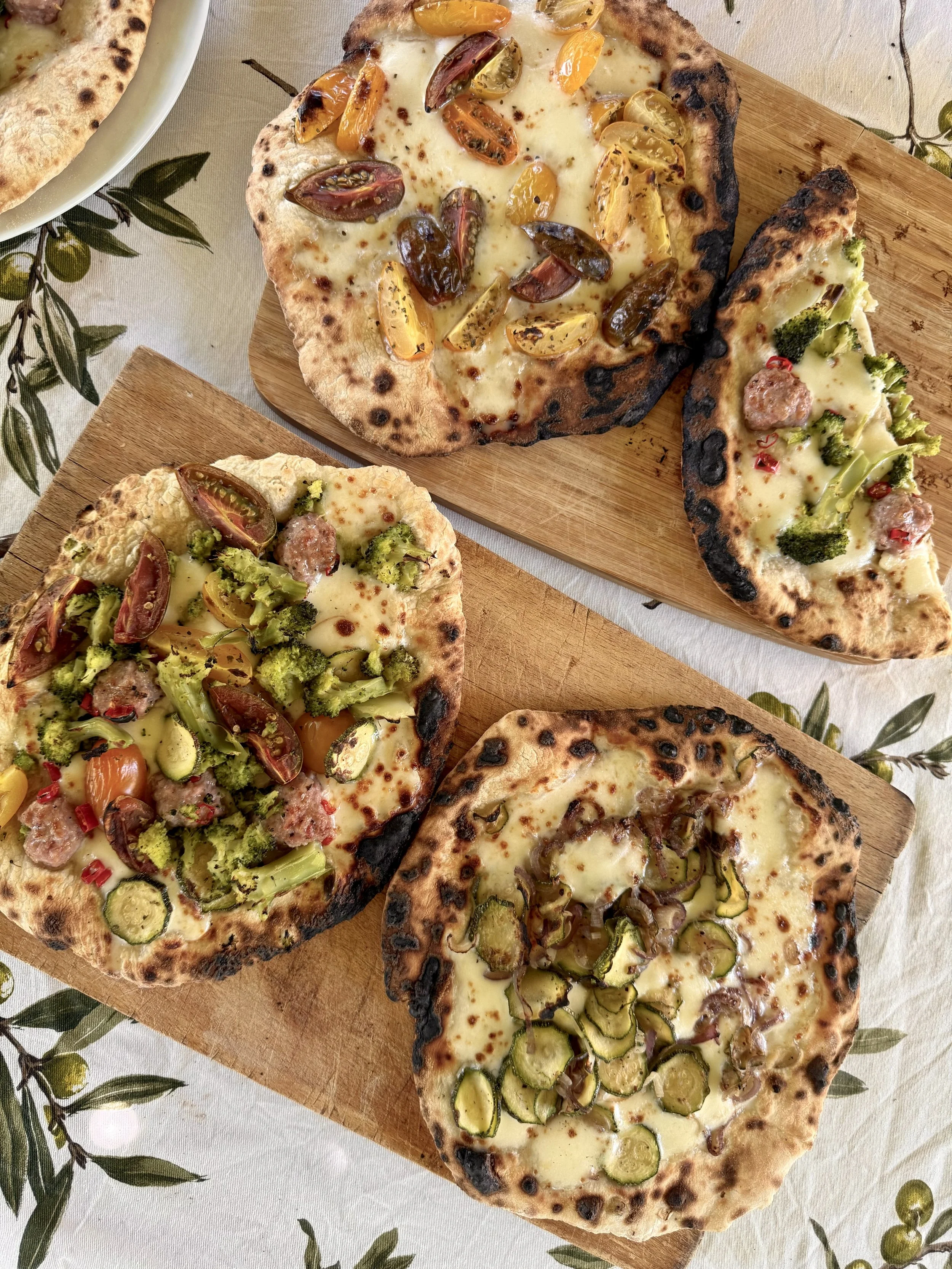
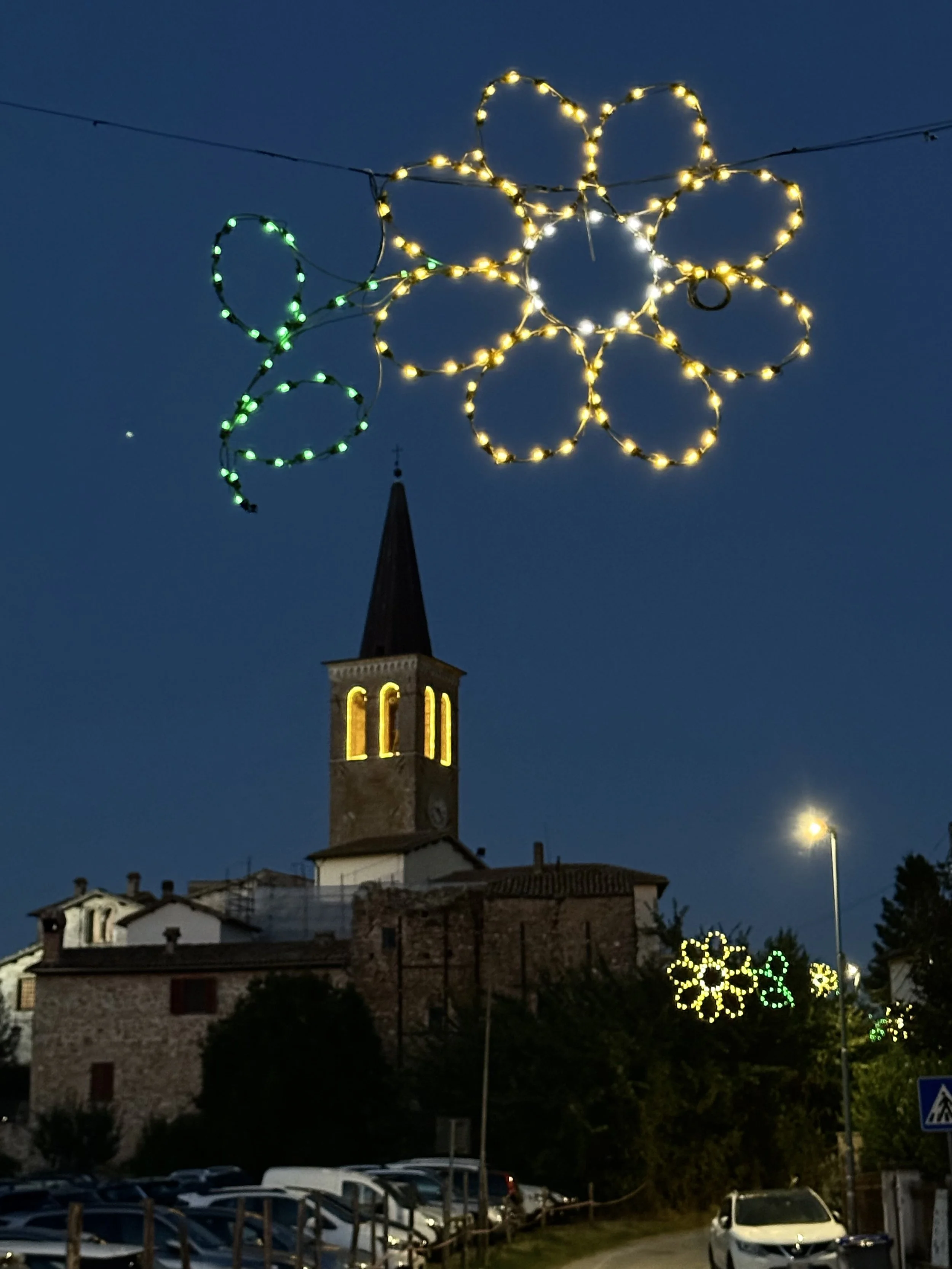
The long days also create space for gathering.
A few evenings ago, homemade pizzas emerged from the oven while there was still daylight outside. Conversations lasted longer than the meal itself.
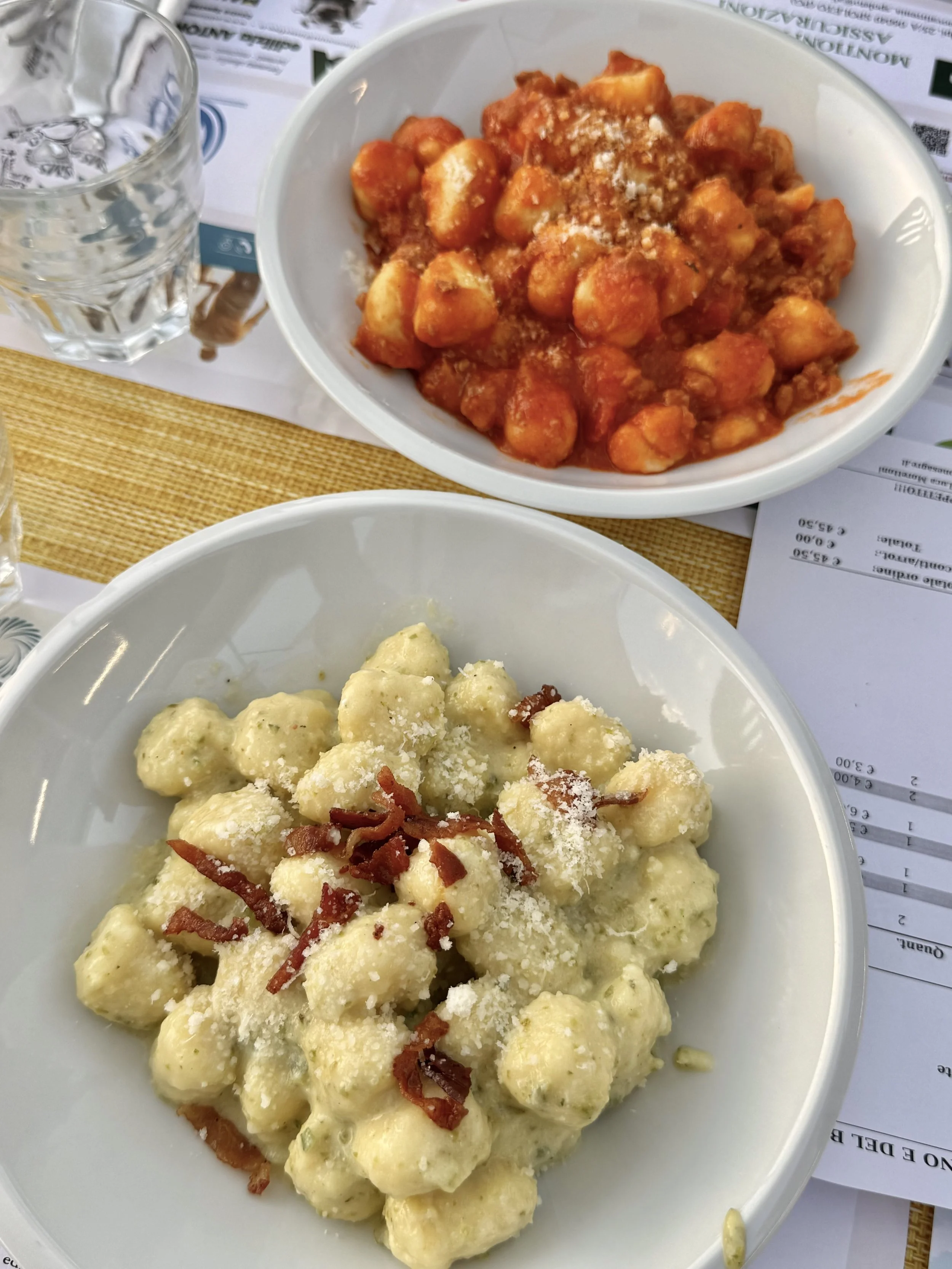
Recently, we attended a village sagra.
For visitors unfamiliar with Italy, a sagra is often described as a food festival, but that definition feels incomplete. Traditionally organised by local volunteers, sagre celebrate a particular ingredient, dish or agricultural product that holds significance for a community. Depending on the village, the theme might be truffles, lentils, wild boar, asparagus, olive oil or a regional pasta dish.
The food may be the reason people arrive, but it is rarely the whole point.
In many part of Italy, especially smaller towns and villages, the sagra remains an important social event in the annual calendar. Volunteers spend days preparing the event. Families gather around long communal tables. Children run between friends while neighbours catch up on local news.
The particular sagra we attended took place beside open fields, with gnocchi and pork as its theme. The setting was simple: plastic tables, volunteers working tirelessly in the kitchen and a steady stream of residents arriving throughout the evening.
What struck me most was not the food, though it was excellent.
It was the community spirit.
Entire villages coming together to organise something that exists largely for the enjoyment of others.
In a world increasingly built around convenience and individualism, there is something quite remarkable about that.
Perhaps that is one reason sagre continue to endure. They are not merely about preserving recipes, but about preserving a sense of belonging.
Perhaps the biggest surprise of living in Italy, however, has not been the food or the scenery.
It has been learning patience.
Lately I have been reading Under The Tuscan Sun.
When I first encountered the book years ago, it felt like a romantic account of restoring a house in Italy.
After living here for almost three years, I read it differently.
Now I understand the waiting.
The permits that take months.
The contractor who says a project will take a few weeks and returns a few months later.
The unexpected problem that appears the moment another one has been solved.
The additional time and expense that nobody anticipated.
I understand gardening a little better too.
Although I should confess that I am still not entirely convinced that I enjoy it.
I enjoy the results.
The process is another matter.
Grass needs cutting. Weeds reappear almost immediately. Not every plant thrives at this altitude - I live close to 800 meters above sea level.
Yet there is satisfaction in seeing progress.
Perhaps restoring a house, tending a garden and building a life in a new country all require the same thing.
Patience.
Perhaps this is what living through summer in Italy has taught me.
The beauty is real, but it is not separate from the inconveniences. The golden fields come with dry heat. The outdoor dinners come with flies and mosquitoes. The garden that looks effortless in photographs requires hours of cutting, weeding and learning through mistakes.
And yet, none of this makes the experience less beautiful.
If anything, it makes it more honest.
To live somewhere is to meet it beyond its best angles. It is to know the season not only through what it gives, but also through what it asks of you.
June in Umbria is not a postcard to me anymore.
It is a rhythm I am slowly learning to live inside.
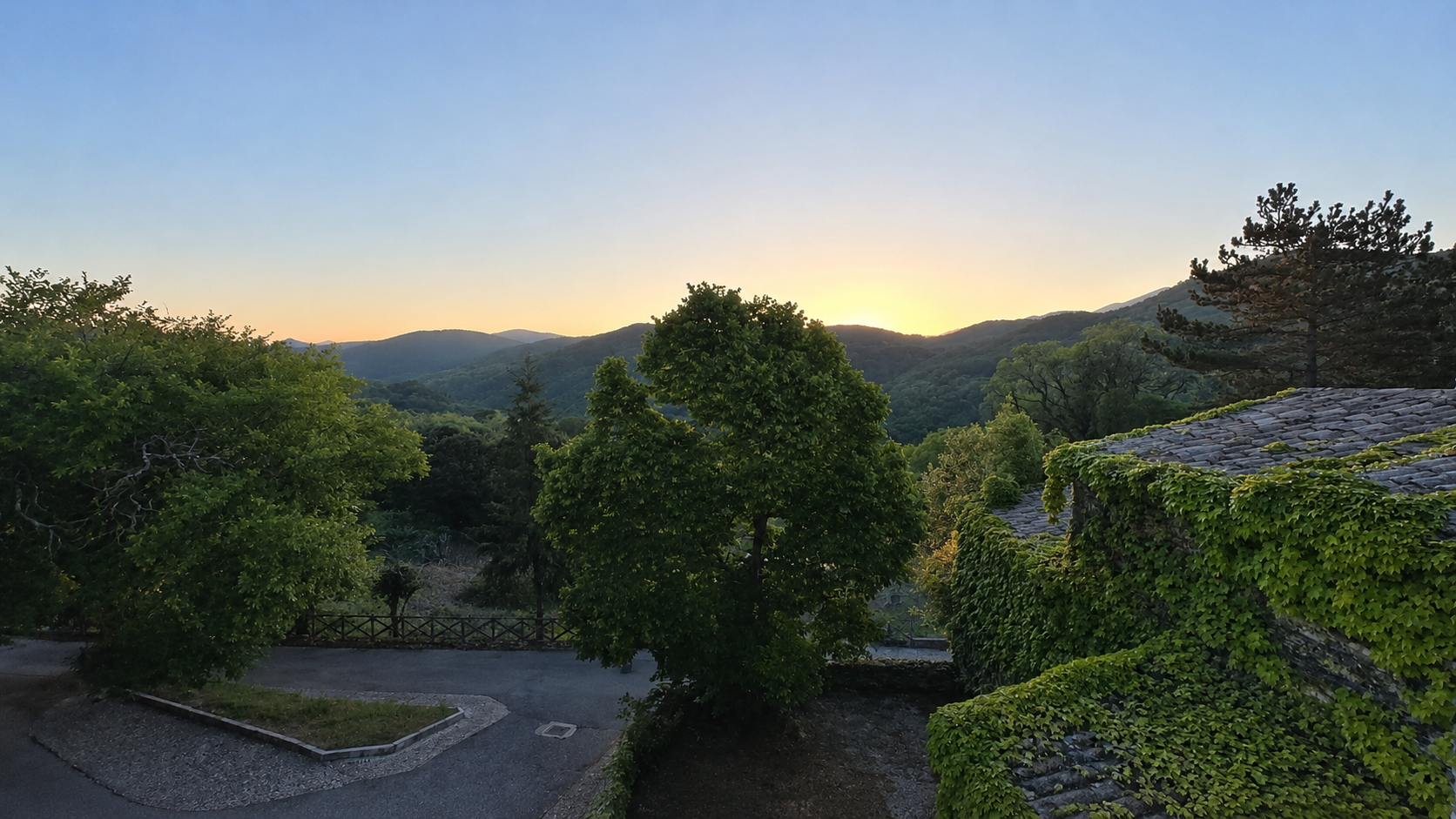
Soon enough, June will give way to July.
The wheat will be harvested. The hills will take on deeper shades of gold. The evenings will begin, almost imperceptibly, to shorten.
For now, however, summer still feels endless.
The light arrives before I wake and lingers long after dinner. Days stretch comfortably beyond their usual boundaries, creating space for the things that are often rushed through elsewhere: conversations, meals, reading, quiet moments of reflection.
Three years ago, Italy existed mostly in my imagination.
I knew it through guidebooks, films, photographs and familiar stereotypes. I thought I understood the country because I recognised its food, its fashion houses and its famous cities.
What I could not have known then was that a life is built from much smaller things.
It is built through seasons repeated often enough to become familiar. Through friendships that deepen over time. Through learning which plants thrive in your garden and which do not. Through navigating unexpected setbacks, celebrating small victories and slowly finding your place within a community.
Perhaps that is what I appreciate most about these long June days.
They remind me how much has changed without my noticing.
What once felt unfamiliar now feels reassuringly ordinary.
And I mean that in the best possible way.
For the first time in my life, I understand why people choose to stay somewhere.
Not because it is perfect.
But because, over time, it becomes home.
Before you leave, you are invited to sign The Guestbook.
Further Reading
Umbria’s Best-Kept Secret - a broader introduction to Italy’s green heart
Spoleto, Between Stone and Silence - exploring the town that became my gateway to Umbria
Waiting for Tomatoes - on seasonality, anticipation and everyday life in rural Italy
The Luxury of Silence - reflections on quiet, space and attention
The Places We Carry - how certain places continue to shape us long after we leave
Unless otherwise credited, all photography and written content are original works by Foodie Goes Travel.
