Orvieto: The Ancient Umbrian Town Suspended Between Sky and Stone
Words and photograph by JJ Wong
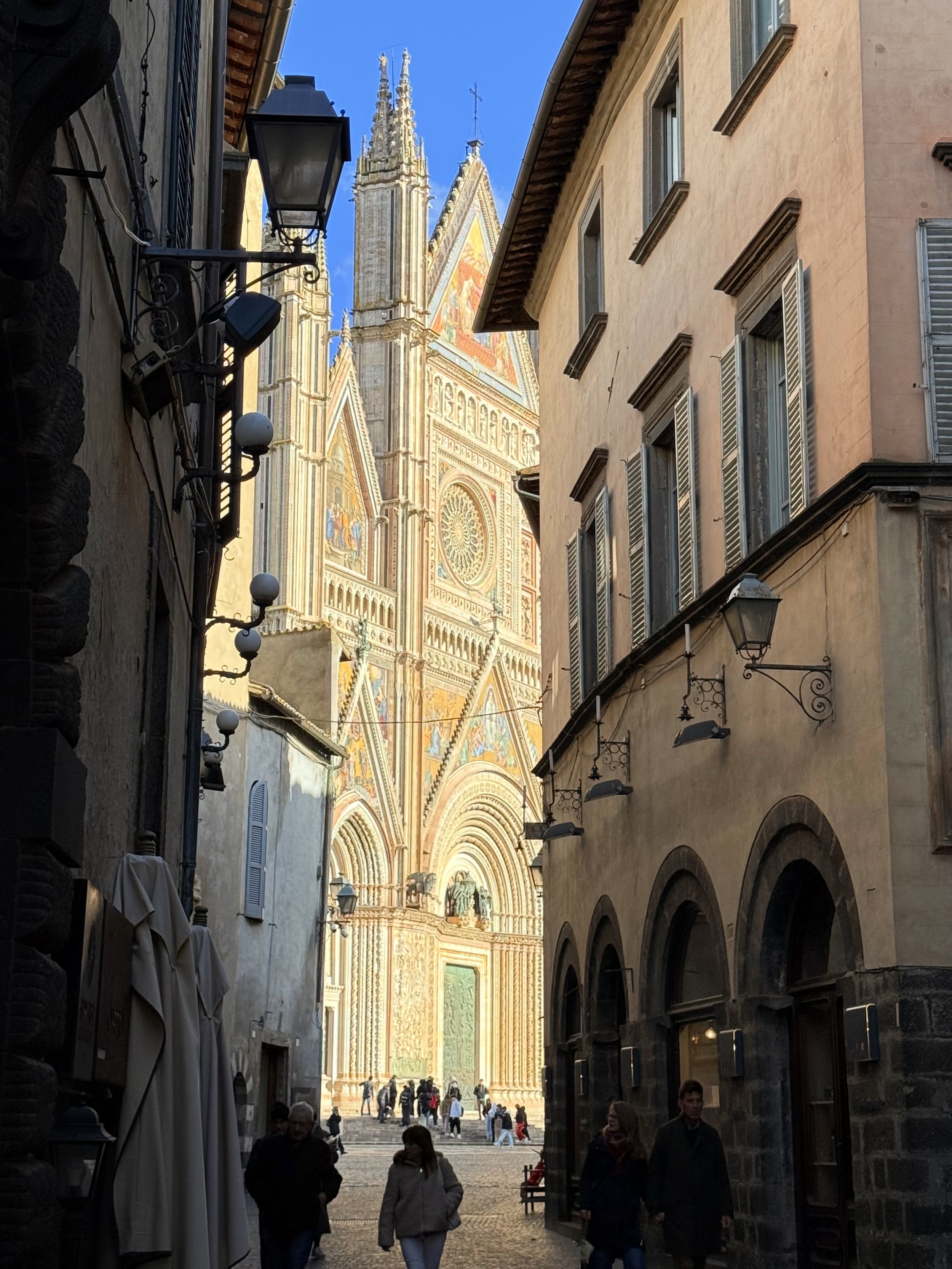
There are towns in Italy that impress immediately.
And then there are places like Orvieto - places that reveal themselves gradually, almost as though they are testing whether you are willing to pay attention carefully enough.
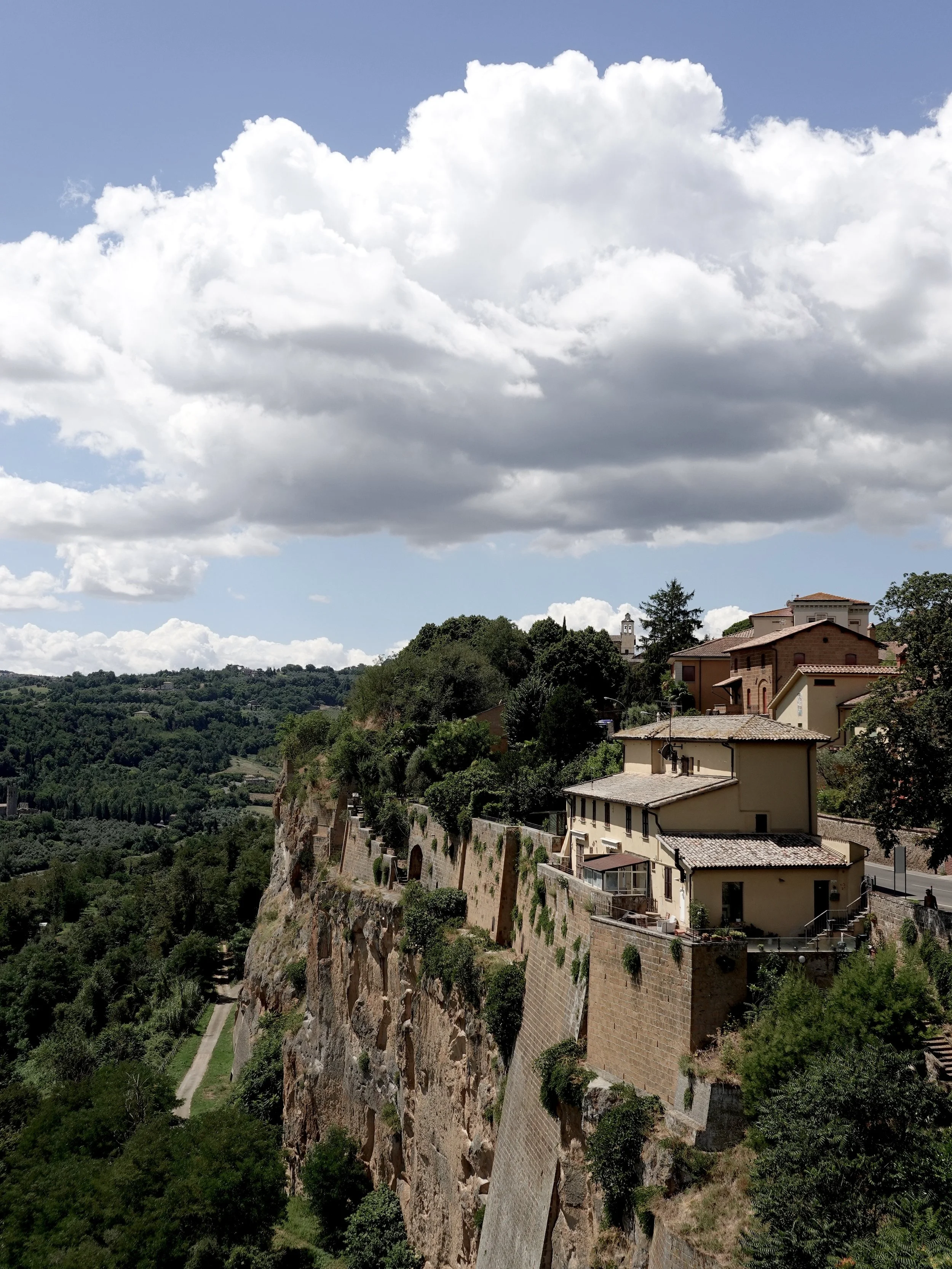
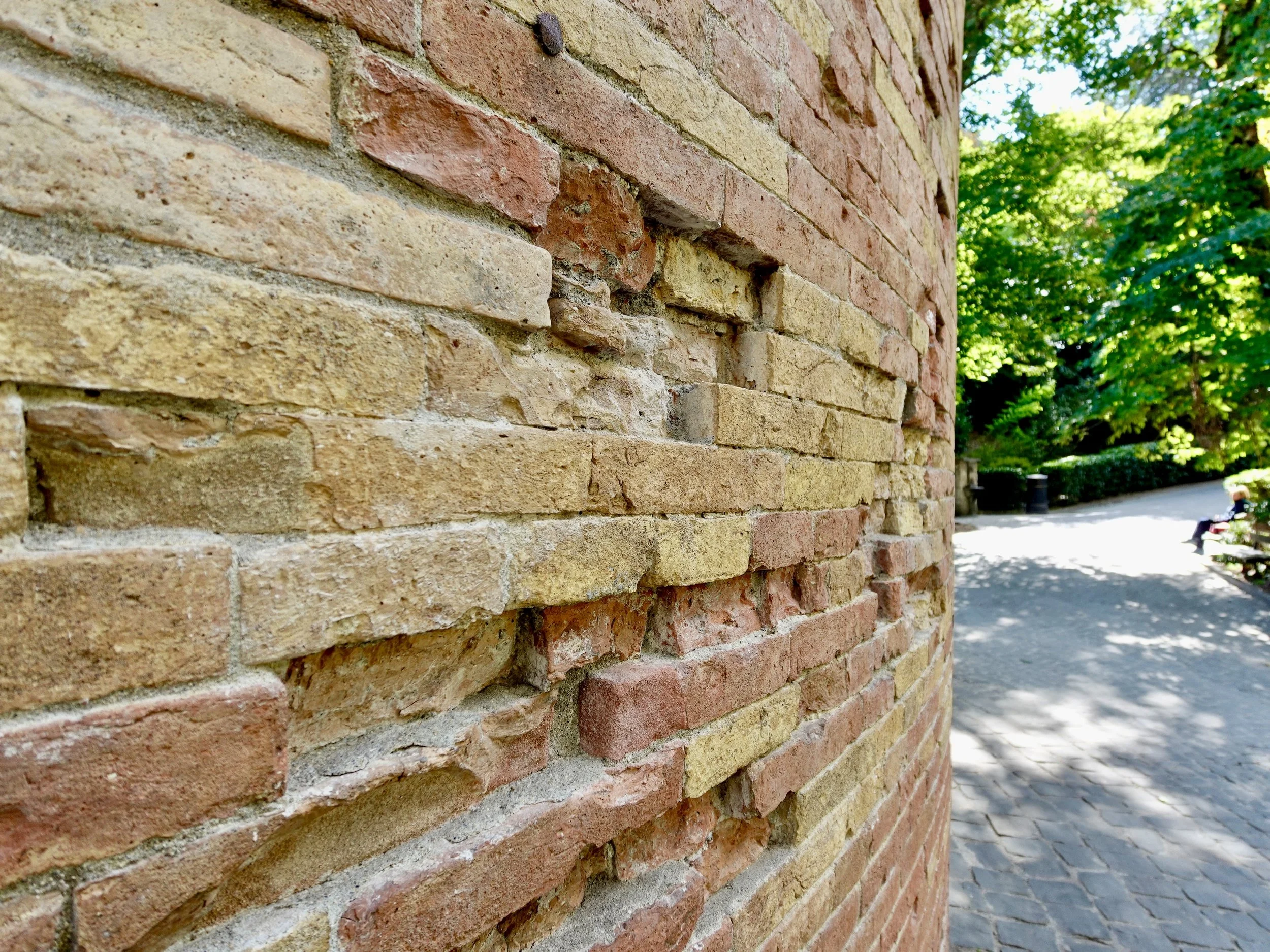
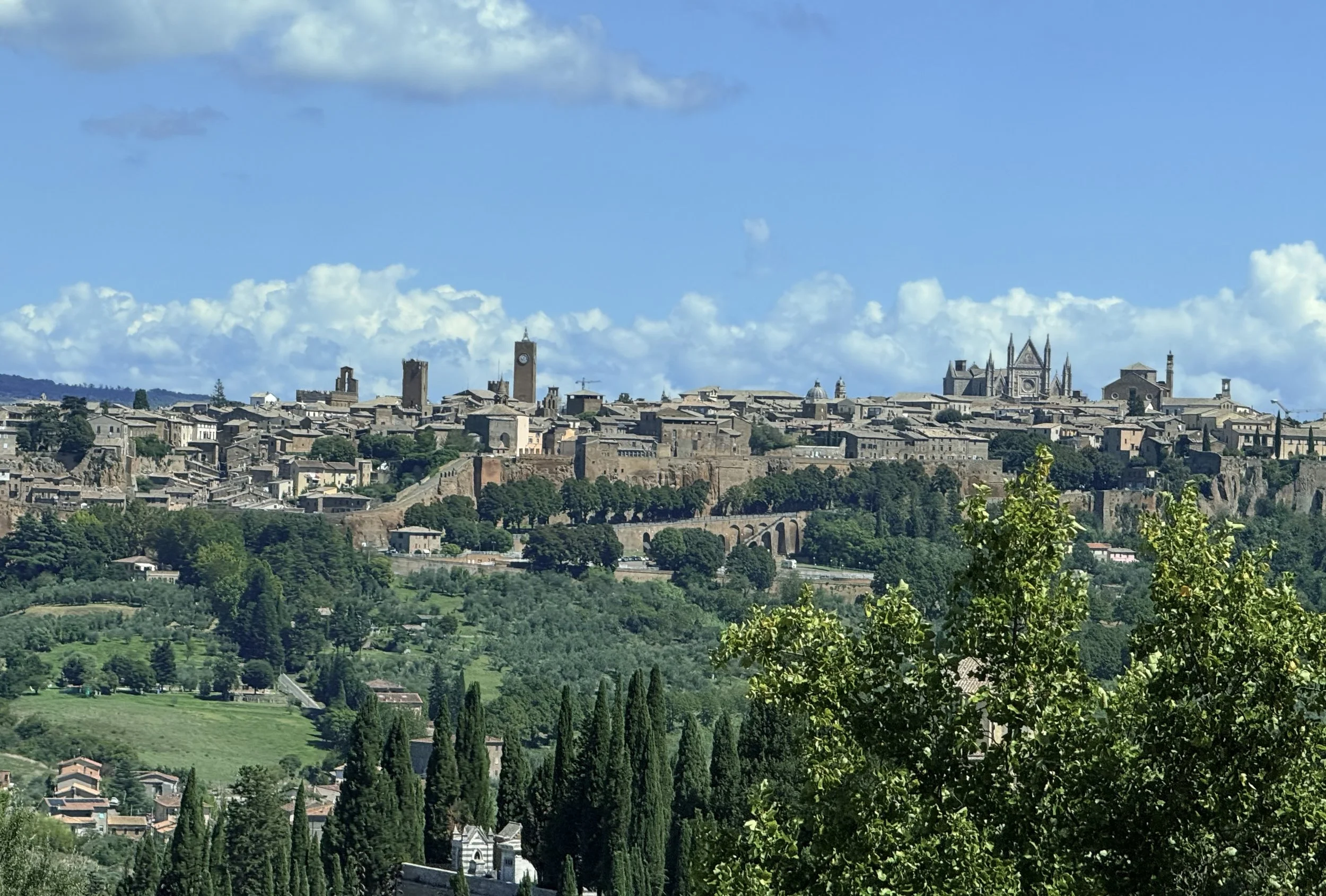
Perched dramatically atop volcanic rock in southern Umbria, Orvieto has existed for over 2,500 years, its origin tracing back to the ancient Etruscans long before the rise of the Roman Empire. Even today, the town feels ancient in a way that goes beyond architecture. The stone, the underground tunnels, the silence between alleyways - everything here seems layered with memory.
What struck me most about Orvieto was its unusual duality.
It feels suspended above the landscape, floating almost improbably between sky and alley. And yet beneath the town exists another hidden world entirely: tunnels, chambers, wells, and subterranean passages carved deep into the rock itself.
A city above the earth.
And beneath it.
Unlike many famous Italian towns increasingly shaped around tourism, Orvieto still feels introspective. There are small artist studios, independent galleries, quiet cafes, and hidden courtyards that seem to exist naturally within the rhythm of daily life rather than curated for spectacle.
In some ways, it reminded me of Spello - another Umbrian town where creativity feels personal rather than commercial.
The artistic atmosphere here feels subtle.
Not polished to impress.
Not over-explained.
Simply woven quietly into the town itself.
Stone and Sky
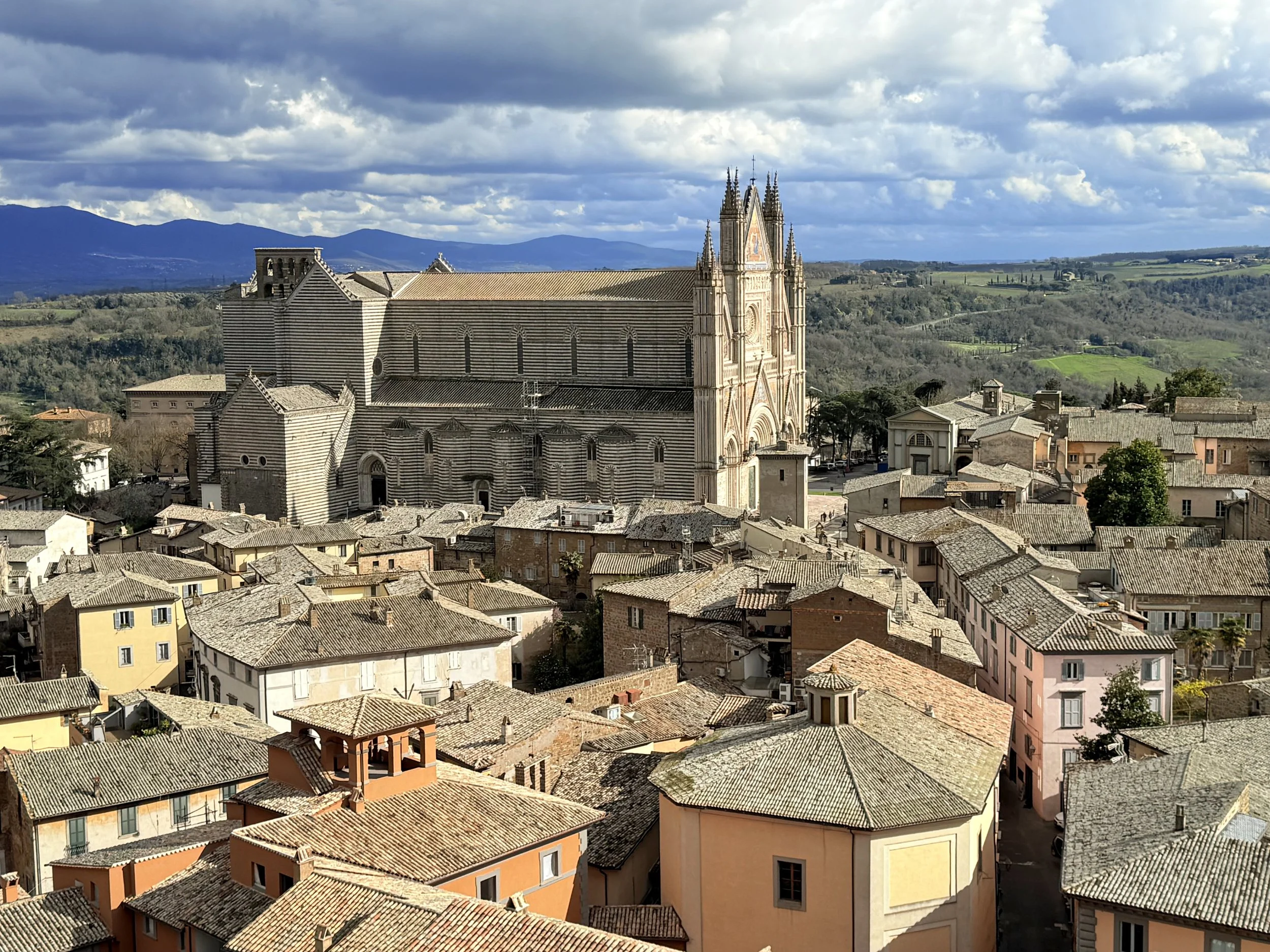
The emotional centre of Orvieto is undoubtedly Orvieto Cathedral.
But what fascinated me most was not only its scale, but its details.
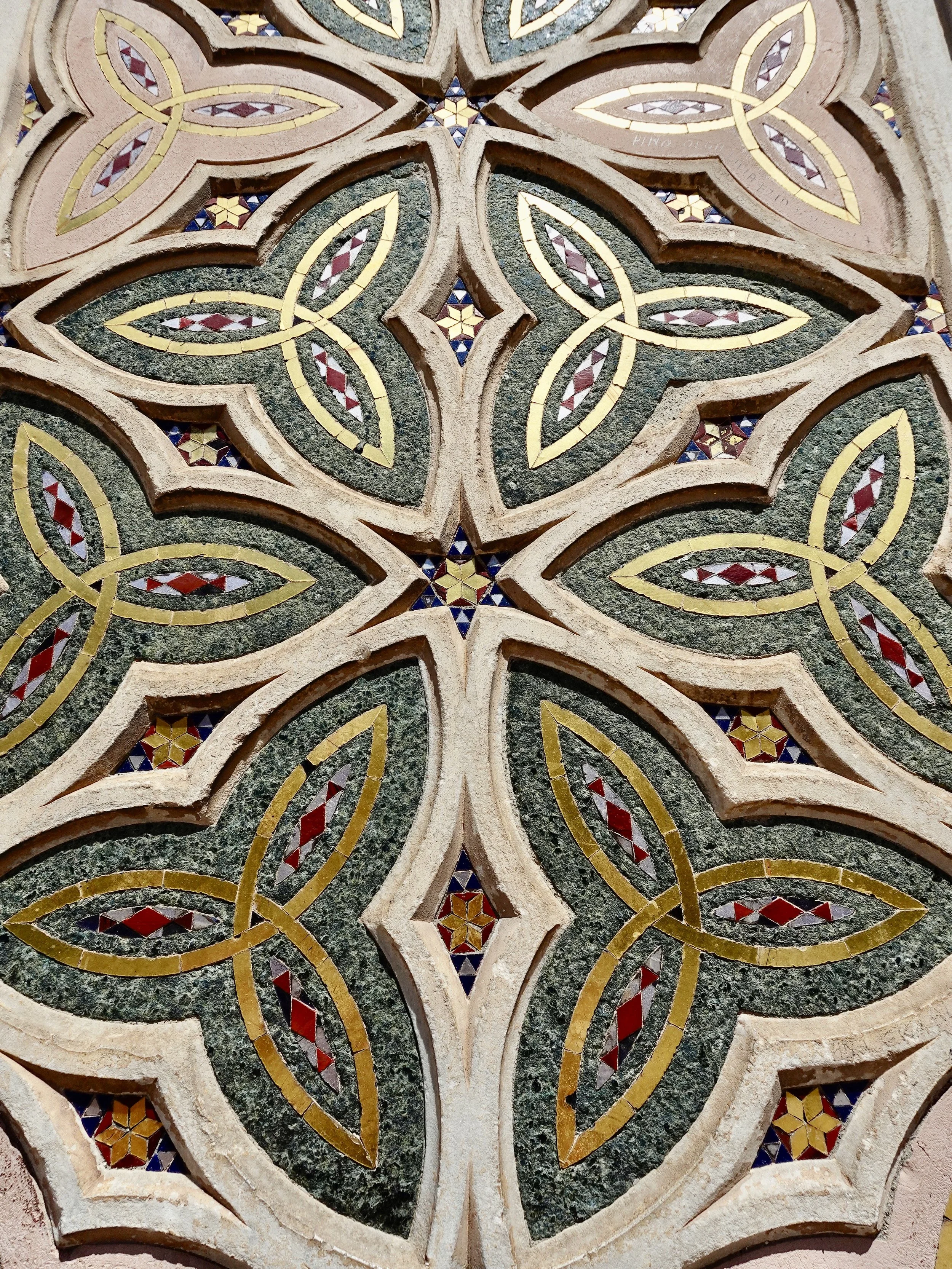
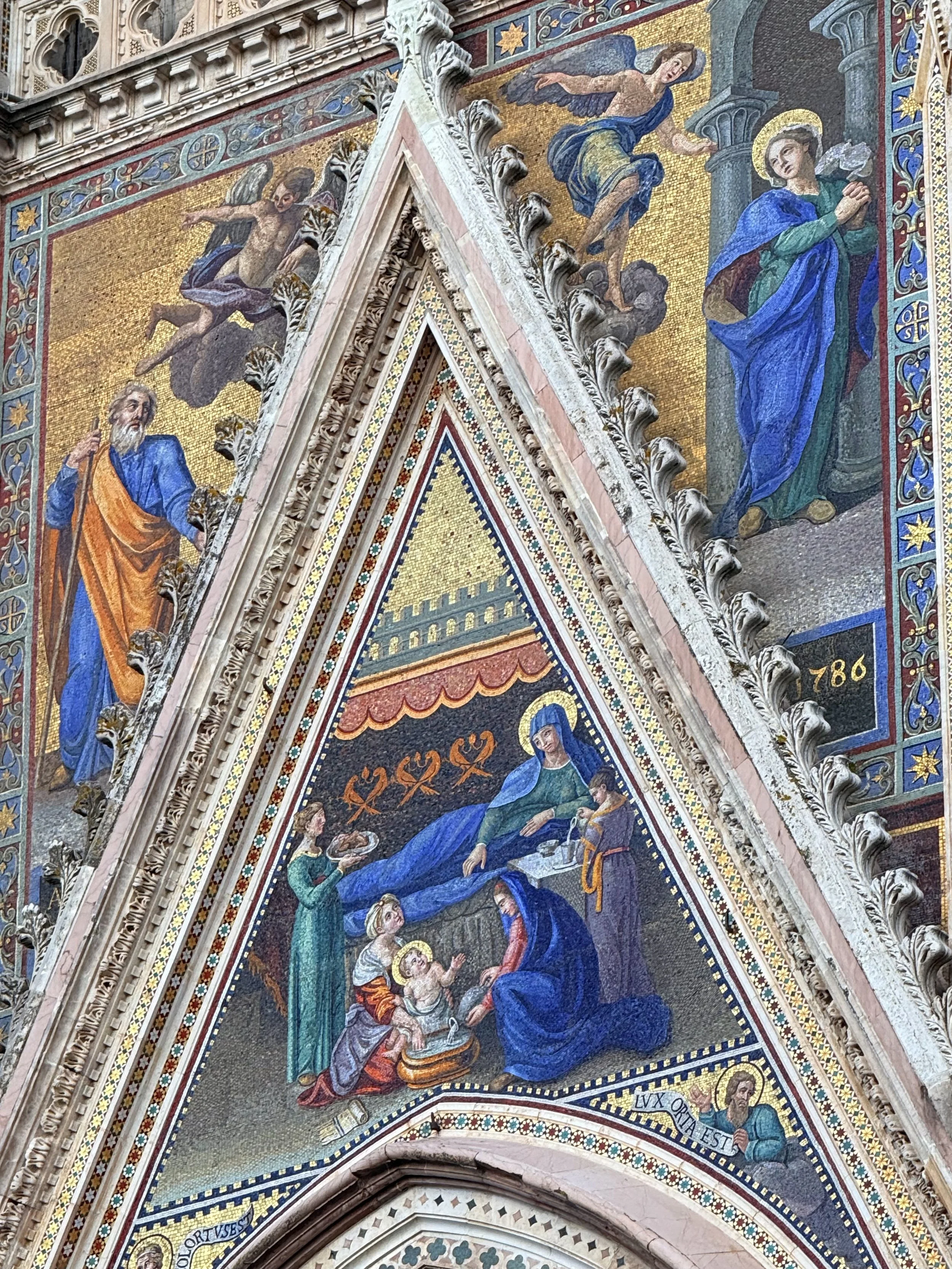
The mosaic facade drew me back repeatedly throughout the day. Different hours transformed the colours entirely. Morning light softened the gold into pale warmth, while late afternoon light deepened the mosaic into richer tones that seemed almost illuminated against the stone around them.
The cathedral never appeared exactly the same twice.
It is one of those rare buildings that rewards slowness.
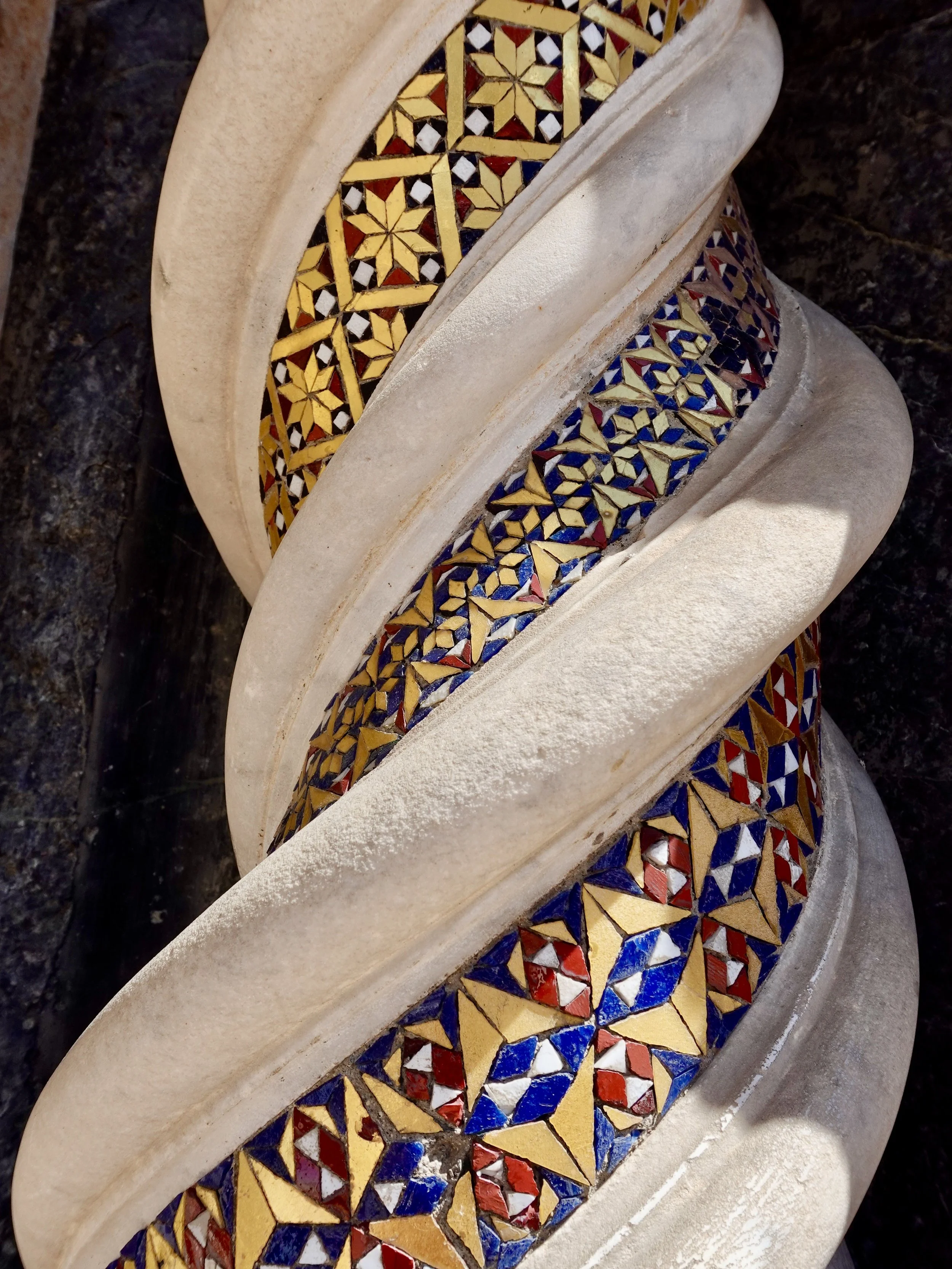
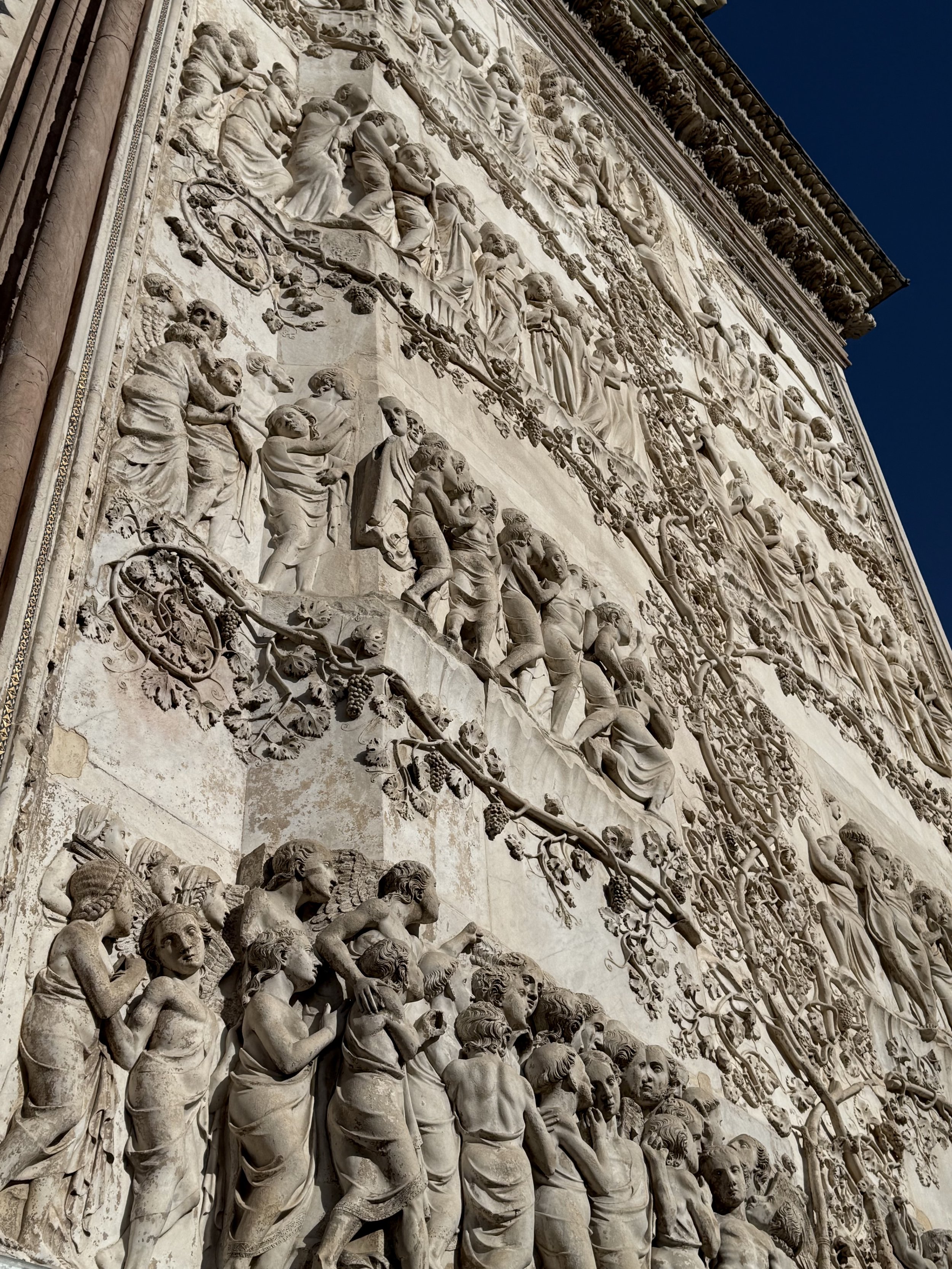
The closer you look, the more details emerge: small geometric patterns, sculptural carvings, fragments of colour, layers of symbolism embedded across the surface itself.
Rather than overwhelming immediately, the Duomo unfolds in layers over time.
Walking through Orvieto often feels like moving between compression and openness.
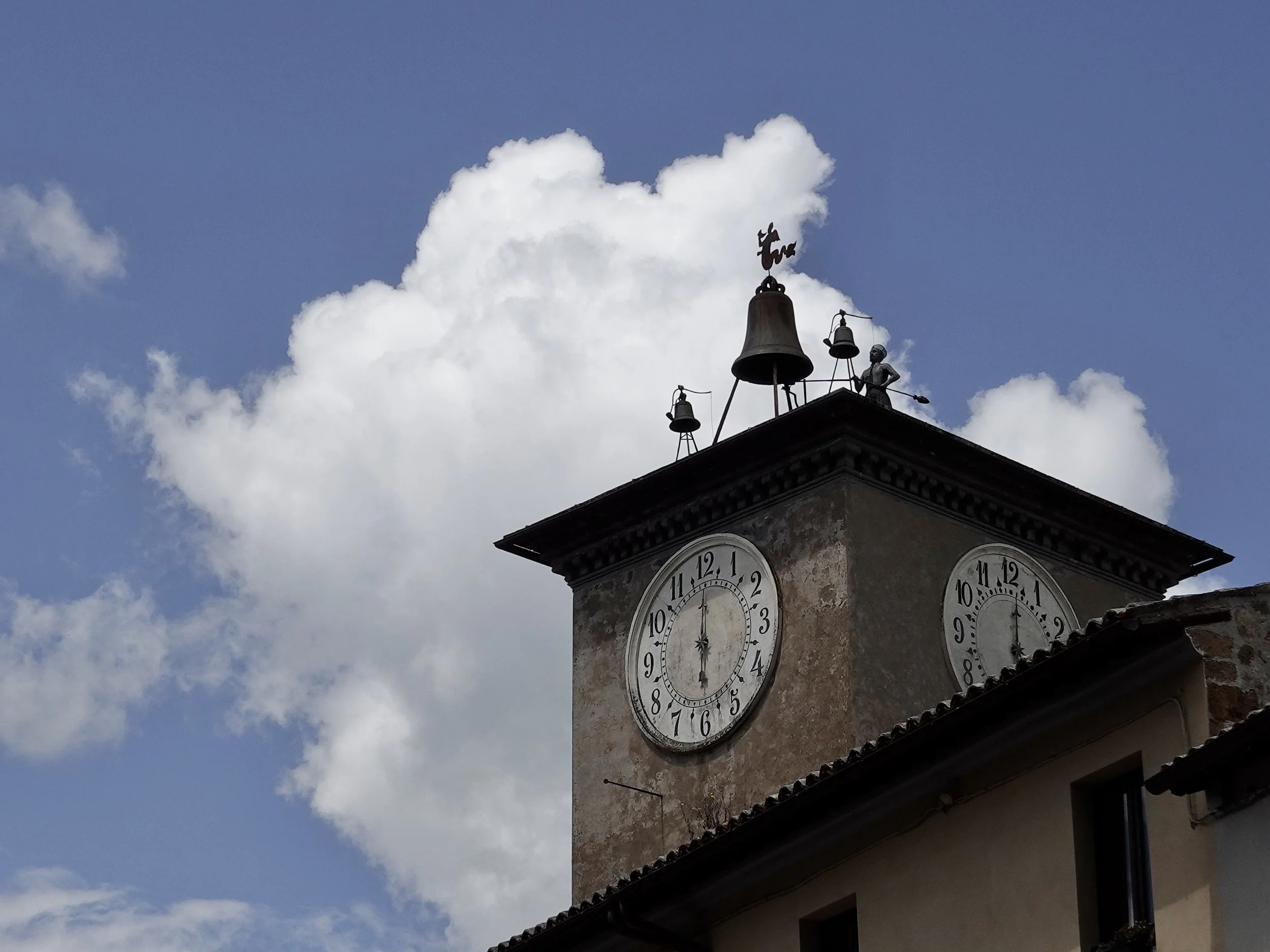
Narrow alleyways suddenly reveal immense spaces. Dark stone passages open unexpectedly toward sky and light. Even time seems to slow differently here. It feels special.
The town invites wandering rather than planning.
Sacred Interiors
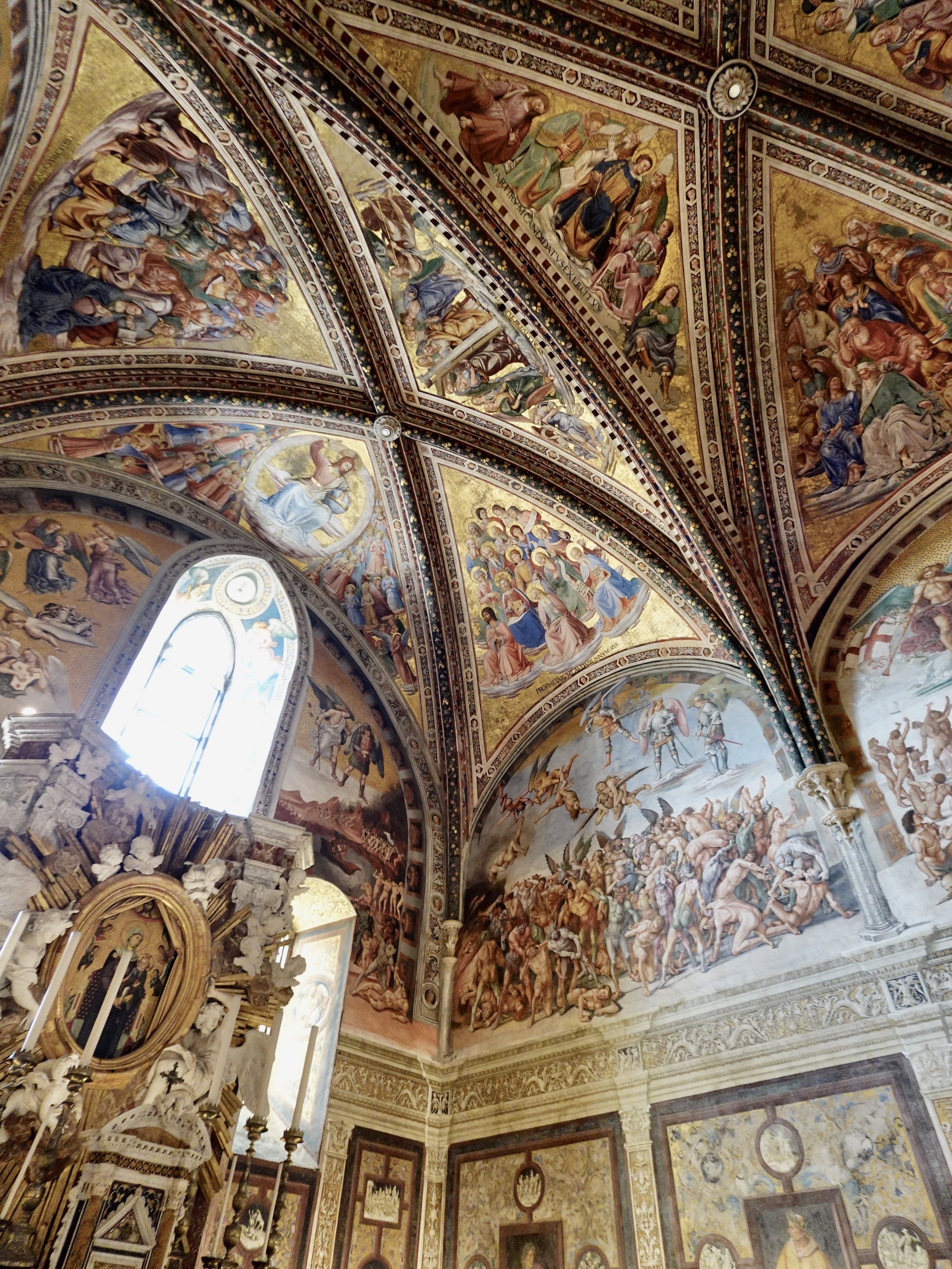
Inside the Duomo, the atmosphere changes once again.
The restraint of the stone streets gives way to layers of frescoes, painted ceilings, gold, ornaments, and filtered light. Yet even within its grandeur, Orvieto still feels intimate rather than theatrical.
Perhaps it is because nothing here feels overly polished.
The fading pigments.
The imperfect light through old windows.
The sense that these spaces have been lived with for centuries rather than preserved as museum pieces.
Beneath the City
One of the most unforgettable parts of Orvieto lies underground.
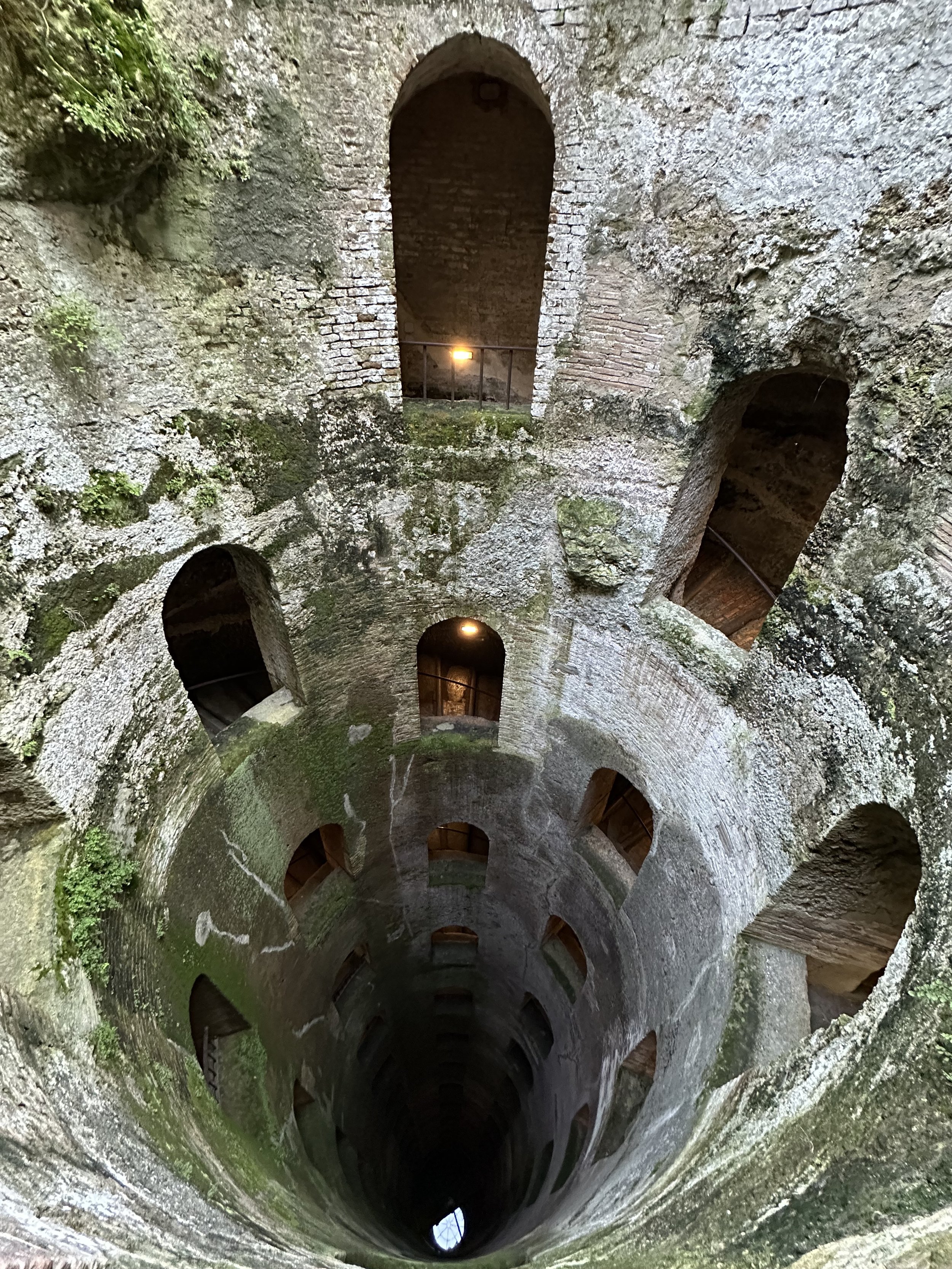
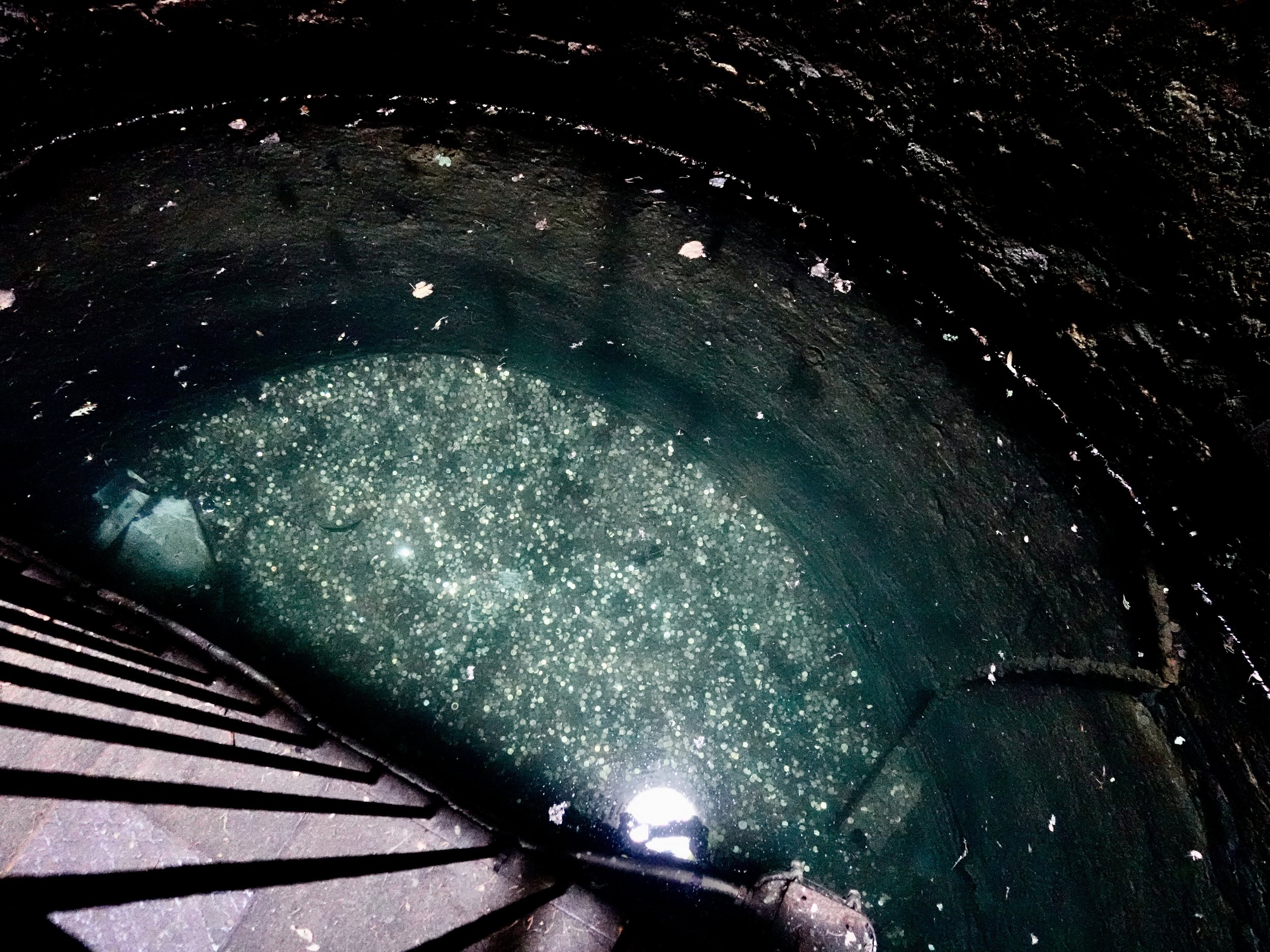
Descending into Pozzo Di San Patrizio feels less like visiting a monument and more like entering an impossible architectural dream.
The spiral shaft descends dramatically into darkness, its geometry almost hypnotic. Light filters softly downward while the walls gradually disappear into shadow.
Standing here, I realized how unusual Orvieto truly is.
Few towns feel simultaneously so elevated and so subterranean.
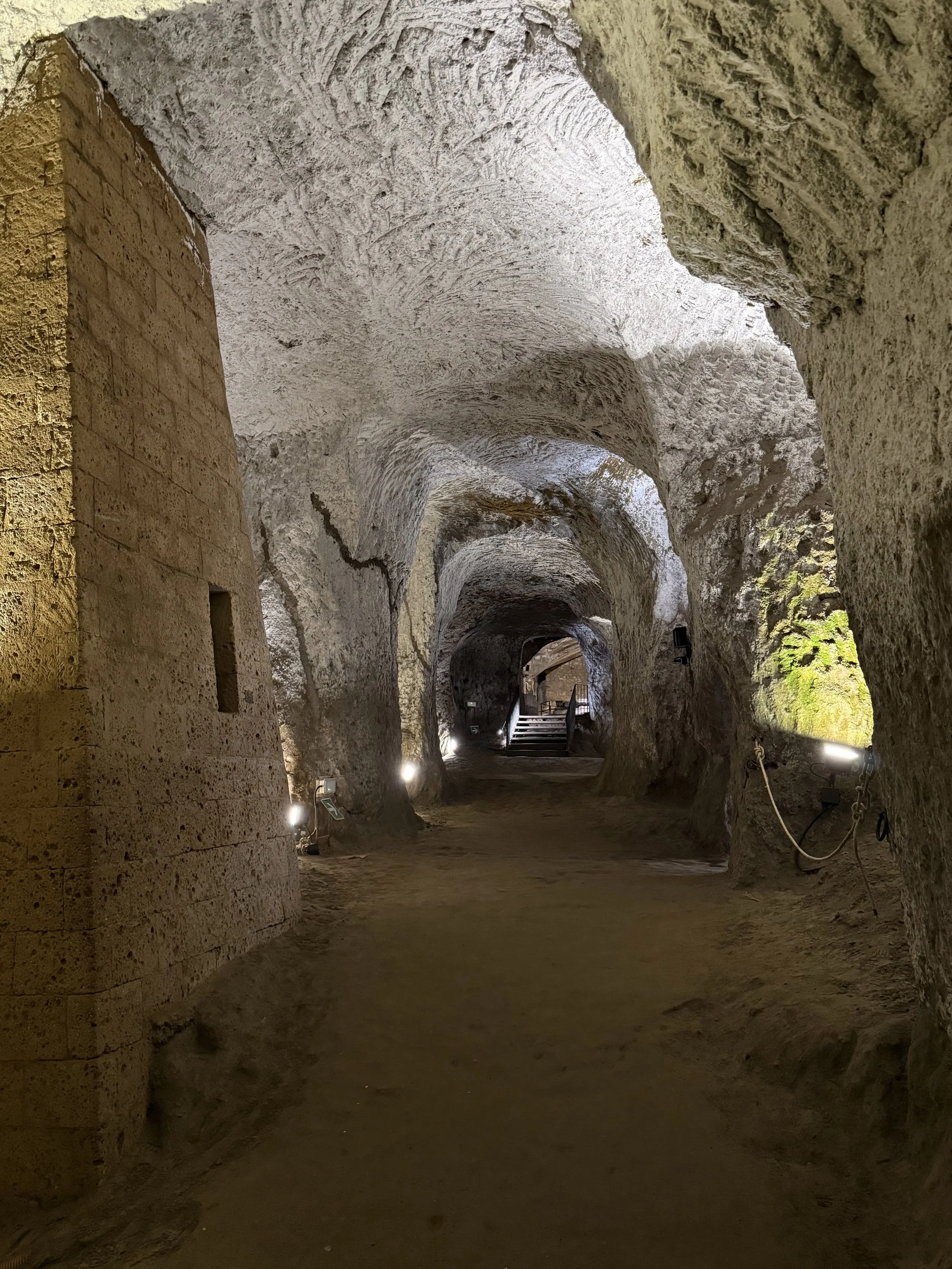
The underground spaces make Orvieto feel layered in time.
The tunnels, chambers, and carved stone passages suggest centuries still physically embedded within the rock itself. Even the silence underground feels different - heavier, older, almost geological.
Contemporary Orvieto
What surprised me most about Orvieto was how naturally contemporary life coexists with history here.
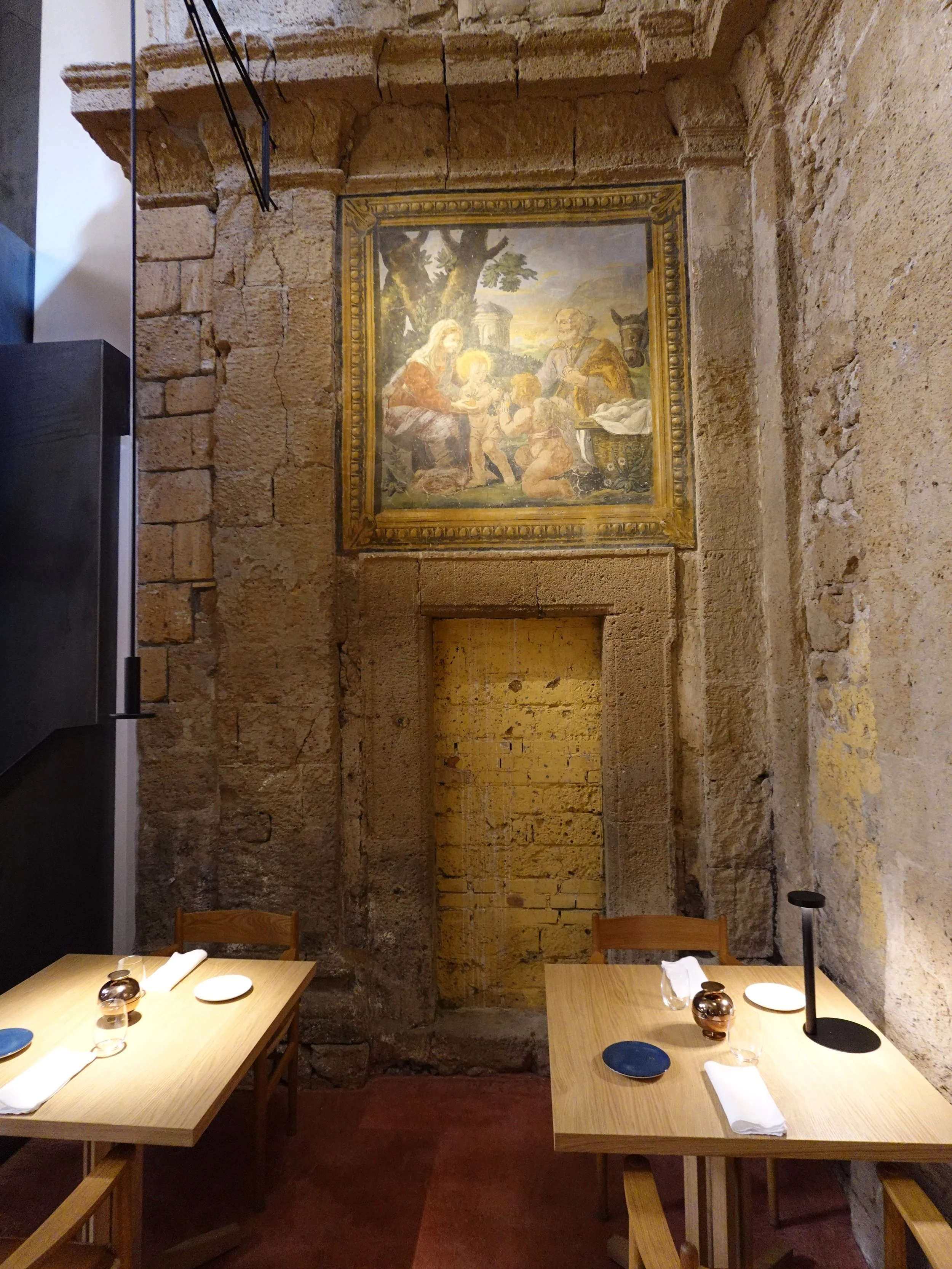
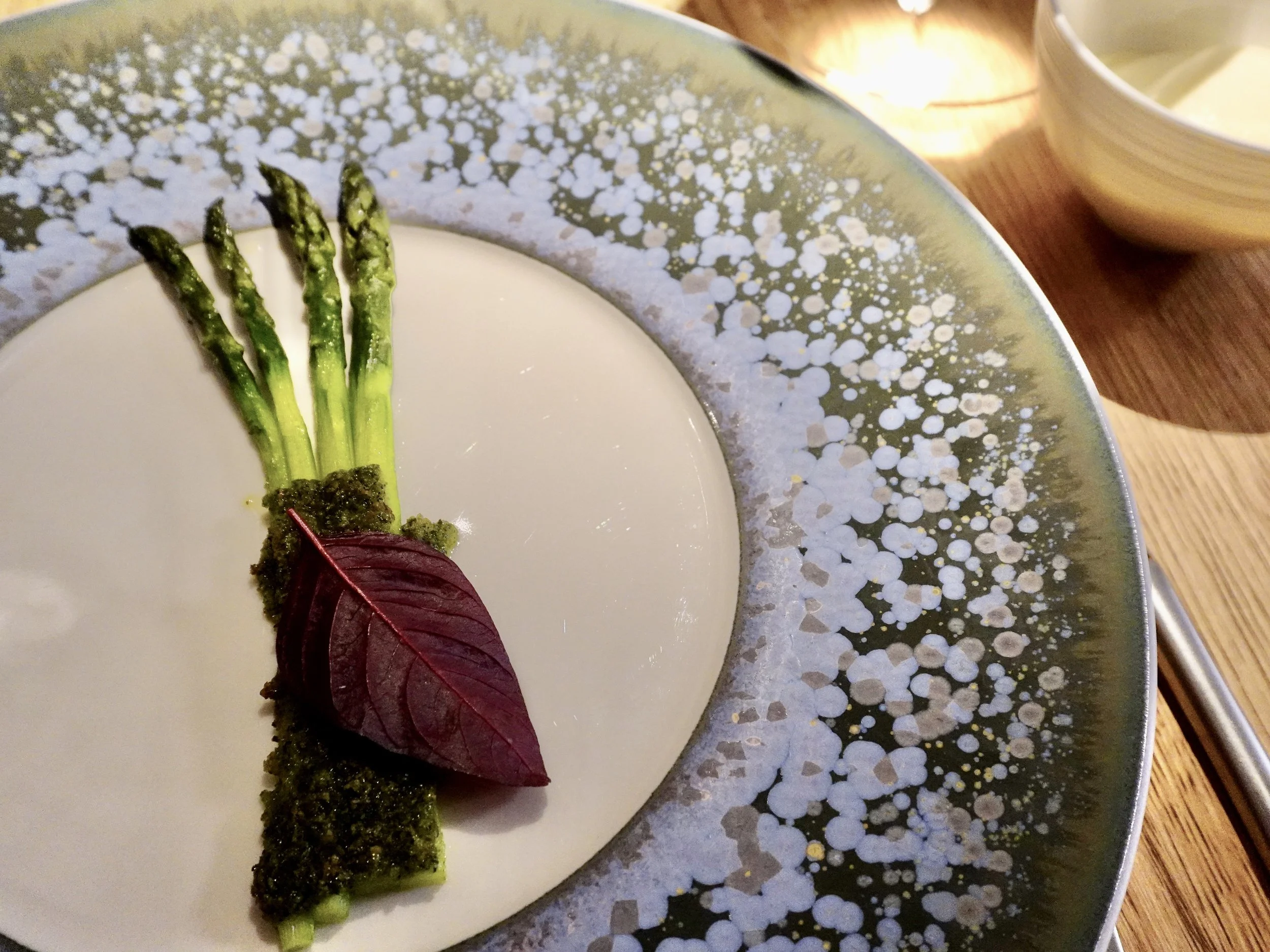
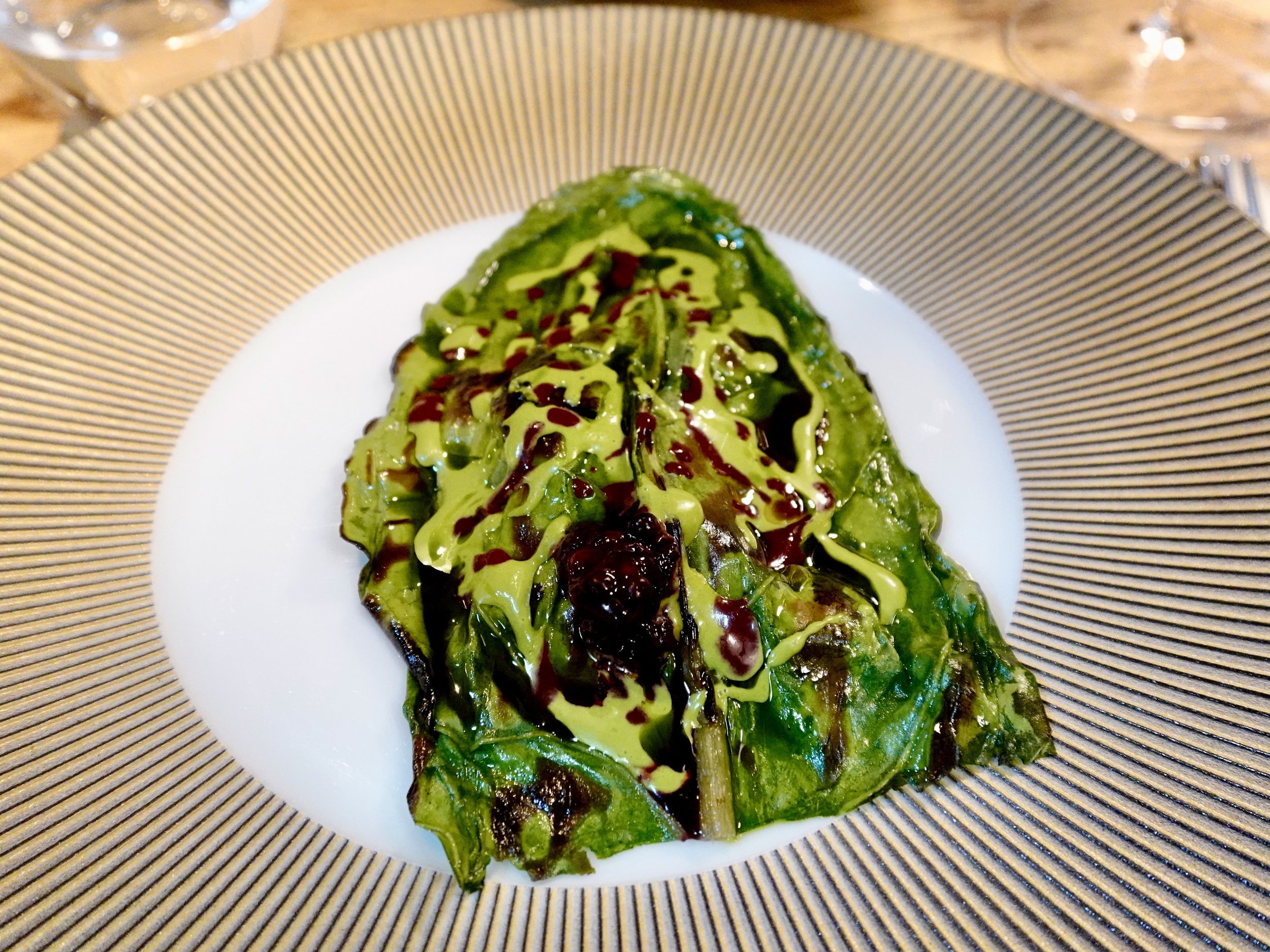
Inside the restored shell of a former church, Coro brings contemporary Umbrian dining into dialogue with centuries-old stone architecture. Rather than reinventing Umbrian cuisine entirely, the dishes felt rooted in seasonality, texture and simplicity, with a touch of elegant aesthetic.
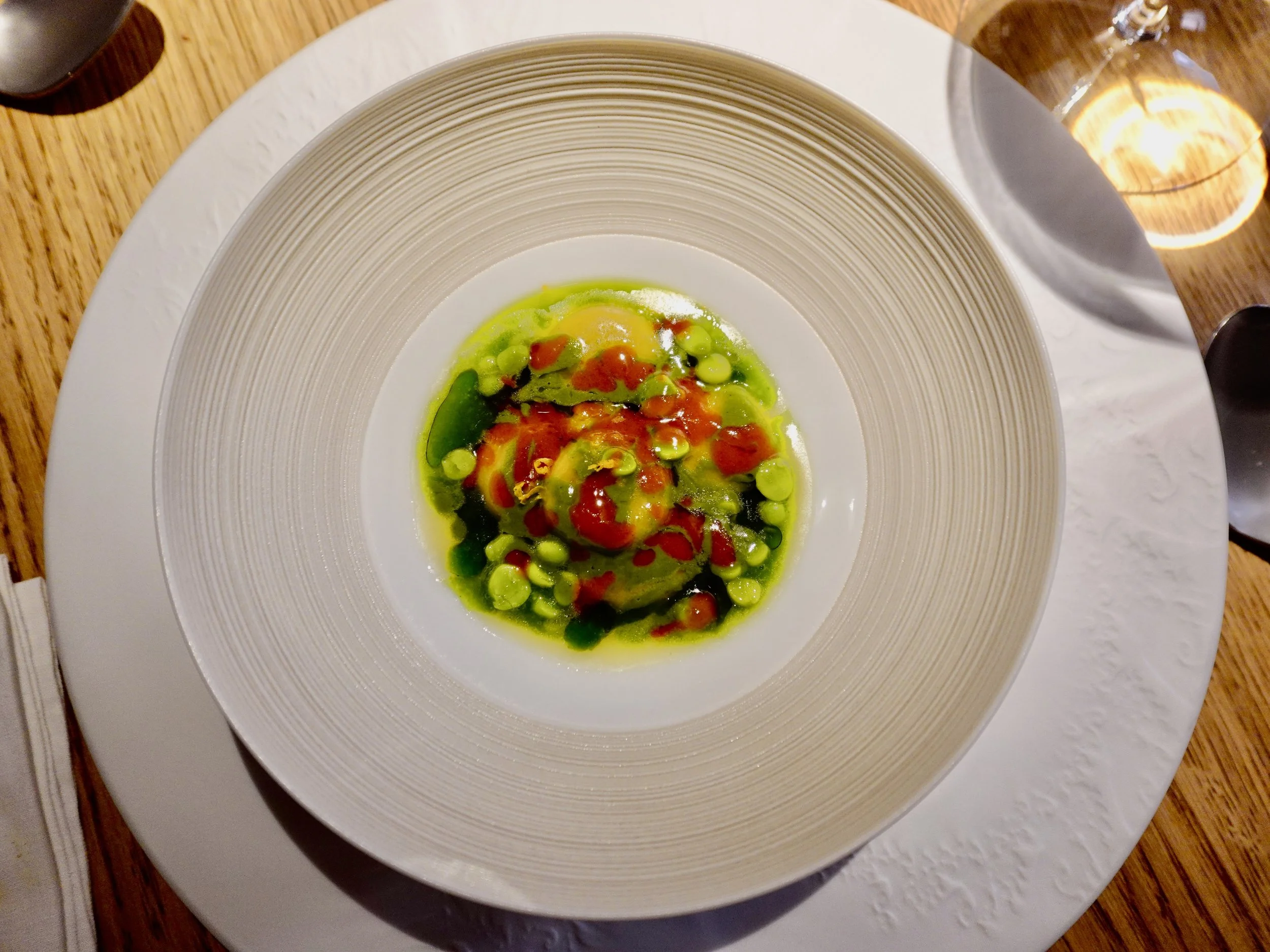
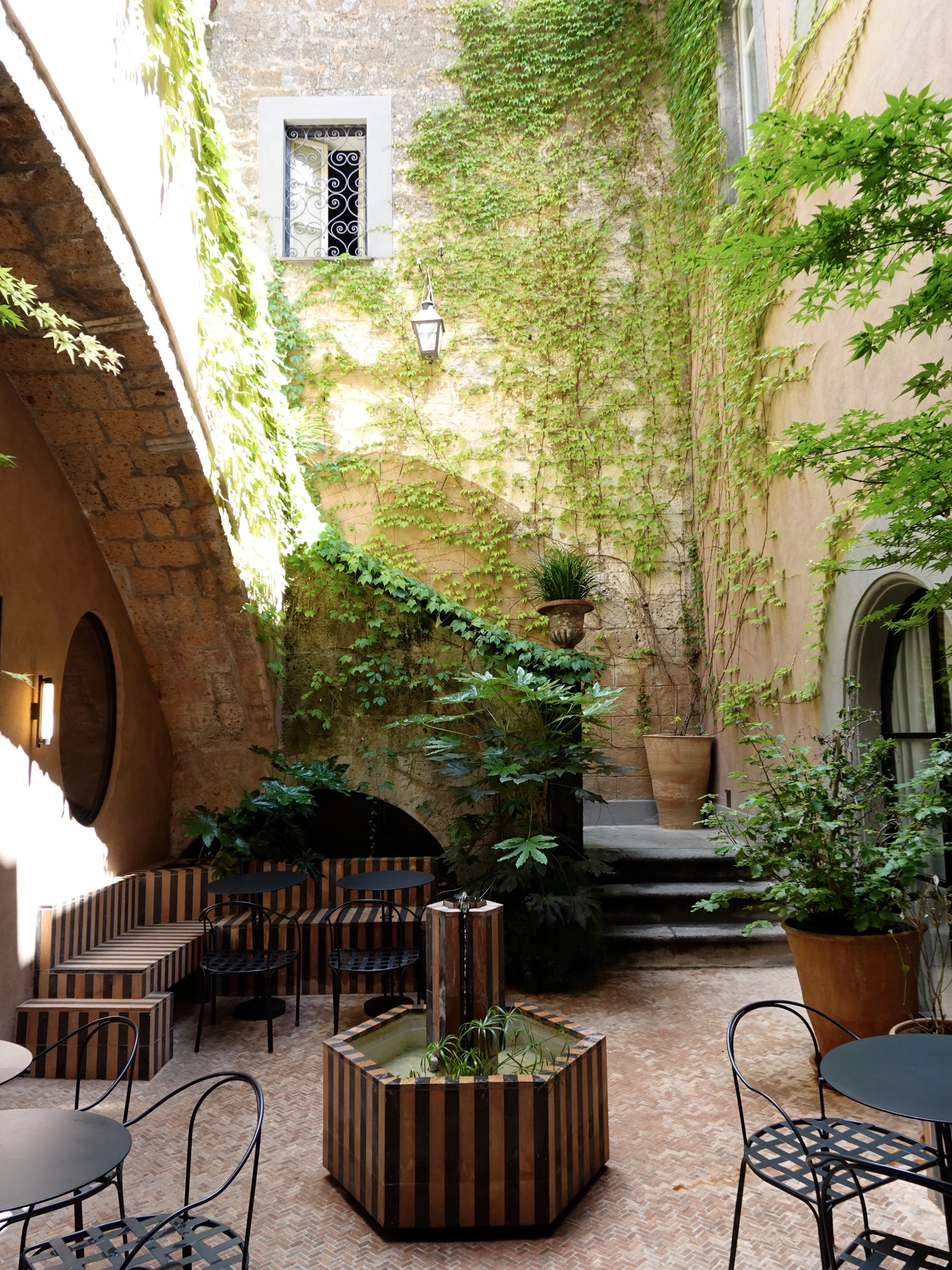
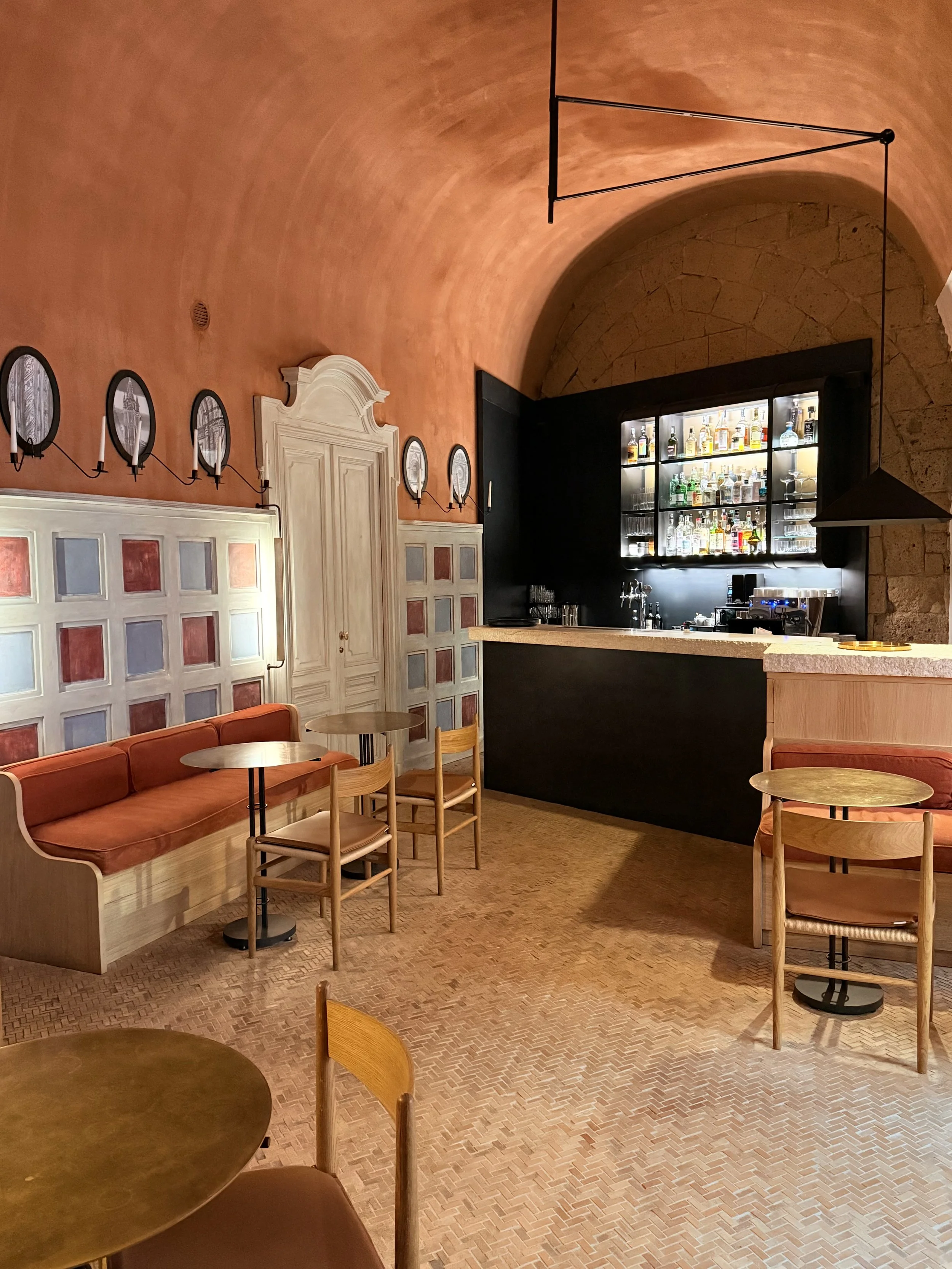
Just beyond, the courtyard of Palazzo Petrvs quietly reflects the evolving design language emerging across parts of Umbria: understated luxury shaped around atmosphere rather than excess.
Stone walls softened by greenery.
Warm terracotta interiors.
Quiet courtyard designed not to impress loudly but to slow you down and to observe these fine details.
It felt entirely aligned with the rhythm of Orvieto itself.
Tra cielo e pietra, Orvieto sembra sospesa nel tempo.
Between sky and stone, Orvieto seems suspended in time.
What makes Orvieto memorable is difficult to summarize neatly.
It is not only the cathedral.
Or the underground tunnels.
Or the dramatic landscapes surround it.
It is the coexistence of all these things within a town that still feels deeply intact.
Orvieto never tries too hard to seduce visitors. And perhaps that is precisely why it lingers in the mind longer after leaving.
Some places impress immediately and disappear just as quickly.
Others unfold slowly over time.
Orvieto belongs firmly to the second category.
From Umbria
Unless otherwise credited, all photography and written content are original works by Foodie Goes Travel.
