Understanding Umbria
A Few Things to Understand Before Visiting
Some places ask to be admired. Others simply ask to be understood.
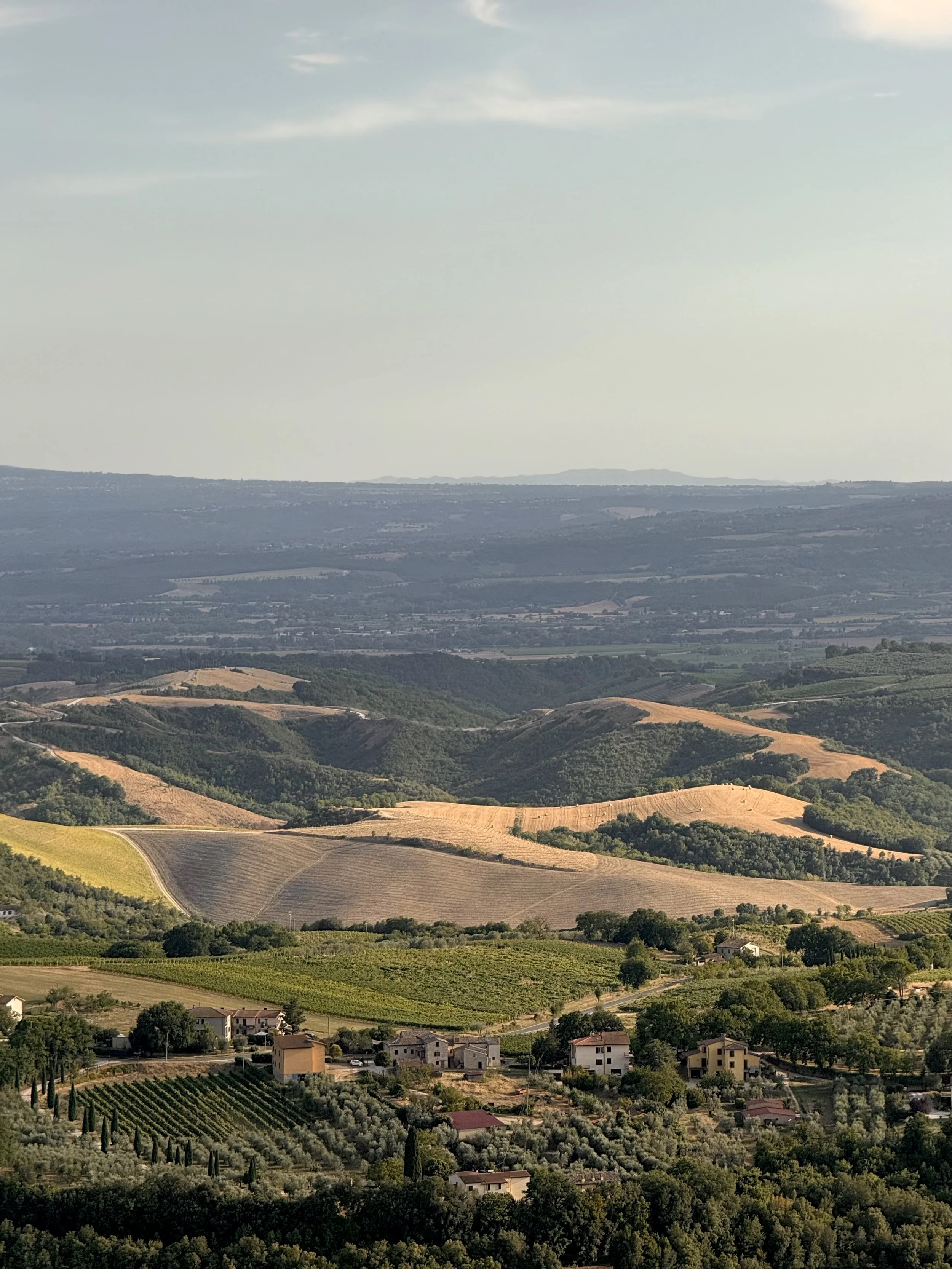
Since launching Foodie Goes Travel, many of the stories I’ve shared have unfolded here in Umbria: a concert beneath the Duomo in Spoleto, tomatoes ripening in the summer garden, and the ordinary rhythms of life in this part of Italy.
Through those stories, readers have gradually come to know the place I now call home. And one question appears more often than any other:
“I’m thinking of visiting Umbria. What should I know before I come?”
Before talking about where to stay, how to get around or how many days to allow, there is something more useful to understand.
Not how to visit Umbria.
But what kind of place it is.
Once that becomes clear, much of the rest begins to make sense.
Umbria is countryside first, destination second.
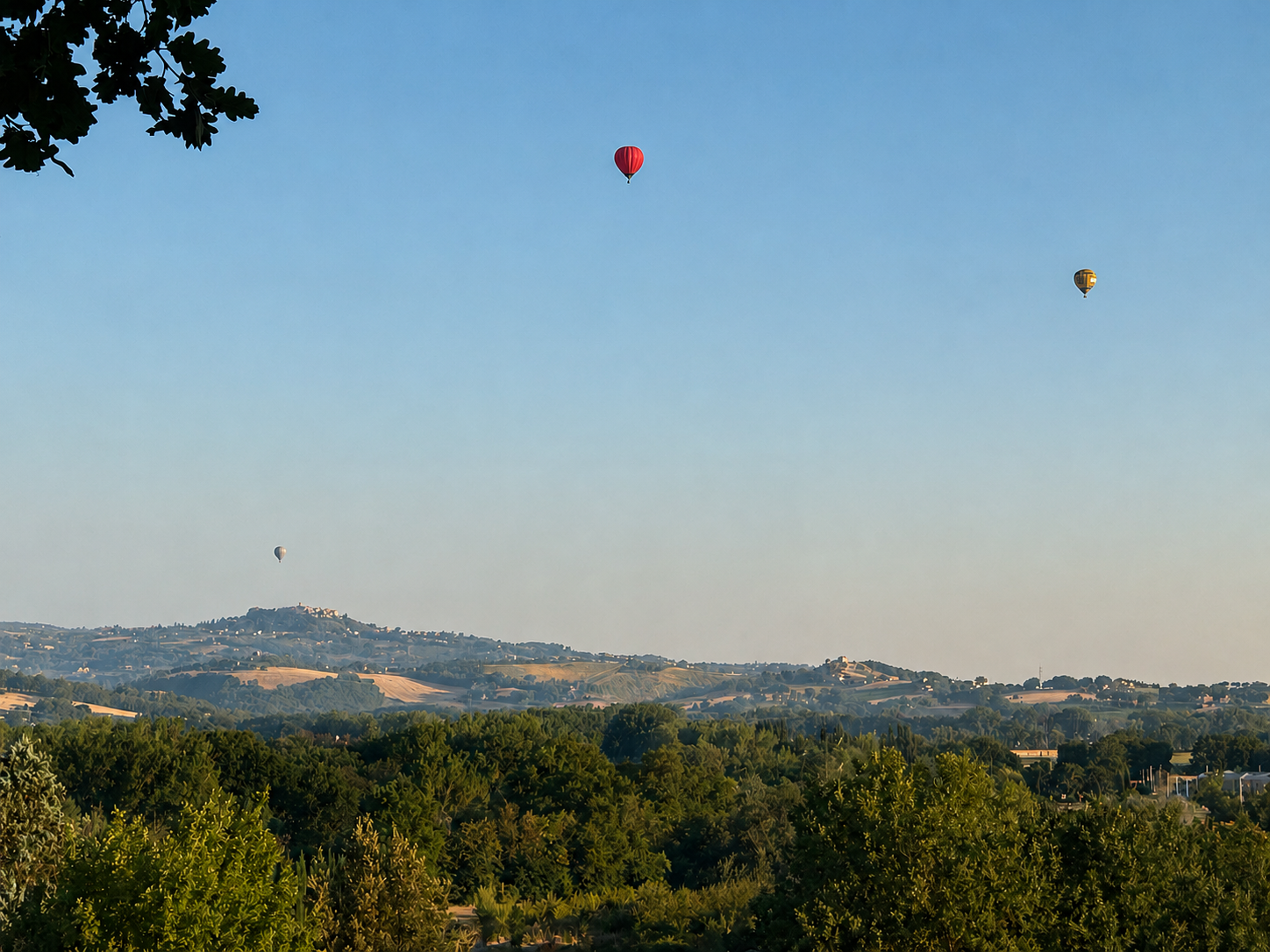
A summer morning over the Tiber Valley, as hot-air balloons drift towards Todi.
The easiest way to misunderstand Umbria is to approach it as you would Rome, Florence or Milan.
Those cities are immediately legible to a visitor. You arrive, step outside, and much of what you have come to see is already around you.
Umbria works differently.
It is a region of forests, vineyards, olive groves, farmland and hill towns, with everyday life spread across the spaces between them. Much of what makes it rewarding is not concentrated in one place.
That distinction explains much of the experience of travelling here.
Why distances matter.
Why lunch can still shape the rhythm of a day.
Why what happens between destinations can matter as much as the destinations themselves.
Umbria isn’t trying to entertain you every minute.
For many travellers, Umbria comes later.
Umbria is rarely someone’s first encounter with Italy.
More often, it comes after Rome or Florence, Venice or the Amalfi Coast — after the places that have already shaped their idea of Italy.
And sometimes, after several visits, curiosity begins to shift.
You are no longer looking only for what Italy is famous for. You begin wondering what else the country looks like, how people live beyond its most visited places, and what changes when tourism is less dominant in everyday life.
That is often where Umbria enters the picture.
Not because it is better than Italy’s famous destinations, but because it offers another perspective on the same country.
The countryside is not a backdrop.
One of the first things visitors notice in Umbria is how little separation there is between daily life and the landscape.
Nature isn’t somewhere you drive to visit. It is simply where much of life happens.
You drive through vineyards on the way to lunch. Swallows sweep across the evening sky. Church bells mark the hour while, somewhere beyond the hills, a tractor is still at work.
The absence of constant urban noise can feel striking at first. It isn’t emptiness; the countryside simply allows smaller sounds to register.
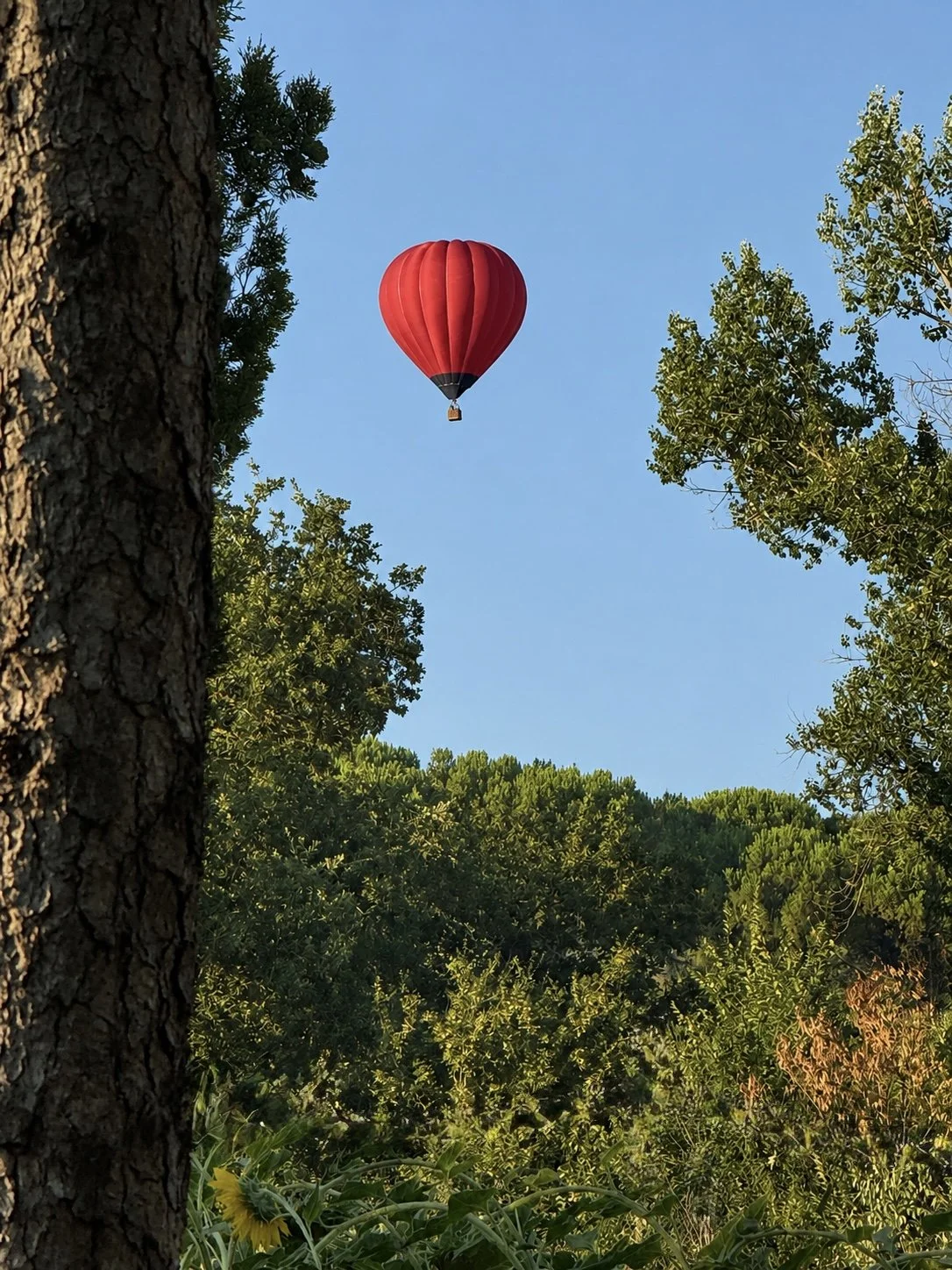
If you enjoy walking, hiking or cycling, you don’t need to set aside a separate day for nature. The countryside is already part of the journey.
Getting around changes the trip.
Public transport can work well when your plans centre on the larger towns. Once you move into the countryside, things become less straightforward.
Many wineries, agriturismi, rural restaurants and smaller villages are easiest reached by car, while private drivers are generally better arranged in advance.
A car doesn’t simply make travelling easier. It gives you access to the Umbria that exists between the towns.
Distances can also be deceptive. Somewhere that appears close on a map may involve narrow roads, bends and long climbs towards a hill town. Give yourself more time than the distance alone might suggest.
I’ve also learned not to pack too much into a day. A town in the morning, a long countryside lunch and another stop later in the afternoon can already make for a very full day.
One practical habit I’ve developed is downloading my route before leaving. Mobile coverage is generally reliable, but in wooded valleys and more rural areas, the signal can still disappear. It is a small precaution that makes exploring the countryside considerably easier.
Hospitality often feels more personal here.
Visitors accustomed to international hotels may notice that hospitality in Umbria can operate differently, particularly in smaller family-run properties and agriturismi.
Service is not always standardised in the way it might be at a large international hotel. The person welcoming you may also be the owner. Breakfast might be prepared by a member of the family. A restaurant recommendation may come from someone who has lived in the area all their life.
That informality should not be confused with a lack of care. At its best, hospitality here feels direct and human. Conversations develop easily, recommendations become personal, and the boundary between host and guest can feel less rigid.
At the same time, Umbria’s hospitality landscape is changing. More ambitious hotels and restored estates are introducing more formal service standards and an increasingly international approach.
Personal hospitality and professional hospitality are not opposites. The best places increasingly understand how to offer both.
I explore this changing hospitality landscape further in [Before Umbria Becomes a Brand].
A few Italian words go a surprisingly long way.
Outside the larger towns, English is not always as widely spoken as it is in Italy’s major visitor destinations.
That rarely prevents a conversation from happening.
A smile.
A little patience.
A few words of Italian.
A translation app when necessary.
Or simply pointing at the pastry you’d like.
Most of the time, both sides simply find a way.
Shopping becomes more about provenance.
Umbria is not a region defined by major shopping streets or international luxury brands.
That absence changes the way you shop.
The question gradually shifts from “Which brand is this?” to “Who made this?”
You begin noticing the hand-painted ceramics in a small workshop, the weight and texture of a locally made textile, or olive oil made from olives grown on the hillsides you passed earlier that day.
In places dominated by global retail, recognition often comes first. Here, material, maker and origin tend to matter more.
You may still leave with something beautiful. You are simply more likely to remember where it came from.
Spontaneity requires some planning.
Some of the experiences worth seeking out in Umbria work best with a little advance arrangement.
Wineries, cooking experiences, private chefs and drivers may need to be booked ahead, and if there is a particular restaurant or property you especially want to visit, it is worth arranging that first. If you are considering a villa, minimum-stay requirements may also shape your itinerary.
But that doesn’t mean scheduling every hour.
Choose the things that matter most and think of them as anchors rather than a timetable. A winery visit, a long lunch or a dinner reservation can give a day its shape while still leaving plenty of room for whatever you encounter in between.
A little organisation before you arrive often gives you considerably more freedom once you are here.
Umbria is not for everyone.
Umbria is home for me now.
I still leave eager to discover somewhere new. But every time I return, I’m reminded why I chose to live here.
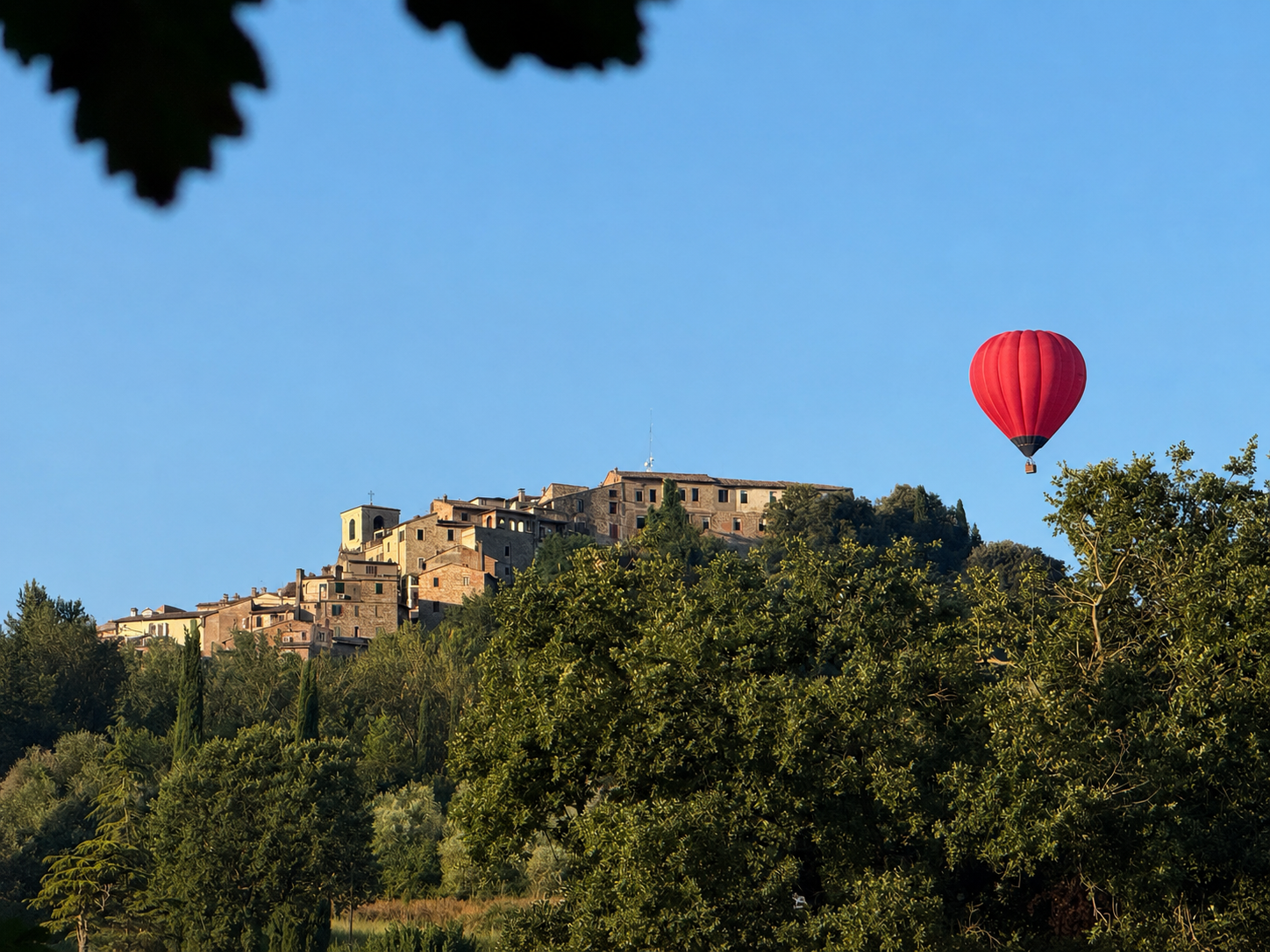
Sometimes, after unlocking the front door, I hear cow bells somewhere beyond the valley. It is a small detail, but one that immediately tells me where I am.
I don’t think Umbria is for everyone.
Some visitors may find it too quiet.
Too rural.
Too dependent on driving.
Those qualities will not suit every traveller — and they do not need to.
If those things sound appealing rather than inconvenient, you will probably understand Umbria very well.
Before you leave, you are invited to sign The Guestbook.
Continue exploring Umbria
If this article has piqued your curiosity, you might also enjoy:
Before Umbria Becomes a Brand - how the region’s hospitality landscape is changing
My Third Summer in Umbria - everyday life beyond the visitor’s perspective
Explore Umbria - stays, restaurants and places I return to
Unless otherwise credited, all photography and written content are original works by Foodie Goes Travel.
