The Performance of Living Well
Words and photograph by JJ Wong
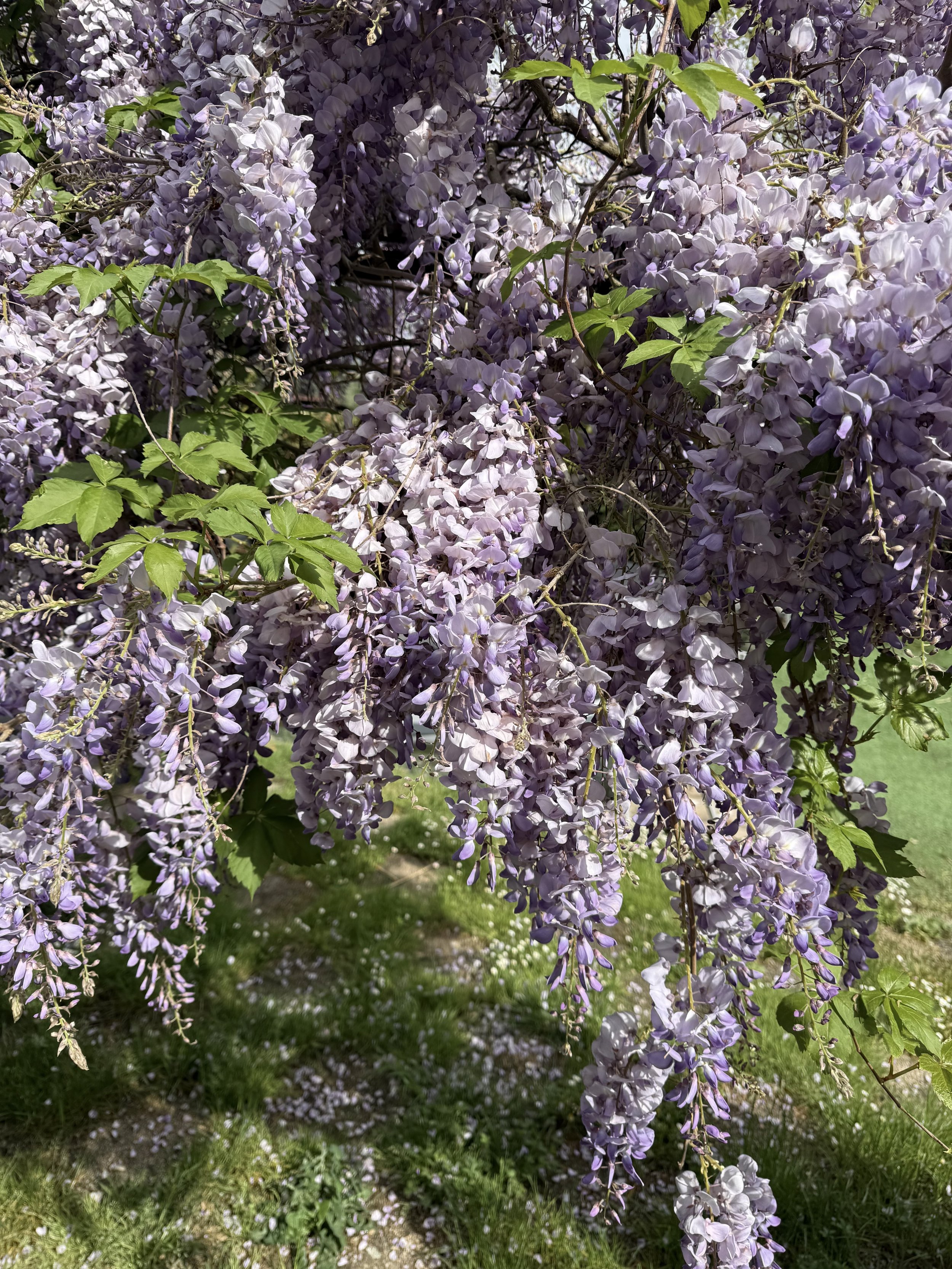
I am writing this beneath the shade of a wisteria plant in my garden in Umbria, listening to birds somewhere beyond the olive trees while warm wind moves quietly through the afternoon.
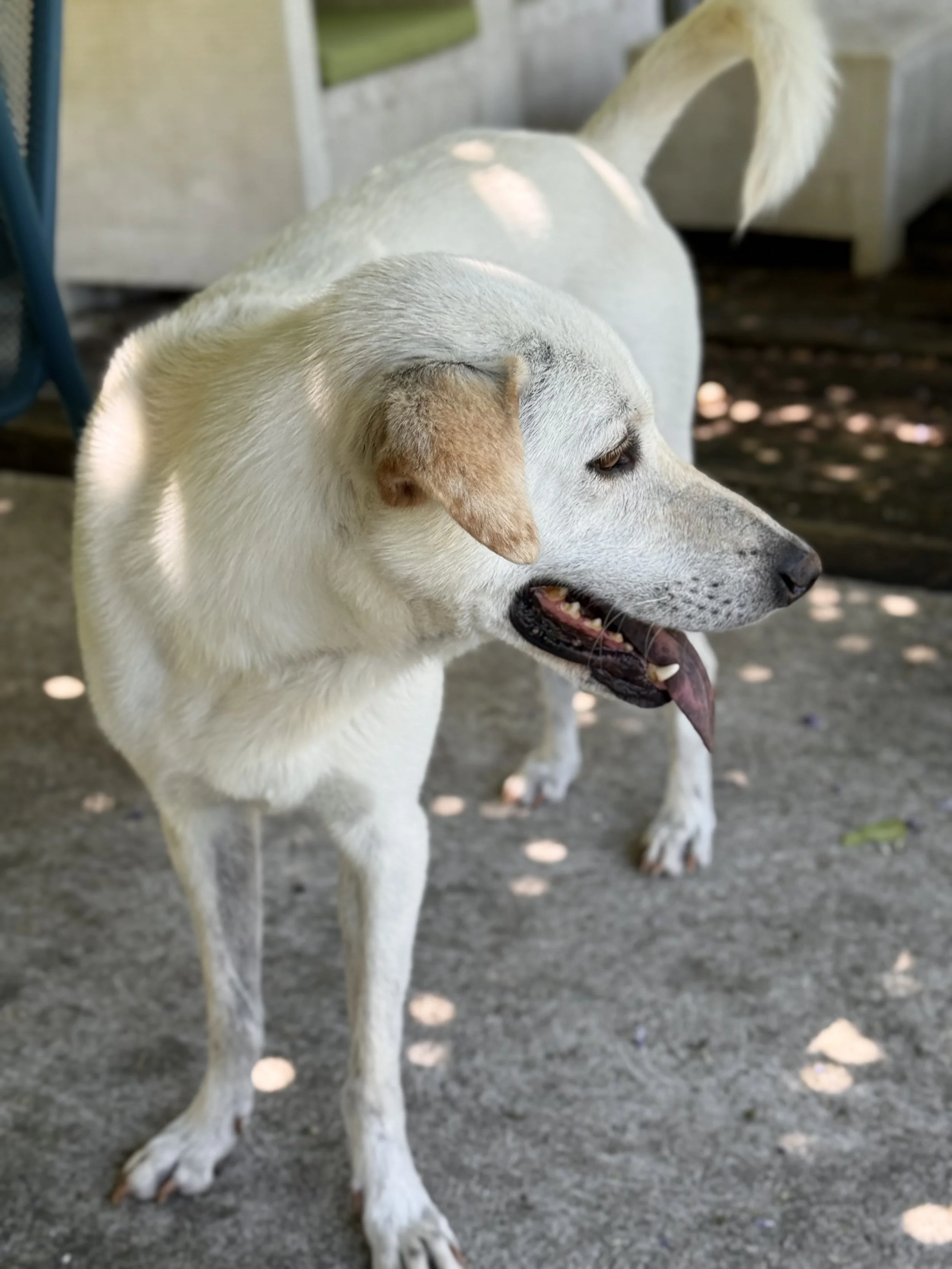
Every so often, Charlie interrupts the stillness by barking enthusiastically at passing shadows or leaves drifting across the garden before settling down again.
Perhaps it is this atmosphere that led me to reflect on the way we travel now: always searching, comparing, optimizing and documenting, yet often struggling to remain fully present inside the places we once longed to experience.
Modern travel promises endless possibility.
We are told that the world has never been more accessible, more curated, more beautifully documented. Every city now arrives pre-labelled long before we land: the most instagrammable café, the hidden restaurant everyone already knows about, the neighbourhood now described as “authentic”, the hotel lobby designed to appear effortless and aspirational at the same time.
Somewhere along the way, travel itself became increasingly performative.
Experiences are no longer simply lived. They are anticipated, evaluated, photographed, ranked and shared - often before they are fully felt.
Perhaps this explains why so many people return from beautiful places carrying a strange sense of restlessness despite having experienced everything they once desired.
Perhaps the issue is not familiarity itself - after all, comfort, warmth and emotional connection are part of why certain places stay with us.
But increasingly, travel can become shaped by the expectation that foreign places should continuously mirror our existing preferences, habits and ideals of comfort.
Coffee becomes judged against coffee back home. Cities become measured through convenience and efficiency. Entire cultures are sometimes reduced to whether they fit comfortably within personal expectations.
And in doing so, we sometimes stop allowing places to surprise us on their own terms.
The irony is that travel was never meant to reproduce comfort perfectly.
Part of experiencing a place is accepting that it possesses its own rhythm, emotional atmosphere and cultural logic beyond our expectations.
The meal may arrive slower.
The streets may feel quieter.
People may interact differently with time itself.
And perhaps that is precisely the point.
Perhaps this is also why the modern travel increasingly creates a subtle sense of anxiety beneath the excitement.
Every city now arrives accompanied by endless lists:
Top 10 Restaurants You Must Book,
The Cafés You Cannot Miss,
The Hidden Neighbourhoods (no longer hidden),
…..
Recommendations can be genuinely useful, of course.
I am not entirely against lists, rankings or carefully researched places. I still save restaurants. I still become curious about beautiful hotels. I still fall into the excitement of discovering somewhere new.
But increasingly I wonder whether the culture surrounding travel now encourages a quieter fear of missing out rather than deeper presence.
The fear of choosing the wrong café.
The fear of wasting a meal.
The fear of not experiencing the “best” version of a city.
And so people move constantly toward the next recommendation, the next reservation, the next supposedly unforgettable experience.
Sometimes with so much anticipation attached to a place that reality itself can no longer satisfy the fantasy built around it.
Wouldn’t it be wonderful to occasionally experience a place without needing it to become exceptional?
To enjoy a city not because it ranks highly, but because something about its atmosphere quietly stays with you.
As I write this, I realise I am also reminding myself to become more aware not only of the way I travel, but of the way I move through life more generally.
To leave more room for uncertainty.
To walk without always searching.
To allow experiences to unfold before deciding whether they were important.
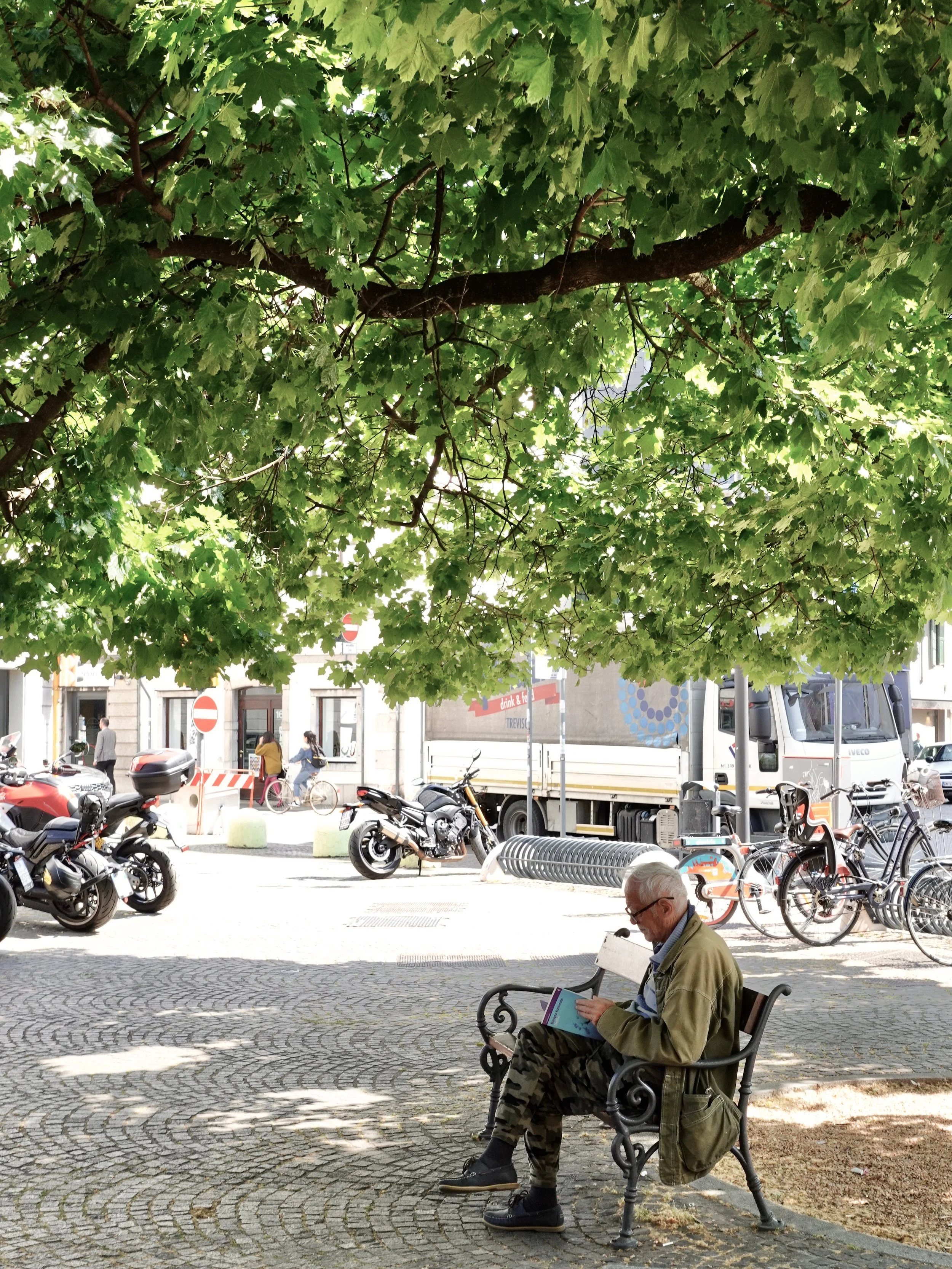
I have noticed that my own approach to travel increasingly moves against the pressure to optimise experience.
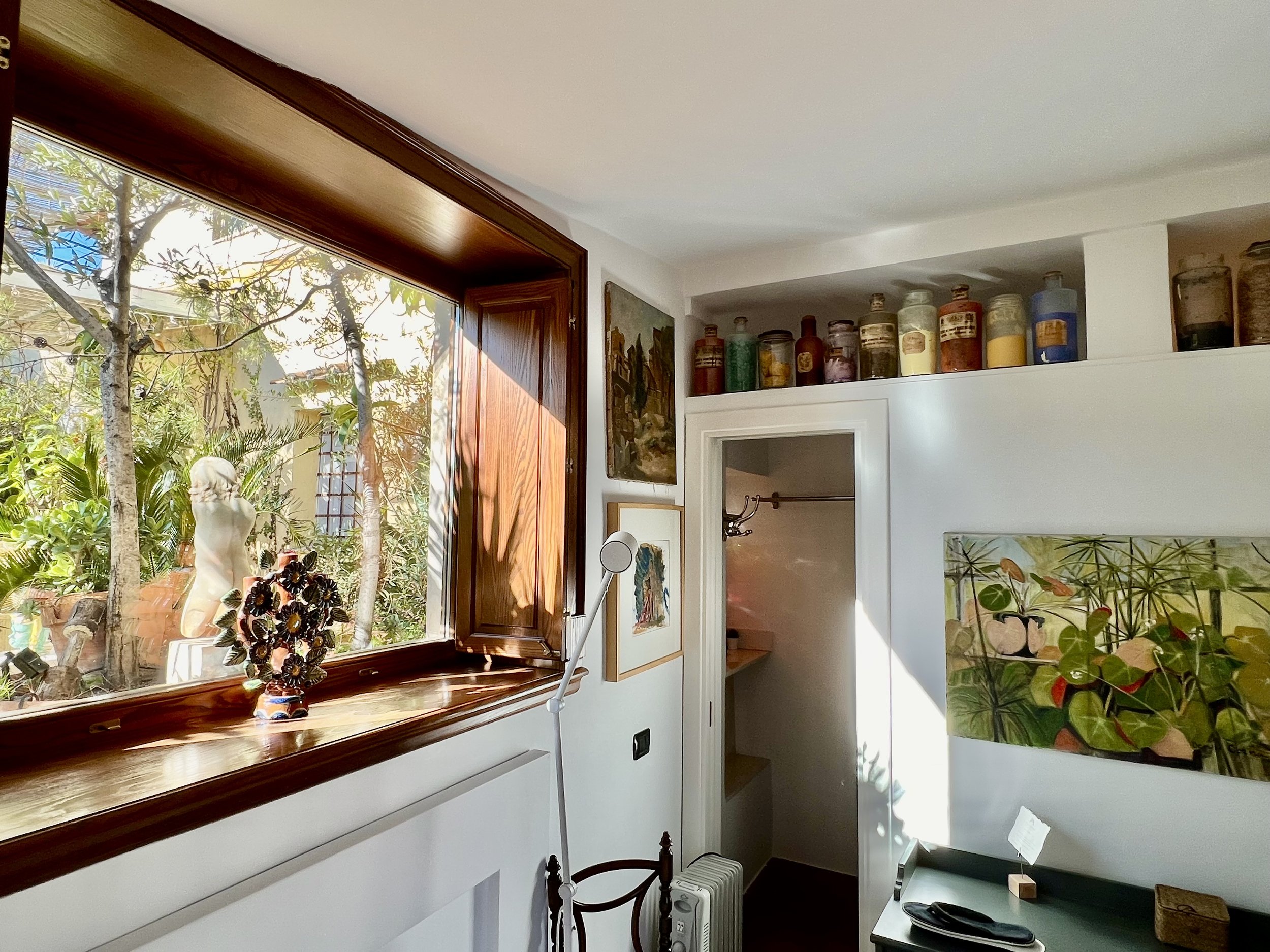
When selecting places to stay, I rarely begin with major international chains. Instead, I search for smaller family-run boutique hotels, old residences or thoughtfully designed guesthouses.
Not because one form of hospitality is morally superior to another, but because I am drawn toward places that still feel shaped by individual character rather than replication.
I look for hotels slightly removed from the main tourist streets yet close enough to walk into the life of a city. Somewhere calm. Somewhere human in scale.
Places where mornings start gently rather than efficiently.
A breakfast room where the owner remembers returning guests.
A corridor carrying the scent that would bring back memories after the stay.
Windows opening toward ordinary neighbourhood life instead of spectacular landmarks.
Increasingly, uniqueness feels rarer than luxury.
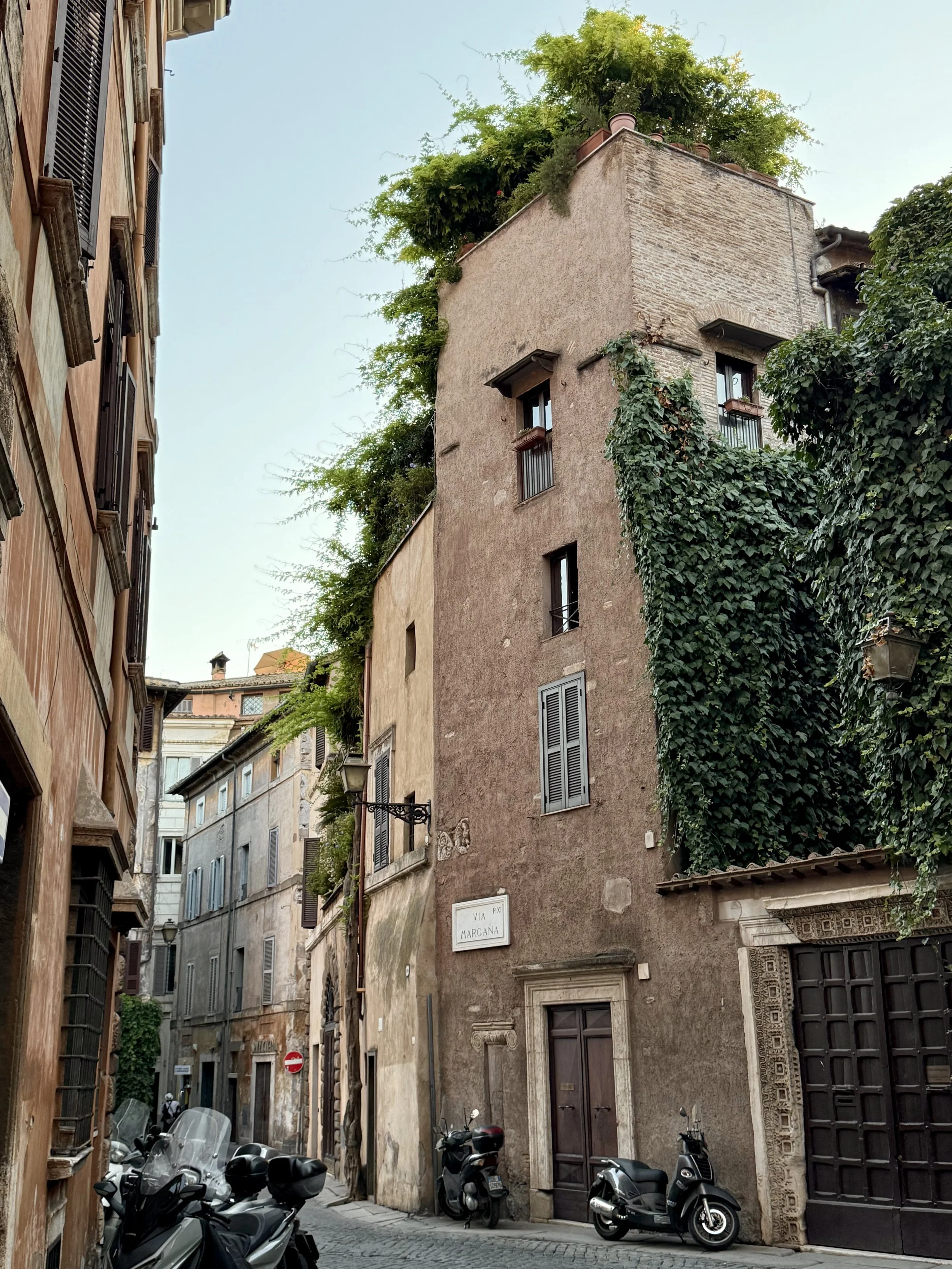
And perhaps most importantly, I prefer exploring cities on foot.
Walking changes the pace at which a place reveals itself.
Inside a car, cities become scenery. On foot, they become emotional landscapes.
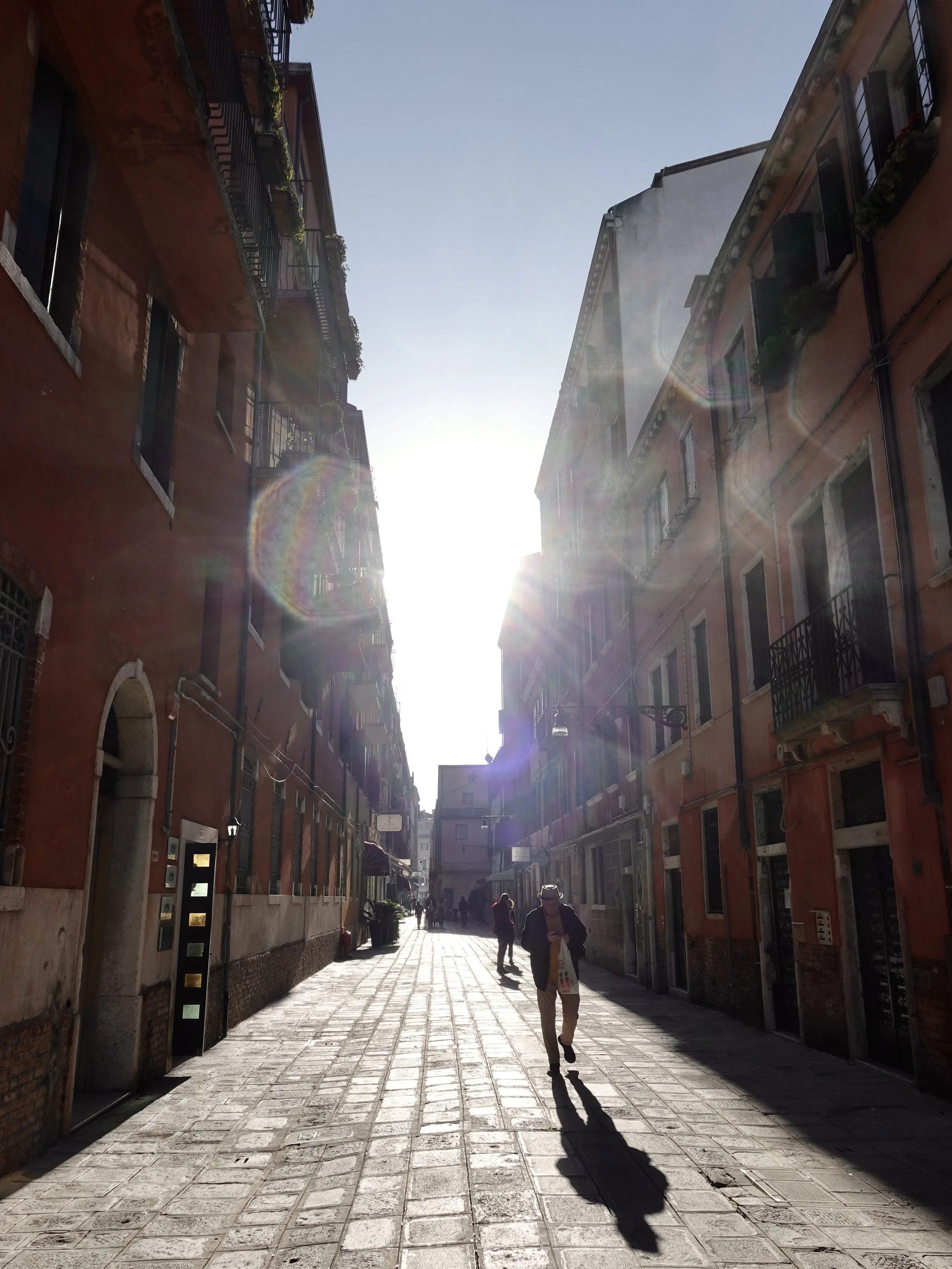
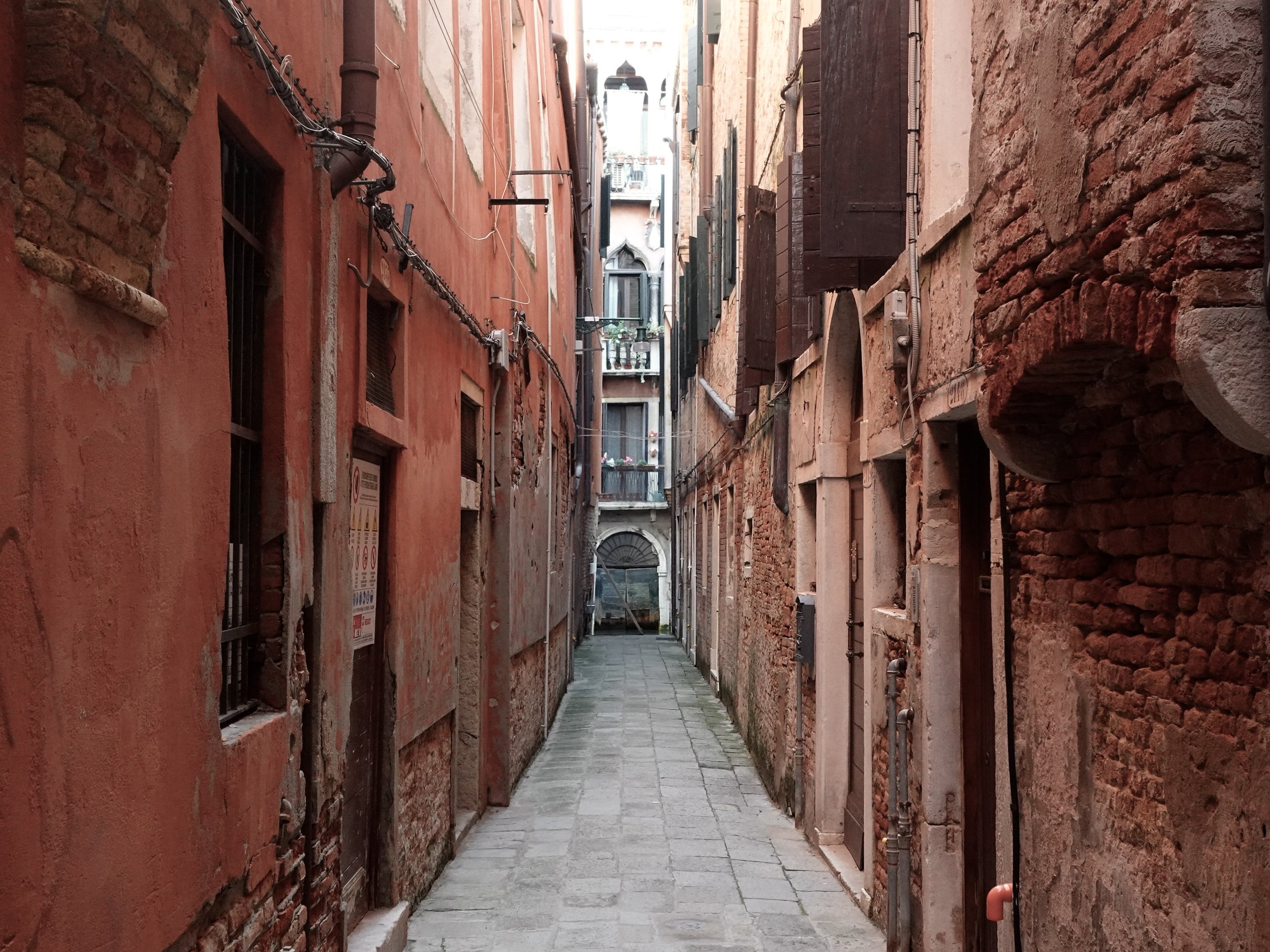
You begin noticing details impossible to experience through itineraries alone: the faded colour of shutters beneath afternoon light, the tired expression of a waiter nearing the end of service, elderly neighbours speaking across narrow streets, teenagers lingering outside convenience stores, someone quietly arranging fruit outside a small shop.
Travel becomes less about extraction and more about observation.
Sometimes I realise I remember emotional atmospheres more vividly than monuments themselves.
The heaviness of silence inside certain towns, like the ones in the region I live in.
The warmth of a crowded bakery.
The visible exhaustion on faces inside major cities.
The softness of evening light in places where life still moves slowly.
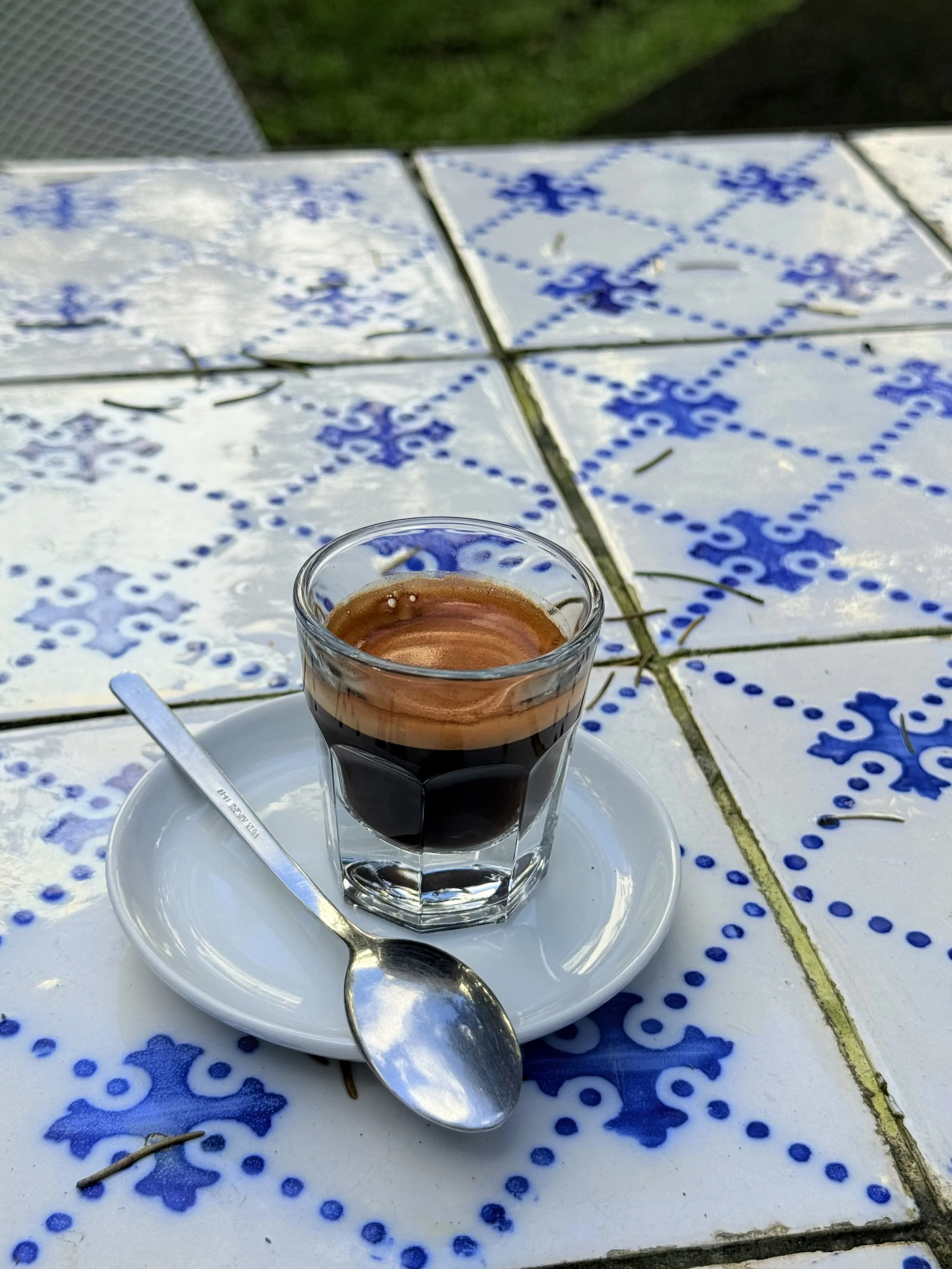
Many of the photographs that appear on Foodie Goes Travel were not taken with a specific article in mind.
Most were captured quietly over the years without knowing whether they would ever be used at all.
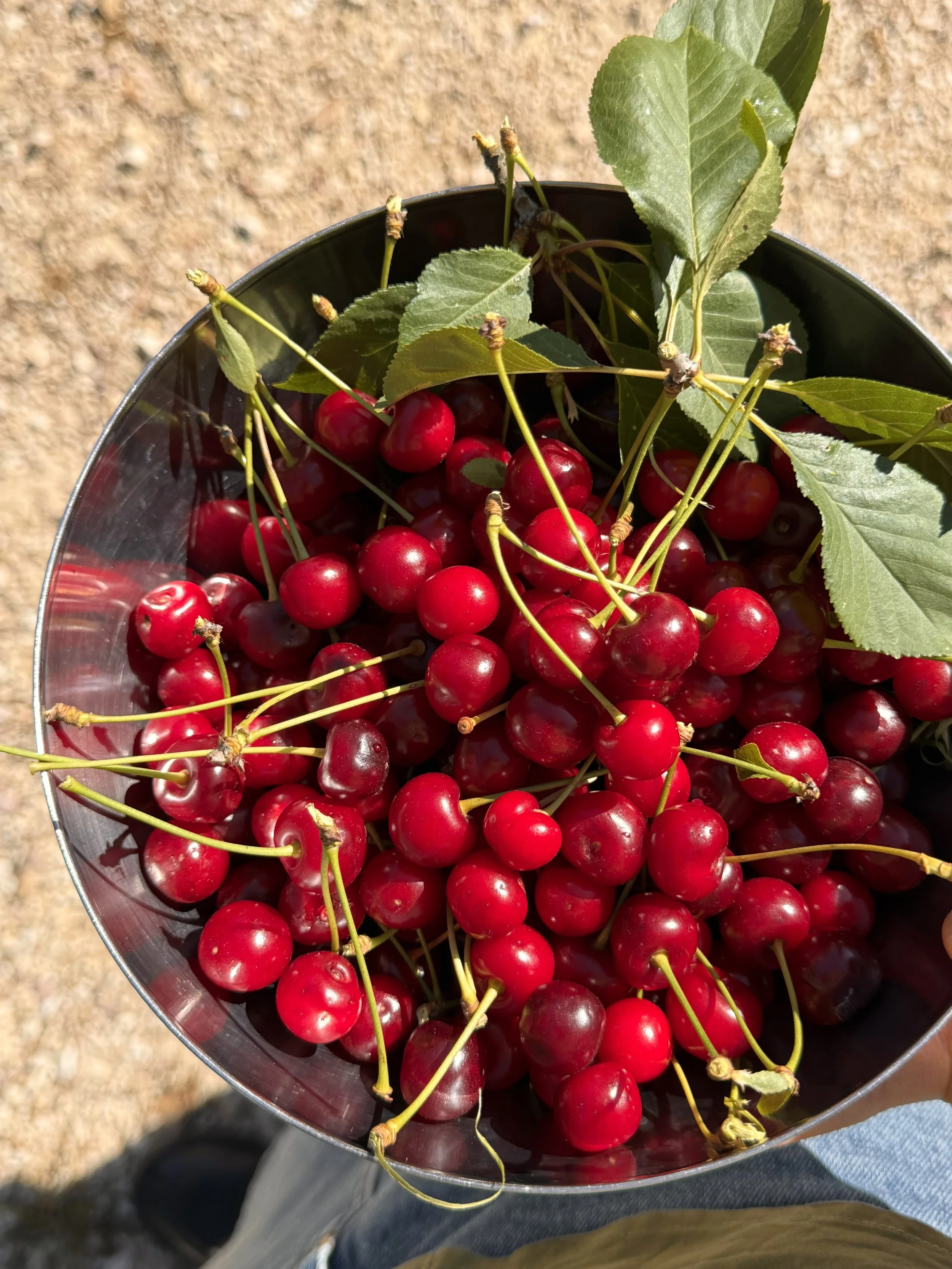
A bowl of cherries left on a table.
Light falling briefly across a stone wall.
An elderly man waiting outside a café.
Or simply a cup of espresso.
Often, only much later while writing do I return to old photographs and realise certain images still carry the emotional atmosphere of a particular moment.
Perhaps this also explains my relationship with photography itself.
I rarely travel with a fixed visual agenda. I am less interested in capturing proof that I visited somewhere than in noticing fragments of feeling as they naturally appear - colours, gestures, fatigue, warmth, silence, human rhythm.
Sometimes the photographs that remain most meaningful are technically imperfect.
Slightly blurred.
Poorly framed.
Taken quickly before a moment disappeared.
But perhaps that imperfection is precisely what allows them to feel alive.
Perhaps this is also why I struggle with the modern obsession surrounding the “perfect” travel experience.
The perfect restaurant reservation.
The perfect hidden place.
The perfect photograph.
The perfect itinerary.
But what exactly defines a perfect experience?
A difficult reservation?
A luxury hotel?
An uninterrupted sunset?
The ability to make others briefly envy your life online?
Perfection in travel often feels strangely fragile because it depends heavily on control.
The weather cooperating.
The crowd disappearing.
The restaurant meeting expectations already constructed long before arrival.
And when reality inevitably interrupts the fantasy, disappointment follows.
But the moments that stay with us most deeply are often imperfect and entirely unplanned.
Getting slightly lost while walking.
A conversation after closing time.
The relief of unexpected kindness in a foreign place.
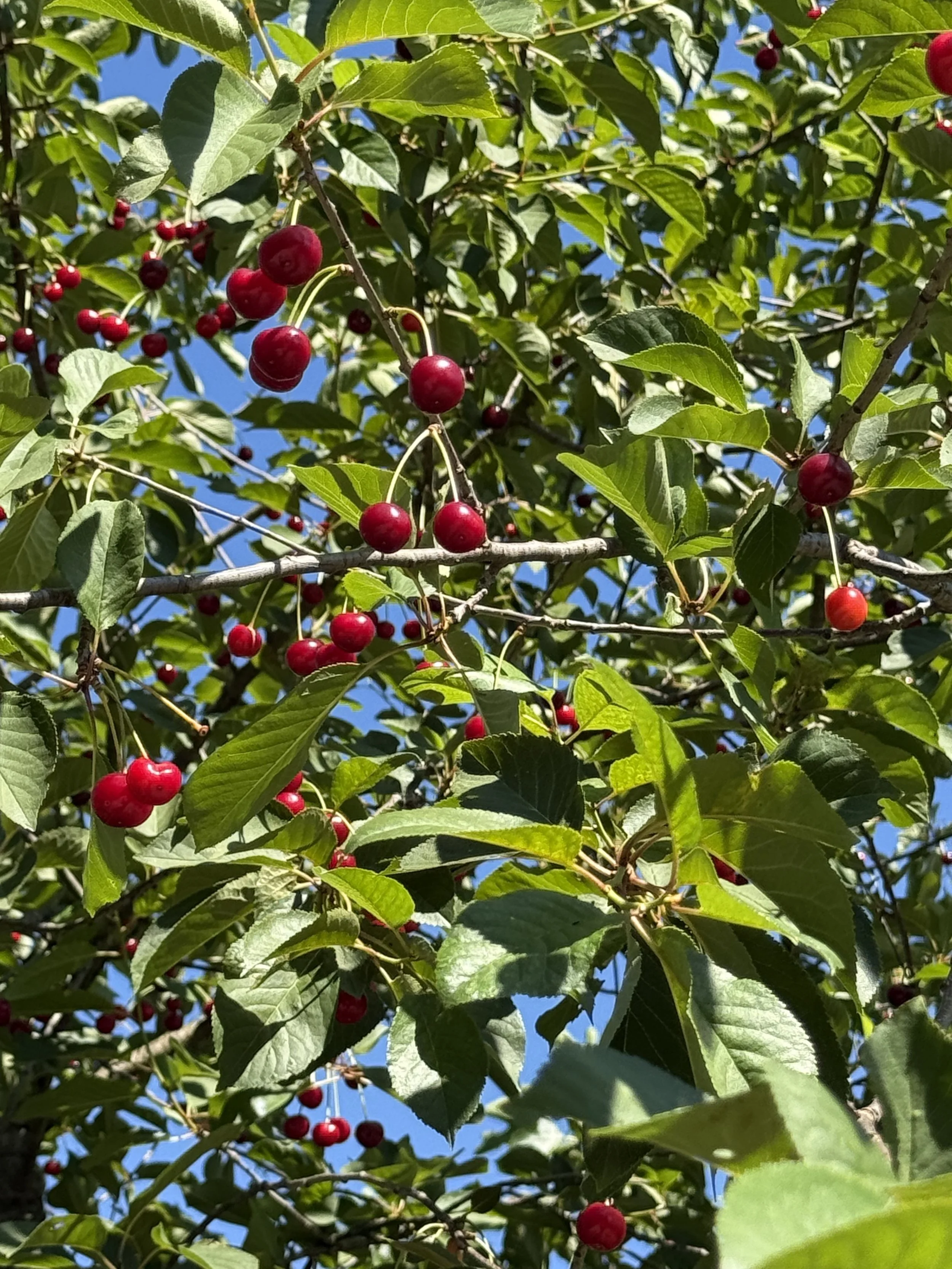
A bowl slowly filling with cherries beneath a tree.
These moments resist performance because they were never designed for display.
For a long time, I delayed creating Foodie Goes Travel because I believed it needed to emerge perfectly formed.
The right writing style.
The right visual identity.
The right photographs.
The right clarity of purpose.
Perfectionism disguised itself as preparation.
But in reality, it prevented me from finally exploring something that deep down I had felt drawn toward for years: documenting the emotional texture of food, travel and place.
And perhaps this mirrors something much larger about modern life itself.
We have become increasingly skilled at curating appearances of meaningful living while growing more disconnected from presence.
Even slowness now risks becoming aestheticised.
Brands speak fluently about ritual, authenticity, craftsmanship and mindfulness. Hotels sell tranquility. Cafés sell atmosphere. Entire lifestyles are built around the visual language of calm.
And yet beneath much of this still exists the same machinery of optimisation, performance and endless consumption.
This does not necessarily make these experiences dishonest.
Some spaces genuinely are beautiful.
Some meals genuinely move people.
Thoughtful hospitality matters deeply.
But perhaps the deeper question is whether we still know how to encounter beauty without immediately transforming it into identity, status or proof of taste.

Maybe this is why the experiences that remain meaningful often feel unexpectedly small.
A local bar where nobody speaks English.
A train station at dusk.
Tomatoes warming beneath summer sunlight.
A nonna selecting fruit carefully at a market.
A rainy afternoon inside an unfamiliar city.
Moments too ordinary to become performance.
Perhaps real travel still exists there:
Not chasing perfection, but in allowing ourselves to remain emotionally available to imperfection.
To walk without urgency.
To notice colour, silence, generosity and human rhythm.
To stop measuring places according to what they provide us.
To let places speak in their own voice.
And maybe that is ultimately what Foodie Goes Travel hopes to explore.
Not travel as escape.
Not travel as status.
Not even travel as consumption.
But travel as a slower way of seeing.
Before you leave, you are invited to sign The Guestbook.
Further Reading
The Places We Carry - on food, family and finding home between Asia and Italy
The Luxury of Silence - on silence, modern restlessness and the quiet rhythms of everyday life in Umbria
Travel, Pre-Experienced - on how digital culture is reshaping the way we travel, anticipate and remember places
Unless otherwise credited, all photography and written content are original works by Foodie Goes Travel.
