Why Umbria Feels Like Italy’s Best-kept Secret
Words and photograph by JJ Wong
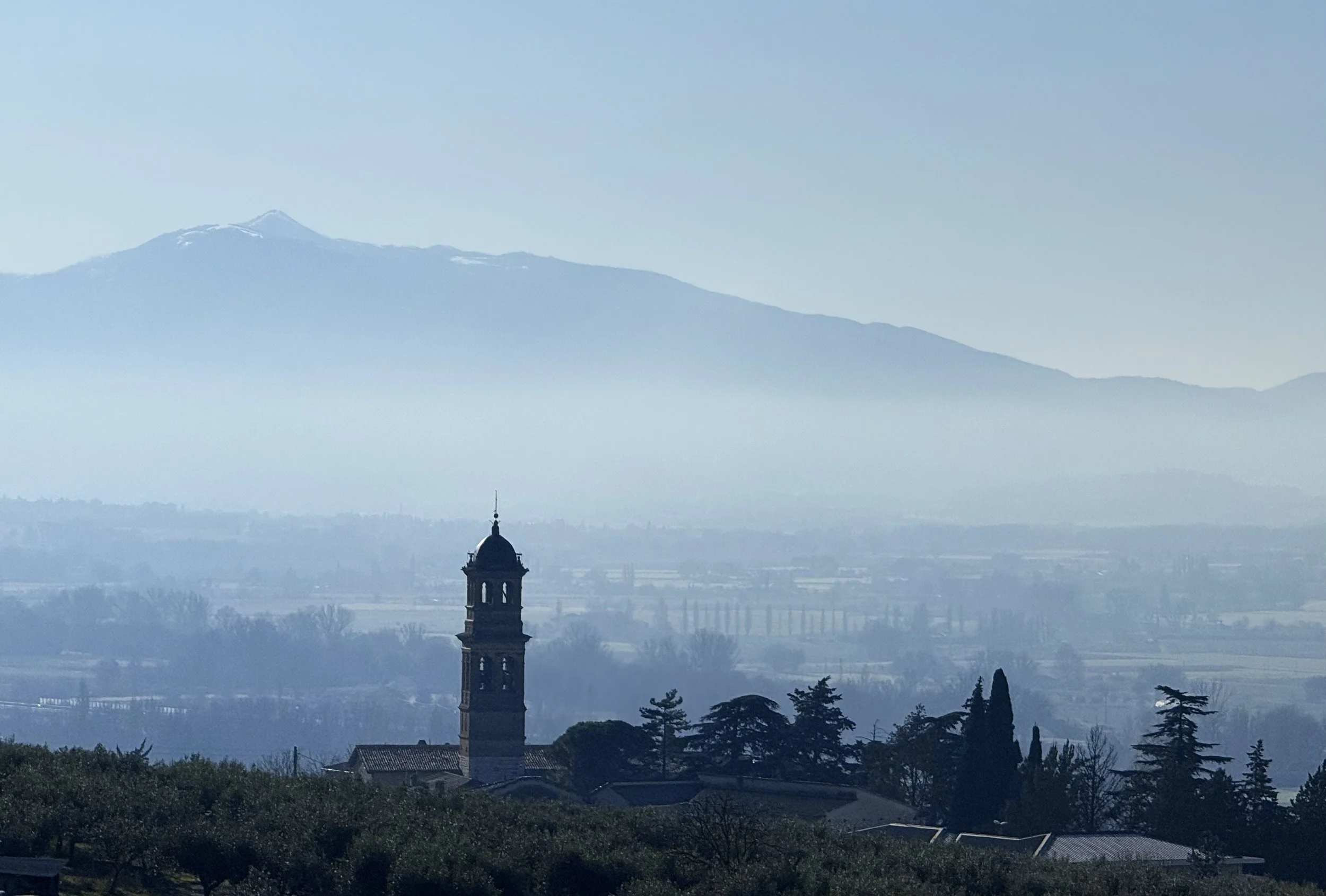
There is a quiet magic to Umbria — the kind that does not demand attention, but lingers long after leaving.
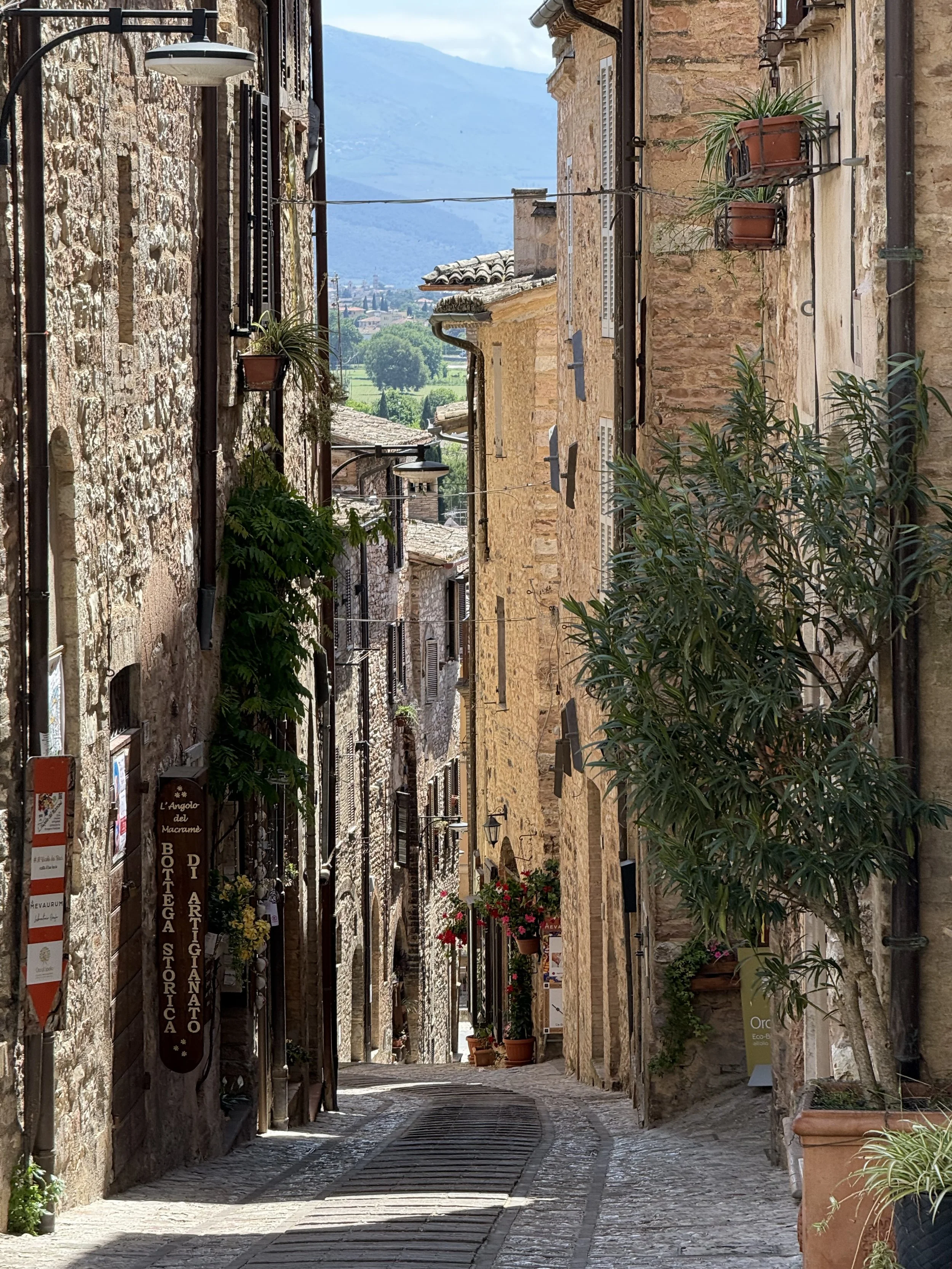
Set gently between Tuscany and Lazio, Italy’s only landlocked peninsular region is often overshadowed by the grandeur of Rome, Florence, or Venice. Yet those who make their way here discover a different side of Italy — quieter, slower, and deeply intimate.
This is a landscape of hilltop towns suspended in mist, stone houses softened by time, and meals that feel unchanged for generations. Unlike the polished spectacle of Tuscany, Umbria feels less curated and more lived-in. Its beauty reveals itself gradually: through the echo of church bells across valleys, the warmth of a neighbourhood café, or the stillness of an empty piazza on a weekday morning.
Umbria invites wandering without urgency. And perhaps that is exactly how it should be experienced.
Spoleto: Art, Light, and Lingering Evenings
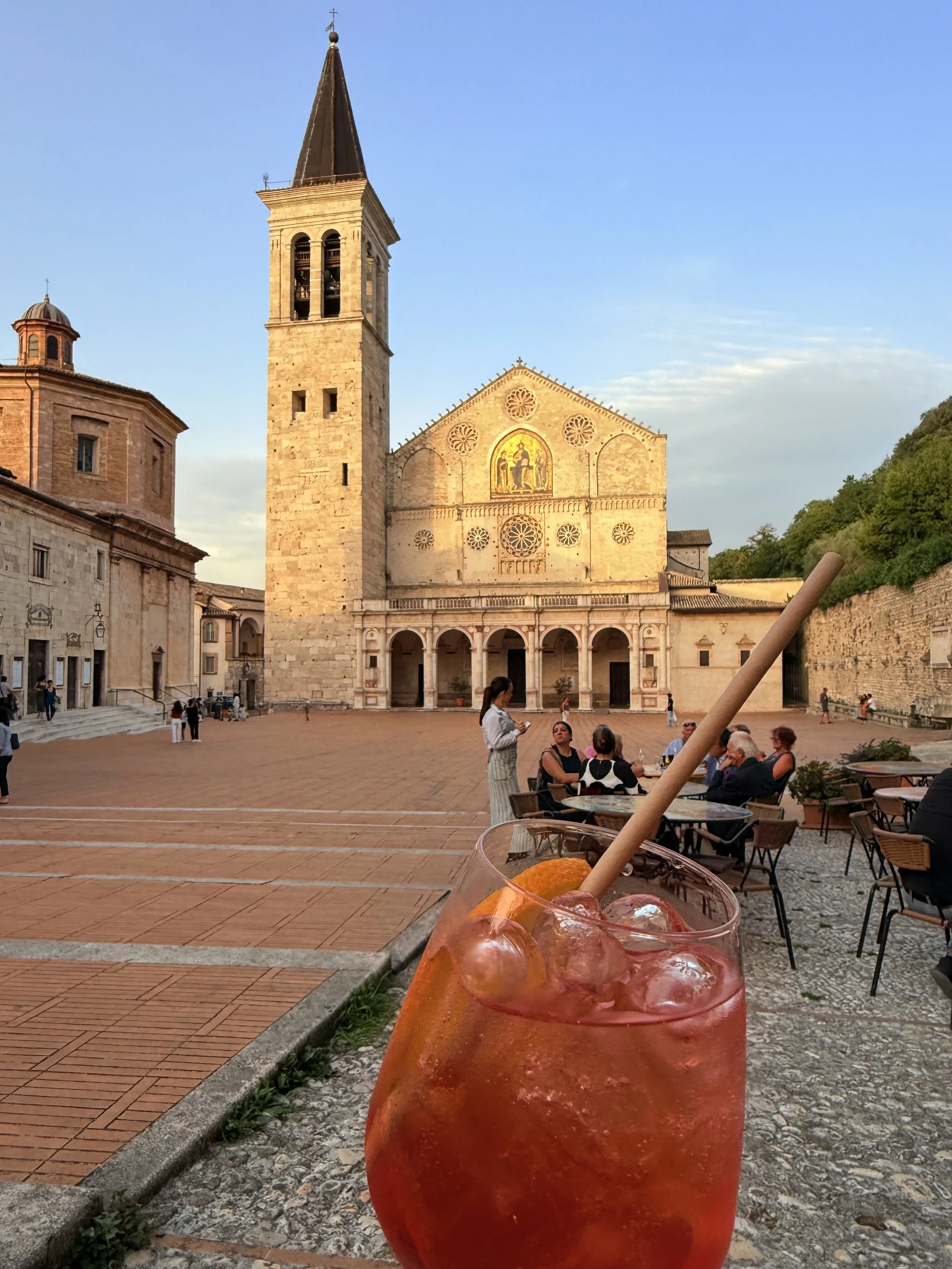
Spoleto carries an old-world elegance that feels both cinematic and deeply authentic. At its heart stands the magnificent Duomo di Spoleto, where golden evening light washes across centuries-old stone and frescoes.
Each summer, the town transforms during the Festival dei Due Mondi — a celebrated arts festival where music, theatre, and dance spill into medieval streets and piazzas.
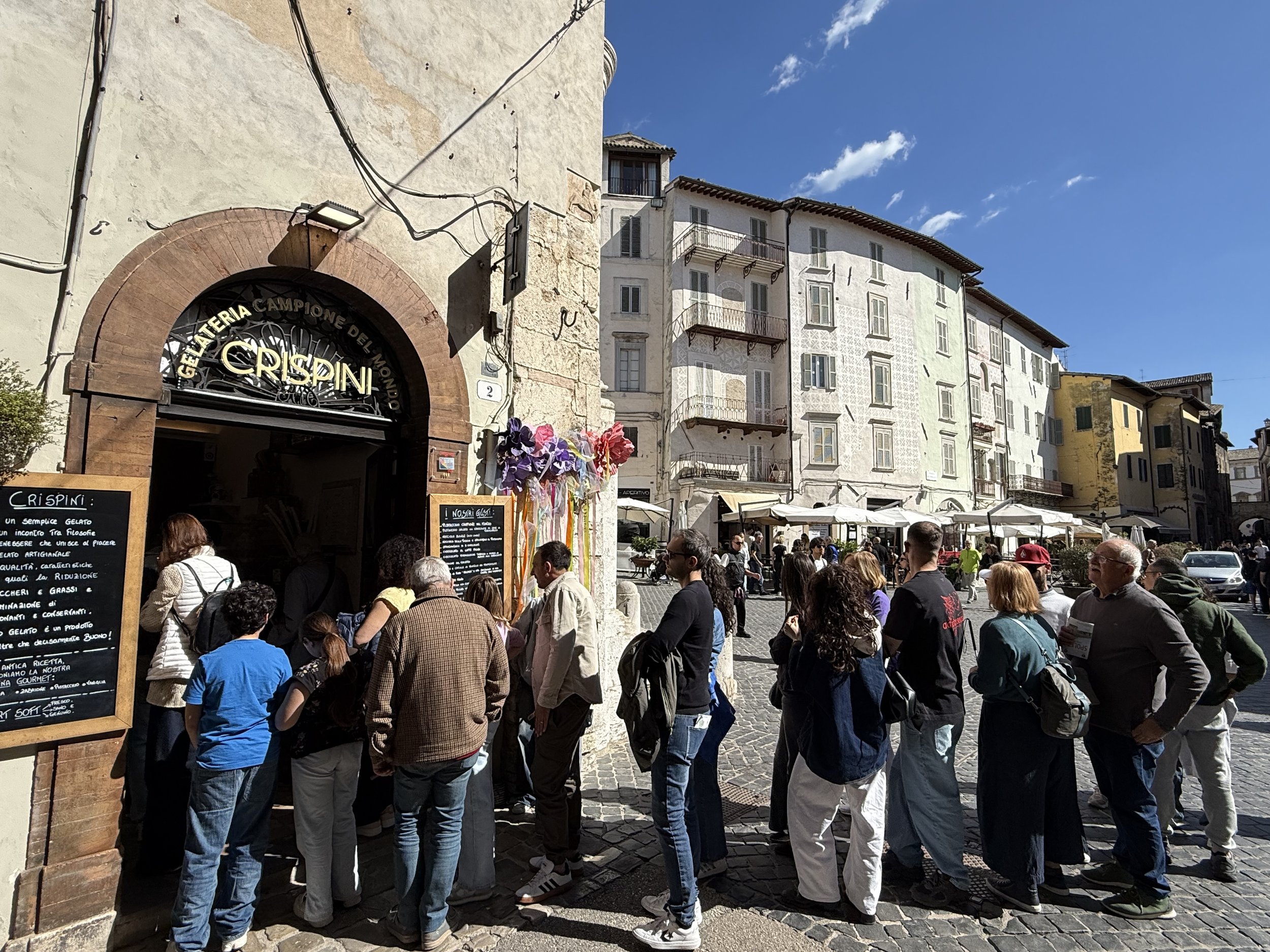
Between performances, linger over dinner at Ristorante Novecento, where traditional Umbrian flavours are interpreted with quiet refinement. A plate of strangozzi — Umbria’s beloved hand-rolled pasta — is essential. Afterwards, walk toward Gelateria Crispini for pistachio gelato widely regarded among the finest in Italy.
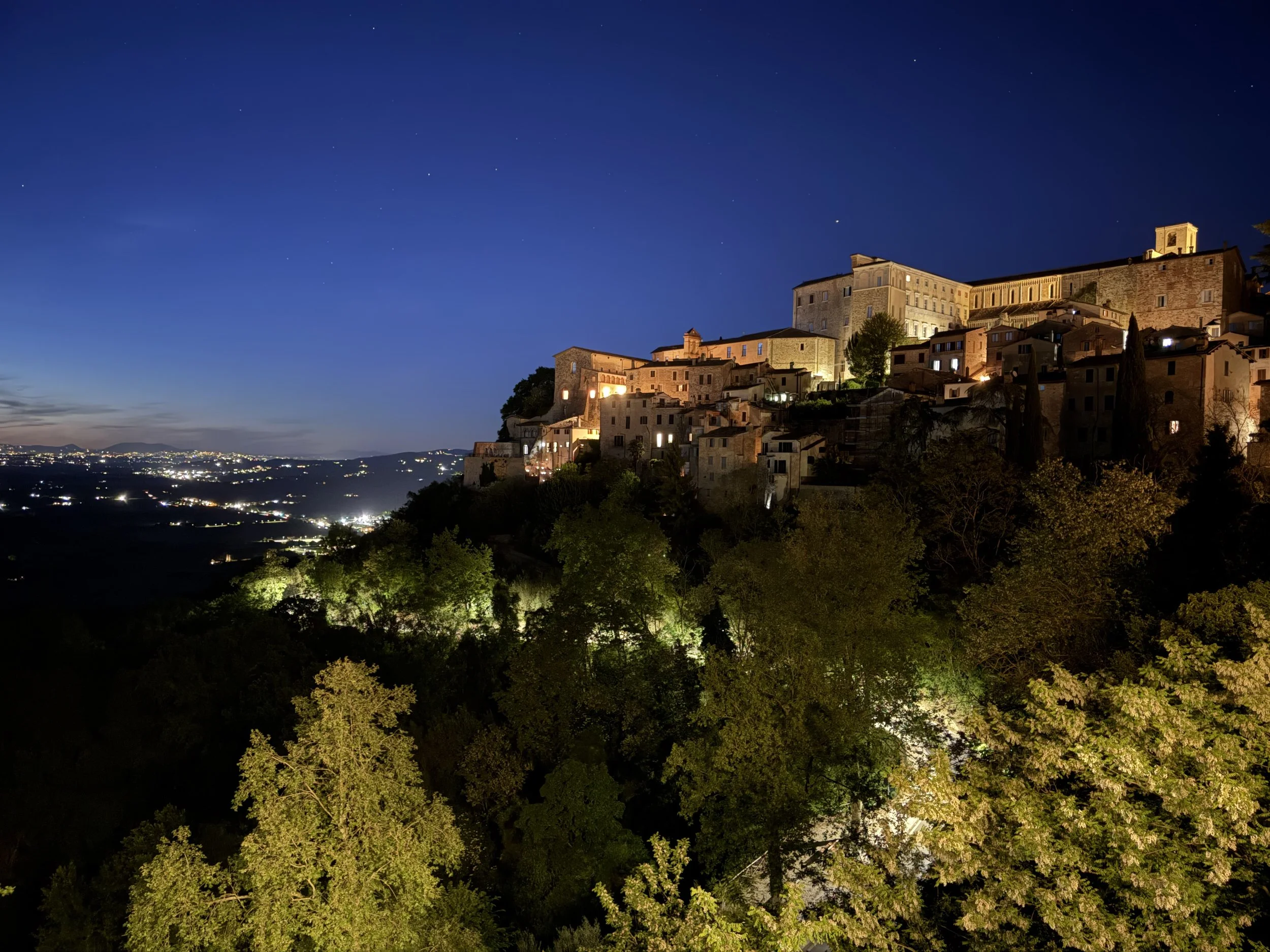
Todi: Slow Mornings and Countryside Calm
There is something dreamlike about Todi.
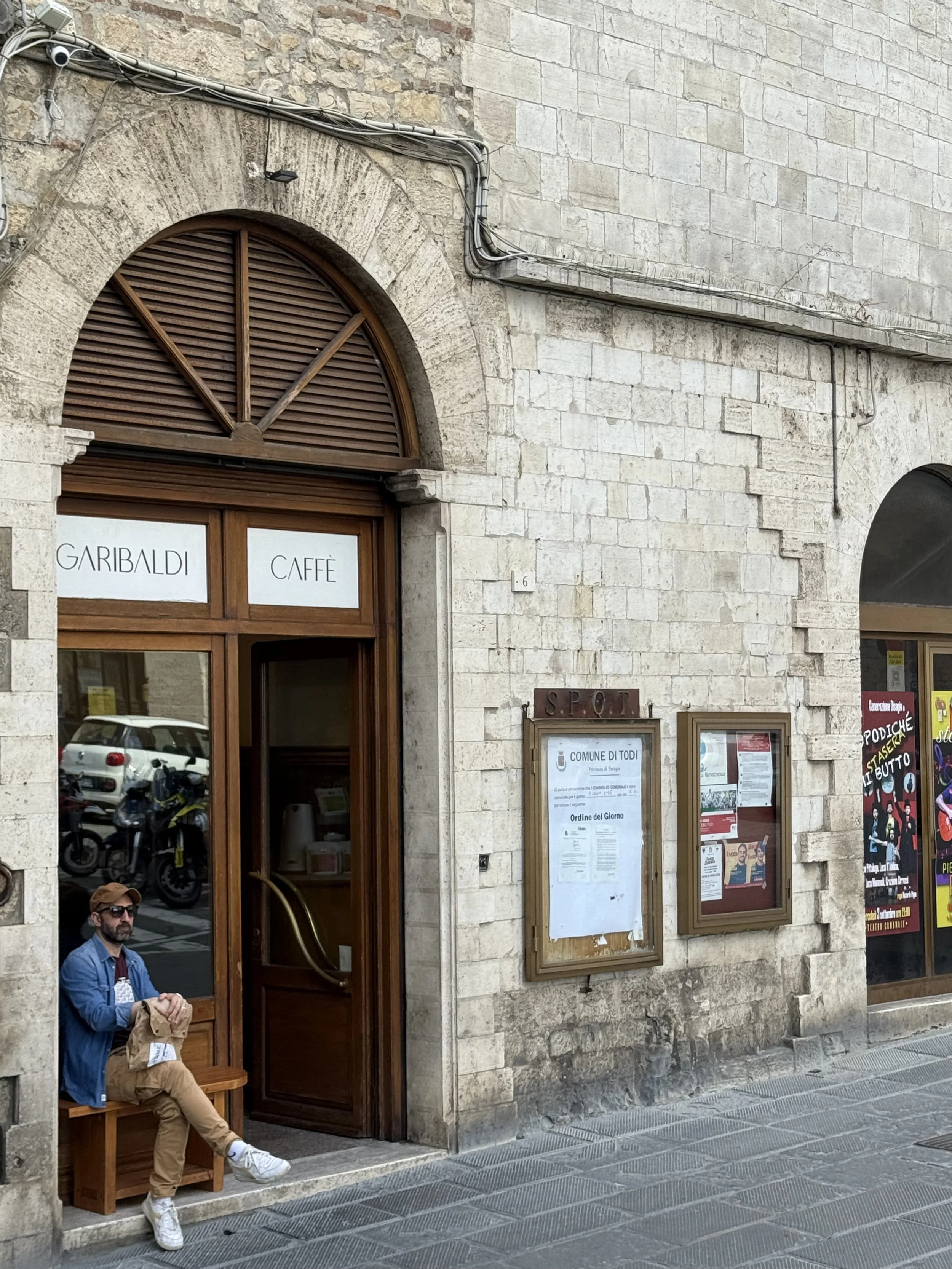
Mornings begin slowly here. An espresso at Caffè Garibaldi overlooking Piazza del Popolo feels less like a ritual and more like a way of life. Locals drift through the square unhurriedly while sunlight settles softly against medieval façades.
Nearby, Deli brings contemporary energy to one of Umbria’s most beautiful piazzas. For a more refined lunch or dinner, Fiorfiore — set just outside the old town — offers elegant Umbrian cooking surrounded by countryside tranquillity.
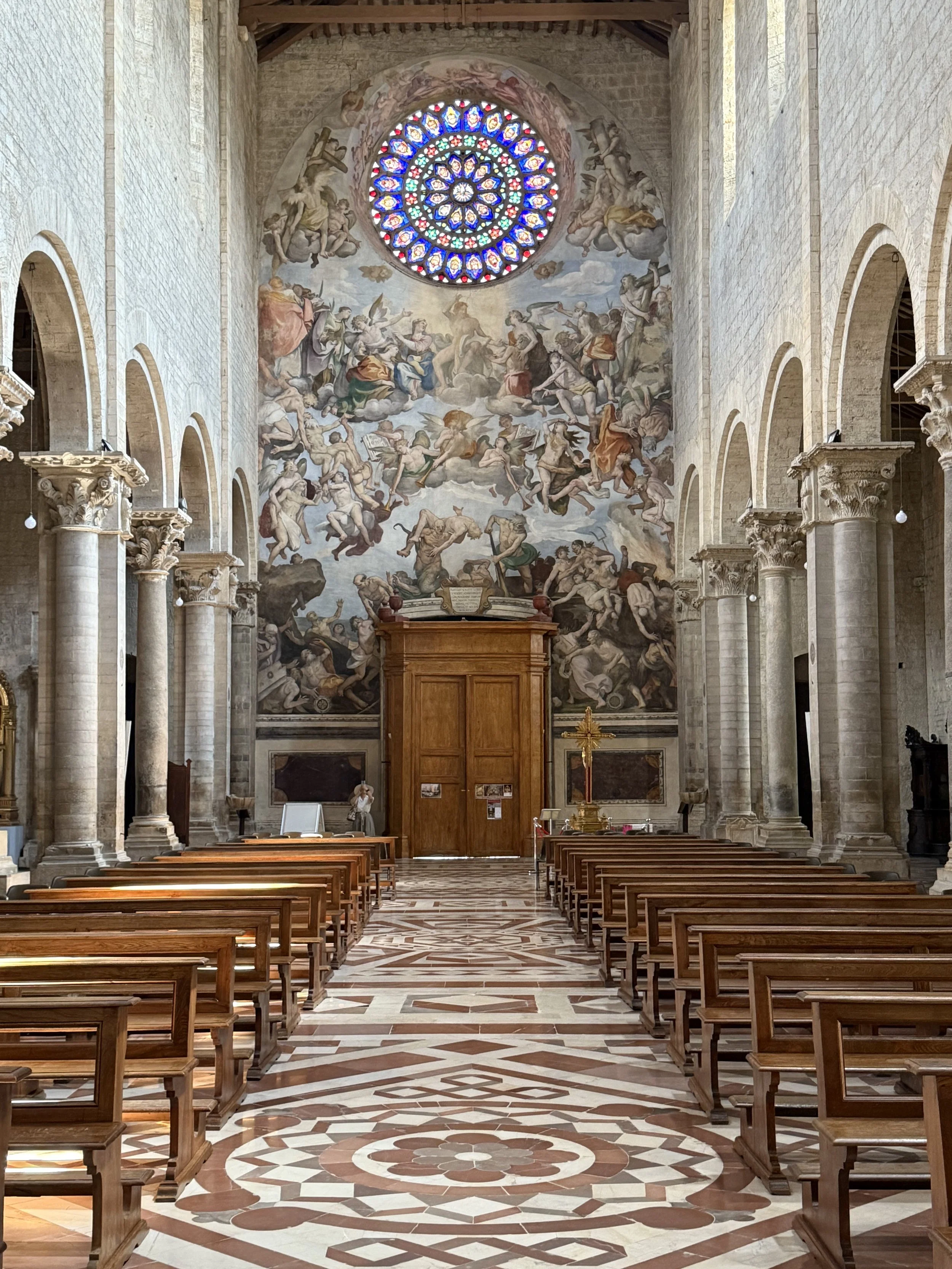
Inside the town’s cathedral, silence hangs gently beneath vaulted ceilings. Beyond the walls, rolling hills dissolve into layers of olive groves, vineyards, and drifting clouds.
Perugia: The Quietly Sophisticated Capital
Perugia possesses a quieter grandeur than many Italian cities.
Dating back to Etruscan times, the regional capital is layered with history yet retains an understated charm. Beneath the city lies Rocca Paolina, an extraordinary subterranean fortress where corridors and vaulted passageways reveal fragments of medieval life.
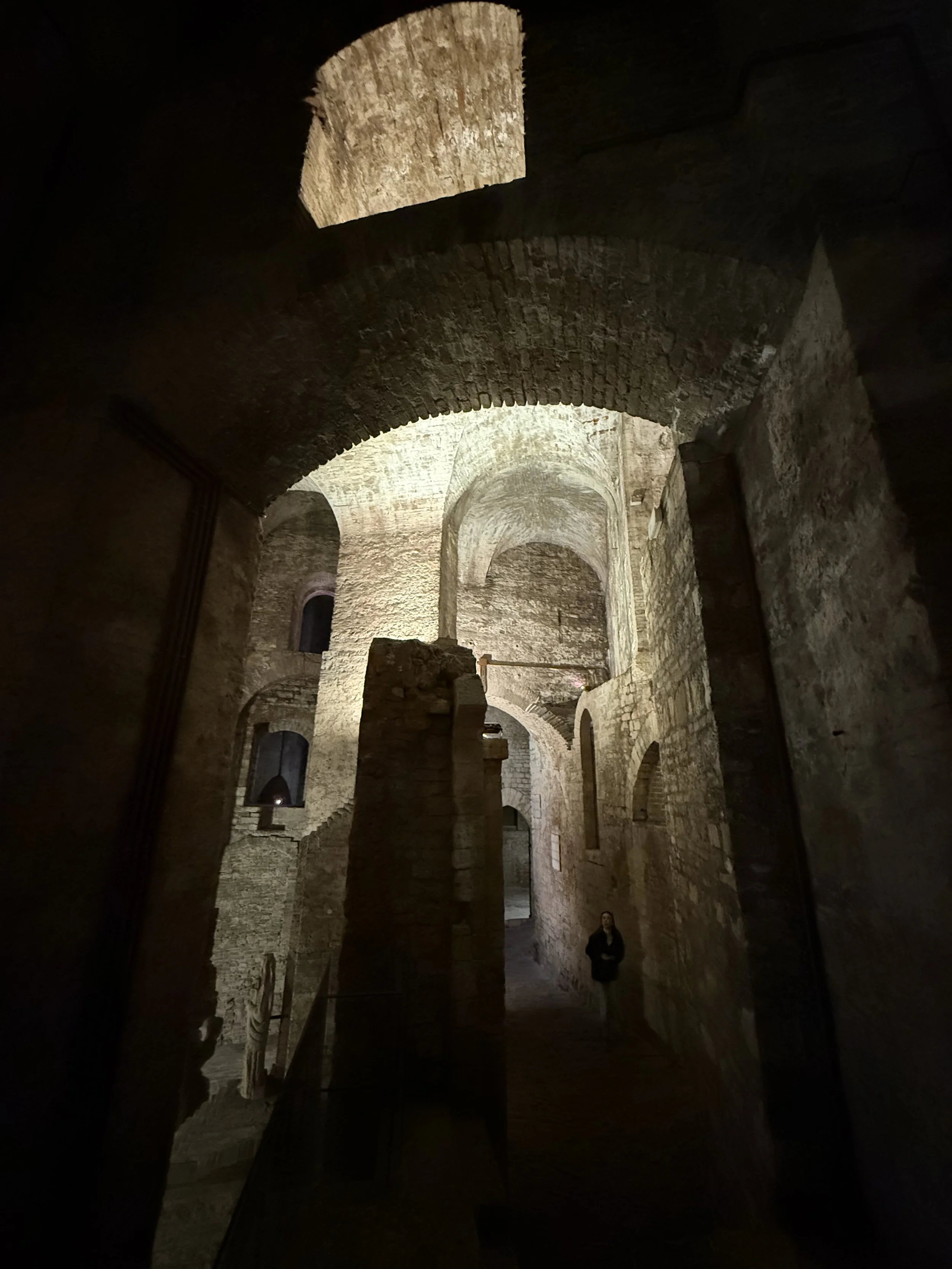
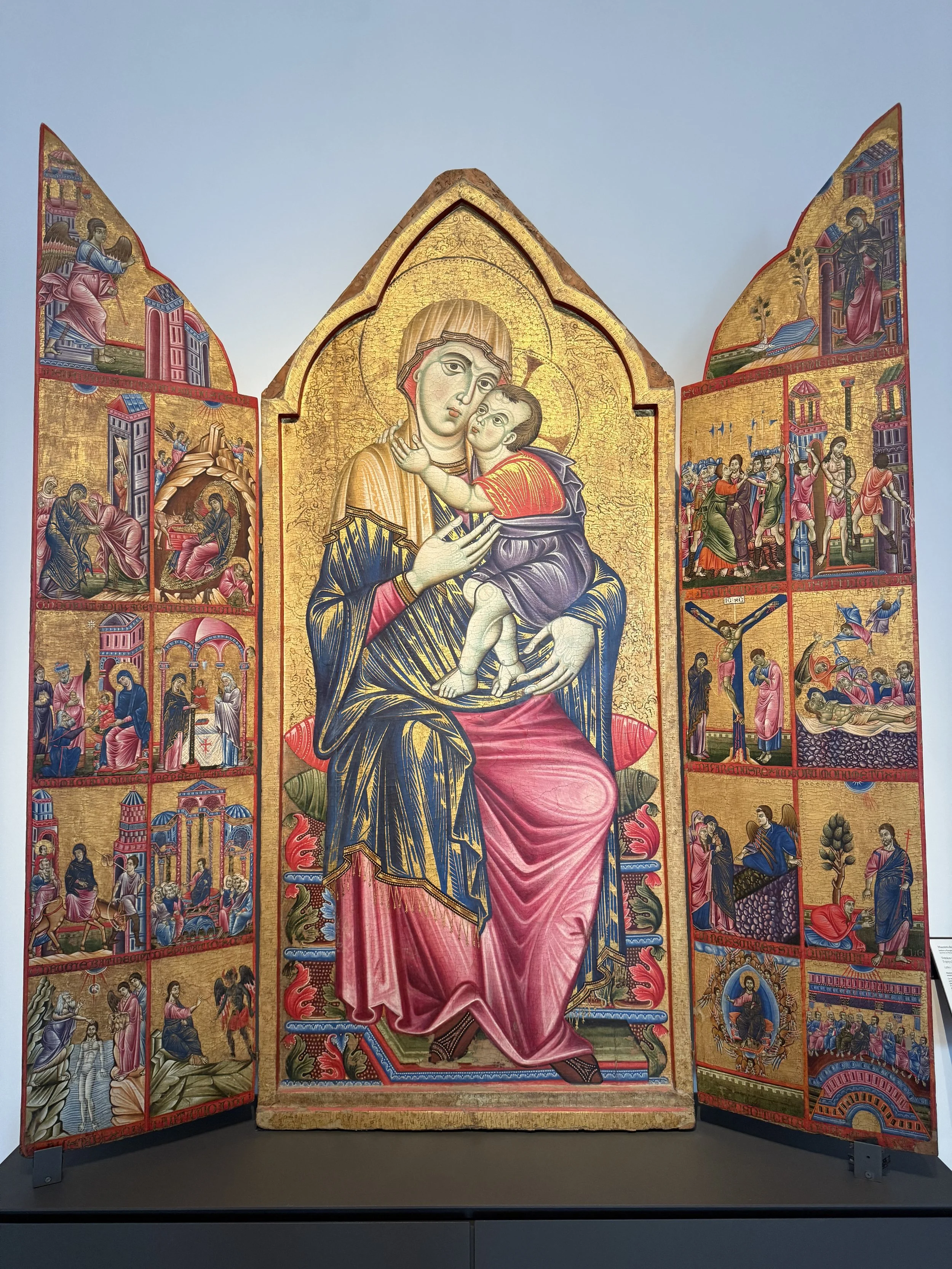
Art lovers could spend hours inside the Galleria Nazionale dell’Umbria, home to centuries of Umbrian and Italian masterpieces.
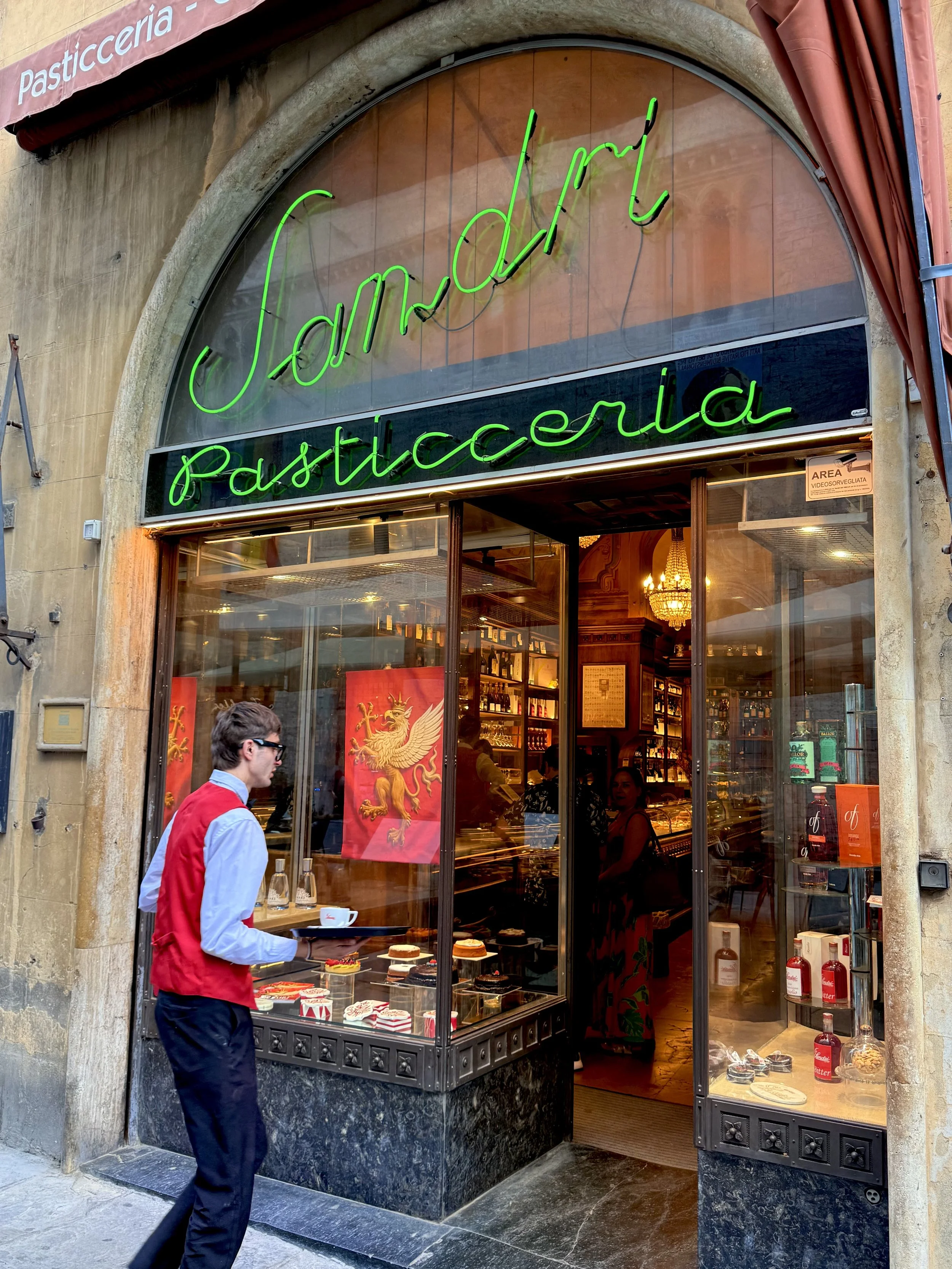
For a slower moment, step into Pasticceria Sandri, a historic café dating back to 1860 where chandeliers, pastries, and espresso evoke another era. Tucked within the medieval centre, Il Cantinone offers refined Umbrian dining in an intimate setting.
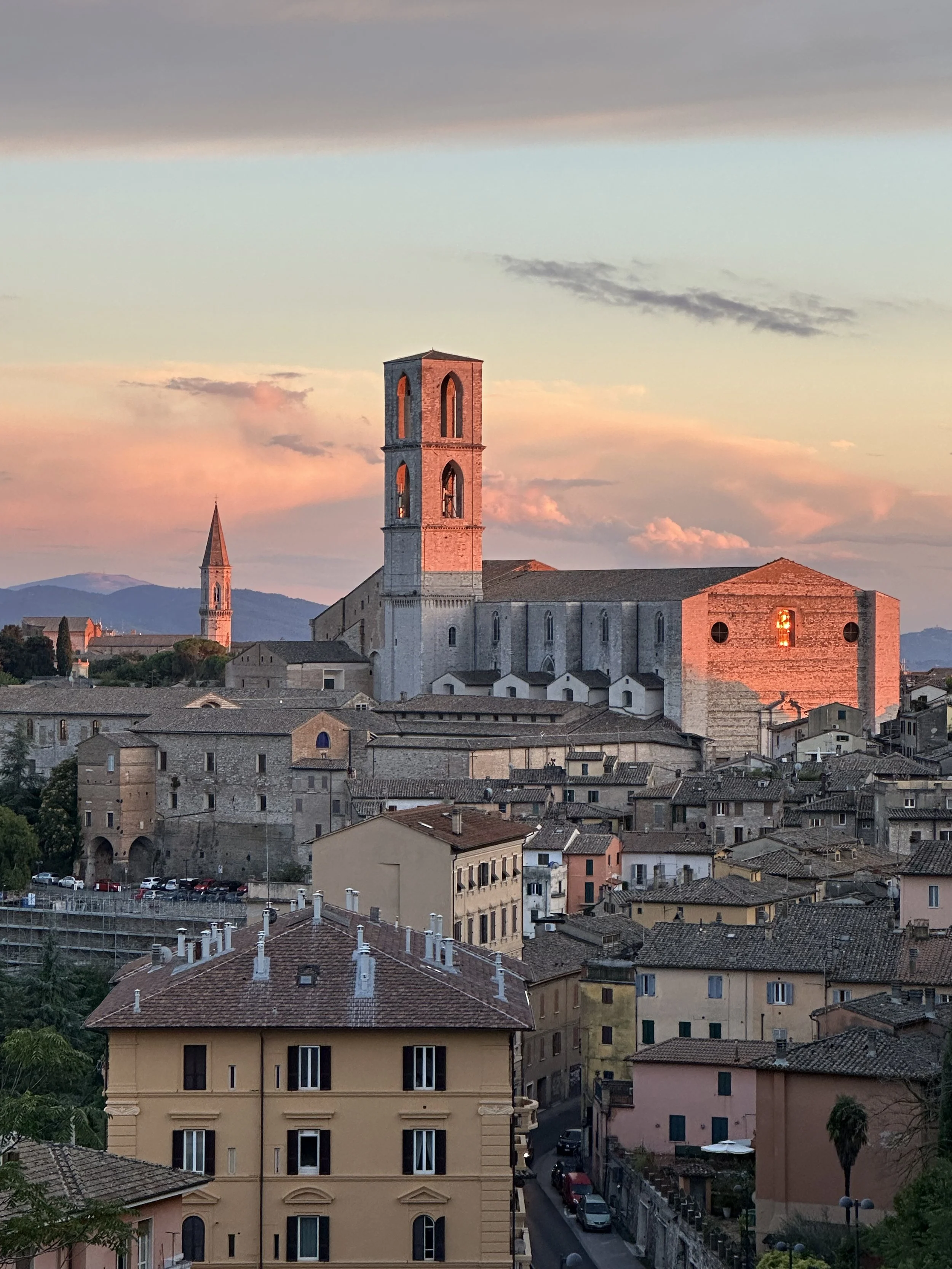
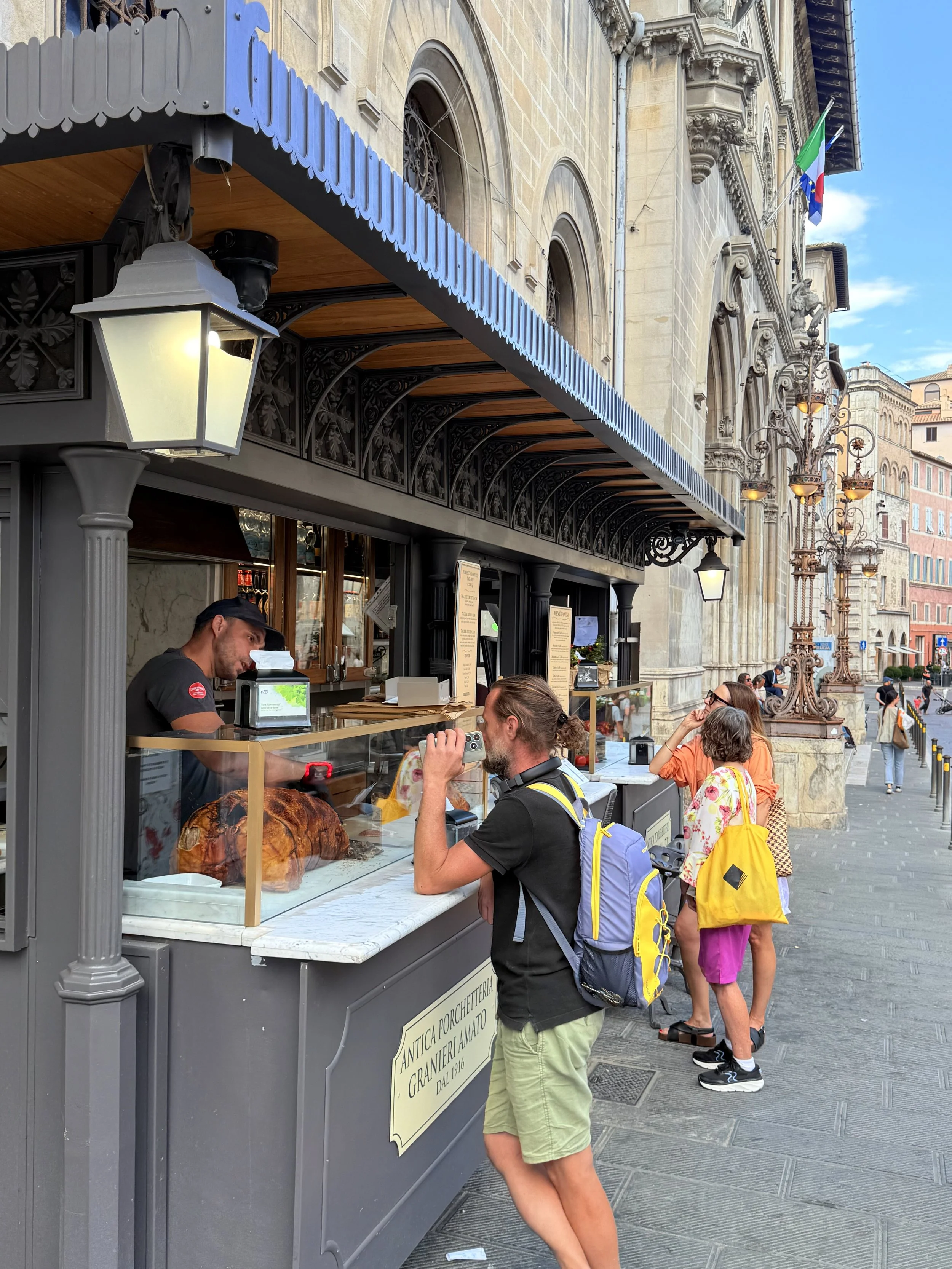
No visit is complete without porchetta from Antica Salumeria Granieri Amato — tender, savoury, and deeply rooted in local culinary tradition. For panoramic views across the Umbrian hills, the terrace of Sina Brufani remains one of the city’s most beautiful vantage points.
Orvieto: Stone, Silence, and Subterranean Wonders
Few towns announce themselves as dramatically as Orvieto.
Rising atop volcanic rock, the town is crowned by the breathtaking Duomo di Orvieto — a masterpiece of Gothic architecture shimmering with mosaics, gold, and intricate stonework.
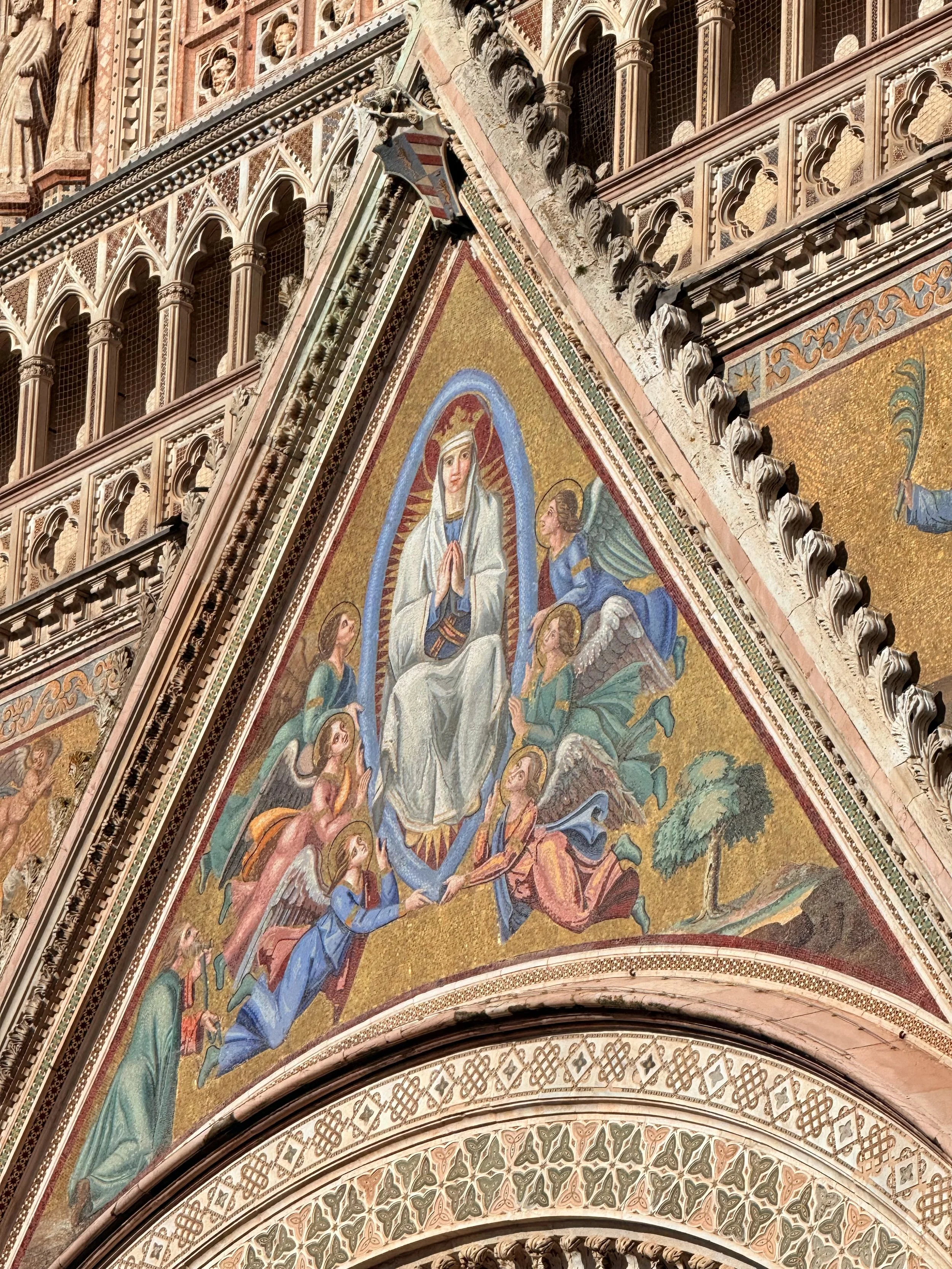
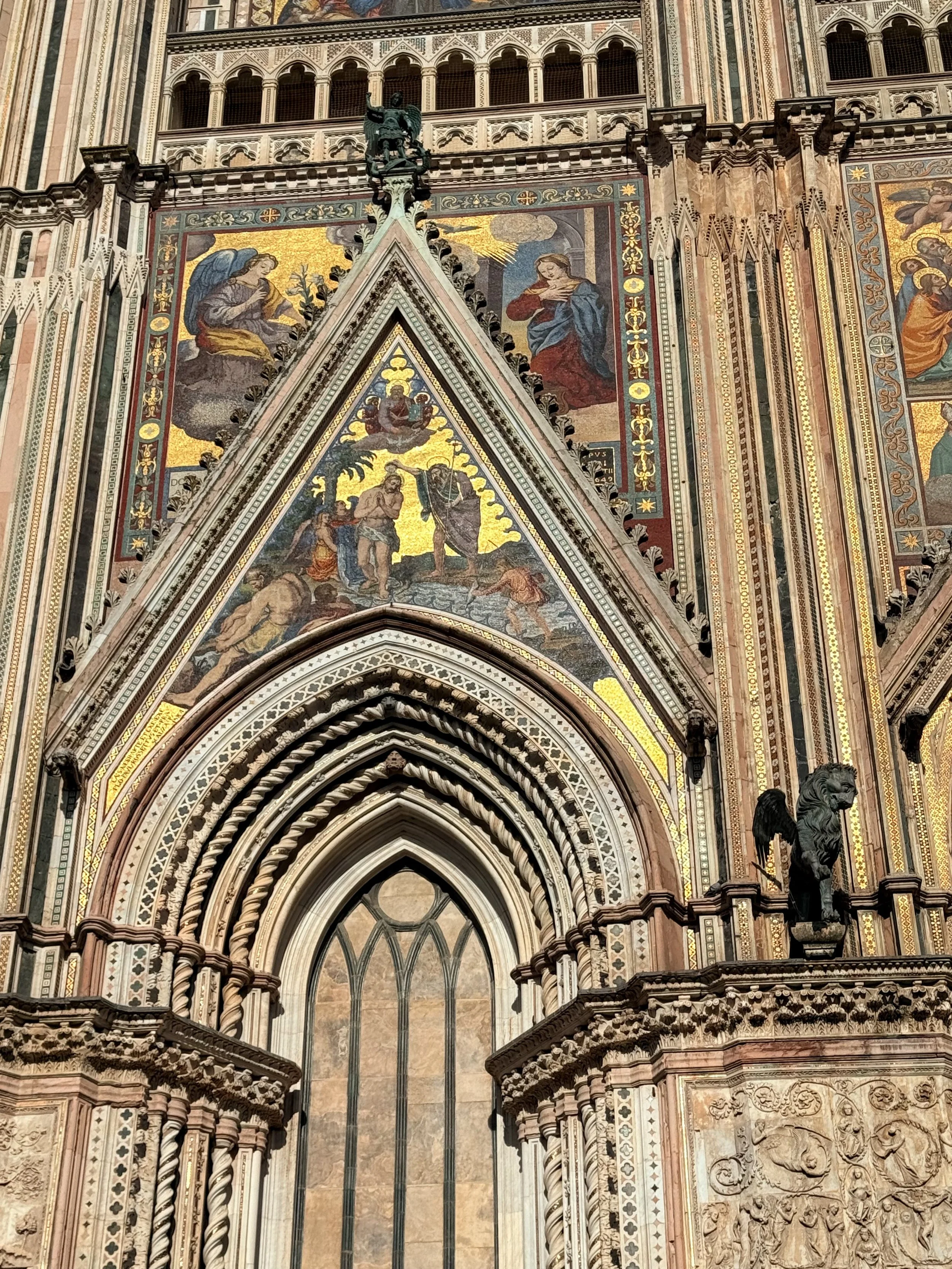
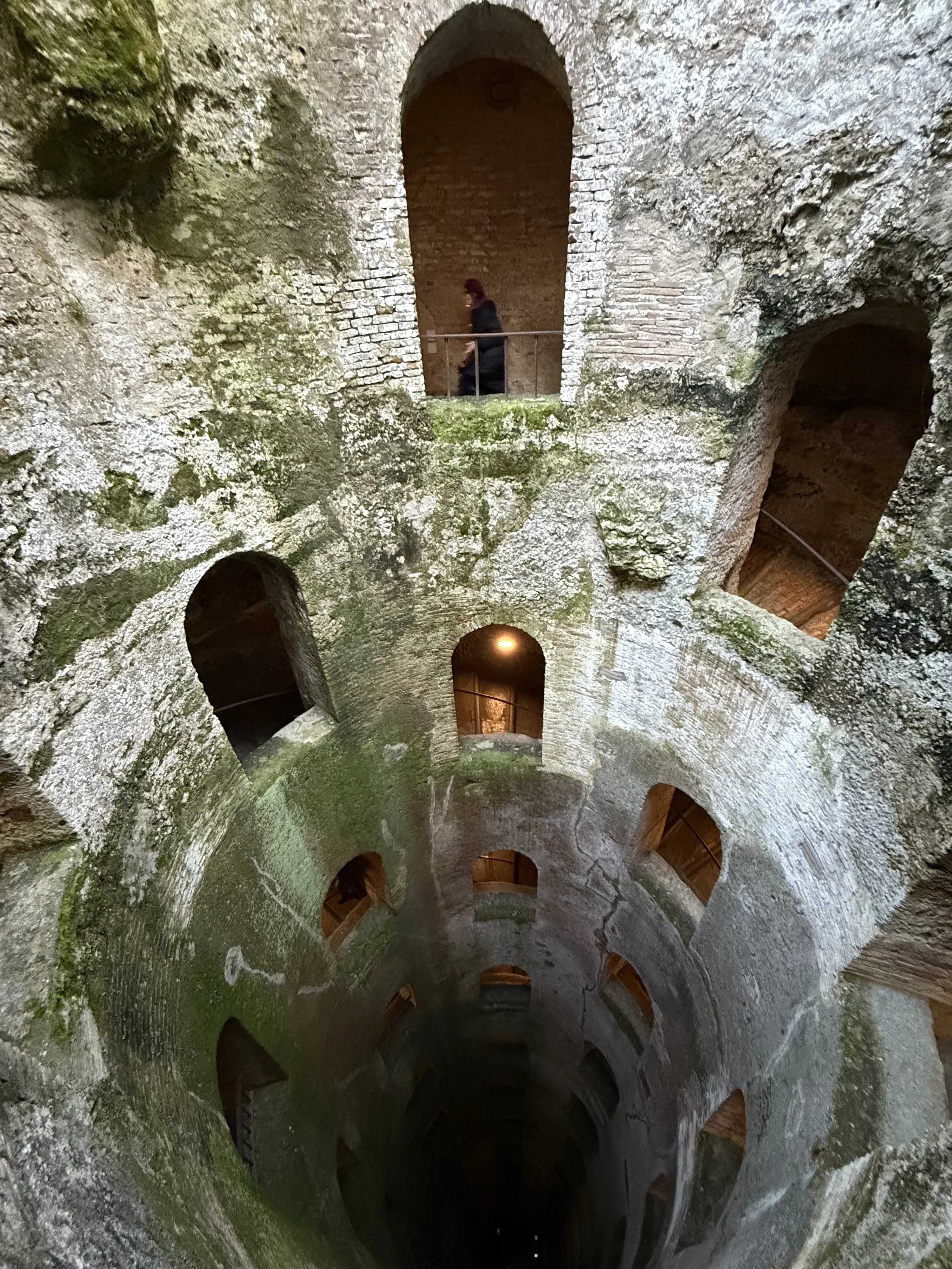
Beneath the city lies Pozzo di San Patrizio, an astonishing Renaissance well descending deep into the earth through a double-spiral staircase illuminated by narrow windows.
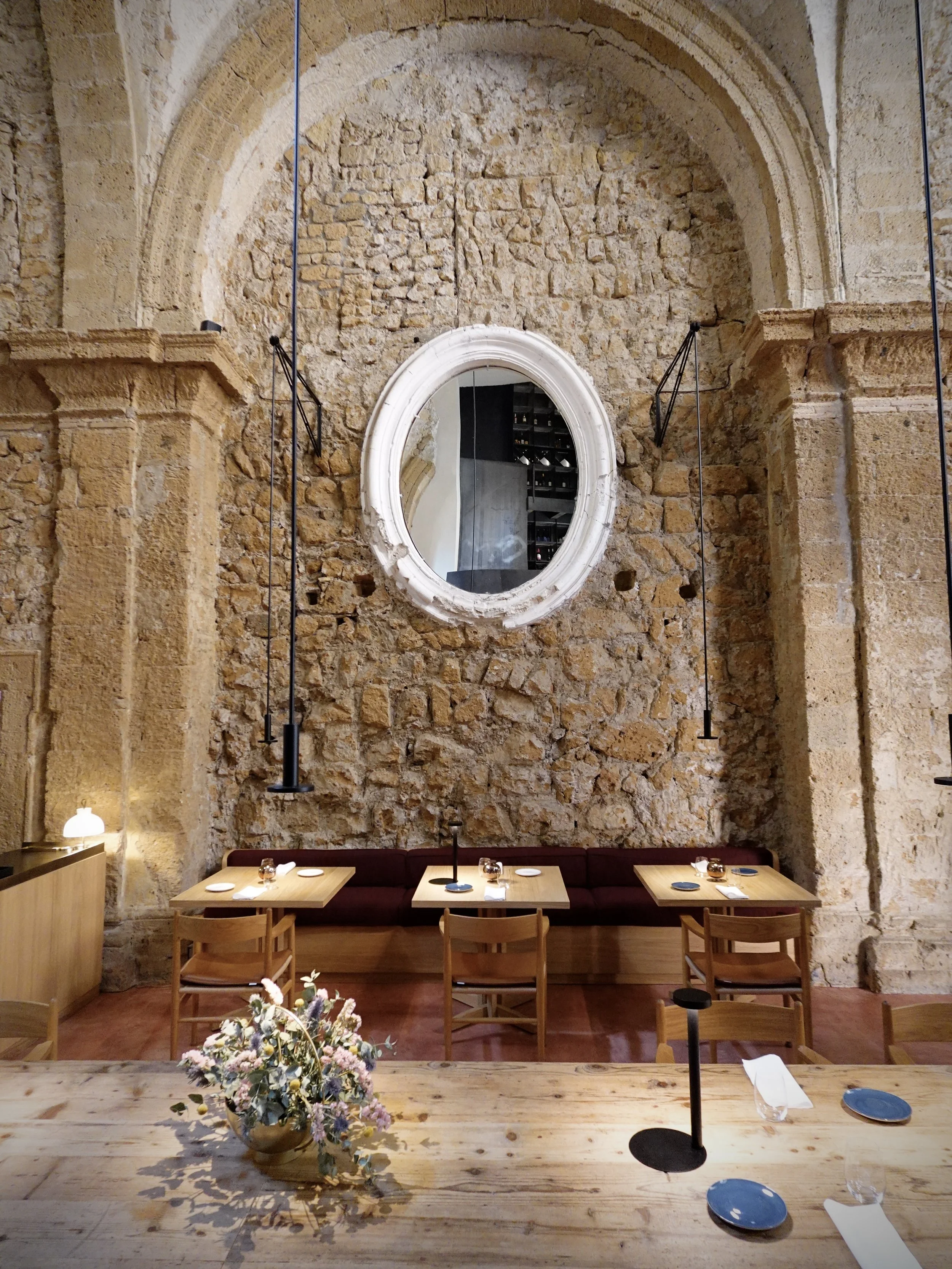
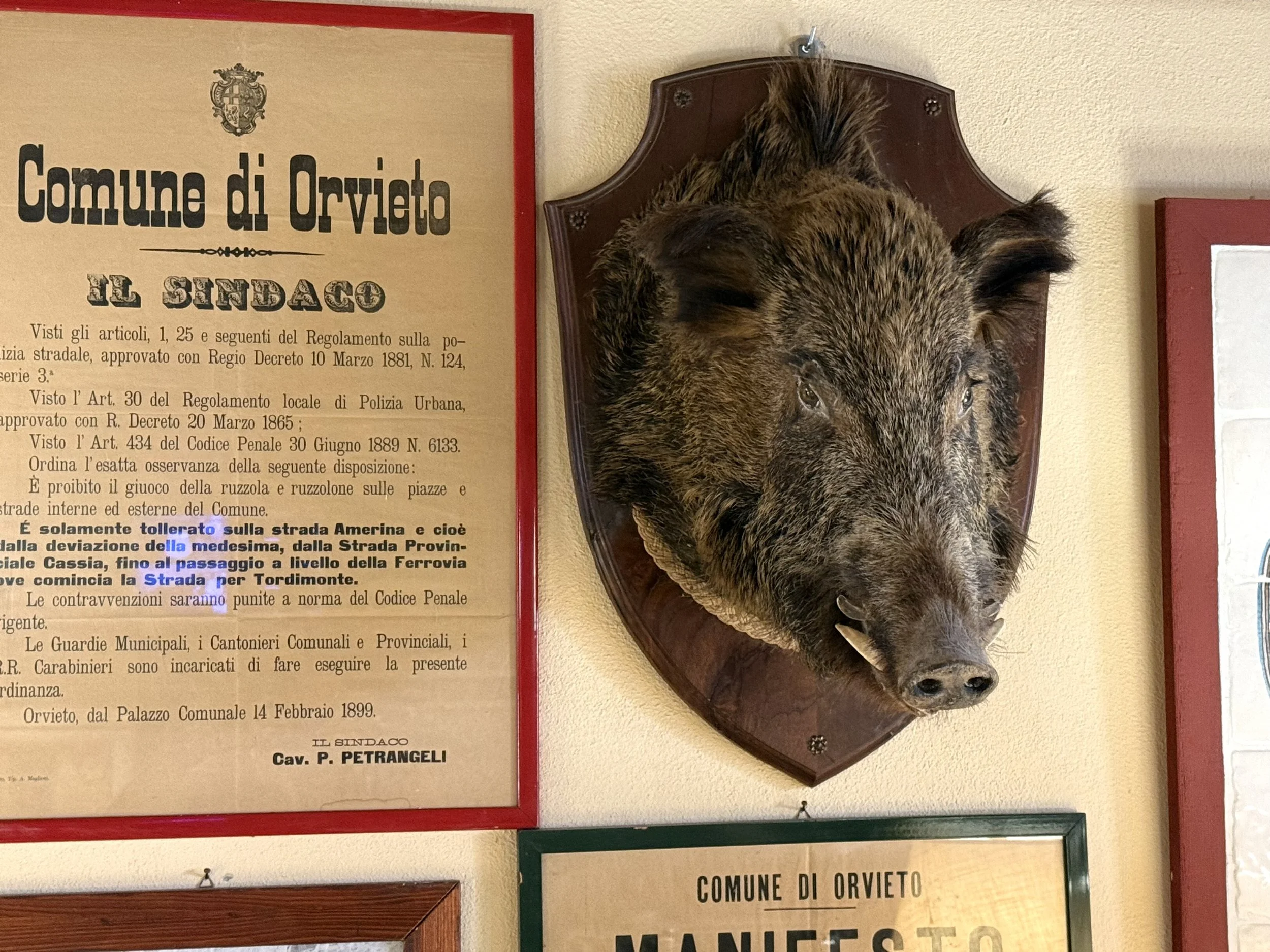
For dining, Coro offers contemporary elegance within a deconsecrated church, while L’Oste del Re serves rustic Umbrian classics rich with soul. Order the cinghiale — wild boar slow-cooked in red wine — a dish deeply tied to the region’s culinary identity.
Assisi: Serenity Above the Valley
Perched on the slopes of Mount Subasio, Assisi feels suspended between earth and sky.
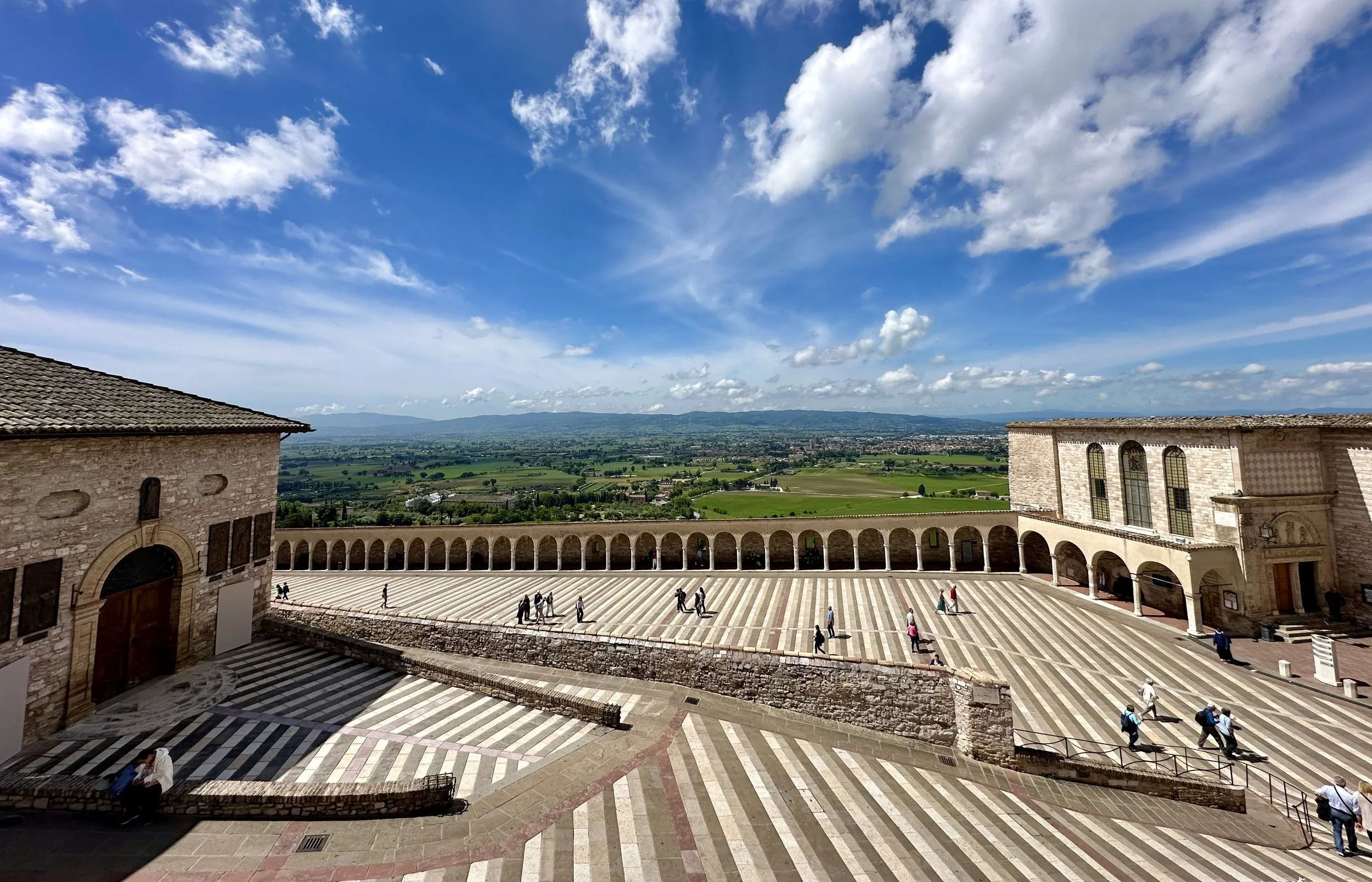
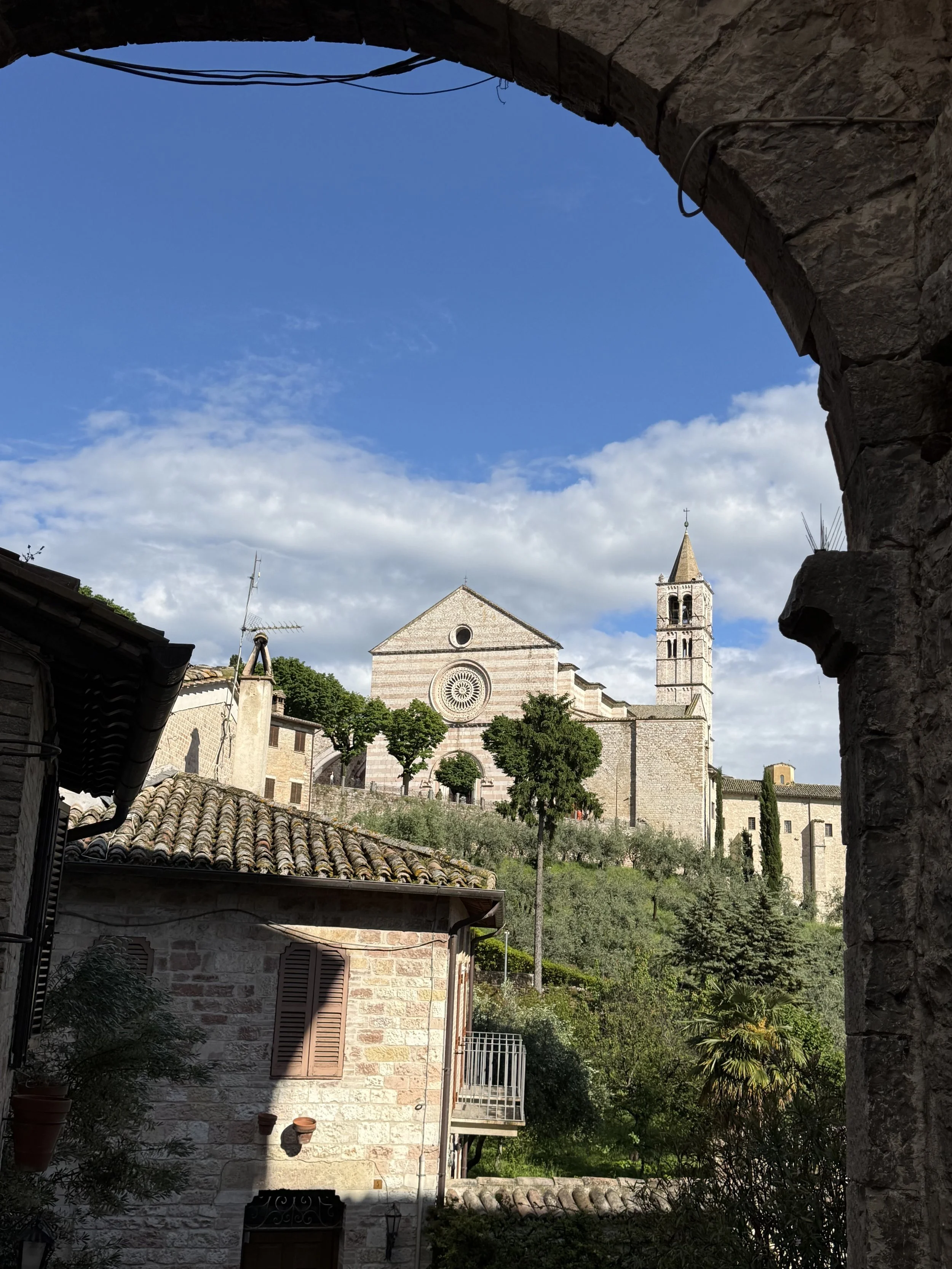
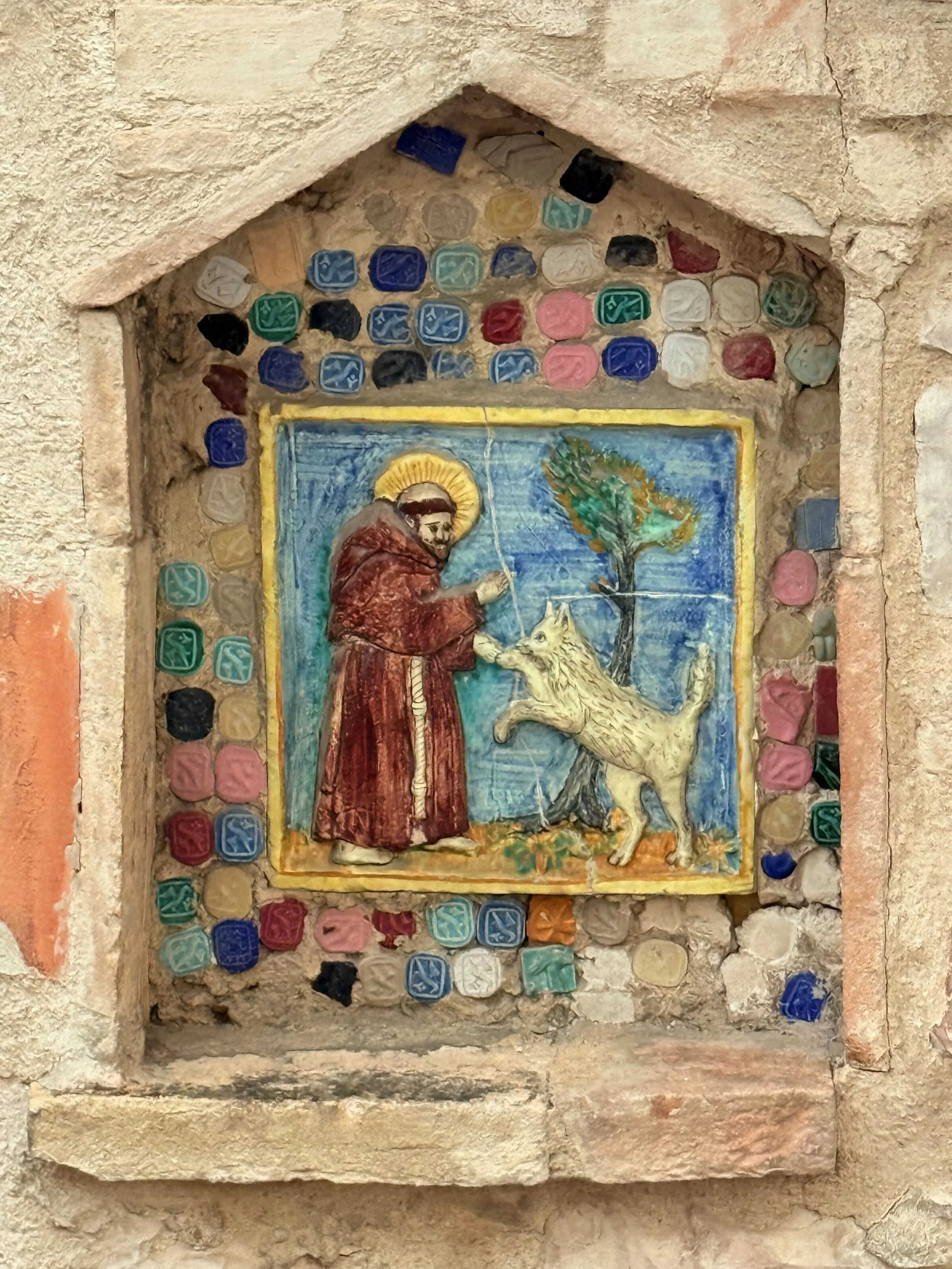
At its centre stands the extraordinary Basilica of Saint Francis of Assisi, one of Italy’s most revered pilgrimage sites and a UNESCO World Heritage Site. Inside, frescoes by Giotto and Cimabue unfold across vast walls in luminous colour and detail.
Yet what lingers most is not grandeur, but atmosphere — the quiet stillness of the basilica, the soft sound of footsteps against stone, and the sweeping valley views below.
Assisi captures the essence of Umbria perfectly: serene, timeless, and deeply moving in its simplicity.
Spello: Italy in Bloom
Spello may be one of Umbria’s most enchanting towns.
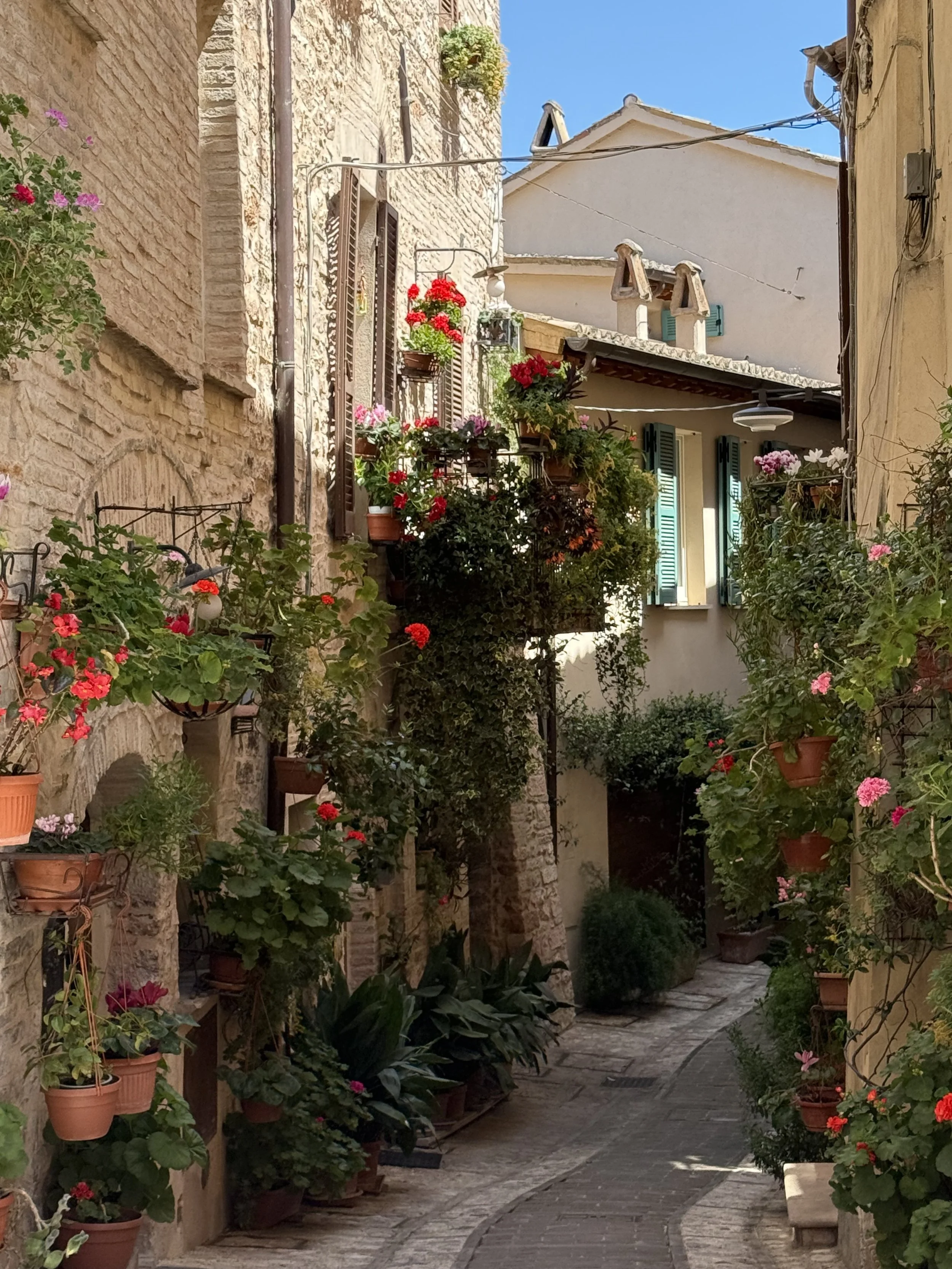
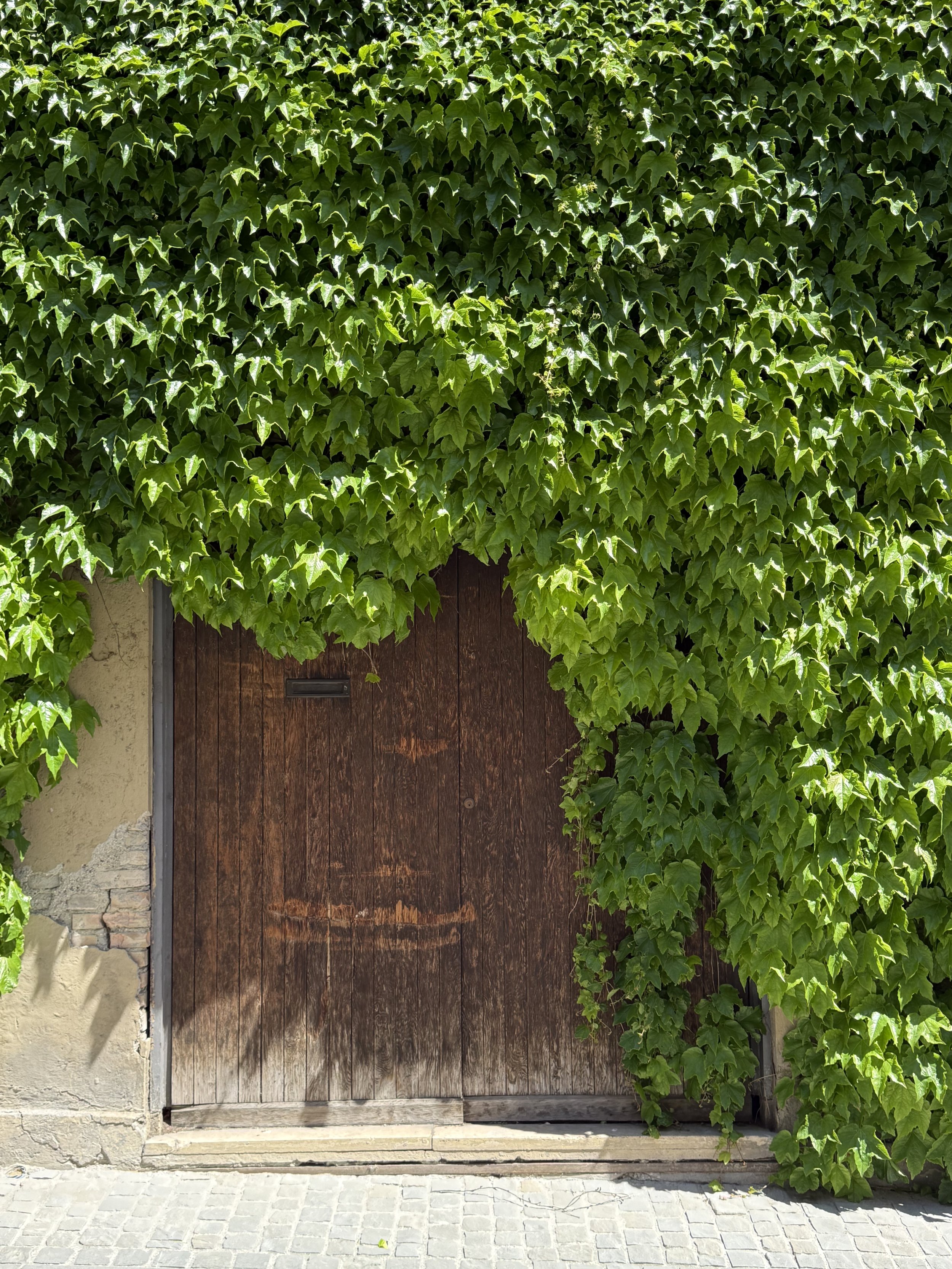
Its pale pink stone streets wind between flower-filled balconies, ivy-covered walls, and tiny artisan corners bathed in afternoon light. During the annual Infiorata di Spello, intricate floral carpets transform the town into a living artwork.
For a slow lunch, Il Molino remains a favourite — relaxed, unfussy, and perfectly aligned with the rhythm of the town itself.
Things to Love About Umbria
Long lunches stretching into late afternoons
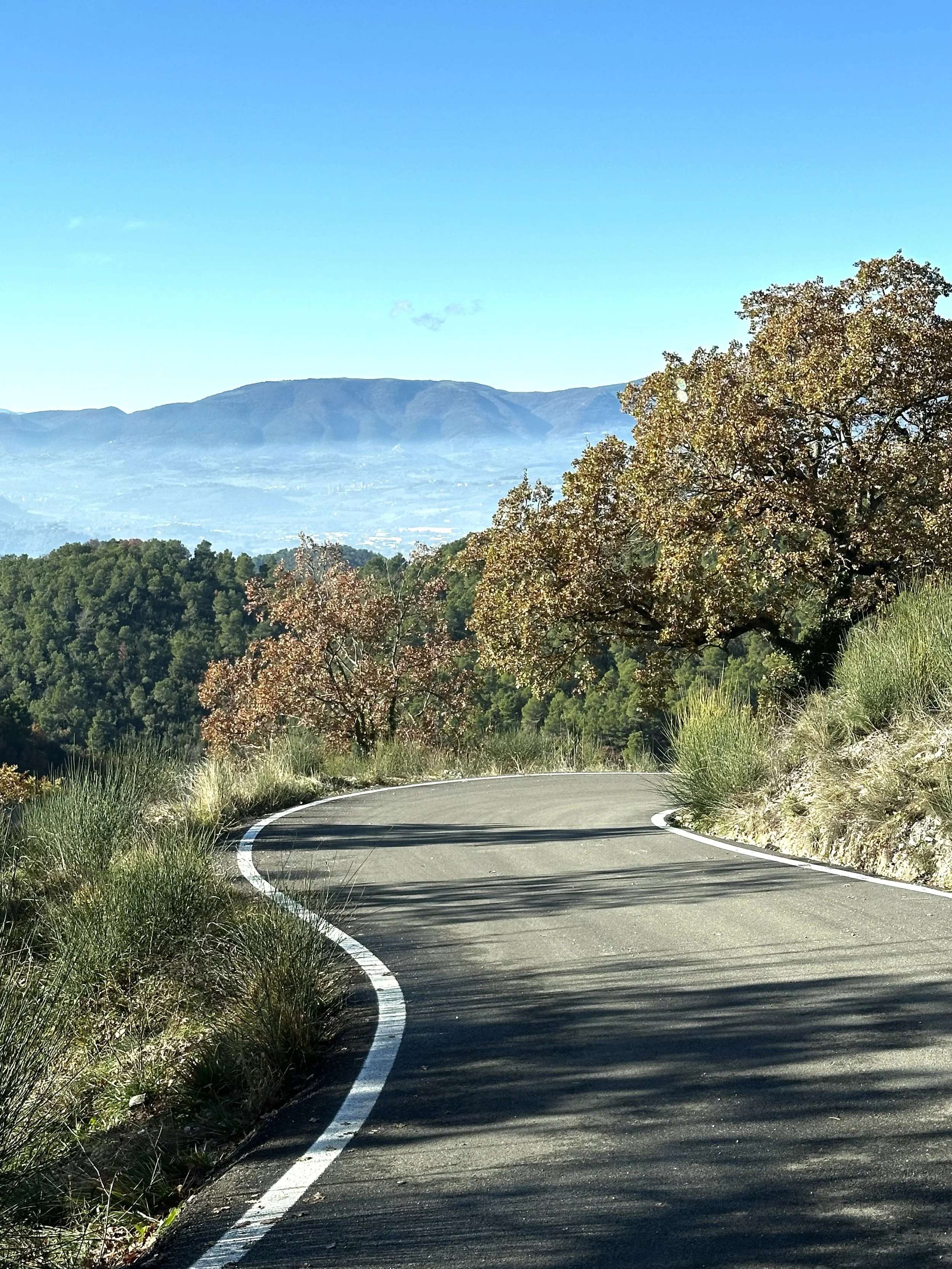
Quiet roads lined with wildflowers and cypress trees
Pistachio gelato on warm summer evenings
Empty piazzas in the early morning light
Church bells echoing across valleys
A glass of Montefalco Sagrantino beside a plate of cinghiale
The feeling of discovering somewhere before the rest of the world does
Getting to Umbria
The easiest gateways into Umbria are through Rome or Florence, both roughly two hours away by train or car depending on destination.
Alternatively, Perugia San Francesco d’Assisi – Umbria International Airport connects Umbria with selected European cities including London, Brussels, Rotterdam, Palermo, Catania, and Cagliari. Flight schedules vary seasonally, so it is worth checking airline routes in advance.
Best Time to Visit
Spring and autumn reveal Umbria at its most beautiful.
May and June bring wildflowers, soft light, and open-air festivals, while September and October offer harvest season, golden landscapes, and cooler evenings perfect for long dinners outdoors.
Most importantly, do not rush.
Umbria is not a destination to tick off. It is a place to settle into slowly — ideally over five days or more — until its rhythm begins to feel like your own.
Because if Tuscany is the postcard, Umbria is the handwritten letter: personal, understated, and impossible to forget.
Further Reading
Unless otherwise credited, all photography and written content are original works by Foodie Goes Travel.
