The Luxury of Silence
Words and photograph by JJ Wong
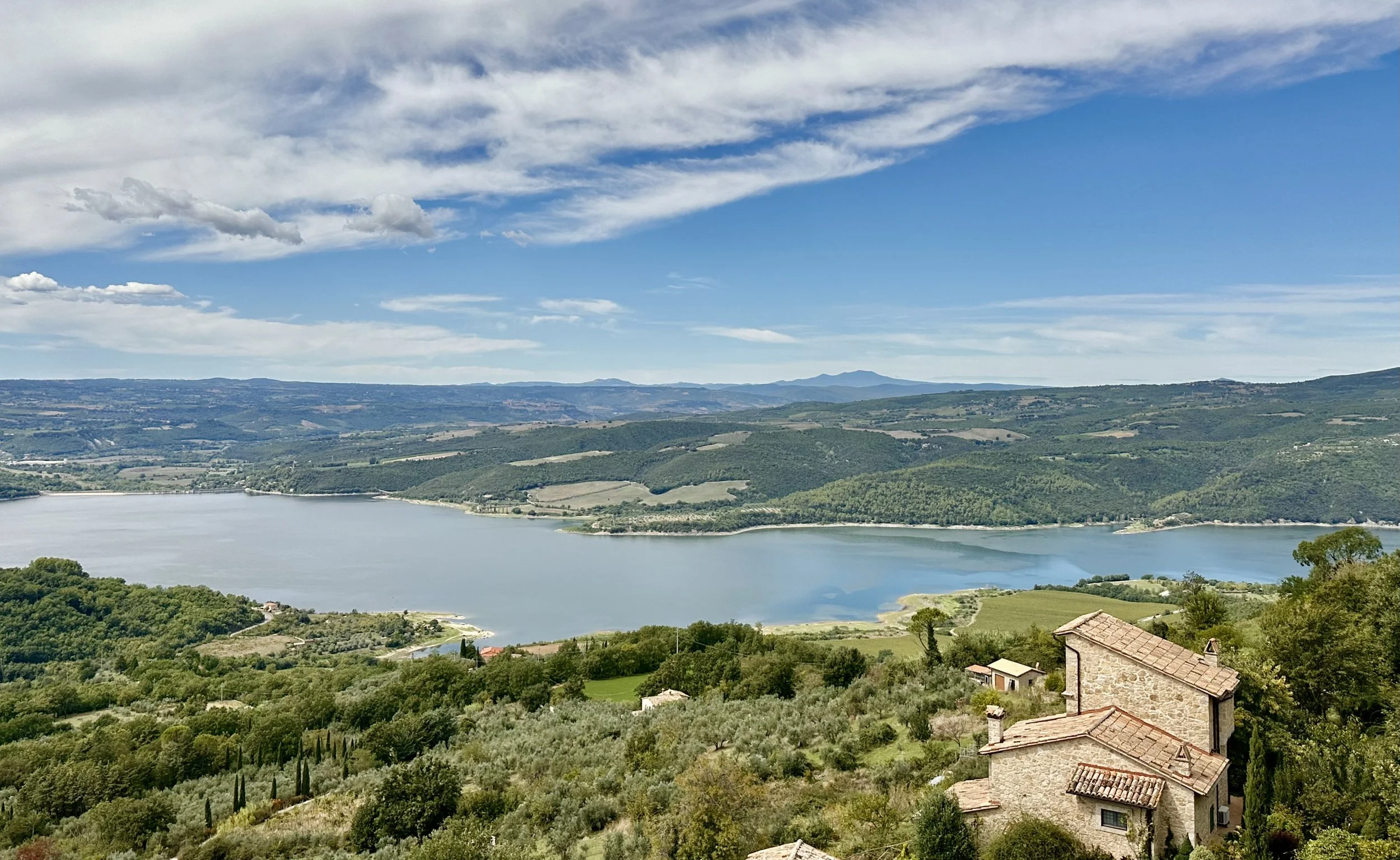
There are mornings in Umbria where the day begins almost silently.
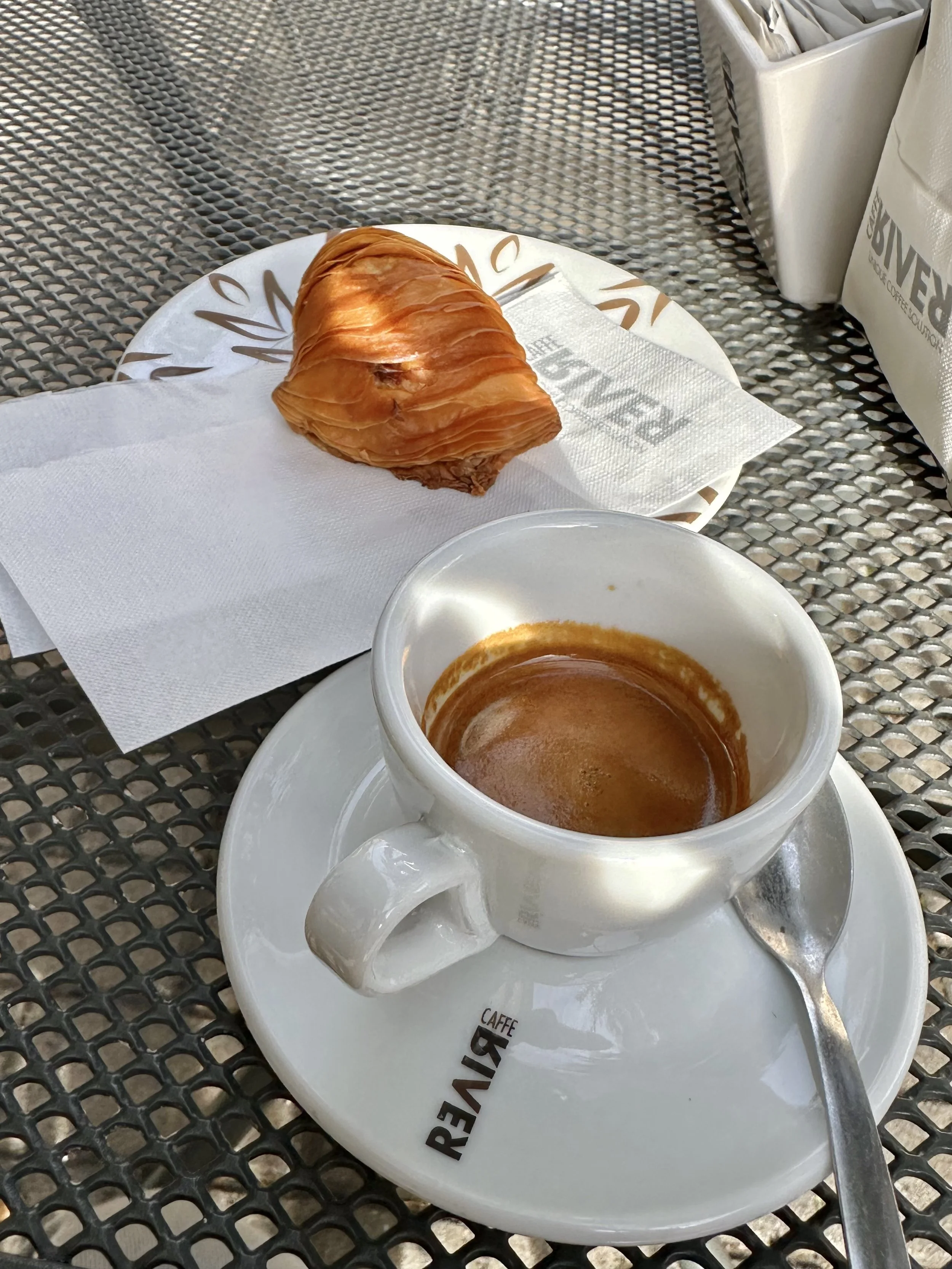
For much of the year, from autumn through early spring, I begin the morning by lighting the stufa that warms the house. Coming from city life, I never knew how to start a fire properly. Now the ritual feel strangely natural - arranging wood carefully, waiting for the first crackling sounds, feeding the flames slowly until warmth begins spreading through the old stone walls.
Only once the stufa becomes hot enough do I place the moka pot on top. The coffee takes time. Nothing happens instantly.
Throughout the day, I return occasionally to feed more wood into the fire to keep the house warm. Outside, the hills remain quiet. Mist lingers above the trees. Birds chirp softly in the distance, sometimes accompanied by the gentle sound of cow bells somewhere across the valley before silence settles again.

Coming from cities like Kuala Lumpur, Hong Kong and Singapore, I used to associate movement with meaning. Full calendars suggested importance. Momentum felt reassuring. Productivity, visibility and stimulation quietly shaped the rhythm of everyday life without me noticing. Being constantly busy simply felt normal.
Even travel began to mirror that same instinct.
More destinations. More restaurant reservations. More recommendations saved onto maps. More photographs taken to prove a moment had happened. Days carefully optimized around what to eat, where to go, what to wear, what to document and what to post before moving quickly onto the next thing.
Somewhere along the way, stillness itself began to feel unfamiliar.
Today, social media romanticises concepts like la dolce vita and il dolce far niente endlessly.
Linen shirts drying in the sun. Carefully arranged breakfasts overlooking olive groves. Wellness retreats promising reconnection and rest. Entire aesthetics now exist around the idea of slowing down beautifully.
Sometimes when I scroll through travel content online, particularly around concepts like slow travel or mindful living, the imagery begins to feel evidently repetitive after a while. Similar breakfasts overlooking similar landscapes. Similar rituals carefully documented from similar angles. Different destinations, perhaps, but often the same performance of stillness repeated endlessly.
I sometimes wonder whether modern travel increasingly encourages people to chase an idealised version of experience rather than experience itself.
Perhaps this is why silence increasingly feels like a luxury today. Not because silence itself has disappeared, but because uninterrupted quietness has become unusually rare.
The phone follows us everywhere. Even small pauses are quickly filled - scrolling through social media while waiting in line, listening to podcasts while walking, checking notifications during meals, consuming endless streams of information before the mind has fully processed the previous thought.
Constant stimulation affects us more than we often admit. Sleep becomes lighter. Attention spans shorten. Anxiety silently settles into the body. Rest no longer feels fully restful because the mind itself rarely becomes still. Even at night, many people carry the emotional noise of the day into their sleep.
And maybe more importantly, stimulation leaves little room for reflection.
How often do we genuinely sit quietly with ourselves long enough to ask difficult questions? Whether we are truly happy. What gives our lives meaning. Why certain forms of success still leaves us restless. What we may be avoiding beneath constant movement and distraction.
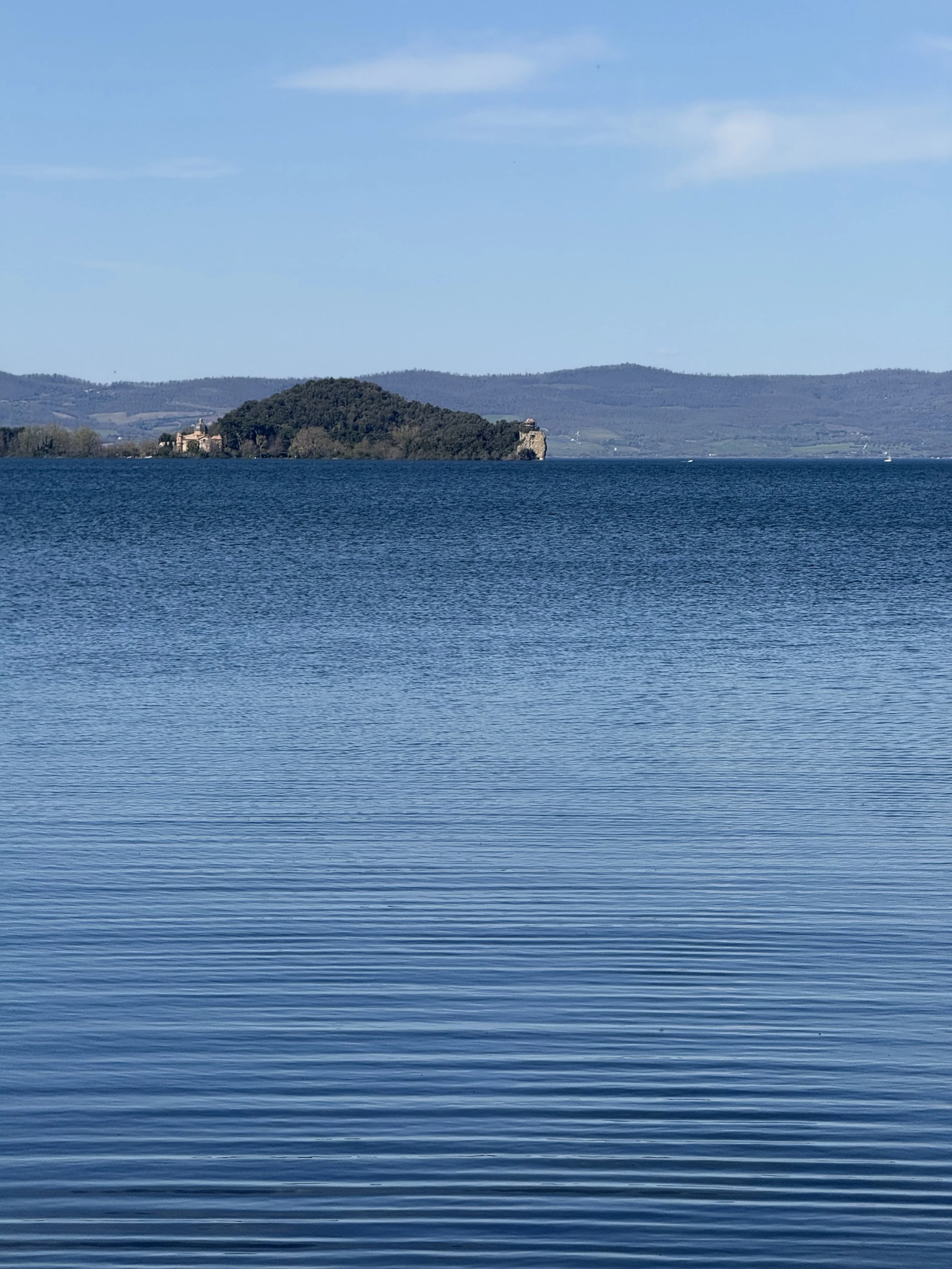
It is difficult to see clearly when the surface of water is constantly disturbed.
It may be that silence works similarly. Only when the water calms do we begin to see beneath it.
One of the simplest changes I have noticed living in Umbria has nothing to do with scenery at all.
People acknowledge each other here.
A quiet buongiorno while passing someone on a morning walk. A brief exchange at the bar. A wave from a neighbour driving past. These are small gestures, but over time they create a subtle feeling of being recognised as a person rather than simply moving anonymously through space.
I cannot always say the same about larger cities, where life often feels faster, more individual and emotionally self-contained.
Living in Umbria has not magically resolved these questions for me. Quiet places do not automatically create peaceful minds. One can move to the countryside and still carry anxiety, distraction and restlessness internally. Retreats and slow travel can easily become performances too - another carefully curated identity shared online rather than genuinely experienced.
Perhaps this is the contradiction of modern wellness culture. We travel seeking escape from overstimulation, yet often bring the same habits with us. The need to document. To optimise. To consume experiences quickly. To constantly seek validation, even while supposedly resting.
Modern travel sometimes feels increasingly shaped by imitation.
People queue to recreate photographs they have already seen online. Restaurants become destinations not because one understands the cooking, philosophy or story behind them, but because they appear on enough lists. Places are visited through inherited expectations rather than simply being curious.
I have noticed how easy it is to move through a destination trying to confirm what has already been seen on screens instead of allowing oneself to observe more slowly and form personal impressions.
It could be that this is another consequence of constant stimulation - we progressively want to be told what is worth seeing rather than than learning how to truly notice things for ourselves.
Maybe many of us are simply responding to the rhythms modern life encourages - movement, visibility, stimulation and the feeling that we should always be doing something.
And yet, quieter environments do seem to reveal certain things more honestly.
Without constant stimulation, feelings become harder to outrun. One notices inner restlessness more easily. Silence can feel uncomfortable precisely because it leaves fewer distractions between ourselves and our thoughts.
Perhaps this is partly why concepts like la dolce vita or il dolce far niente continue to resonate so strongly around the world. Much like Japanese philosophies such as ikigai (a person’s sense of purpose) or wabi sabi (the art of finding the beauty in imperfections), they suggest ways of living that feel increasingly absent from modern life - slower, more grounded, less obsessed with optimisation and performance.
Yet these ideas risk becoming slogans if reduced only to aesthetics or hashtags.
Owning beautiful objects, travelling slowly or moving to the countryside does not automatically create contentment. There is no checklist for appreciating a place more deeply. No formula for becoming more present.
Maybe genuine appreciation simply requires attention.
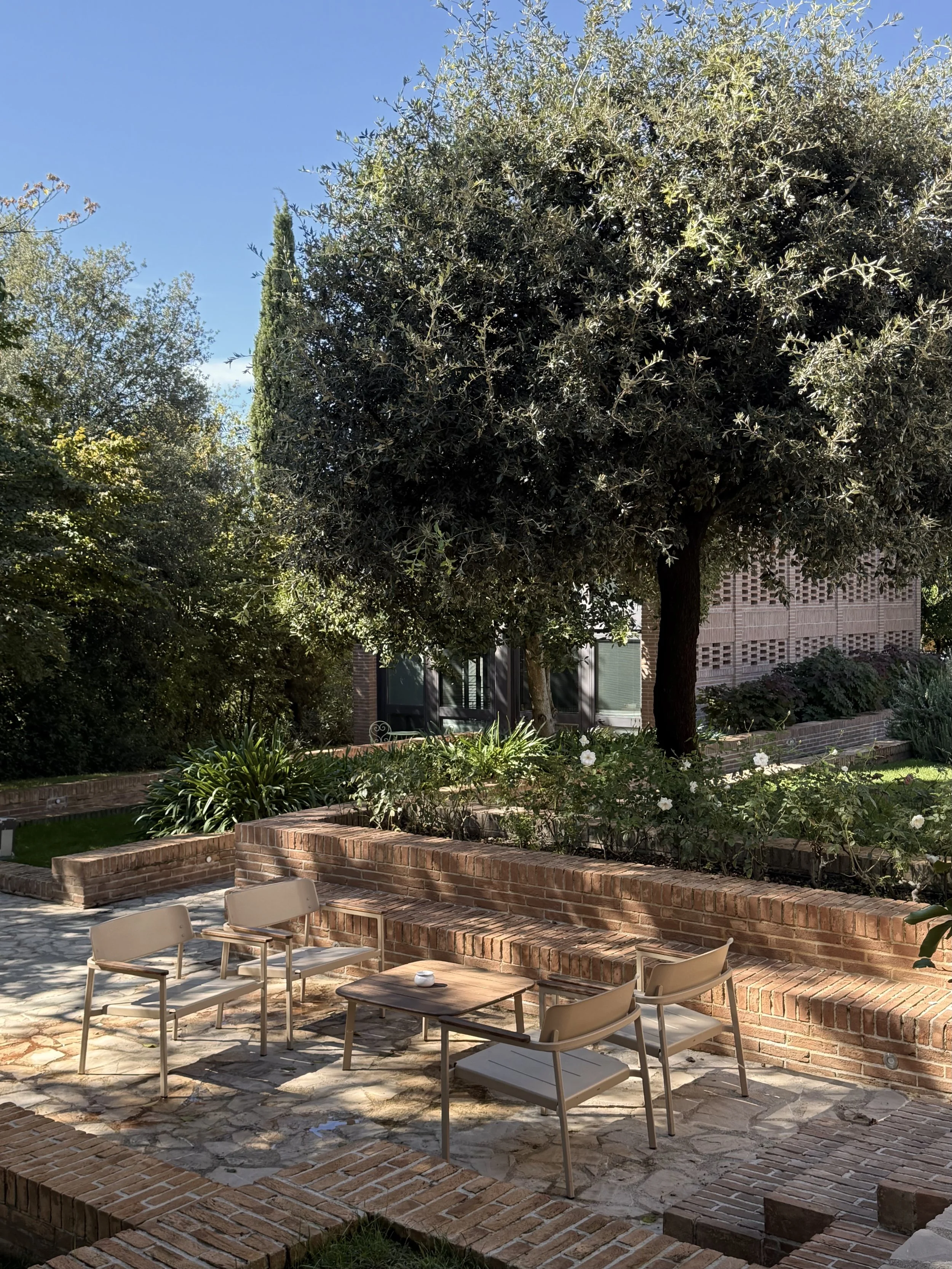
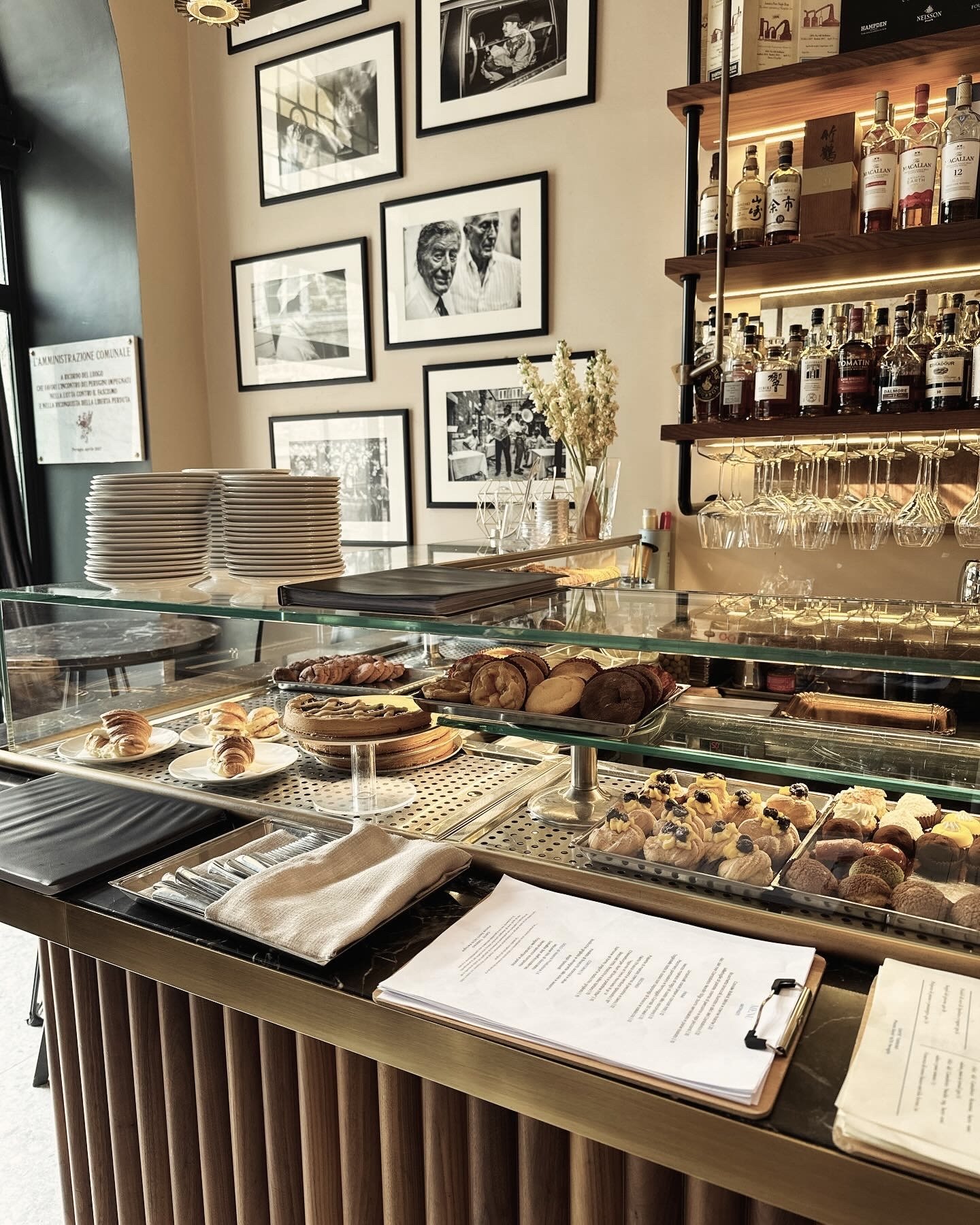
Time spent sitting quietly in a piazza without rushing elsewhere. Returning repeatedly to the same café until familiarity slowly replaces novelty. Learning to notice changing light across old stone walls. Listening more carefully during conversations instead of reaching instinctively for the phone. Allowing places, meals and people to unveil themselves rather than consuming them as quickly as possible.
I still do not fully know what slow living truly means. I still catch myself reaching for distraction, reassurance and momentum more often than I would like to admit.
Il dolce far niente may literally translate to “the sweetness of doing nothing”.
Yet perhaps its real beauty lies in learning how to be present with oneself without constantly needing noise, distraction or the reassurance of momentum.
Before you leave, you are invited to sign The Guestbook.
Further Reading
The Places We Carry - on food, family and finding home between Asia and Italy.
The Performance of Living Well - A reflection on travel, presence and the quiet pressure to constantly optimise experience
Unless otherwise credited, all photography and written content are original works by Foodie Goes Travel.
