The Places We Carry
On food, family and finding home between Asia and Italy
Words and photograph by JJ Wong
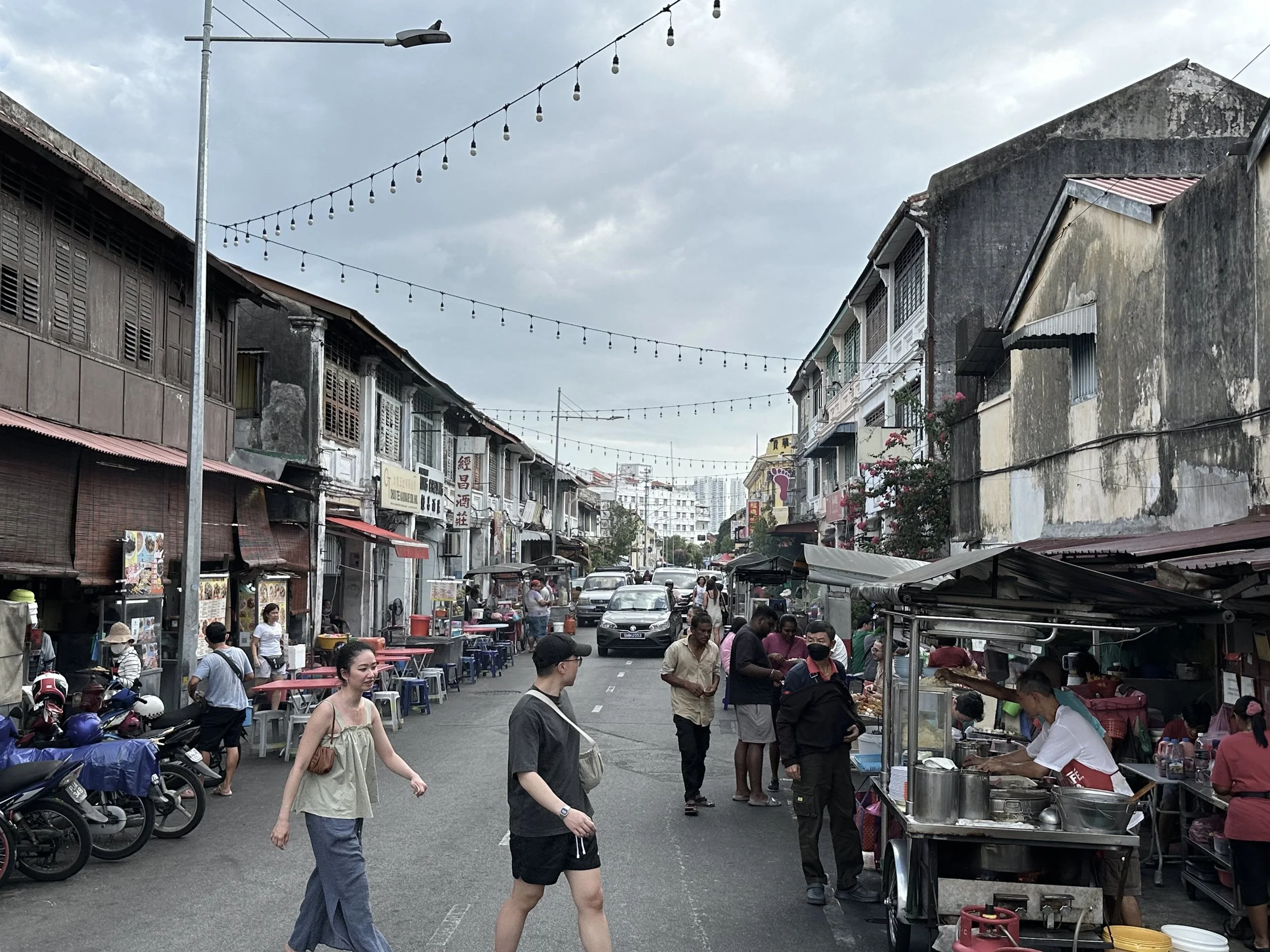
There are places that sharpen your senses, and places that soften them.
For a long time, I thought I was searching for one over the other. The energy of cities or the calm of quieter landscapes. The pulse of Asia or the stillness of central Italy.
Movement or silence.
But over the years, travelling repeatedly between Malaysia, Hong Kong, Singapore and Umbria, I began to realise that what stayed with me most was not necessarily the landmark, the restaurant or even the destination itself.
It was rhythm.
The way a place moves.
The way people inhabit space.
The way certain rituals quietly repeat themselves across generations.
The way some places leave your mind restless, while others allow you to hear yourself more clearly again.
Some of my earliest memories are tied to food and family.
Not in restaurants, but at home - watching my grandma cook quietly in the kitchen, observing movements so instinctive they barely required thought. A soup simmering slowly through the afternoon over charcoal fire, done the traditional way, never rushed. Ingredients prepared by memory rather than measurement, as my grandma called it, “agak-agak” - a colloquial Malay expression commonly used in Malaysia and Singapore that simply means “approximately”.
Multiple dishes would be placed at the centre of the table for everyone to share.
In many Asian households, food becomes a form of care long before emotions are verbalised.
Love is often expressed indirectly.
Through preparation.
Through repetition.
Through asking whether you have eaten.
In many Asian families, affection is rarely expressed through direct declarations. Instead, it reveals itself quietly through gestures repeated over a lifetime - peeling fruit for someone without being asked, preparing a favourite soup, saving the last piece of a dish for another person at the table.
Years later in Italy, I discovered a different expression of love altogether. More verbal. More physically affectionate. Families embracing openly in public, saying “I love you” without hesitation, gathering constantly around long meals that stretch across entire afternoons.
Different forms of expression, yet emotionally familiar in ways I did not expect.
Only later in life did I begin noticing how deeply these rituals had shaped my understanding of comfort, intimacy and home.
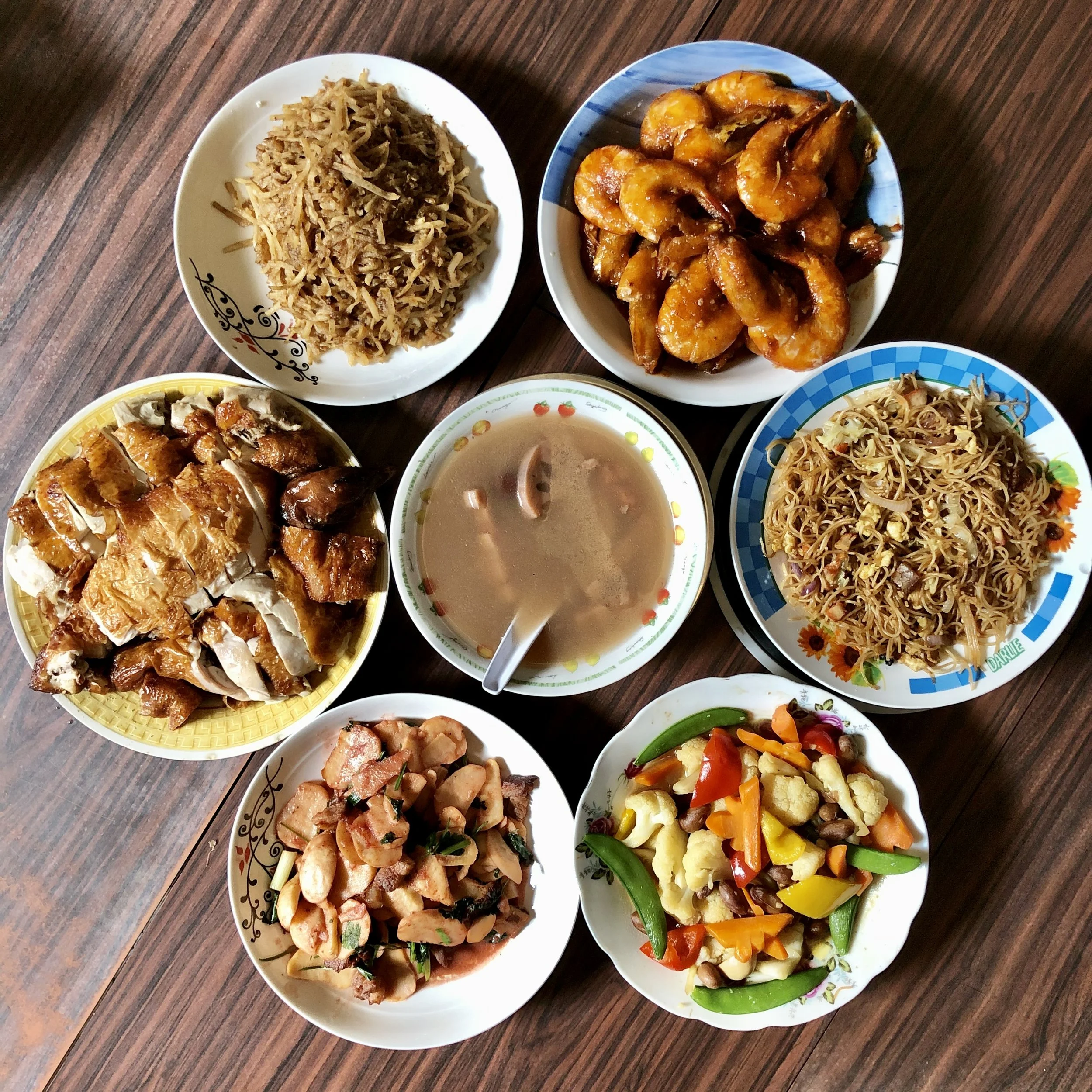
Meals in Southeast Asia rarely unfold formally.
Multiple dishes arriving at once. Sweetness against spice. Acidity against richness. Conversations stretching across the table while the city continues outside.
Food becomes memory long before we realise it.
Even now, certain flavours transport me back to specific moments and people more vividly than photographs ever could.
And perhaps that is why I continue returning.
Not simply for nostalgia, but because food often becomes one of the deepest ways we remember who we are.
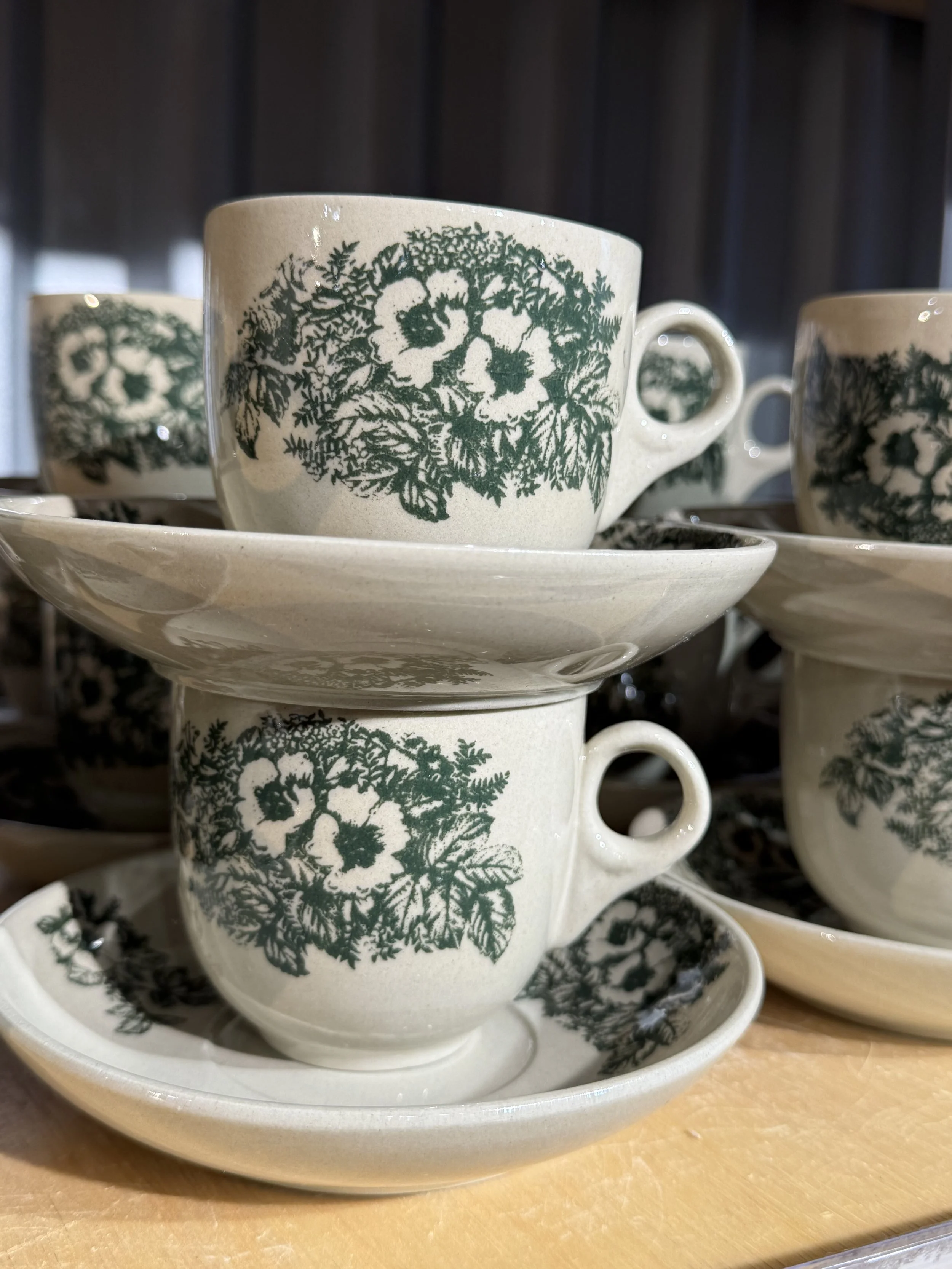
There is something deeply emotional about objects that quietly survive across generations.
The floral coffee cups found in old kopitiams - traditional coffee shops found across Malaysia and Singapore. The faded marble tables. The sounds of spoons against ceramic. Elderly regulars arriving at the same kopitiam each morning almost as ritual.
These places are not merely cafes.
They are repositories of memory.
In rapidly modernizing cities, they remain among the few spaces where time still seems to move at a human pace.
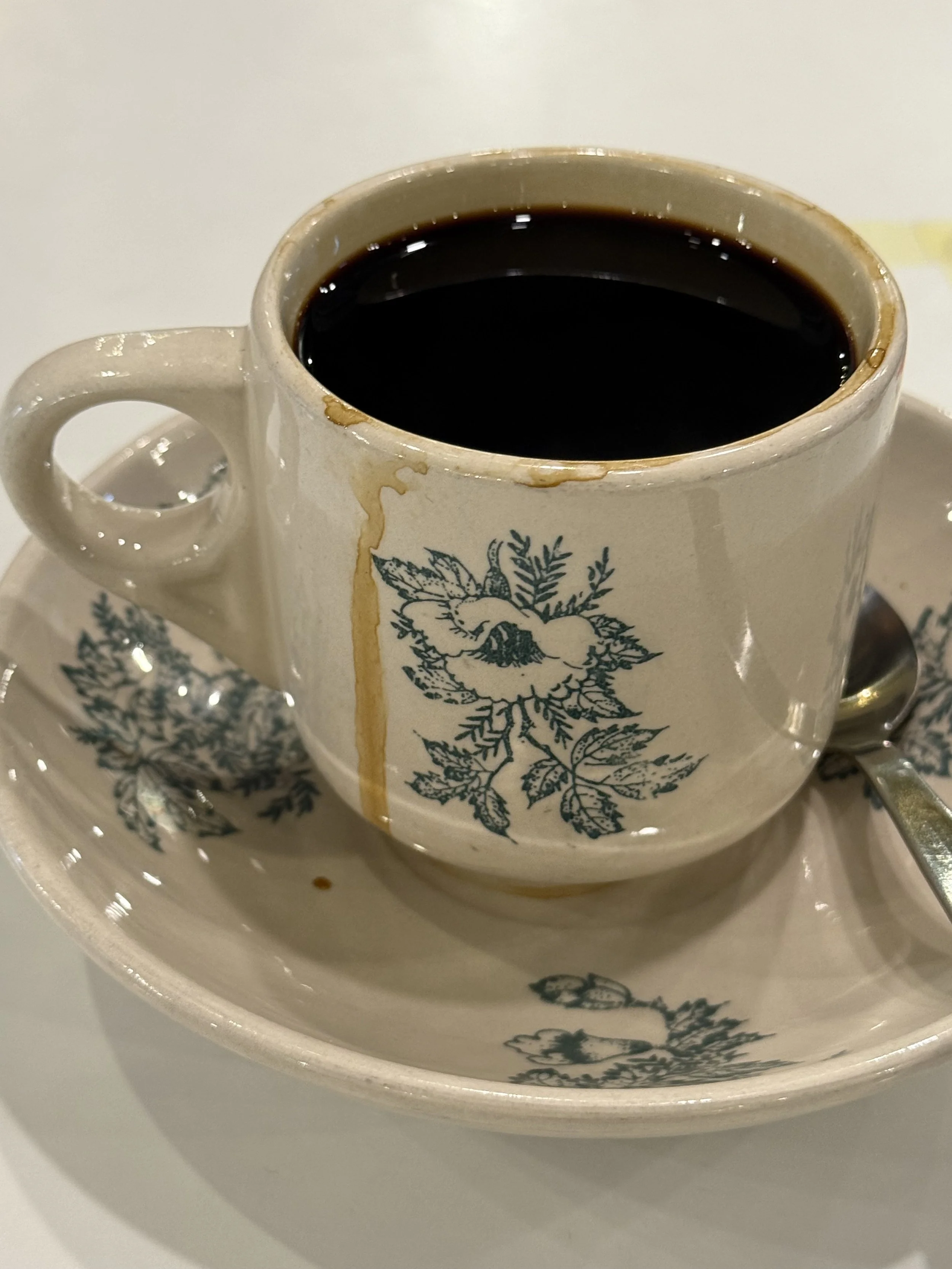
Coffee itself has become one of the quiet threads connecting my life between Asia and Italy.
In Southeast Asia, coffee often savoured slowly - over conversation, over long afternoons, over family gatherings and repetition.
In Italy, espresso is ritual stripped to its essence - fast, precise, instinctive.
Different rhythms.
Different emotional textures.
Yet both are deeply rooted in daily life.
And strangely, years later in Italy, I began recognizing any of the same emotional rhythms I had grown up with in Asia.
Not necessarily through the cuisine itself, but through the culture surrounding it.
The importance of long meals.
Multiple generations gathering around a table.
Recipes passed quietly through families.
The emotional significance attached to ingredients, seasons and tradition.
Despite their differences, both Asian and Italian cultures seem to understand something increasingly rare in modern life:
That meals are not interruptions to life.
They are life itself.
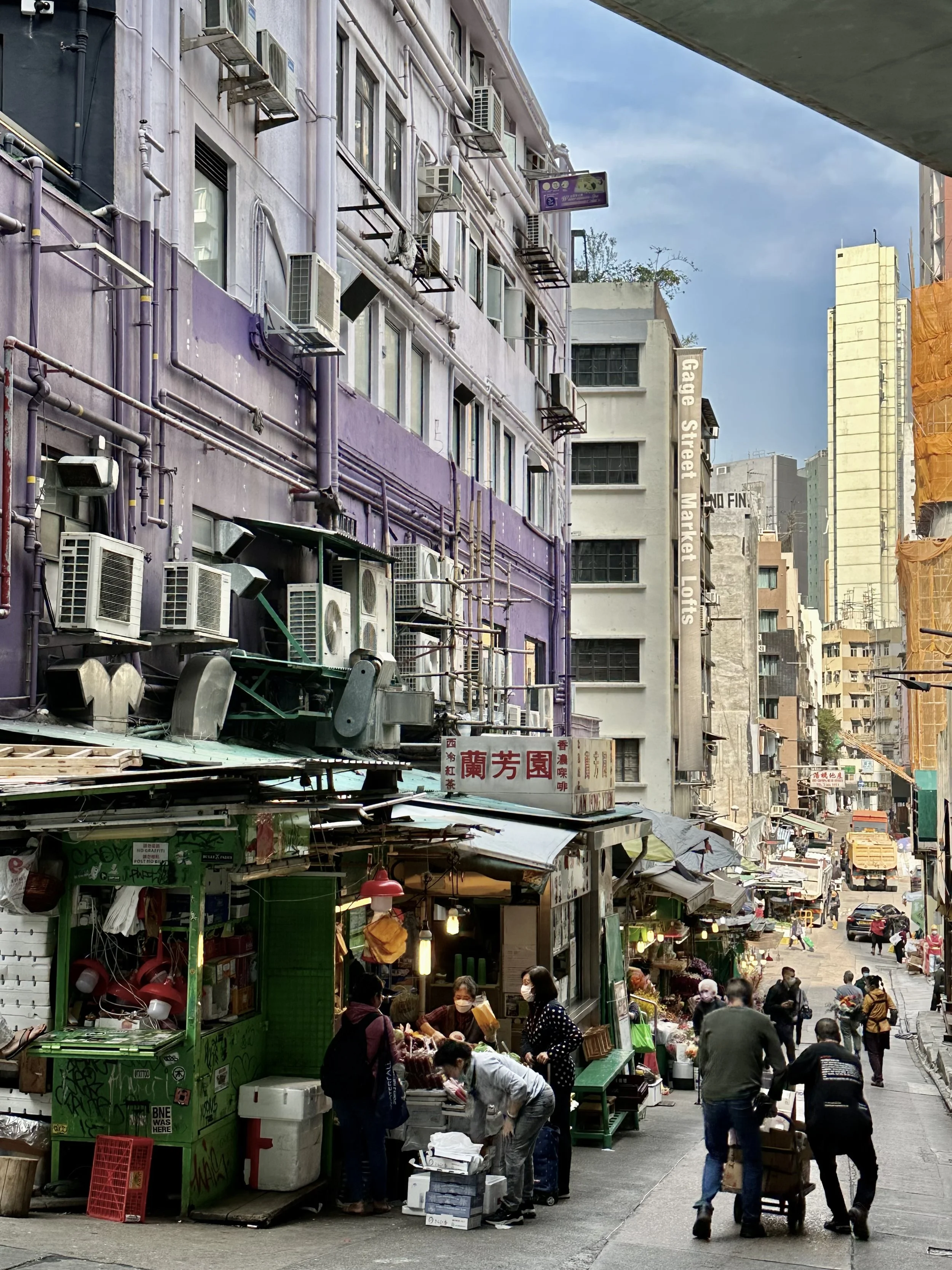
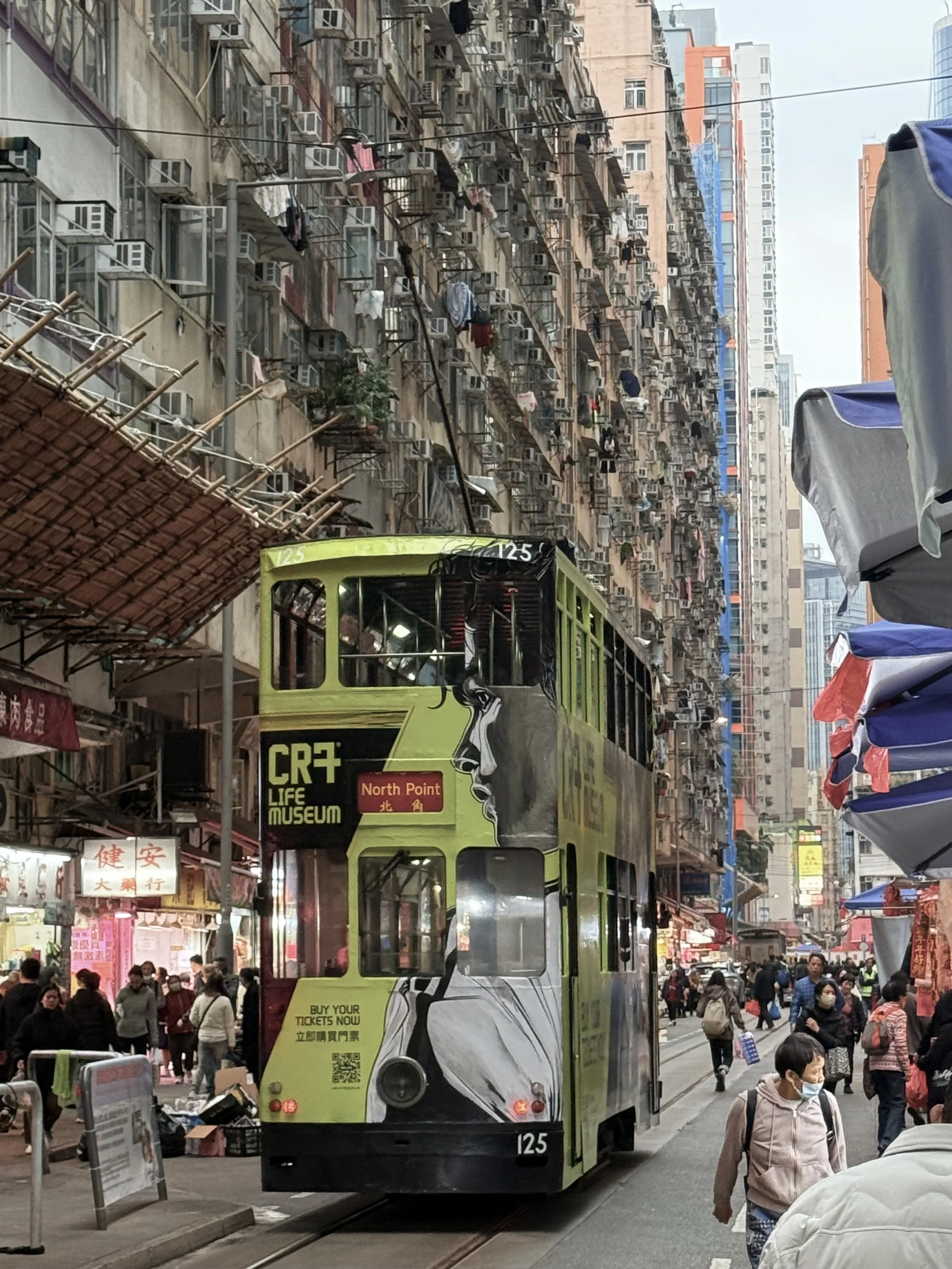
In Hong Kong, density becomes its own atmosphere.
You feel it in the stacked apartment windows, compressed streets, hanging laundry and endless verticality of everyday life.
The city never fully pauses.
And yet somehow, life continues with remarkable tenderness inside that intensity.
People still gather for yum cha.
Neighbours still recognize one another.
Late-night noodle shops remain full long after midnight.
Movement continues.
Ritual continues.
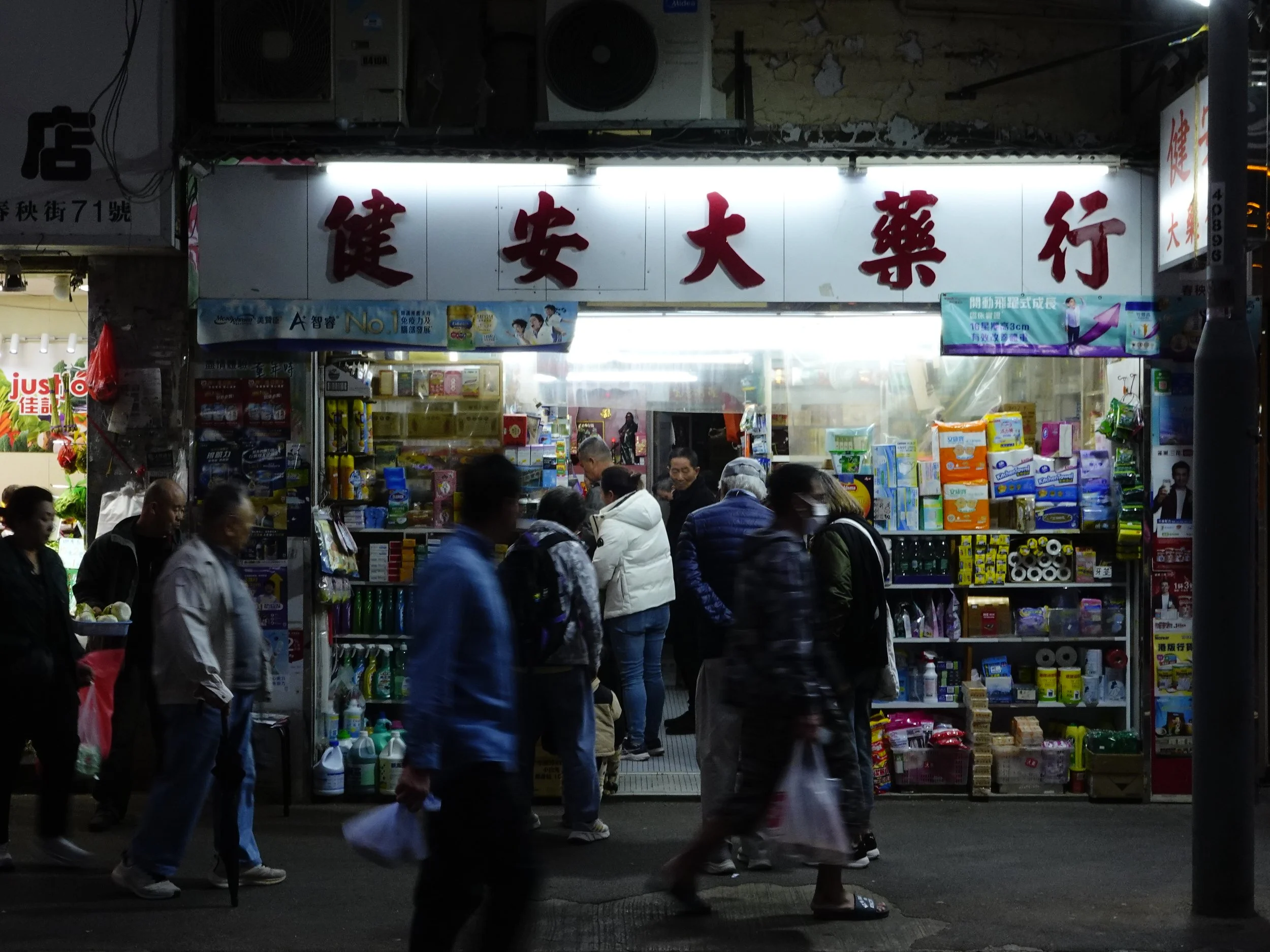
Late at night, I often find myself drawn away from polished districts and towards older neighbourhoods where fluorescent signs still glow above family-run shops.
There is something deeply human about these streets.
An elderly shopkeeper watching people pass by.
Someone buying fruit before heading home.
The quiet fatigue of a city still moving long after midnight.
In cities like Hong Kong, even exhaustion seems layered with memory.
Even now, whenever I fly into Hong Kong and hear the captain announcing our descent before landing, I still feel a quiet excitement in my chest.
For a period of my life, this city was home.
The speed, the efficiency, the density, the constant movement - exhausting at times, yet strangely energising. Hong Kong taught me professionalism, ambition and rhythm in ways few other places could.
But it also taught me the importance of escape.
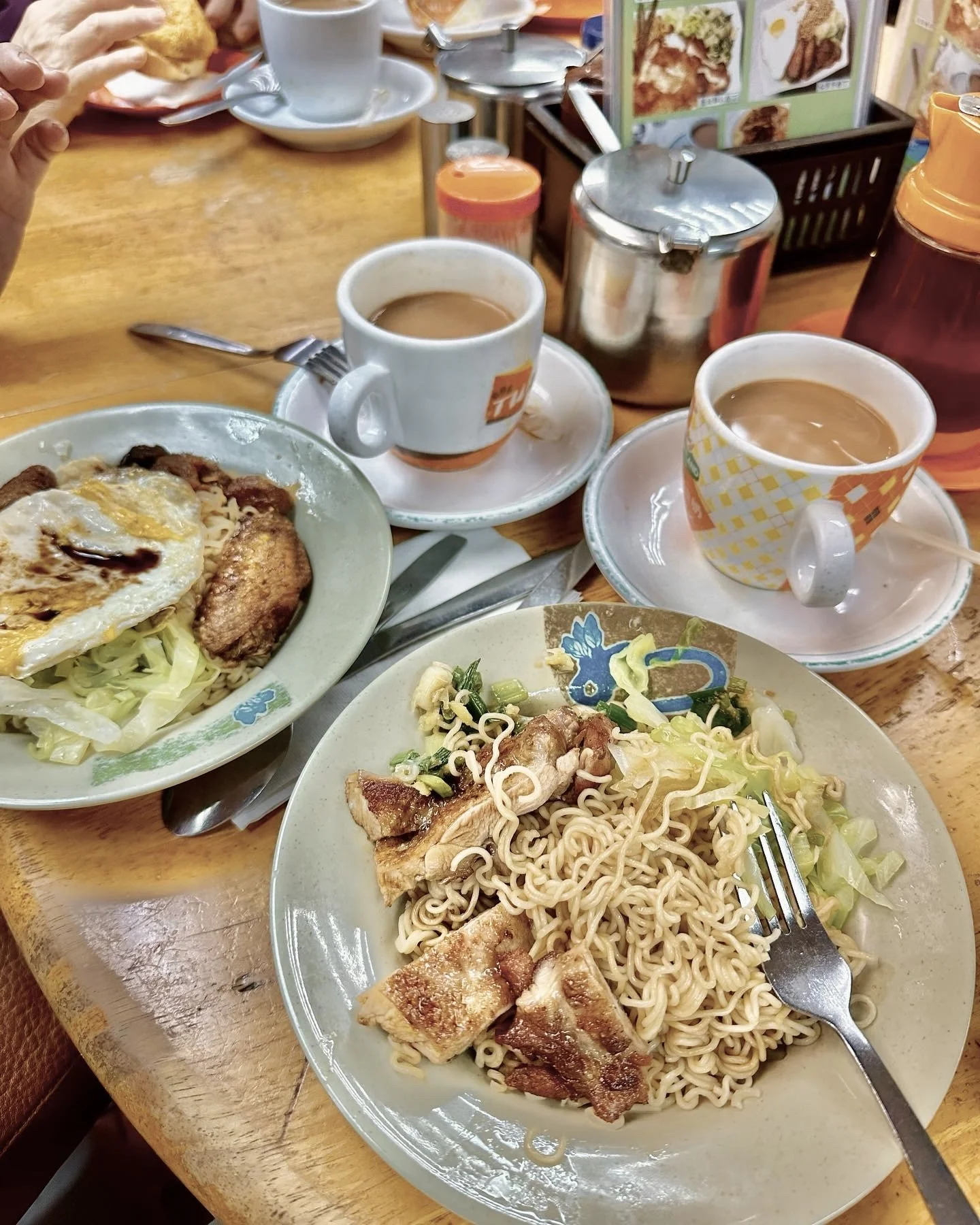
Some of my fondest memories there are unexpectedly quiet ones - hiking trails overlooking the sea, arriving at Shek O beach after long walks, drinking Hong Kong milk tea with tired legs and salty air still lingering on my skin.
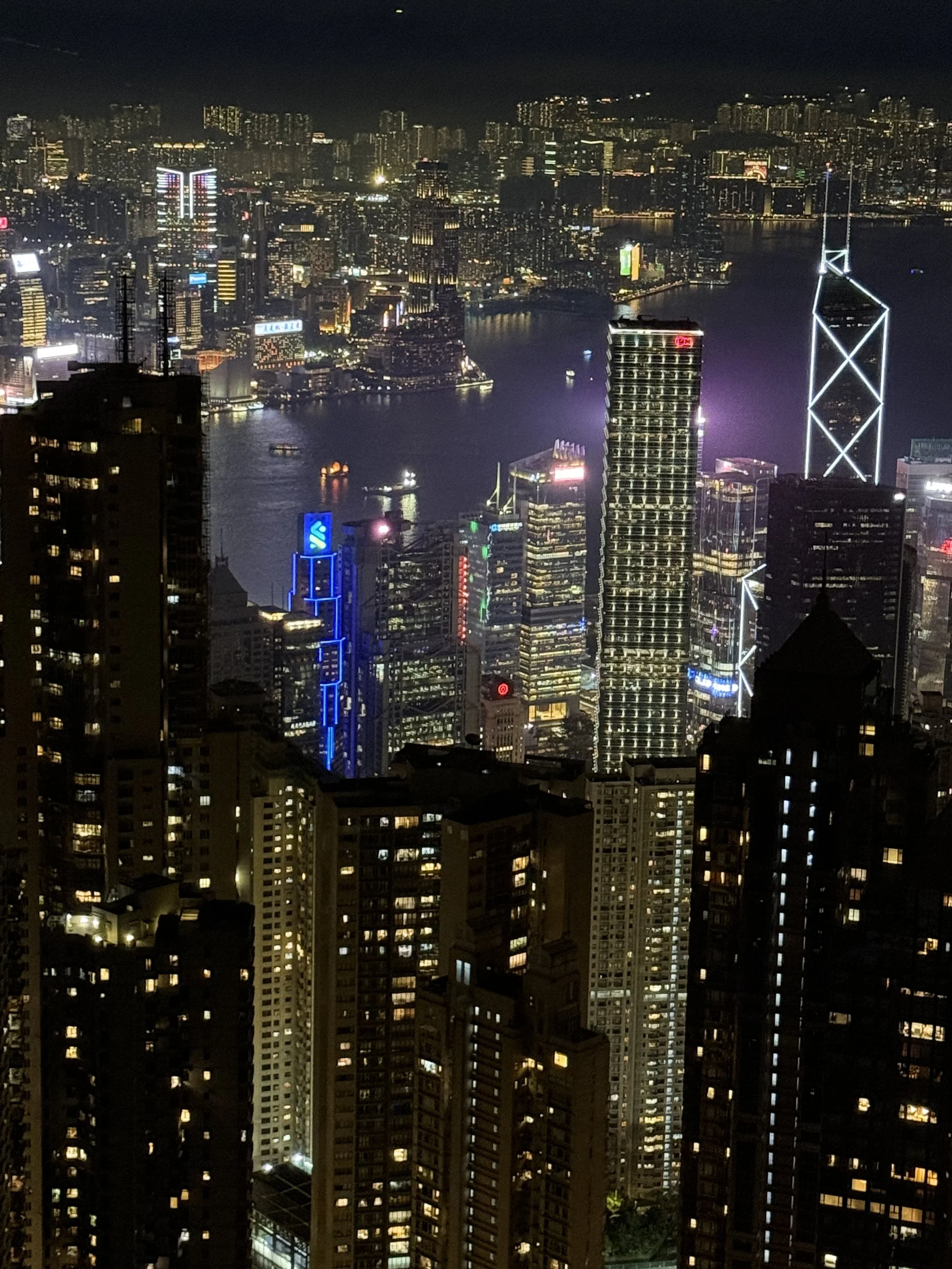
For many years, I was deeply drawn to this intensity.
The ambition of Asian cities fascinated me - the speed, the architecture, the sense that entire skylines could reinvent themselves within a decade.
There is excitement in that momentum.
A feeling that possibility itself becomes part of the atmosphere.
But eventually, after years moving between continents, I began noticing something else.
The more time I spent inside highly accelerated environments, the more I started craving slowness in equal measure.
Not escape.
Not isolation.
Just space.
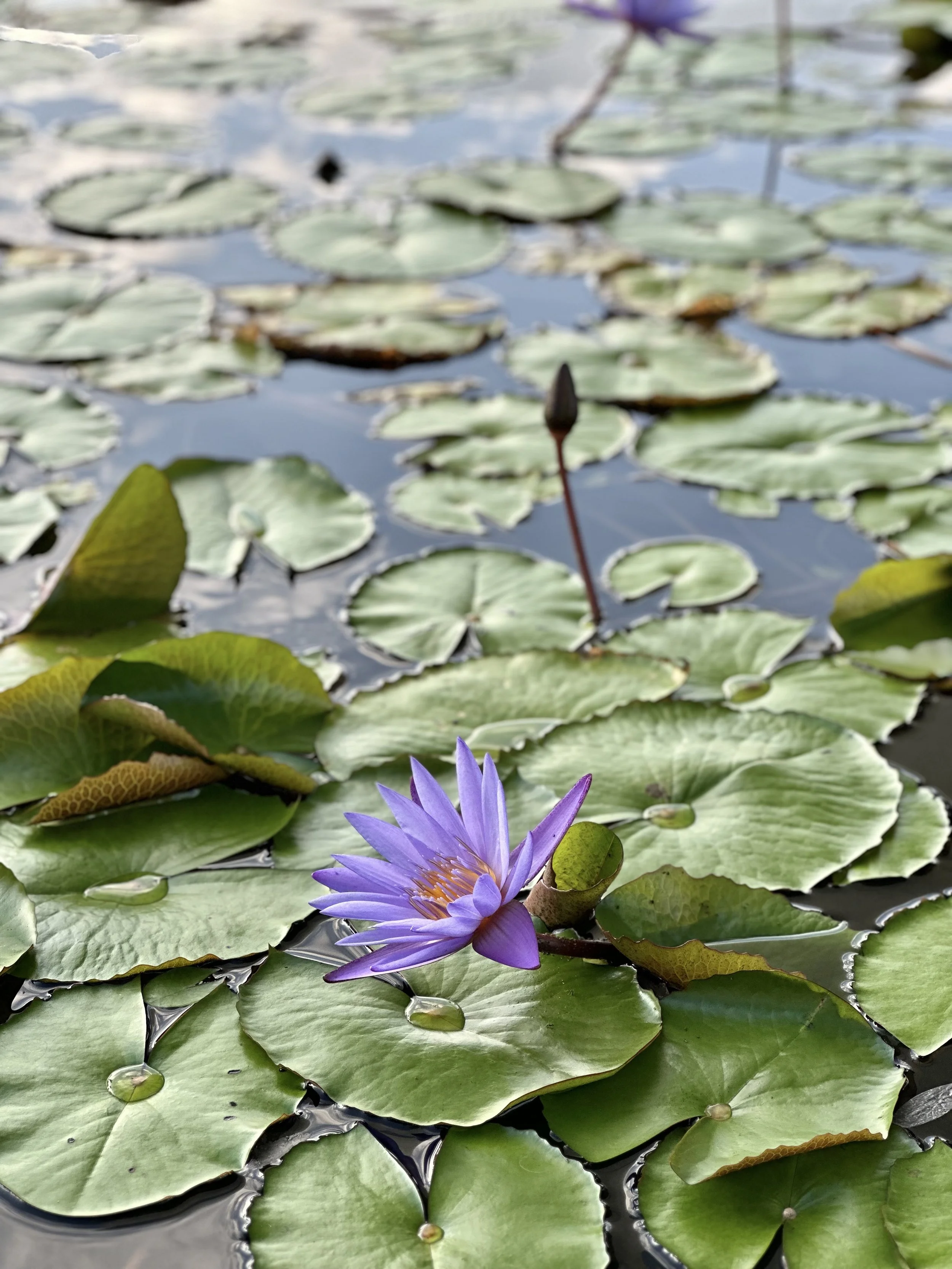
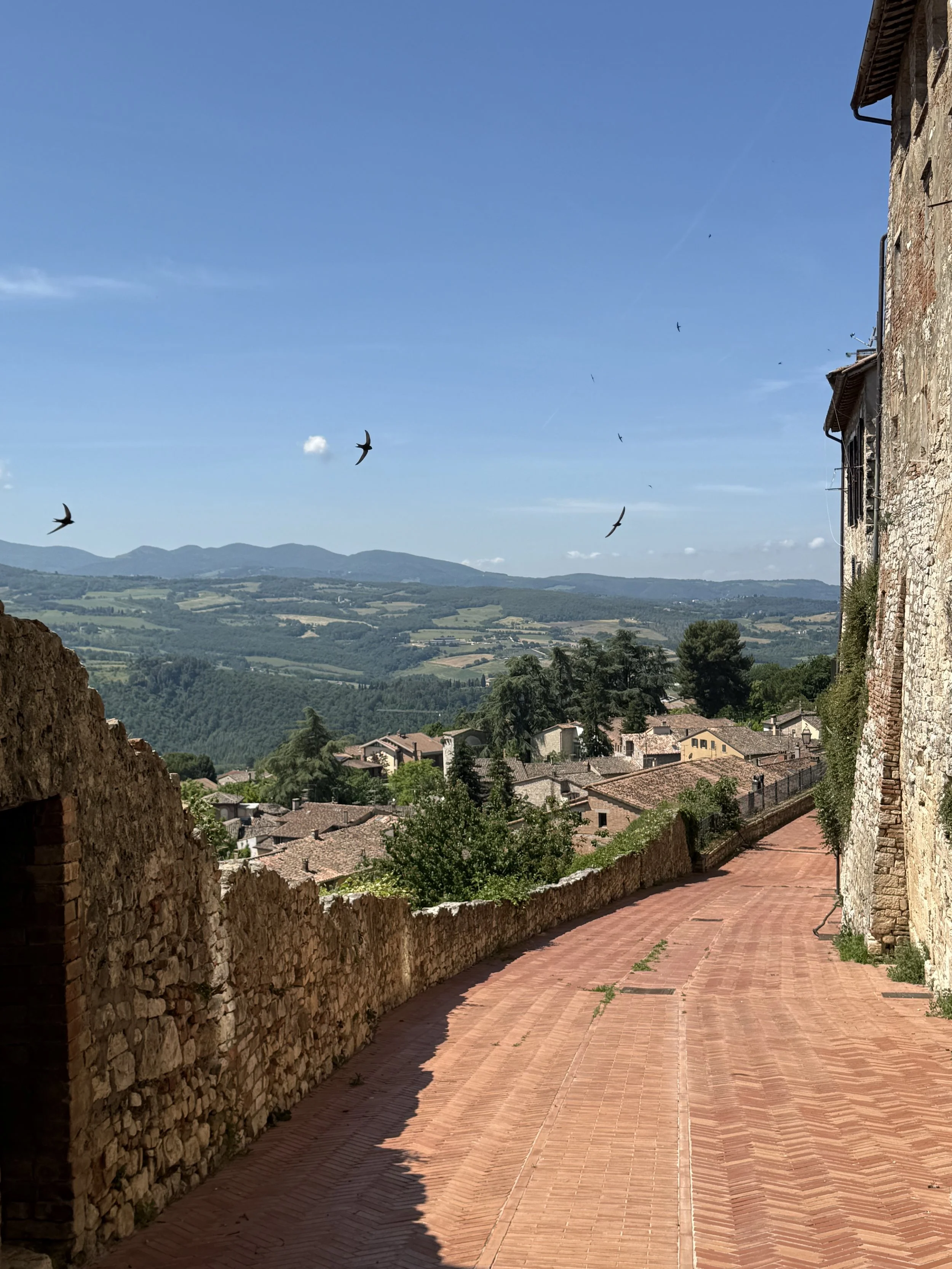
In Umbria, silence feels physical.
You notice it immediately when walking through the hills in the early morning, hearing only birds and distant wind moving across the valleys.
The rhythm here is entirely different.
Stone villages sit quietly above hills and olive groves that have changed little over centuries. Afternoon light stretches slowly across terracotta rooftops. Conversations linger longer. Meals begin later. Time itself feels less compressed.
At first, the slowness felt unfamiliar compared to the intensity of Asian cities I had always known.
Life in Umbria also required a different kind of patience.
Restoring an old stone house in the countryside taught me that not everything here moves according to plan. Contractors arriving later than promised. Unexpected structural surprises hidden inside centuries-old walls. Bureaucracy unfolding at its own rhythm regardless of urgency.
In Asia, I had grown accustomed to efficiency, predictability and control.
Italy slowly taught me something else entirely - that not everything uncertainty needs to be resisted immediately.
Over time, I stopped measuring life purely through productivity and began appreciating slower forms of attention instead.
Perhaps that shift changed me more deeply than I realised.
But over time, I also began recognising something unexpectedly familiar beneath the surface.
Family still sits at the centre of daily life here.
Grandparents remain deeply woven into family structures. Meals still carry emotional weight. Food is still treated not merely as consumption, but as ritual, memory and continuity.
Different languages.
Different ingredients.
Different landscapes.
Yet emotionally, not entirely different worlds.
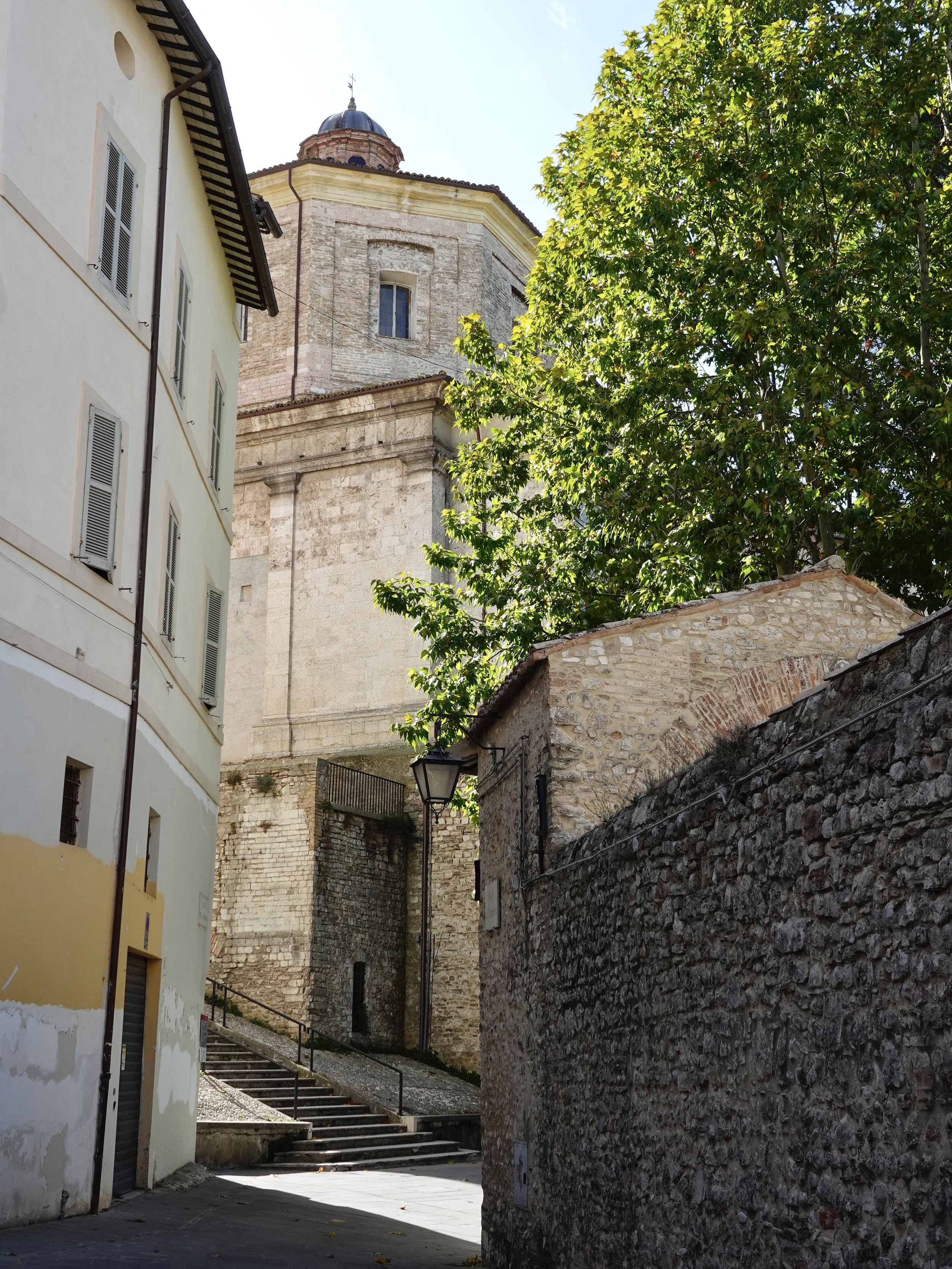
What I love most about central Italy is not spectacle, but atmosphere.
The way beauty appears gradually.
A narrow alley opening towards an old church.
The warmth of limestone walls in late afternoon light.
An espresso taken standing at a bar counter.
An aperitivo as the sky softens into evening.
These moments are small.
But together they create an entirely different relationship with daily life.
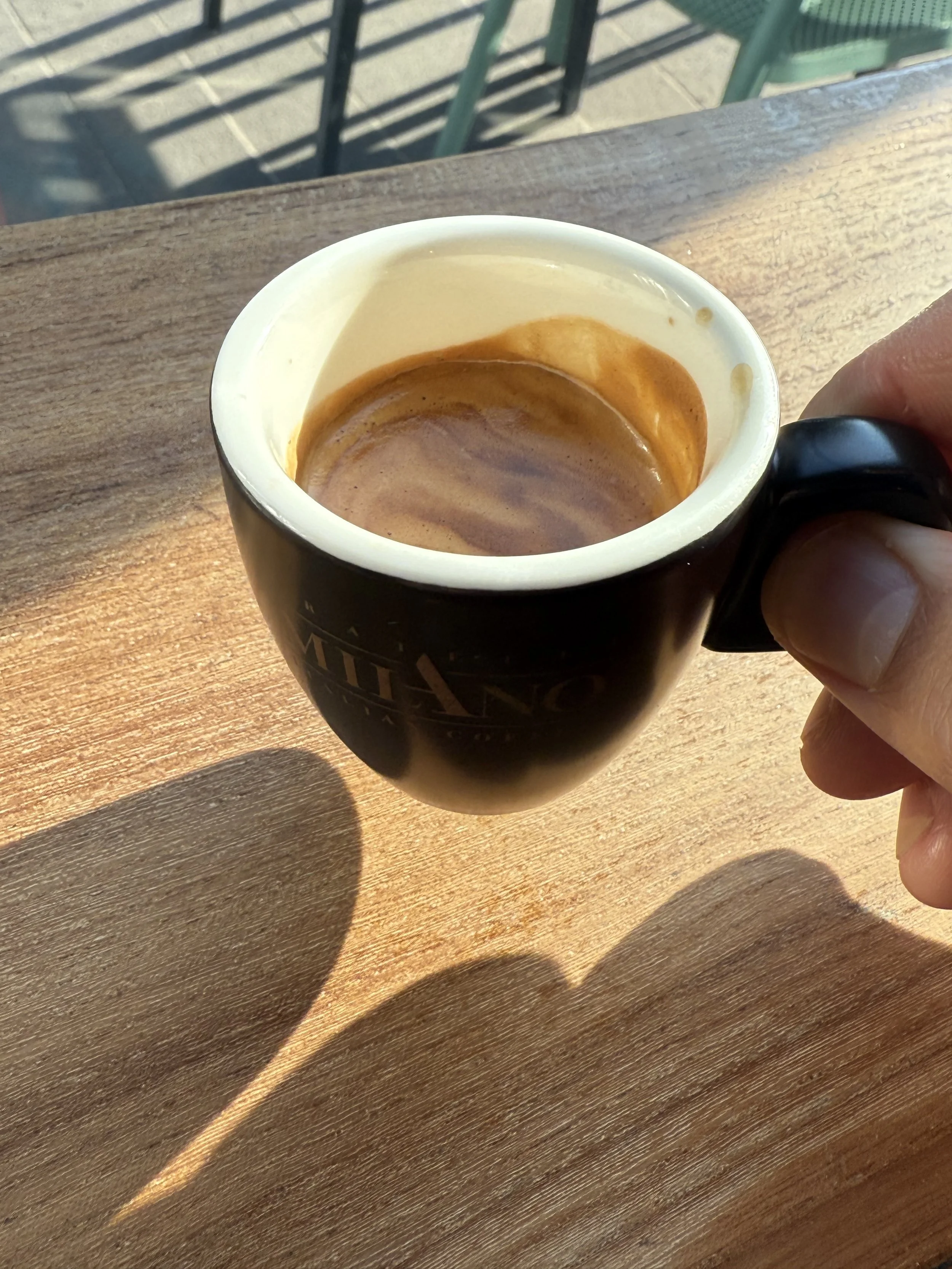
Living between Asia and Italy has slowly changed the way I think about luxury, success and travel itself.
II find myself less interested in performance and more interested in emotional texture.
Places that retain memory.
Places where rituals still matter.
Places where food, architecture, conversation and atmosphere continue to shape everyday life meaningfully.
Perhaps that is ultimately what I search for when I travel now.
Not simply beautiful places.
But places that still feels emotionally inhabited.
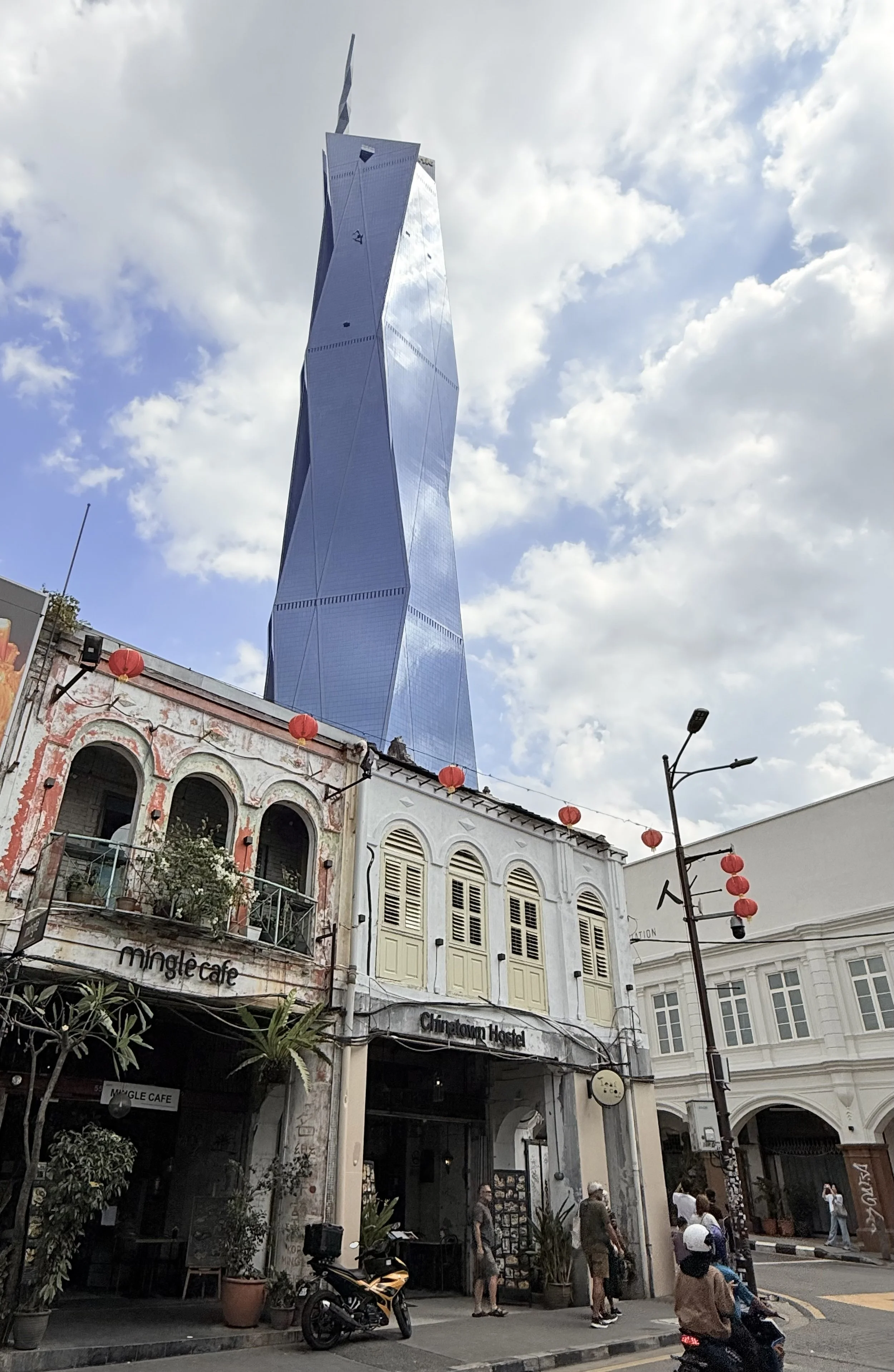
Cities continue to rise higher.
Architectures become more ambitious.
The world becomes increasingly accelerated and connected.
And yet I find myself returning more often to quieter questions.
How do we want to live?
What rhythms nourish us?
What kind of environment allow us to remain present to ourselves?
I do not think there is a single answer.
Perhaps the beauty lies precisely in moving between worlds - between density and silence, ambition and stillness, movement and pauses.
And perhaps travel, at its best, is not about escaping life elsewhere.
But learning to observe our own more clearly through contrast.
One of the Chinese characters in my first name is 家 (jiā), which literally means “home”.
In many Chinese families, names are given carefully and carry earning beyond how they sound. They often reflect hopes, values or wishes that parents quietly hold for their children.
Over the years, I have found myself thinking about that word often.
Especially after moving between different countries, cultures and rhythms of life.
Where is home, really?
For a long time, I thought home was tied to geography - the city you grew up in, the language you speak more naturally, the familiarity of certain streets or food.
But perhaps home is something less fixed than that.
Perhaps home is where your mind softens.
Where your body no longer feels the need to perform.
Where you can simply exist as yourself without constantly adjusting to expectations, noise of judgment.
These days, I no longer think of home as belonging to only one place.
I find traces of it in many different forms - in the humid familiarity of Southeast Asian streets, in family meals that stretch late into the evening, in the quiet hills of Umbria, in conversations over espresso, in old kopitiams, in rituals repeated so often they become part of who we are.
And perhaps that is enough.
Perhaps that is also why I started Foodie Goes Travel.
Not simply to document destinations, restaurants or hotels, but to create a space for reflection - a journal shaped by food, atmosphere, memory and emotional observation.
A place to understand how environments shape us quietly over time.
And perhaps one day, many years from now, a way of looking back not only at where I have travelled, but at who I was becoming while moving between these different worlds.
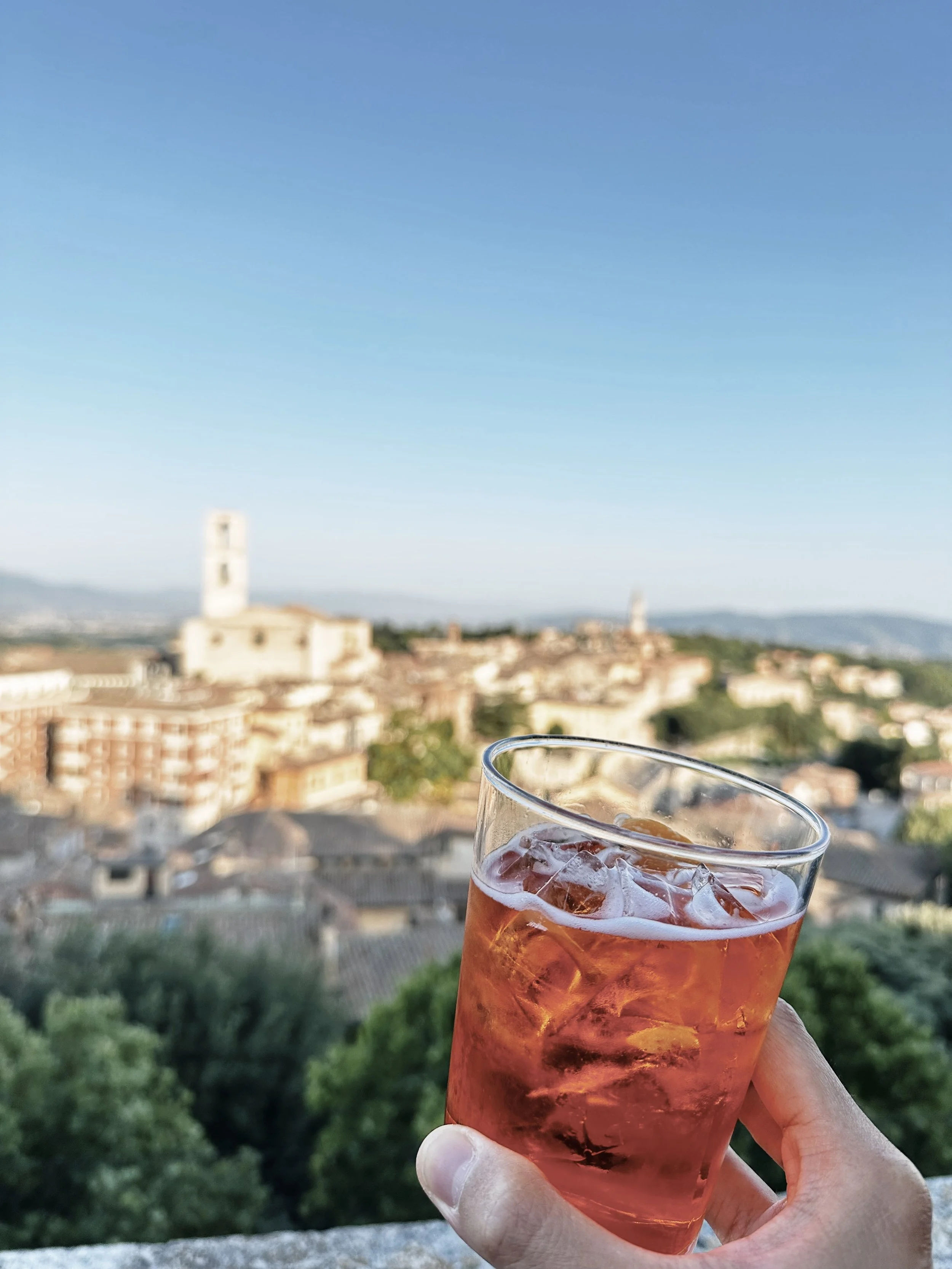
These days, I have come to appreciate both.
The electricity of Hong Kong at night.
The layered streets of Penang.
The evolving skylines of Kuala Lumpur.
The calm hills of Umbria.
Different worlds.
Different tempos.
Yet each, in its own way, continues to teach me how atmosphere shapes the way we feel, think, eat, move and remember.
And perhaps that quiet awareness is what I have really been searching for all along.
Before you leave, you are invited to sign The Guestbook.
Further Reading
The Performance of Living Well - A reflection on travel, presence and the quiet pressure to constantly optimise experience
The Luxury of Silence - on silence, modern restlessness and the quiet rhythms of everyday life in Umbria
Travel, Pre-Experienced - on how digital culture is reshaping the way we travel, anticipate and remember places
Unless otherwise credited, all photography and written content are original works by Foodie Goes Travel.
