Travel, Pre-Experienced
Words and photograph by JJ Wong
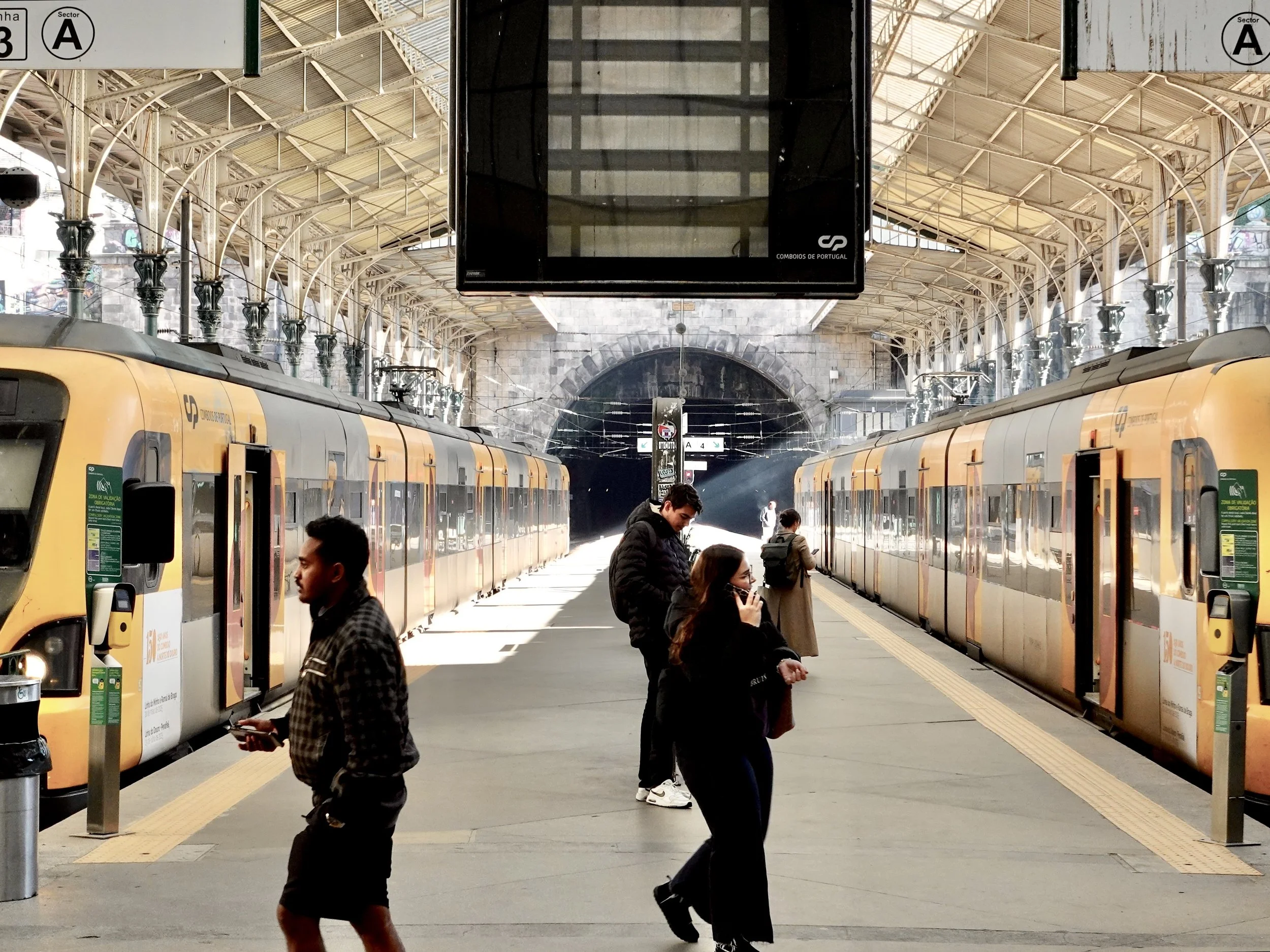
Sometimes we already know the exact photograph we want before arriving at the place itself.
The café table we have seen repeatedly online. The corner seat facing the window. The pastry everyone seems to order. The swimming pool overlooking a valley. The plate of pasta that appears in every travel reel about Rome.
Increasingly, many travellers arrive at places they already feel they know.
Travel has become more globally connected than ever before, yet strangely, the experience itself often feels increasingly standardised. People fly across continents only to stand in the same spots, eat the same dishes, take the same photographs from the same angle and upload them online moments later. Entire journeys are now shaped by algorithmic visibility long before they are shaped by personal discovery.
Social media increasingly sells not simply a destination, but an anticipated emotional identity.
Not:
“This is a beautiful place.”
But:
“This is the life you should want.”
“This is what fulfillment looks like.”
“This is where beautiful people go to feel rested, inspired and emotionally complete.”
The modern traveller is no longer only consuming places. They are also consuming imagined versions of themselves.
And once expectation becomes emotionally scripted, reality begins competing against fantasy from the very beginning.
Recently, I visited a luxury countryside estate in Italy that I had followed online for some time. Its social media presence was impeccably constructed. Slow cinematic videos of people plunging into pools. Couples holding wine glasses against golden sunsets. Linen dresses moving softly in the wind. Captions speaking of privacy, escape and the life we supposedly crave.
“The life I want”
“Nothing planned, everything perfect.”
“Save this hidden gem for your next vacation.”
The estate itself was pleasant enough. What felt underwhelming was not necessarily the property, but the emotional anticipation that had already been built around it long before arrival.
By the time I arrived, the physical experience was already competing with an imagined version shaped through repeated digital exposure.
It made me think about how aggressively modern travel marketing now shapes emotional expectation. I understand why these forms of marketing work because I am susceptible to them too. Most travellers are.
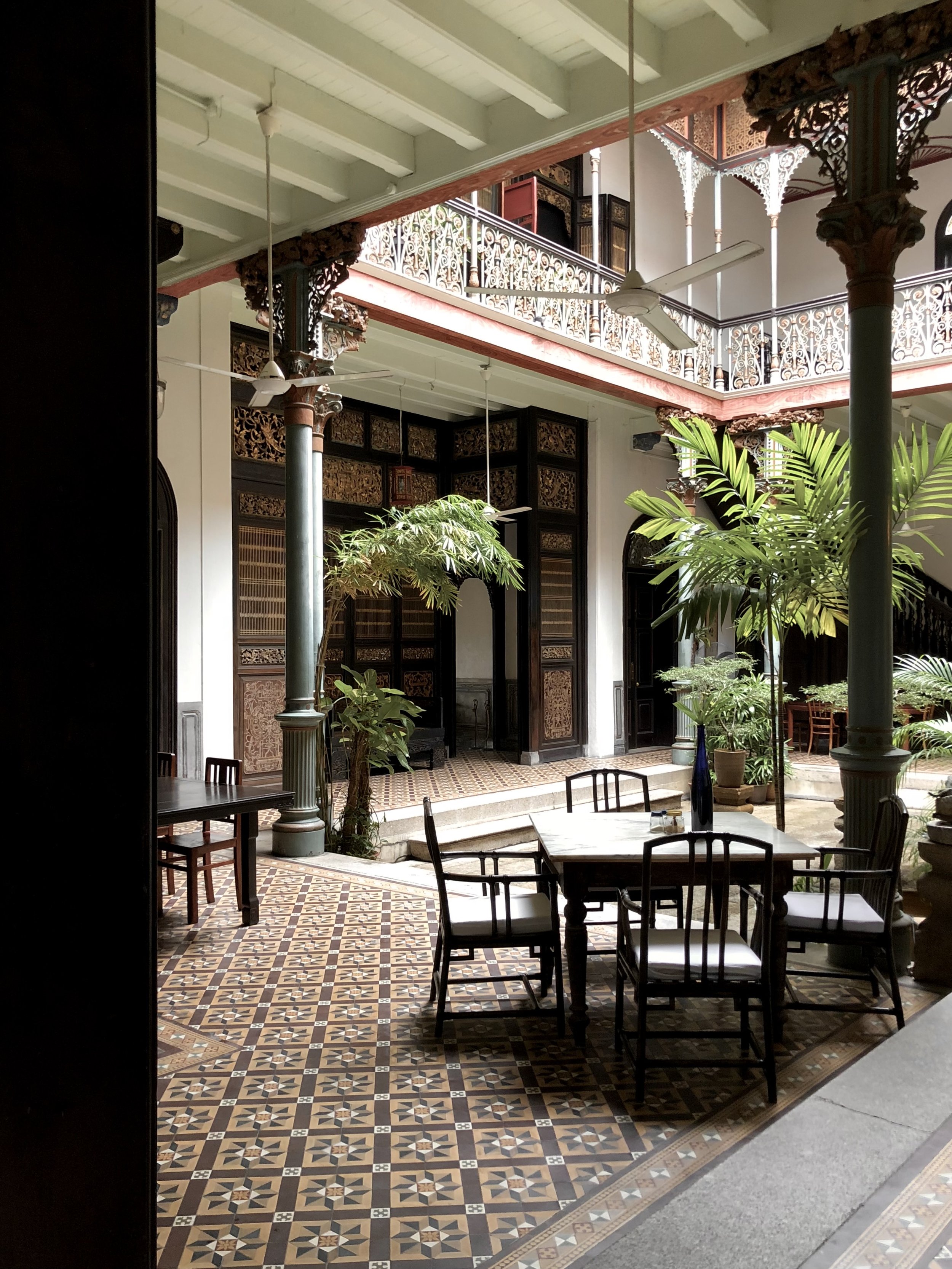
This phenomenon is not entirely new. Long before Instagram reels and travel influencers, films and books were already shaping emotional expectations around destinations. Eat Pray Love turned place like Bali and Rome into symbols of reinvention, healing and self-discovery for an entire generation of travellers.
I experienced something similar myself after watching Crazy Rich Asians when it was first released. The mahjong scene filmed at the Blue Mansion in Penang stayed in my mind long after the film ended. Shortly afterwards, I booked a stay there.
Part of it was cinematic atmosphere, but part of it was also nostalgia. Penang was already emotionally meaningful to me - a place I had spent years enthusiastically describing to friends around the world because of its food, cultural layers and atmosphere. The film simply amplified an emotional connection that already existed beneath the surface.
Years later, I came across an interview with the owner of the Blue Mansion speaking about the sudden surge of visitors after the film’s release. The increased visibility brought international attention and commercial success, but also changed the rhythm of the property itself, particularly for hotel guests sharing the space with large numbers of museum visitors arriving because of the film.
Of course, aspiration itself is not new in hospitality. Hotels, restaurants and destinations have always marketed versions of beauty, escape and emotional desire. That is part of the industry. A hotel is not simply selling a room any more than a restaurant is only selling food. They are selling atmosphere, emotion, memory and the possibility of temporary transformation.
What feels different today is the intensity and frequency of that emotional messaging.
Social media allows aspiration to become continuous and deeply personalised. Travellers are no longer encountering carefully crafted marketing campaigns occasionally through magazine or advertisements. They are absorbing idealised lifestyles daily through endless visual repetition.
The result is that many places are now experienced through layers of anticipation long before they are experienced physically. Certain destinations now come with pre-packaged visual and emotional cues that travellers recognise instantly.
I do not think photography itself is the problem. Some of my most treasured travel photographs are deeply connected to memory.
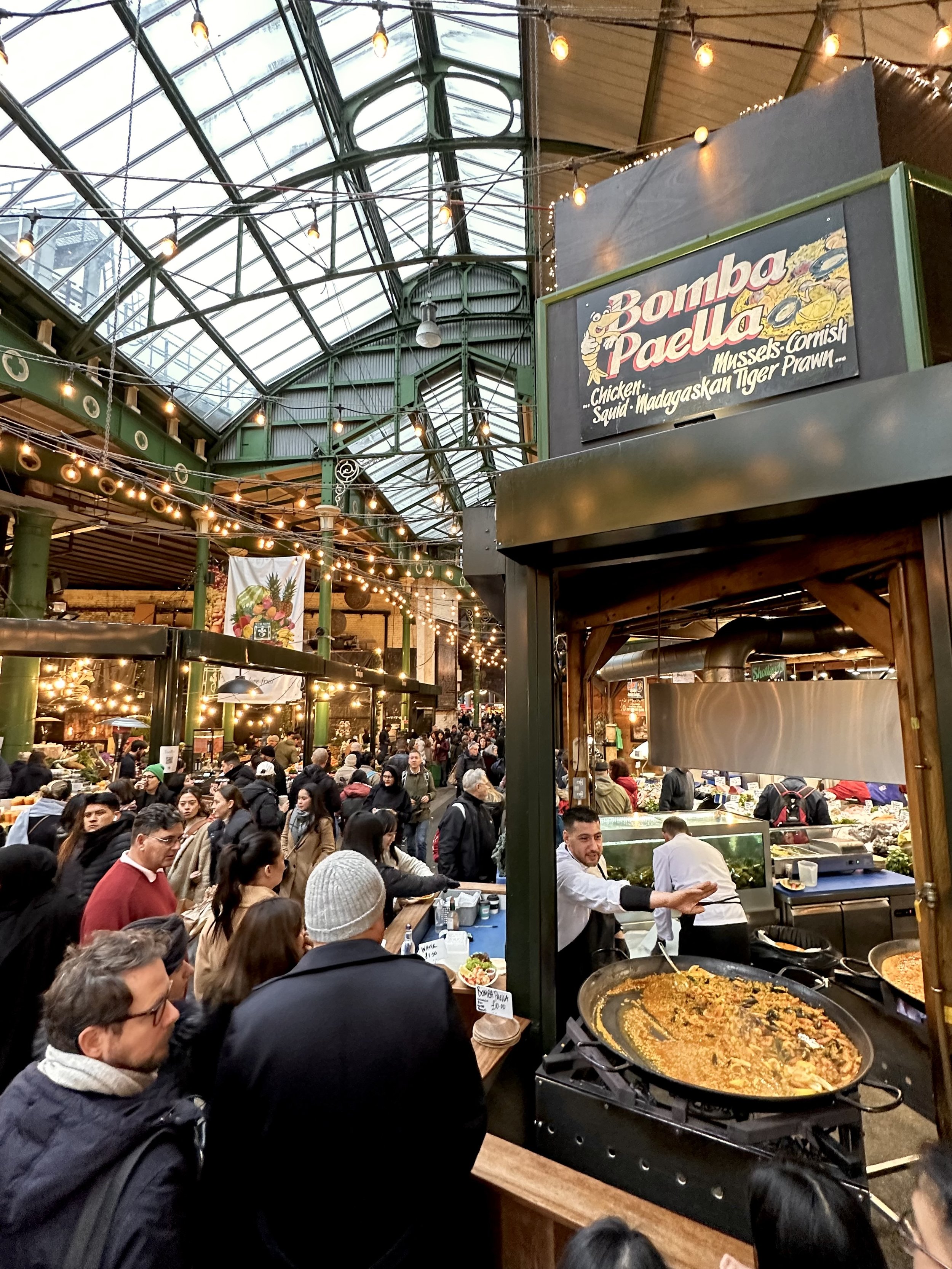
A crowded winter afternoon at Borough Market in London. Steam rising from hot food while people stand shoulder to shoulder balancing paper trays with cold hands. The smell of grilled seafood and fried onions lingering in the air while strangers search for empty corners to eat. Looking at those photographs later transports me back emotionally - not just visually. I remember the cold air, the noise, the slight exhaustion after walking for hours around the city and the comfort of finally holding something warm to eat.
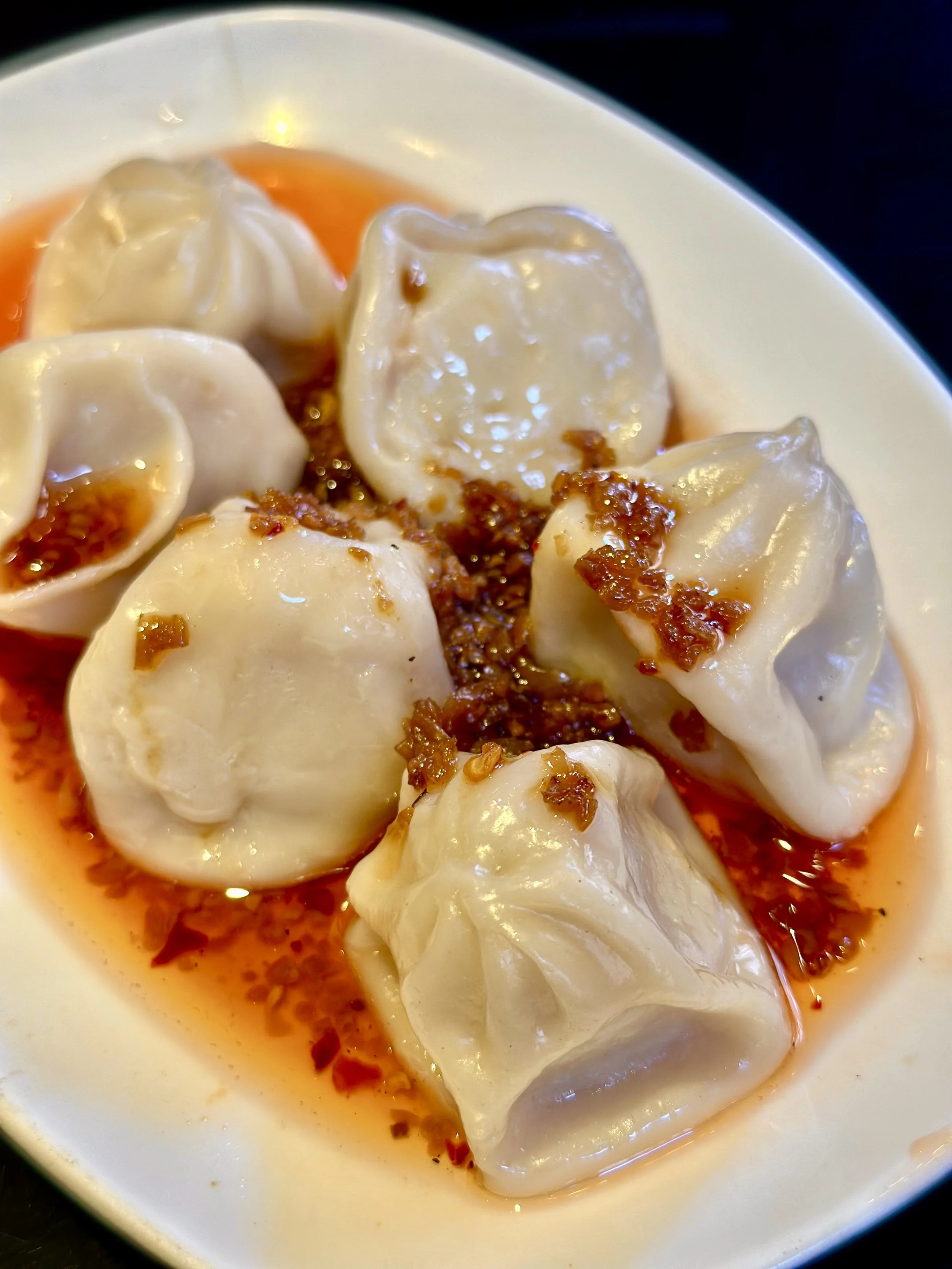
A bowl of dumplings eaten late at night after wandering unfamiliar streets in Beijing. Wet jackets drying beside restaurant heaters during ski trips in the mountains. A rainy afternoon in Rome when traffic lights reflected softly against wet pavement while pedestrians hurried across the street holding umbrellas against the wind.
Photography can preserve atmosphere in extraordinary ways.
But modern travel increasingly encourages people to experience places through the anticipation of future visibility.
The experience itself becomes intertwined with:
how it will appear online,
how recognisable it looks,
how desirable it appears to others,
how successfully it communicates a curated lifestyle.
A destination is no longer simply visited. It is documented, interpreted and transformed into social identity almost immediately.
This psychological shift changes the way people move through the world.
Travellers now arrive carrying pre-designed expectations - where to stand, what to eat, what emotional reaction to have, what version of the place deserves attention.
Anticipation begins replacing discover.
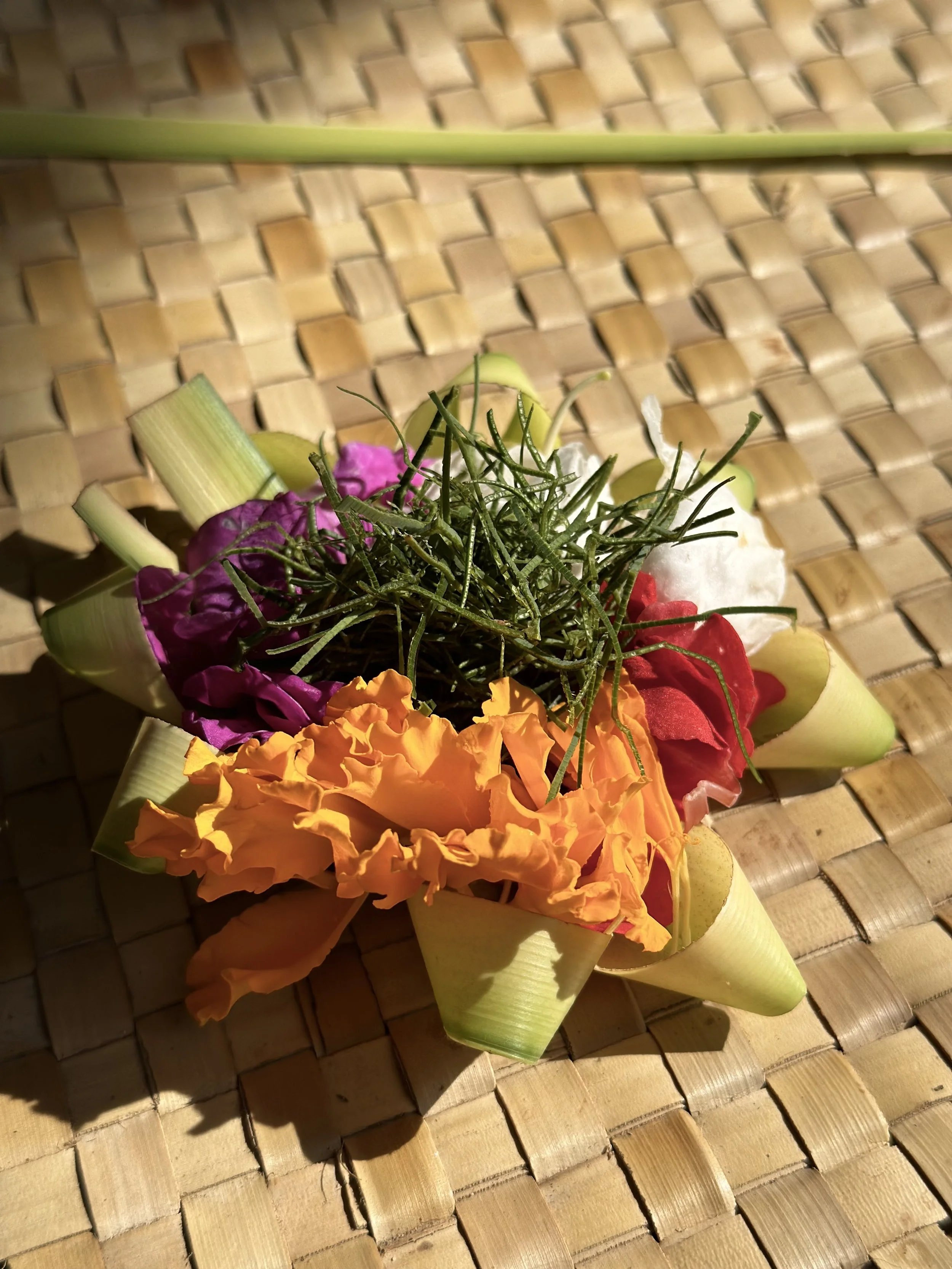
What interests me most is what travel photography often communicates beneath the surface.
Of course, many people photograph places simply because they are beautiful or meaningful. I do the same. A warm drink after skiing in the mountains. Snow-covered landscapes stretching endlessly across the horizon. The relief of warming your hands after being outdoor in freezing temperature while conversations and cutlery echo softly around the café. Looking at those images later brings me back to the feeling of physical exhaustion, gratitude and emotional release that made the moment memorable in the first place.
But social media has also transformed photography into a form of identity language.
The image quietly says:
“I am living well.”
“I belong in this world.”
“My life feels beautiful.“
“This is who I am.”
Sometimes the photograph is less about sharing a place itself and more about communicating symbolic access to a certain lifestyle.
The cafés may be in Tokyo, London, Seoul or Melbourne, yet increasingly they often share the same visual language: pale wood tables, muted ceramic cups, brushed steel counters and pastries displayed beneath soft natural lighting deliberately designed to feel effortlessly imperfect.
People often arrive already knowing the exact image they want to reproduce because the place has already been socially consumed thousands of times online before they physically encounter it themselves.
In Chinese social media culture, there is even a commonly used term: “打卡“(da ka). Originally associated with clocking in for attendance at work, the phrase has evolved into a way of describing the act of visiting a place primarily because it is socially recognisable and worth documenting online.
People “打卡” cafés, hotels, restaurants and landmarks almost like completing a visual checklist - arriving with the photograph already imagined before the experience itself has fully unfolded.
Even outside Chinese-speaking culture, the behavior feels increasingly universal.
The irony is that the more visually connected the world becomes, the more it can start feeling emotionally repetitive.
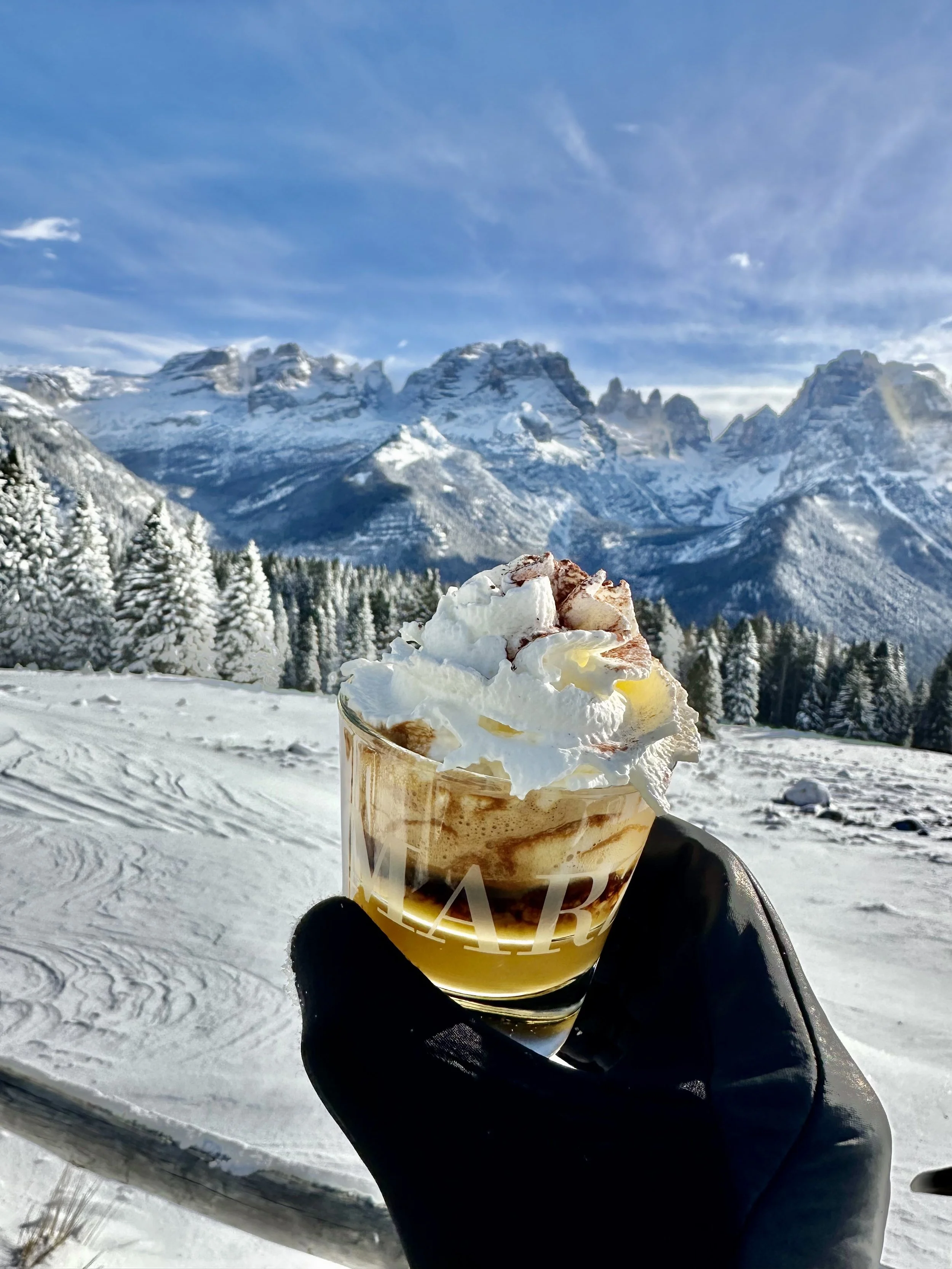
This shift also changes the way destinations present themselves.
Places that once relied on atmosphere, hospitality and word of mouth now compete within an attention economy where visibility itself becomes part of the product. Hotels, cafés and restaurants increasingly need to be instantly recognisable online.
Some spaces now feel designed not only for inhabitation, but for circulation across social media.
That creates an interesting contradiction, especially within luxury hospitality.
The more a place markets itself as secluded, intimate or emotionally restorative, the more visibility it often requires online in order to remain commercially desirable. Yet excessive visibility can slowly erode the very sense of discovery, intimacy and emotional authenticity the place originally promised.
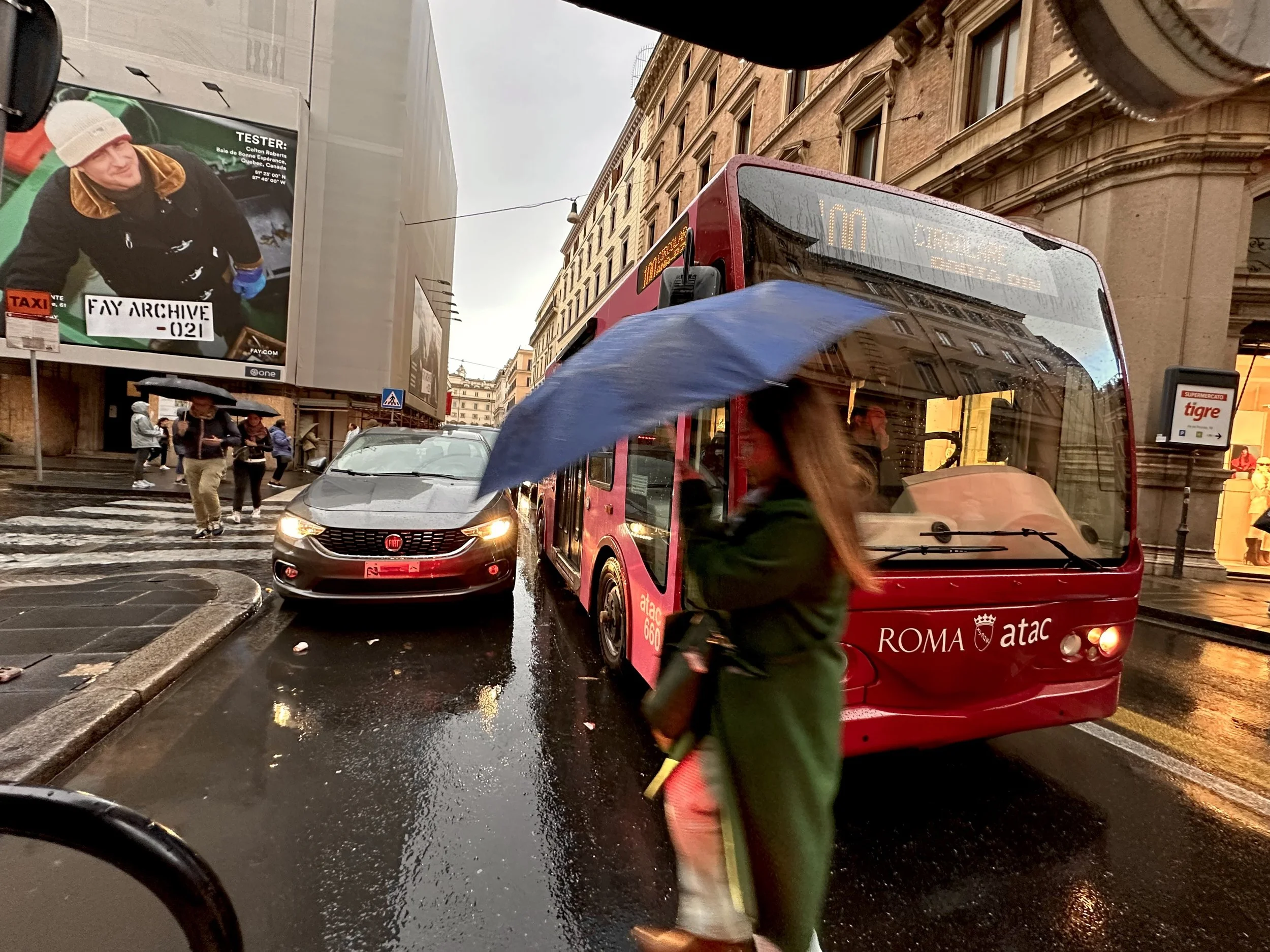
Not every memorable experience translates effectively online.
Some of the most meaningful travel moments are difficult to photograph: a conversation, unexpected humour, a feeling of relief after arriving somewhere exhausted, the atmosphere of a rainy street, the energy of a crowded market, the emotional texture of a meal shared with people you care about.
Those experiences resist optimisation because their value exists beyond visual performance.
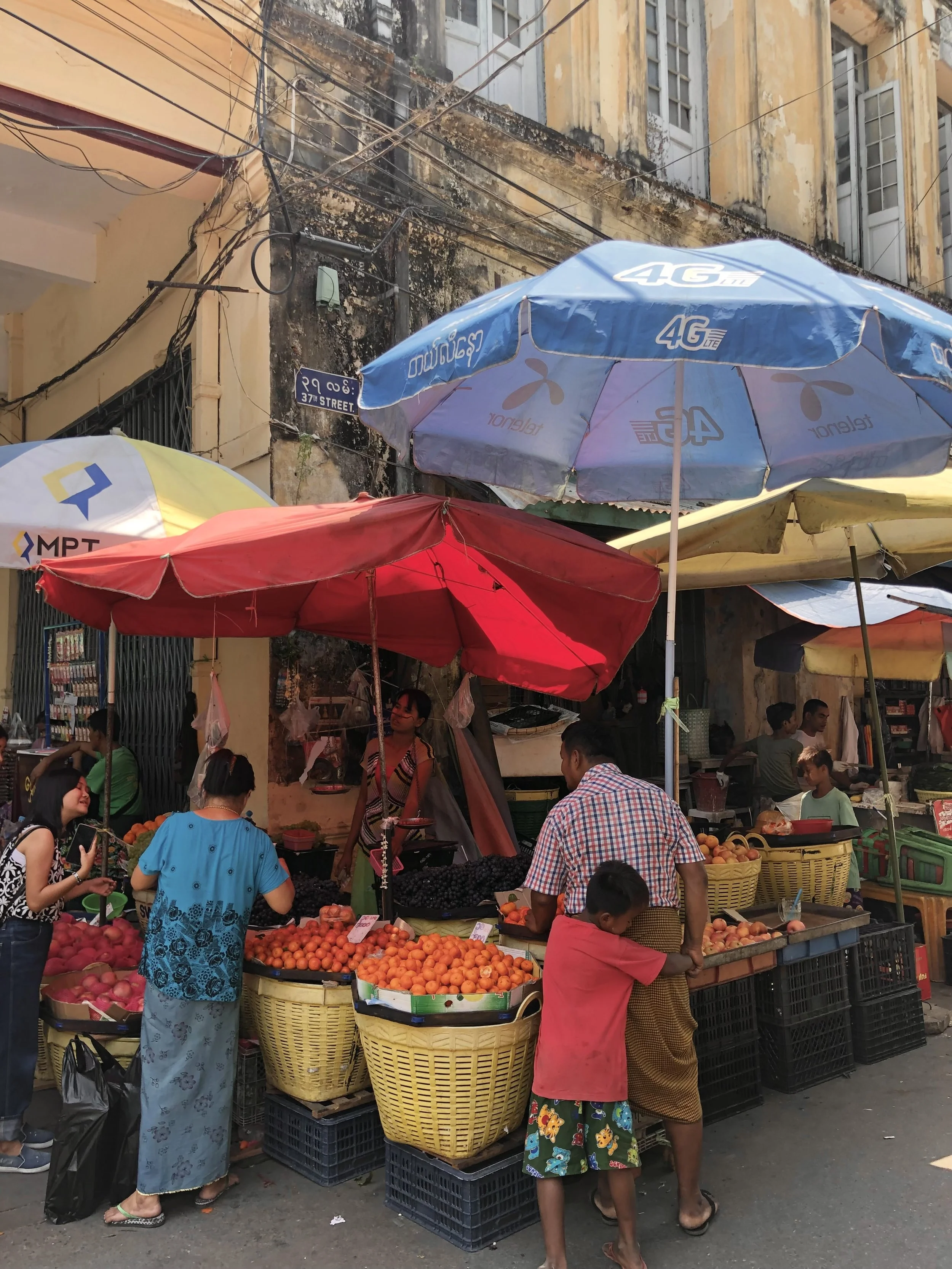
What really interests me about travel today is not simply where people go, but how digital culture shapes the way places are anticipated, experienced and remembered before the journey even begins.
Once destinations become optimised primarily for visibility, recognisability and aspiration, travel slowly shifts from discovery into reproduction.
The same images.
The same emotional promises.
The same curated fantasy repeated across different parts of the world.
And increasingly, the challenge is no longer finding somewhere new to go, but finding a way to experience a place before it has already been psychologically explained to us.
Before you leave, you are invited to sign The Guestbook.
Further Reading
The Performance of Living Well - on lifestyle, visibility and the subtle performance behind modern aspiration
The Places We Carry - a reflection on the emotional memories and personal histories we attach to certain places
The Joy of Aperitivo - on informal rituals, unstructured evenings and the simple pleasure of lingering conversation
Unless otherwise credited, all photography and written content are original works by Foodie Goes Travel.
