Where Rome Softens
A visual essay by Foodie Goes Travel.
Words and photograph by JJ Wong
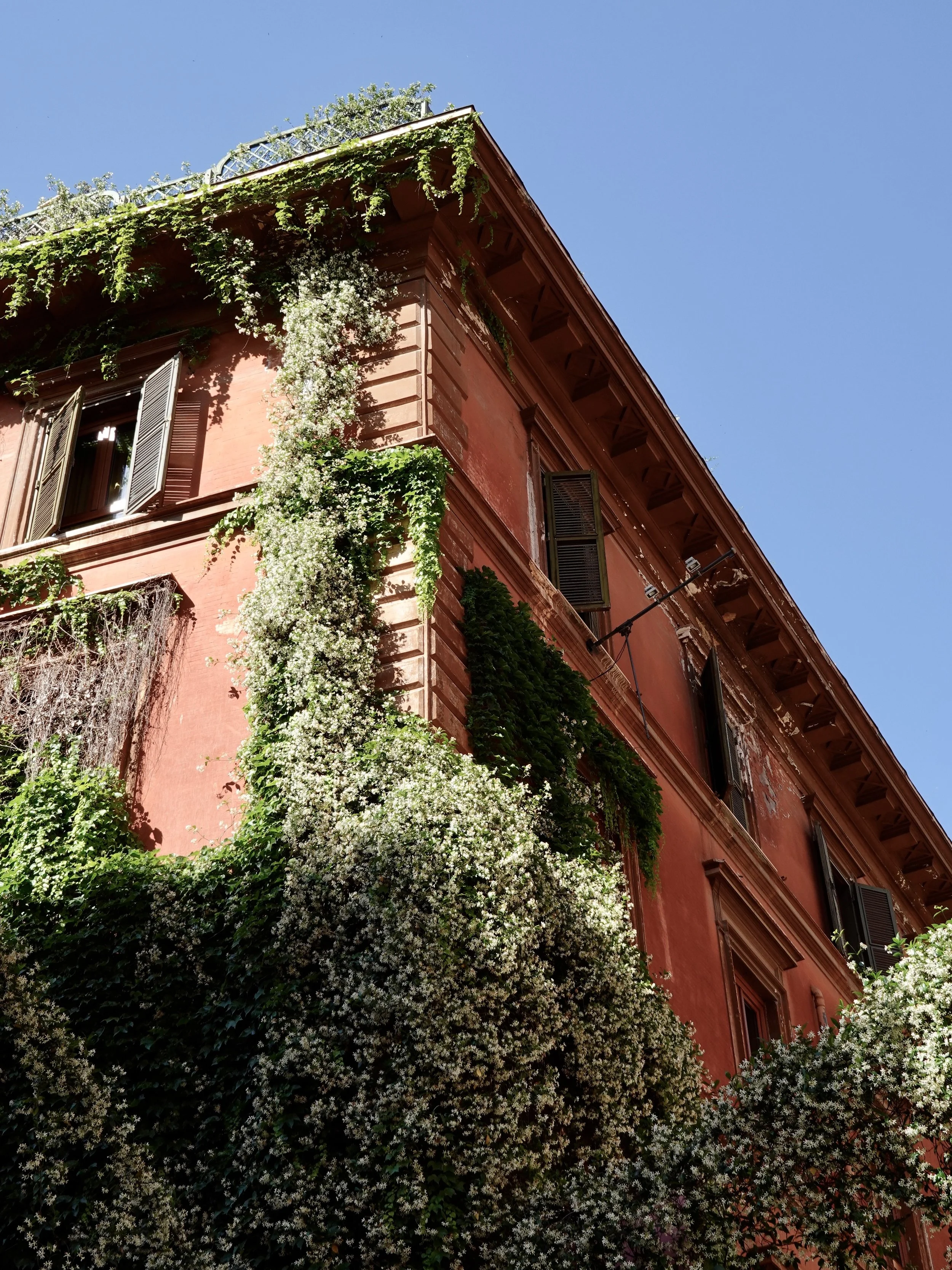
Rome is often described through its scale.
An empire preserved in stone.
Monuments that have outlived centuries.
Fountains, domes, ruins, crowds.
The city is usually photographed loudly - through grandeur, spectacle and accumulation.
But the Rome I return to most vividly is softer than that.
It reveals itself slowly: through jasmine climbing faded facades, evening light slipping cross cobbled streets, hidden courtyards behind heavy wooden doors and long lunches that quietly stretch into the afternoon.
Beyond the monuments and familiar postcards, Rome becomes a city of atmosphere.
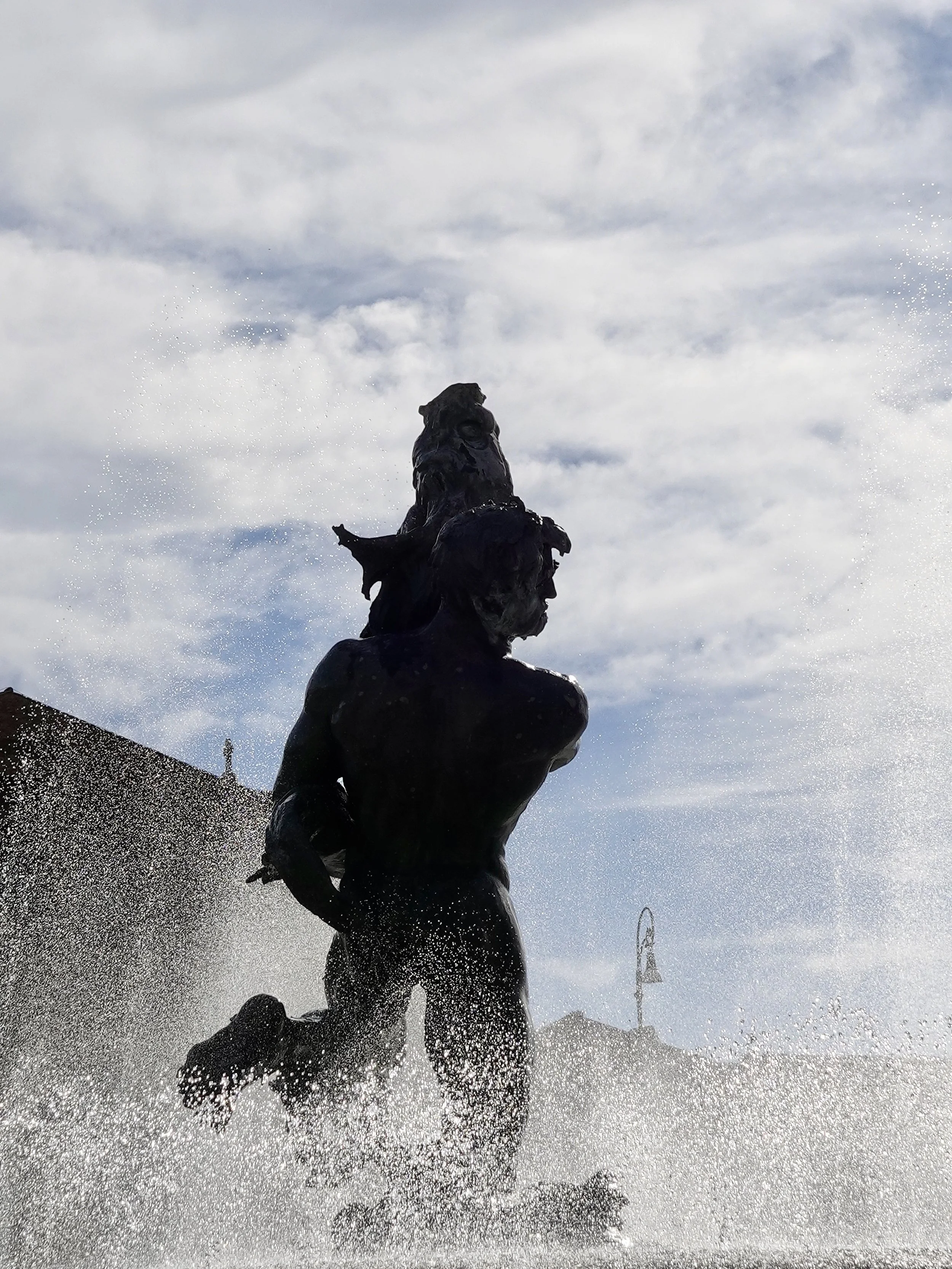
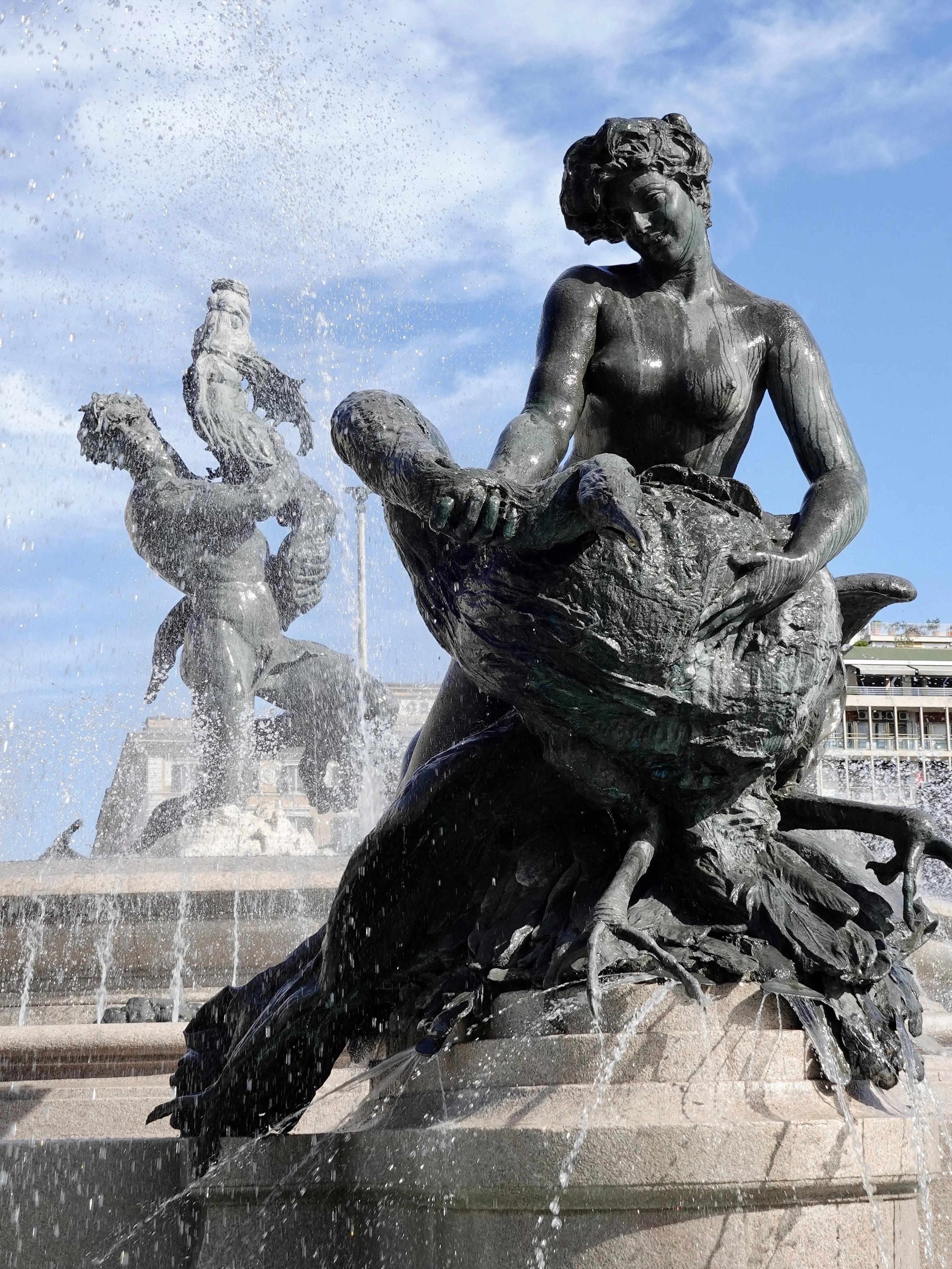
The grandeur exists, of course.
Rome carries history with a weight few cities can rival. Marble figures rise against impossibly blue skies. Fountains thunder beneath afternoon heat. Obelisks continue to cast shadows over streets that have witnessed centuries unfold.
There are moments when the city still feels overwhelming in its scale - almost theatrical in its monumentality.
And yet, what lingered with me most were not the landmarks themselves.
It was the softness surrounding them.
Rome changes character depending on how one chooses to move through it.
The crowds remain. The traffic persists. The landmarks continue to attract endless attention. Yet somewhere between lingering longer over coffee, wandering without urgency and looking beyond the obvious, the city begins to feel different.
Softer.
More intimate.
Less like a destination to consume and more like a place to quietly absorb.
The state of mind changes the experience entirely.
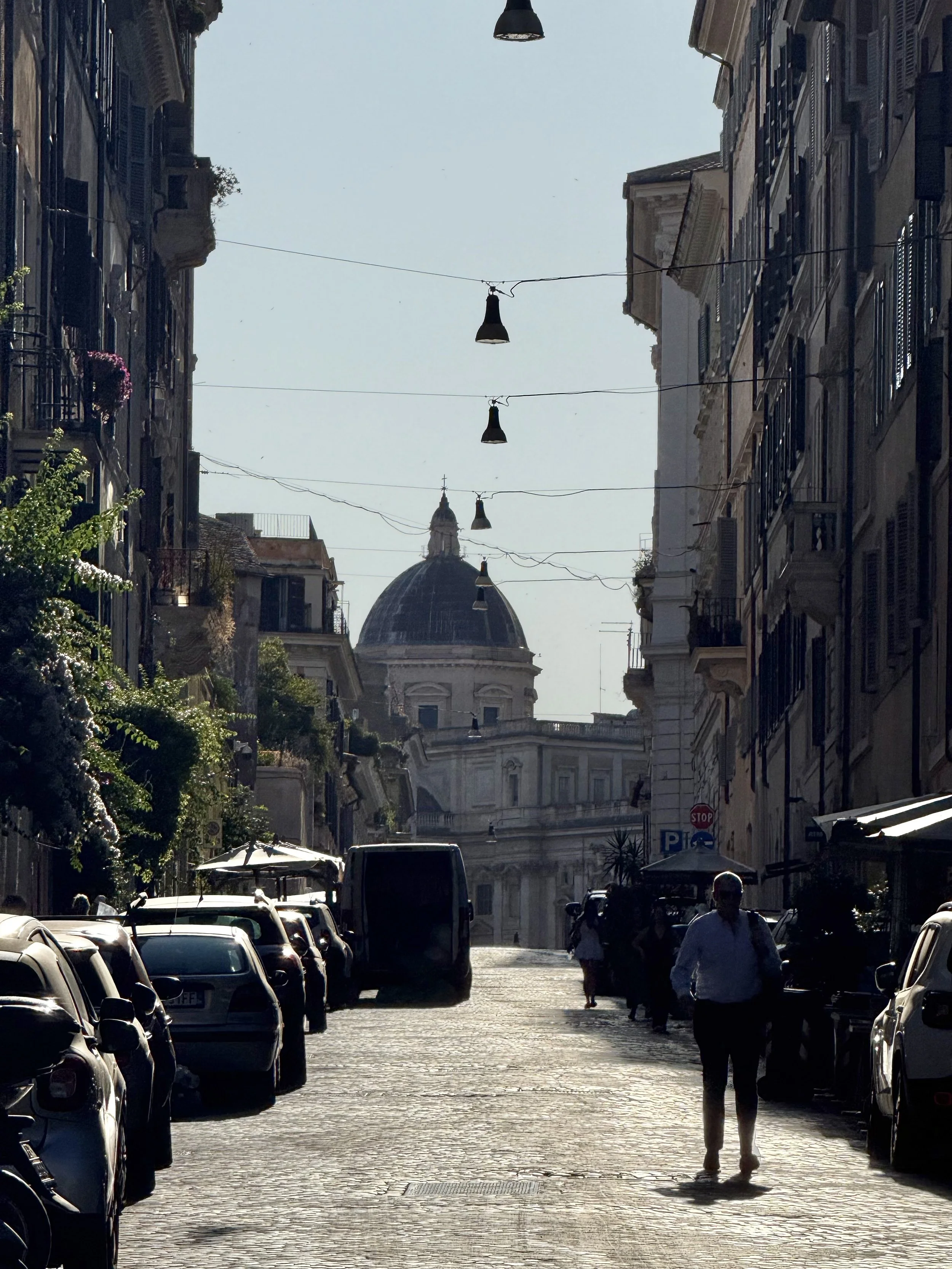
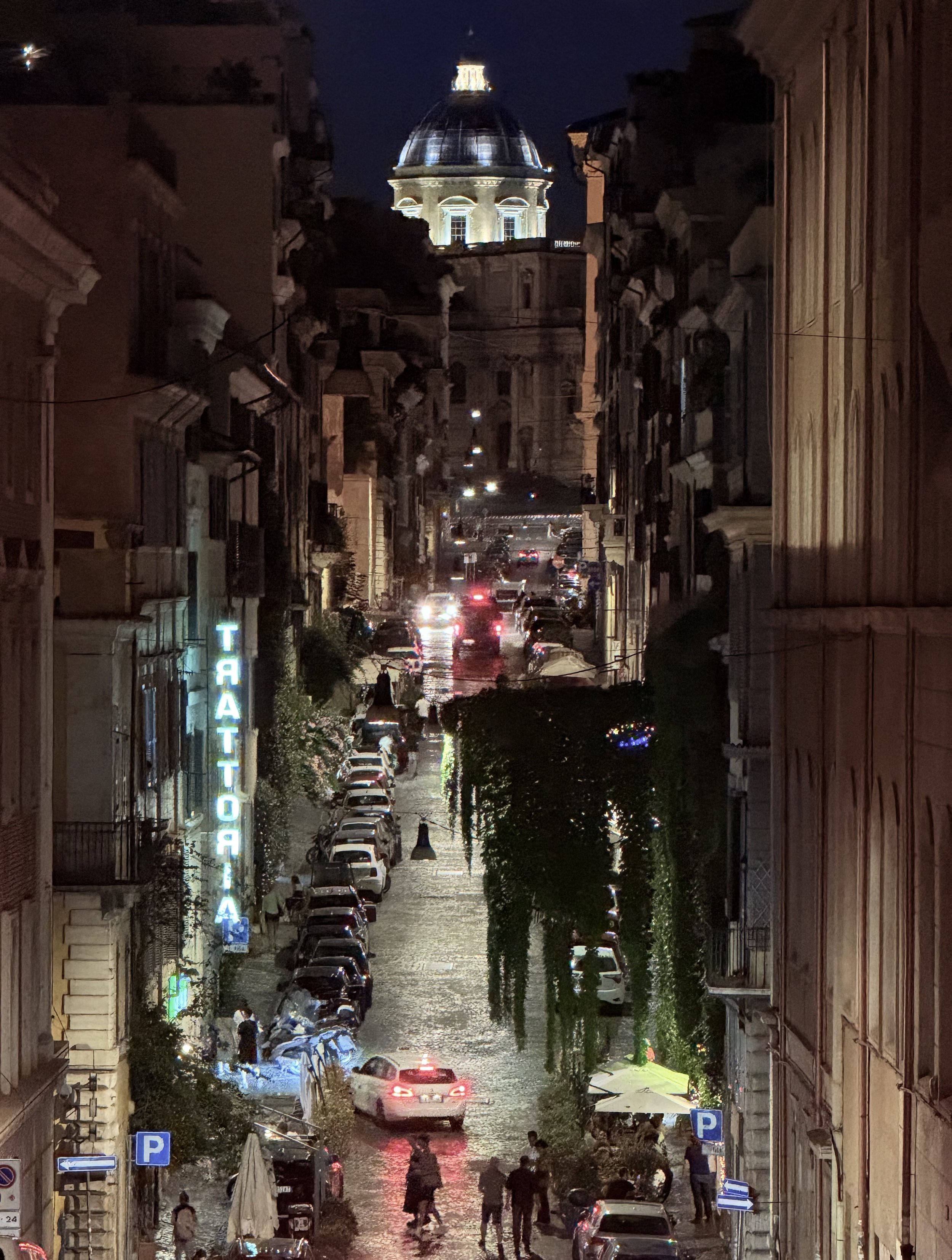
In the morning, the city feels washed in pale gold - shutters opening slowly, delivery vans rattling across uneven stones, espresso cups meeting cool marble counters.
By evening, the streets soften into something quieter and more cinematic. Light pools beneath old lamps. Conversations spill into alleyways. Dinner stretches later than intended.
The city begins to exhale.
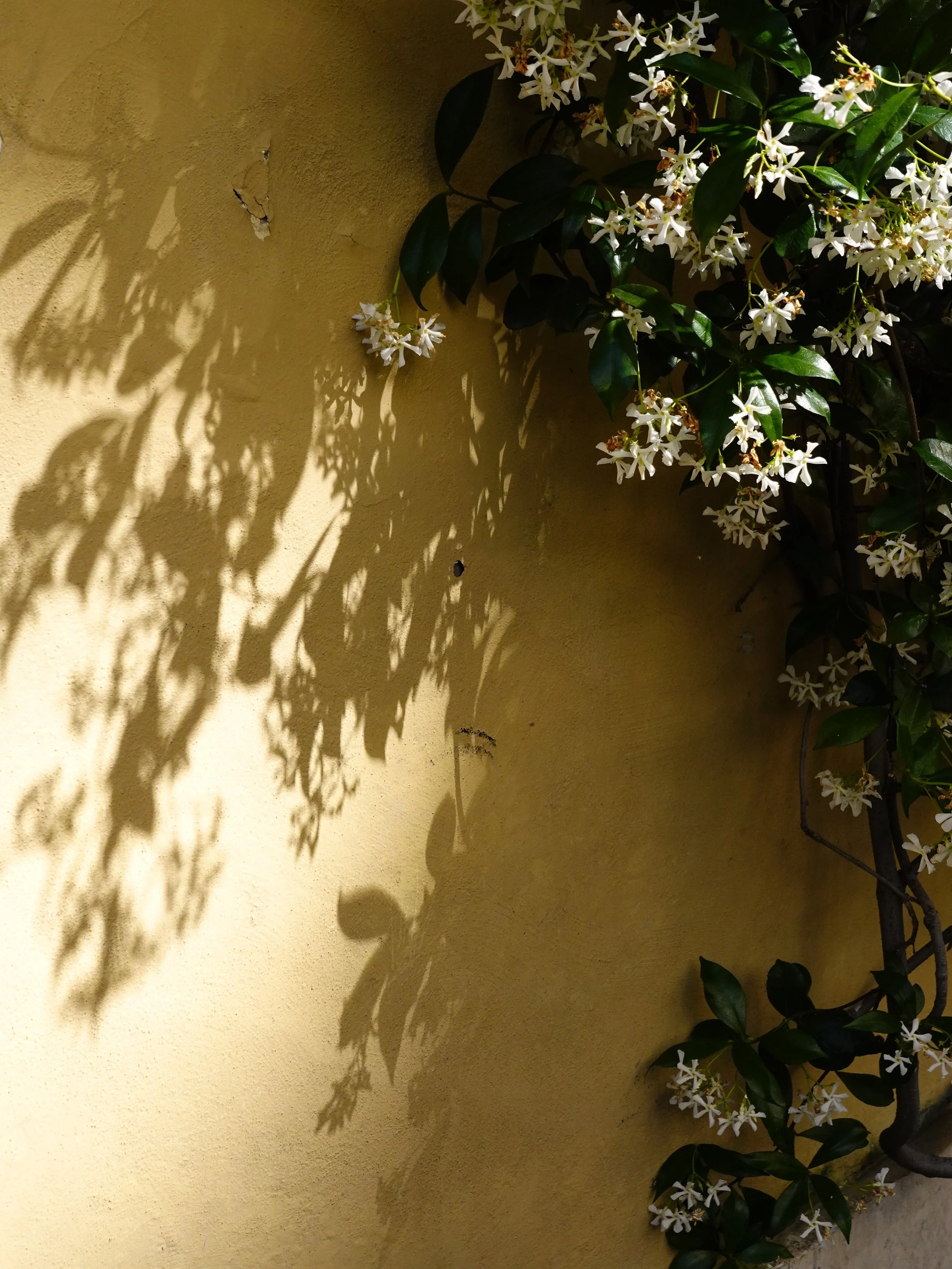
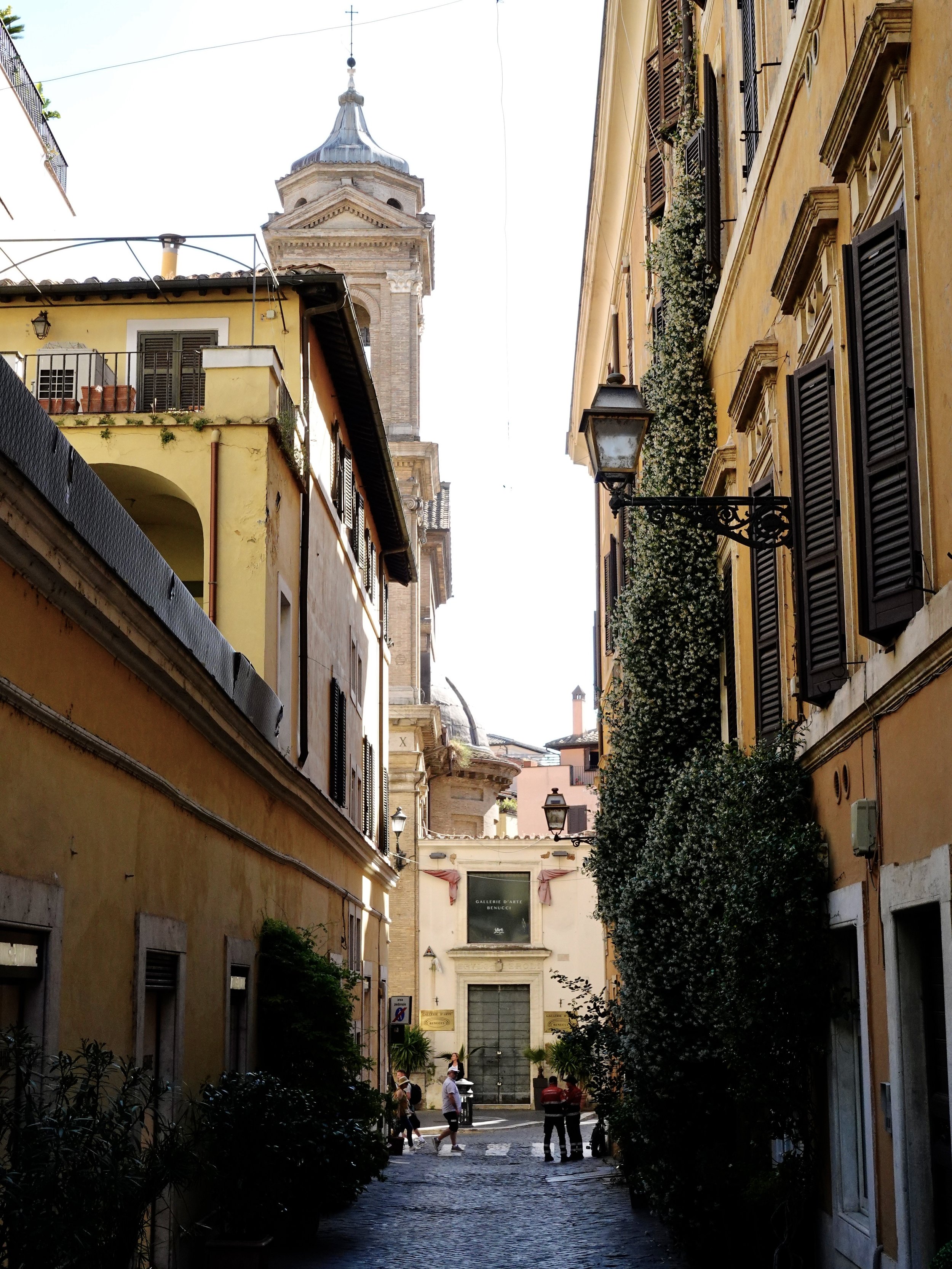
What surprised me most was how botanical Rome felt.
Not manicured in the formal sense, but overgrown gently by nature.
Jasmine spills over faded facades. Ivy wraps itself around weathered walls. Trees emerge from hidden courtyards behind heavy wooden doors that reveal almost nothing from the street.
Here, even stone feels softened by light, nature and time.
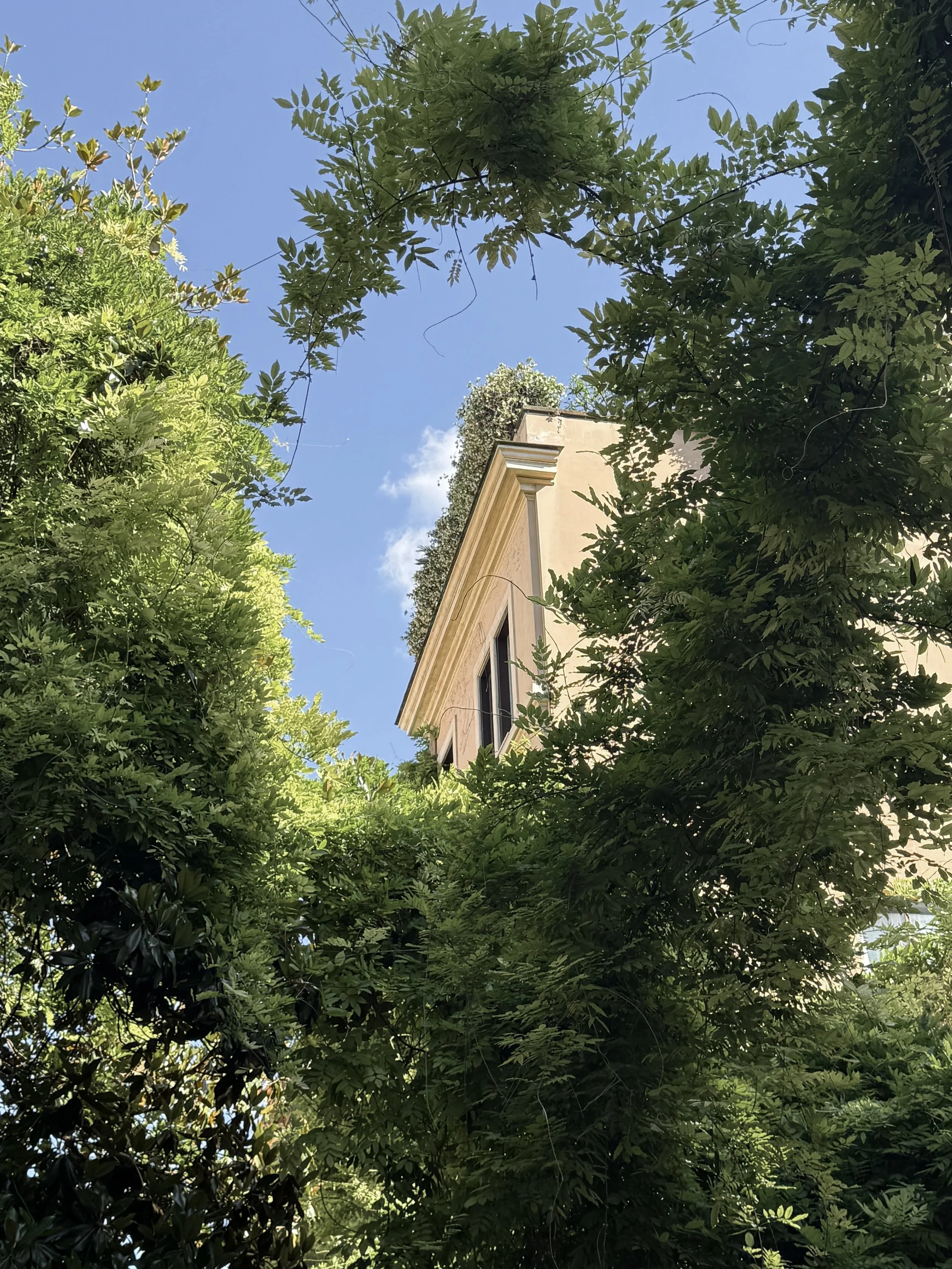
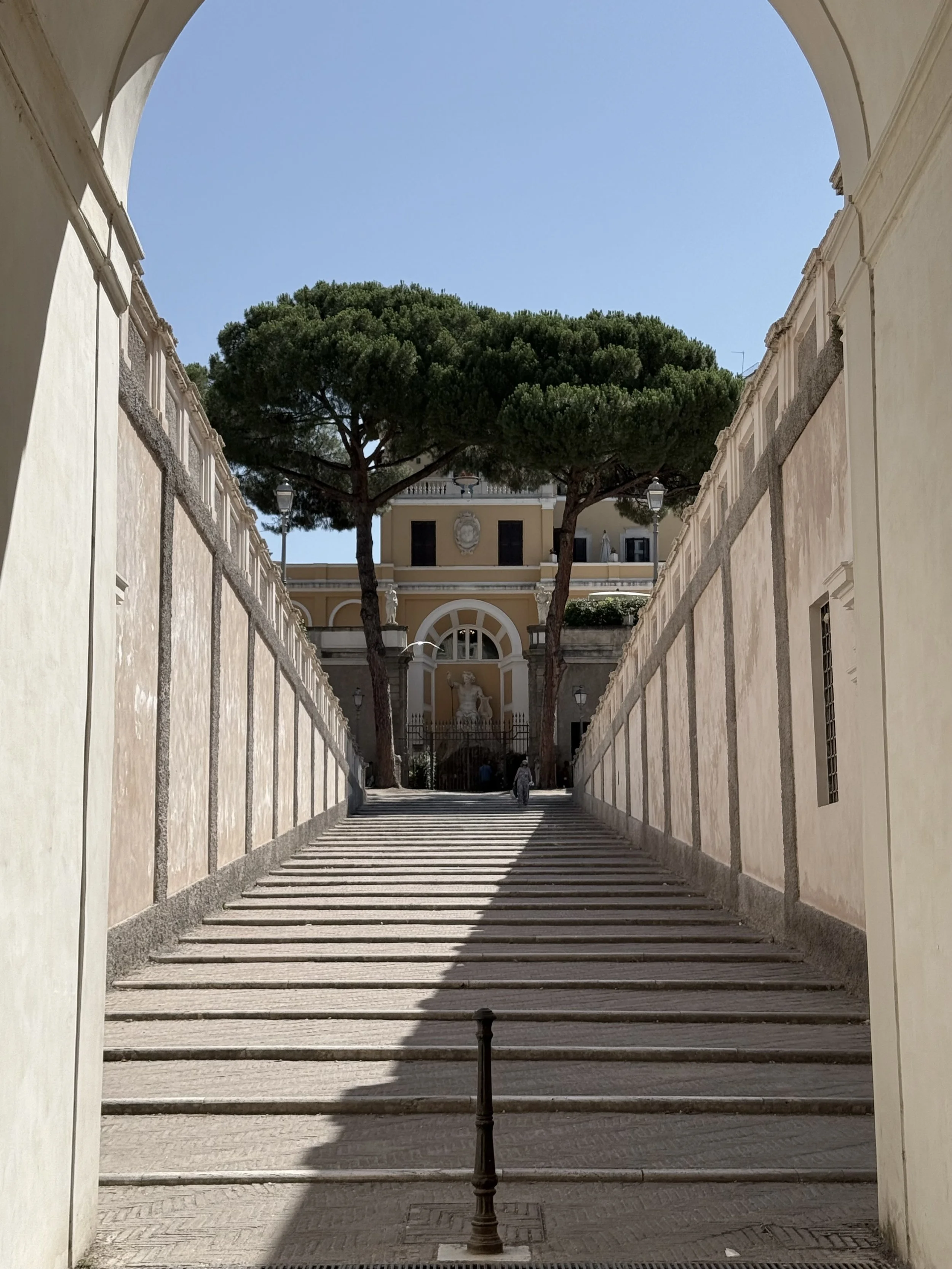
Rome rewards curiosity more than efficiency.
The most memorable moments rarely announce themselves. They exist behind half-open gates, inside quiet courtyards, at the end of streets almost overlooked in passing.
Some of the city’s beauty appears accidentally.
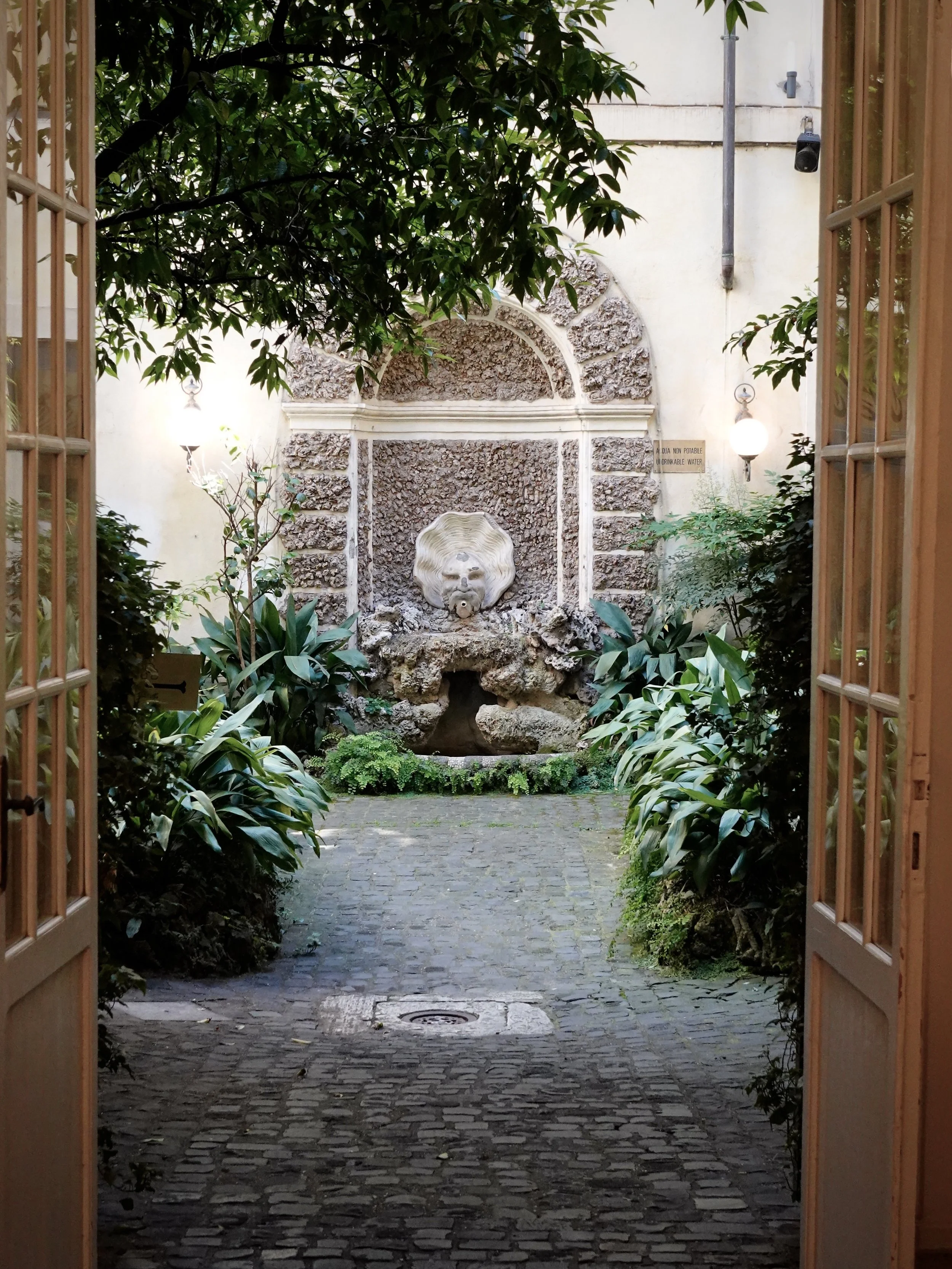
A hidden fountain glimpsed through an open doorway.
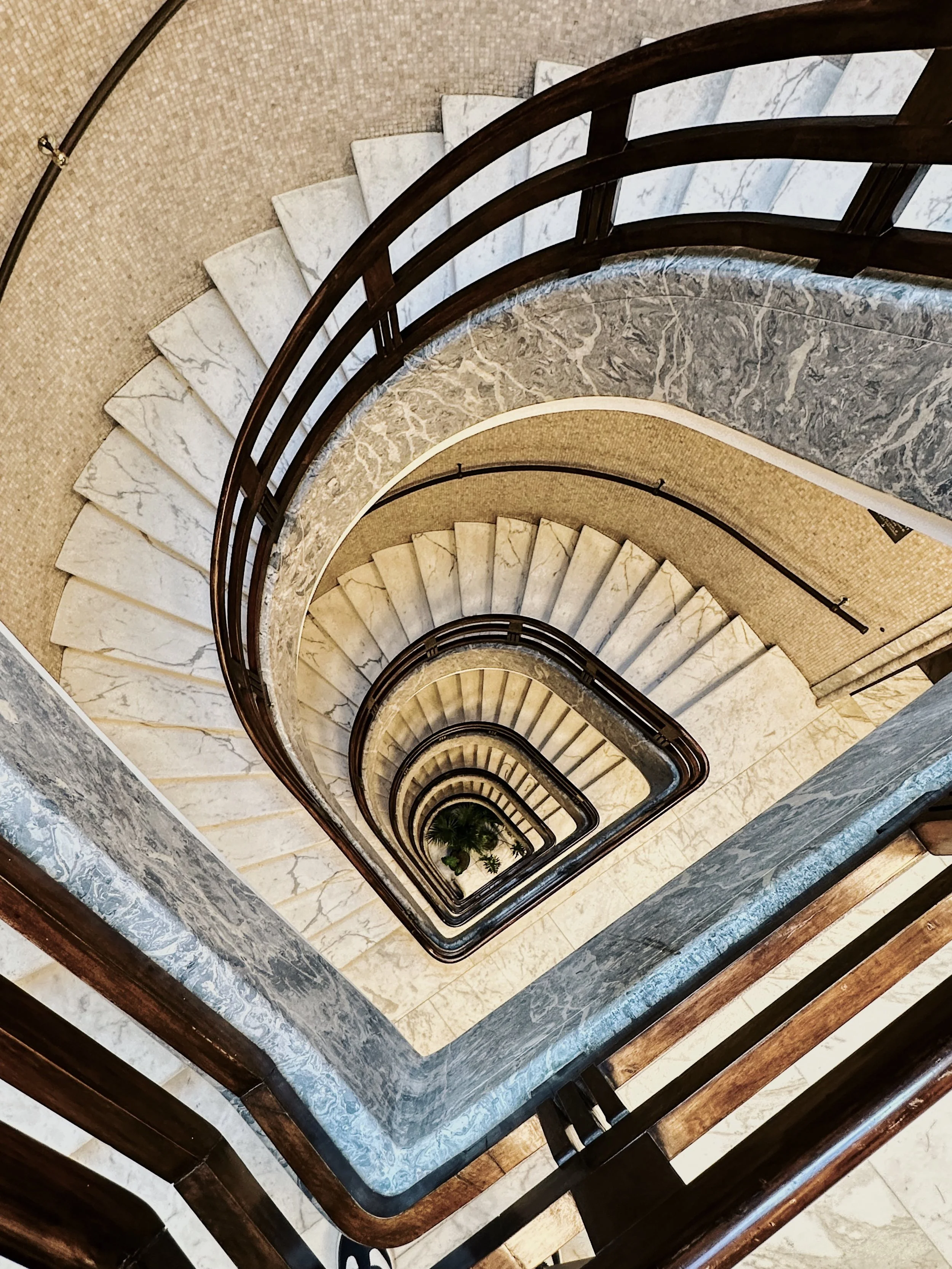
A staircase spiralling through marble silence.
A plaque quietly marking where an artist once lived and worked.
There is also a particular rhythm to Roman life that feels increasingly rare elsewhere.
Beauty here is not treated as an occasion.
It is folded quietly into everyday rituals.
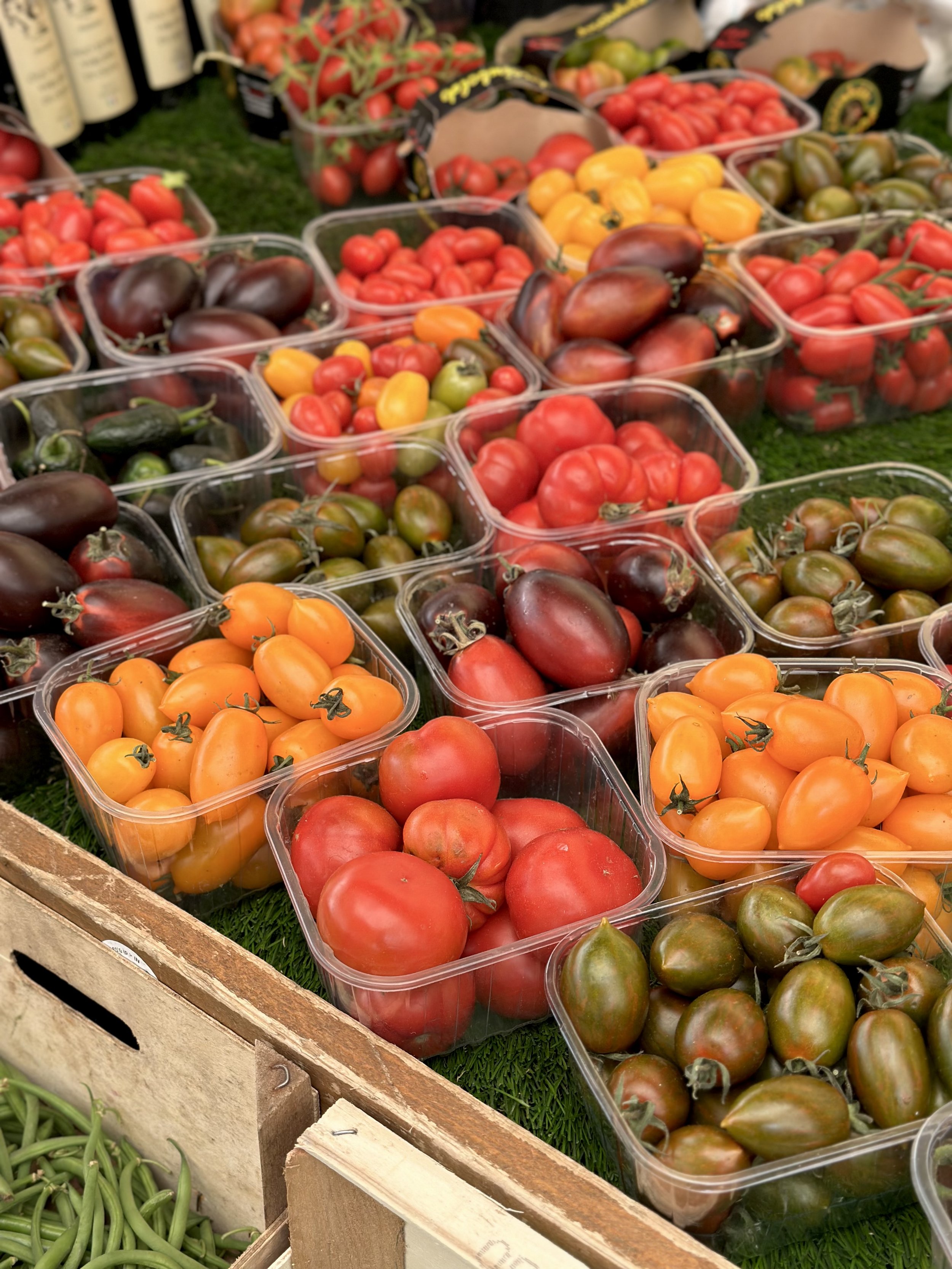
Morning markets glowing with tomatoes in various shades of red and green. Long lunches beneath white tablecloths. Aperitivo beneath ivy-covered terraces. Evenings that drift naturally from one conversation into another.
Rome does not seem interested in rushing.
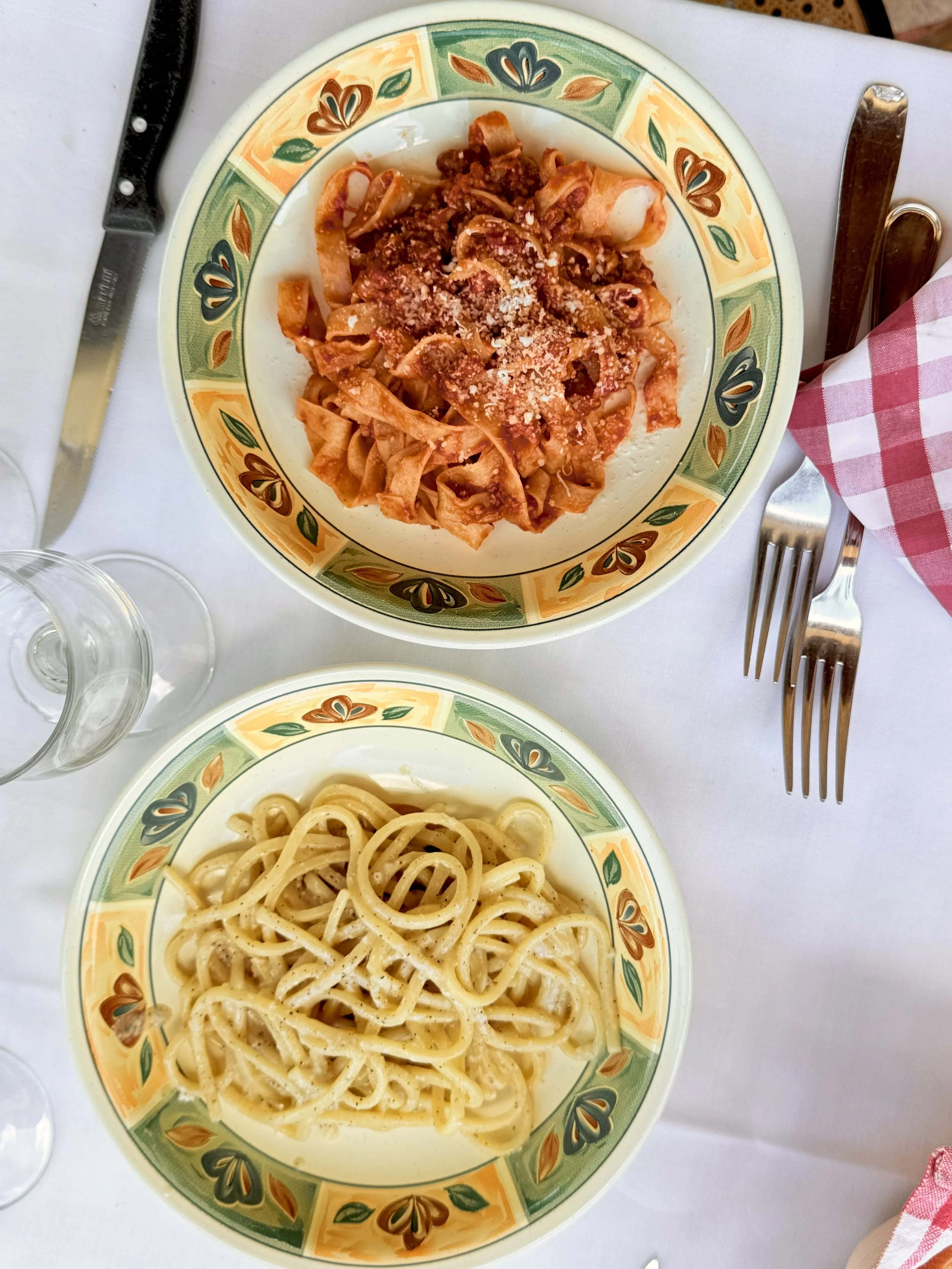
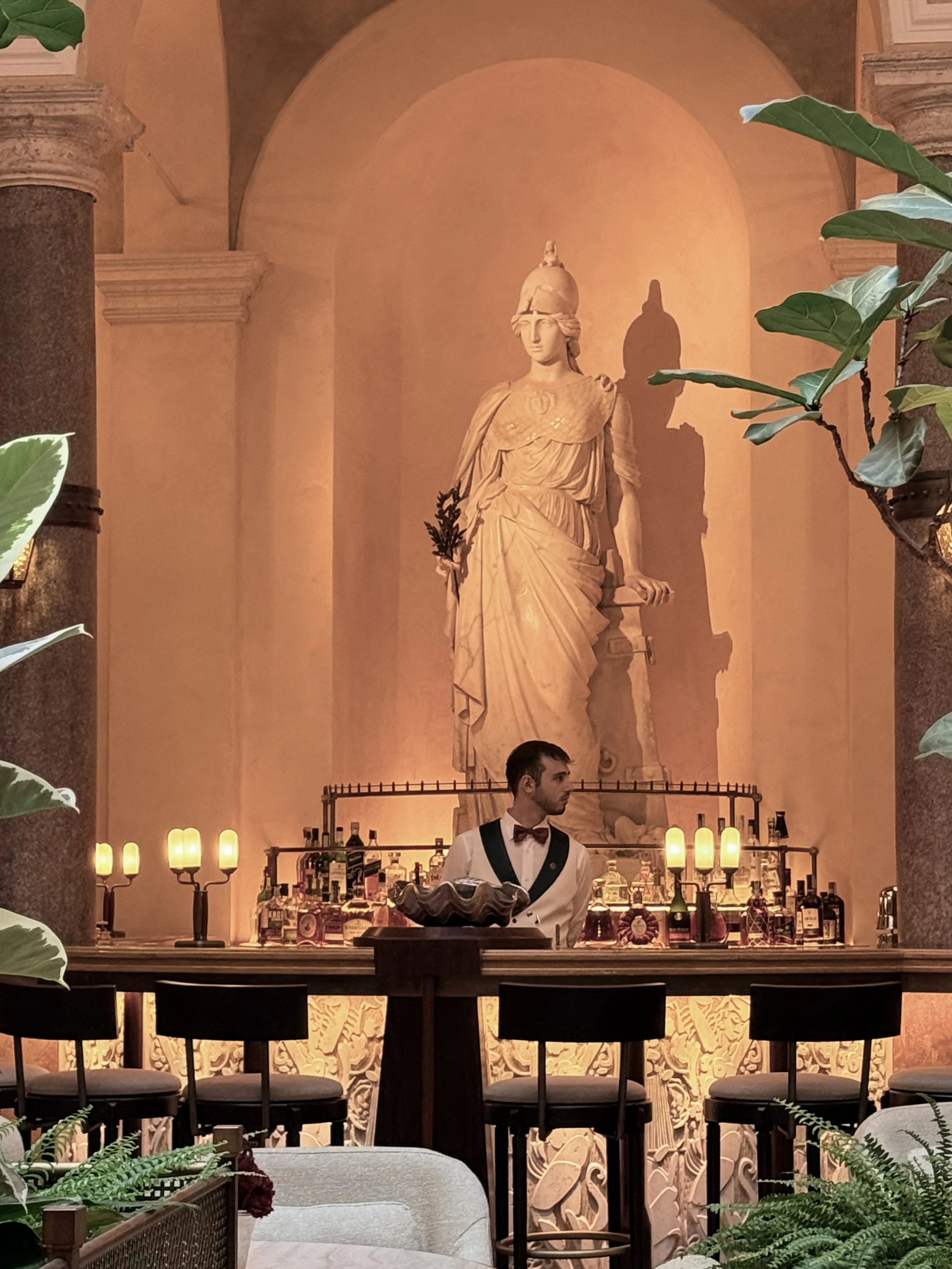
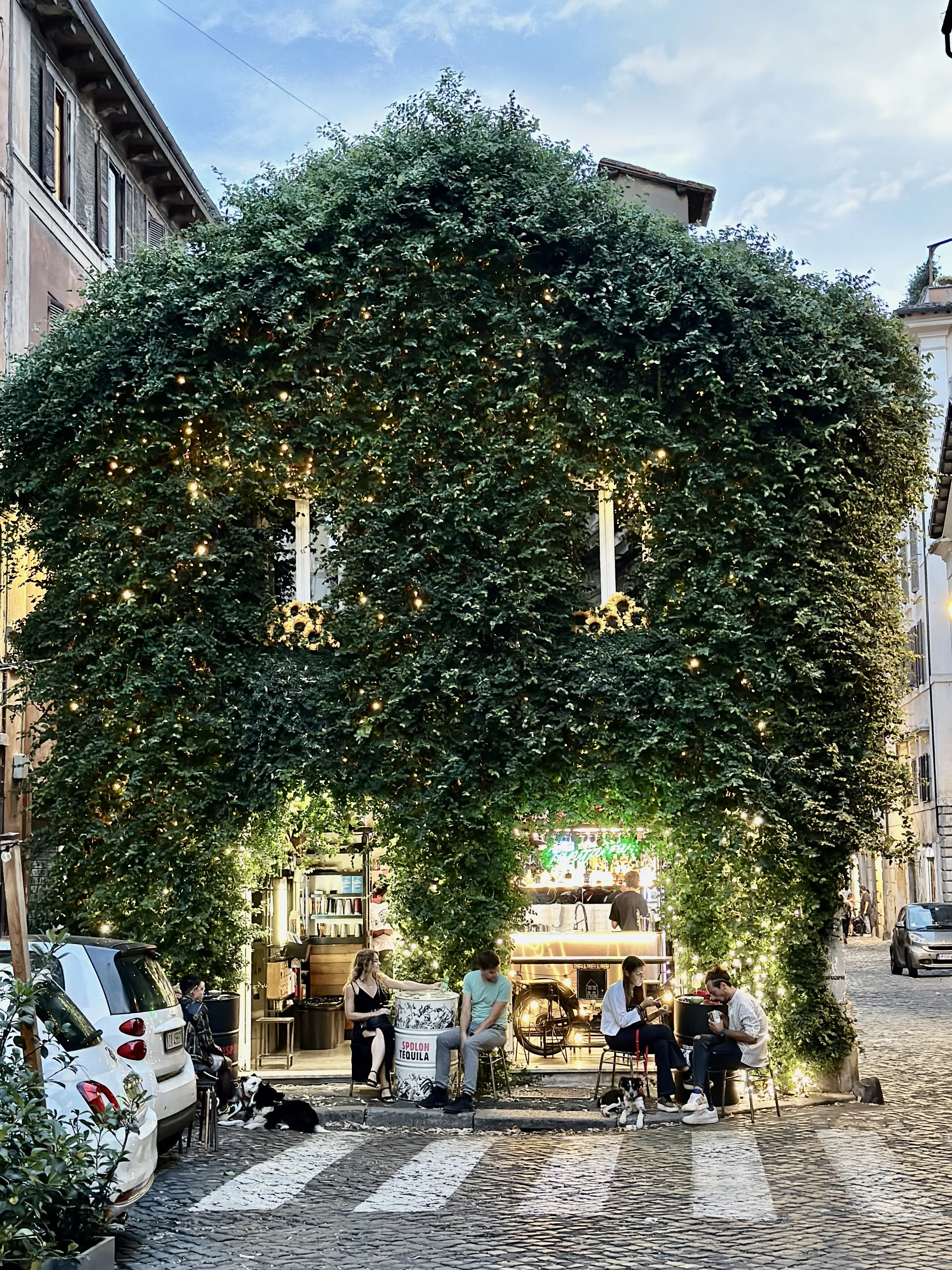
Somewhere between the monuments and these quieter rituals, Rome becomes deeply human.
Not a museum preserved between velvet ropes, but a city still fully inhabited.
Laundry hangs against walls worn gently by time. Scooters pass ancient ruins. Contemporary murals appear unanticipatedly beside centuries-old architecture. A bartender prepares cocktails beneath classical sculptures as though this coexistence between antiquity and modern life were entirely ordinary.
Perhaps that is what makes Rome feel so emotionally textured.
Grandeur and intimacy exist side by side.
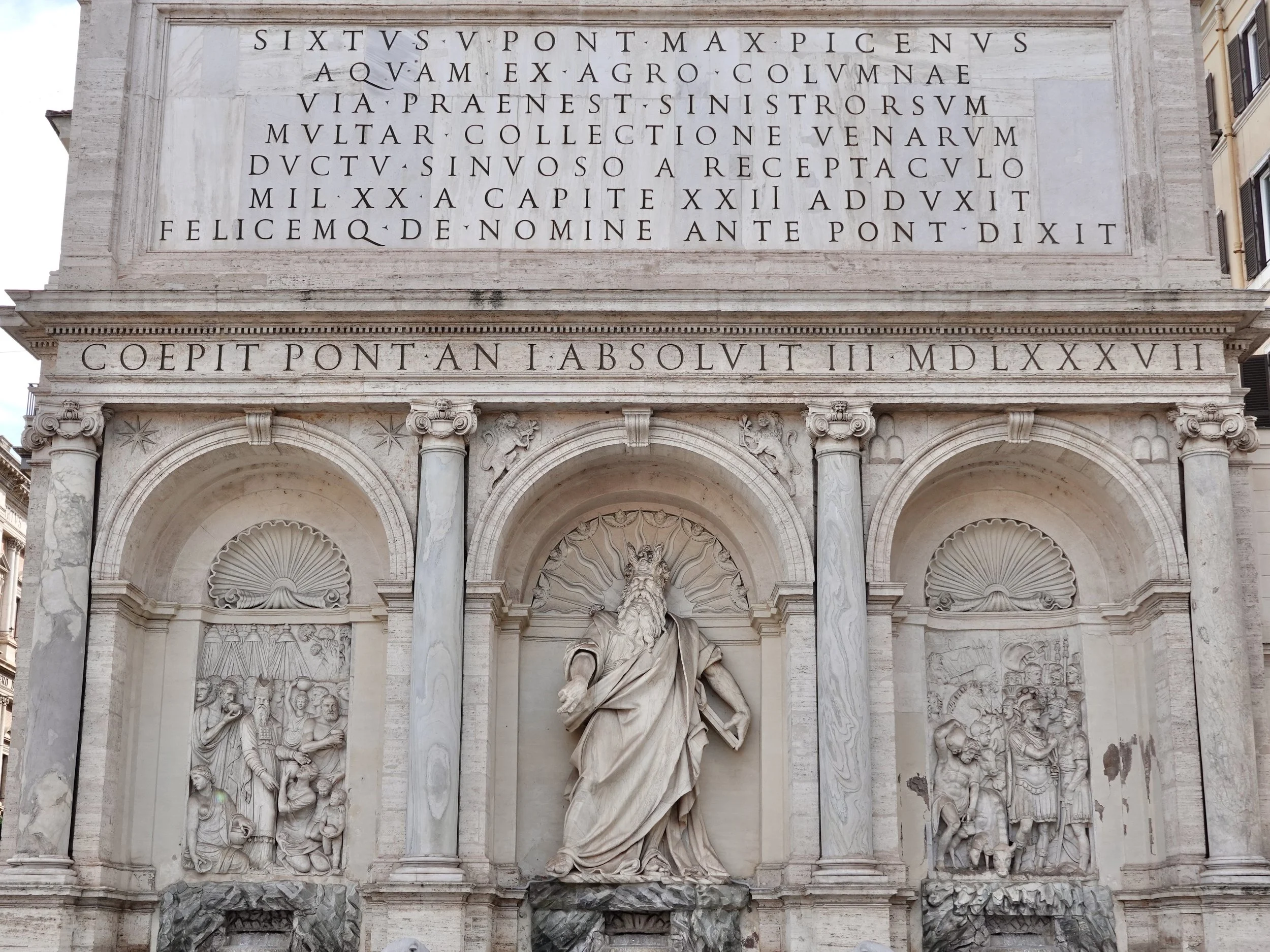
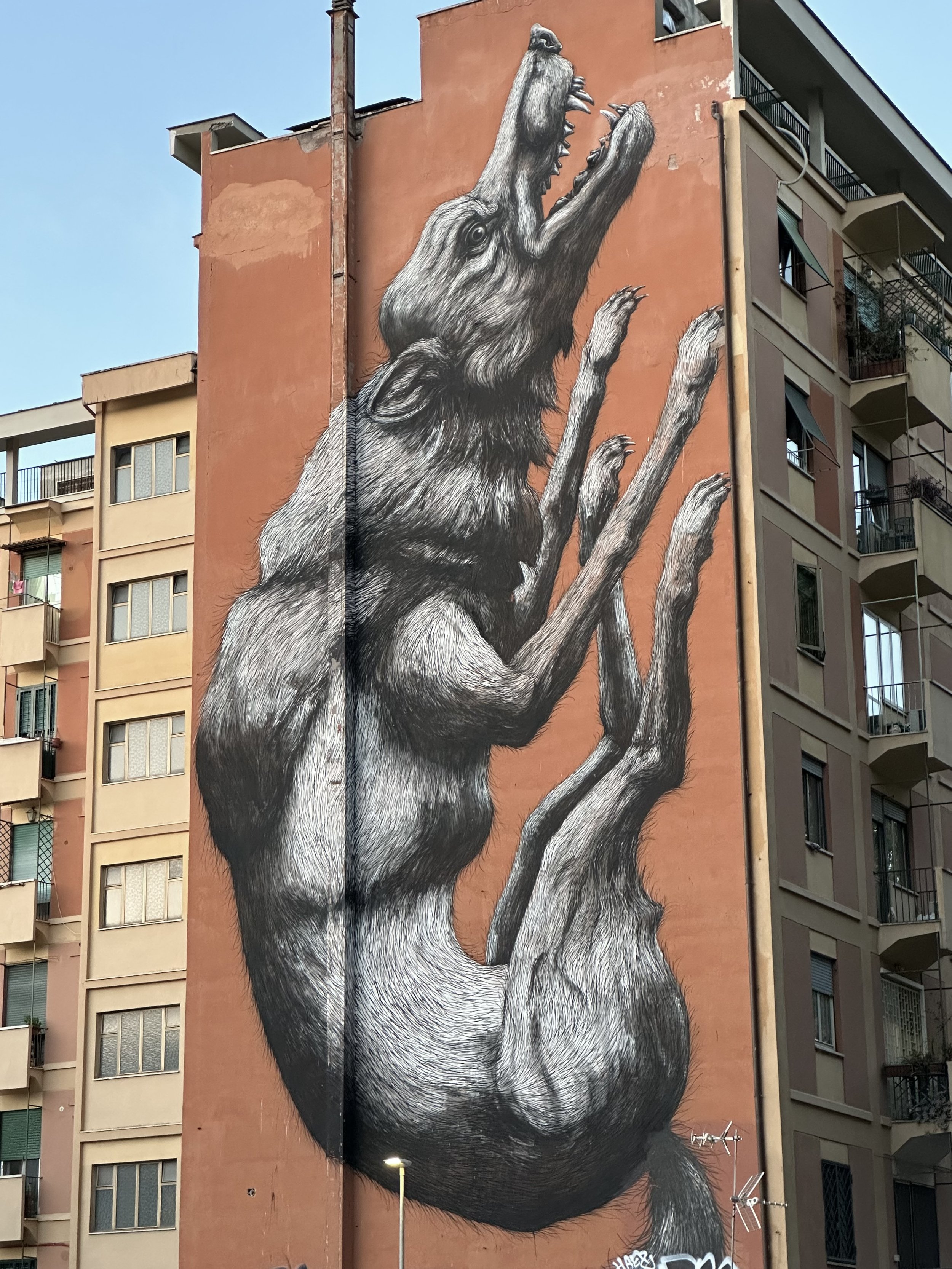
Even outside the historic centre, Rome continues to expose unexpected layers.
The city expands beyond its own mythology. Towards neighbourhoods where life feels quieter, slower and more lived-in. Toward coastlines reached in summer heat beneath striped umbrellas and salty air.
Rome, despite its scale, still leaves space for softness.
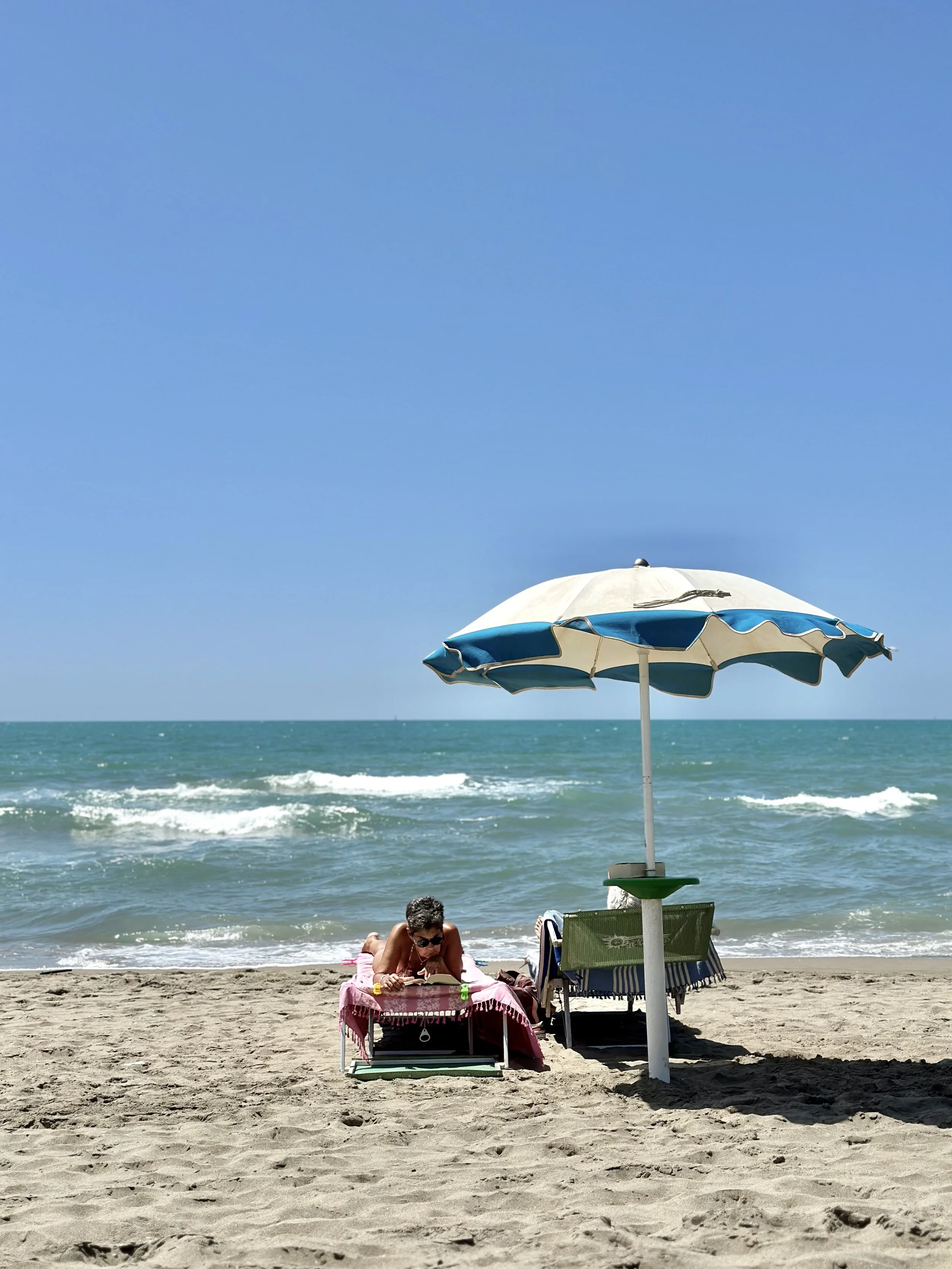
And perhaps this is why Rome stays with you after leaving.
Not because of its monuments alone, but because of the atmosphere that exists around them - the softness beneath the grandeur, the quiet rituals woven into daily life, the feeling that beauty here is not staged, but simply lived with.
Rome, at its most memorable, is not only seen.
It is slowly absorbed.
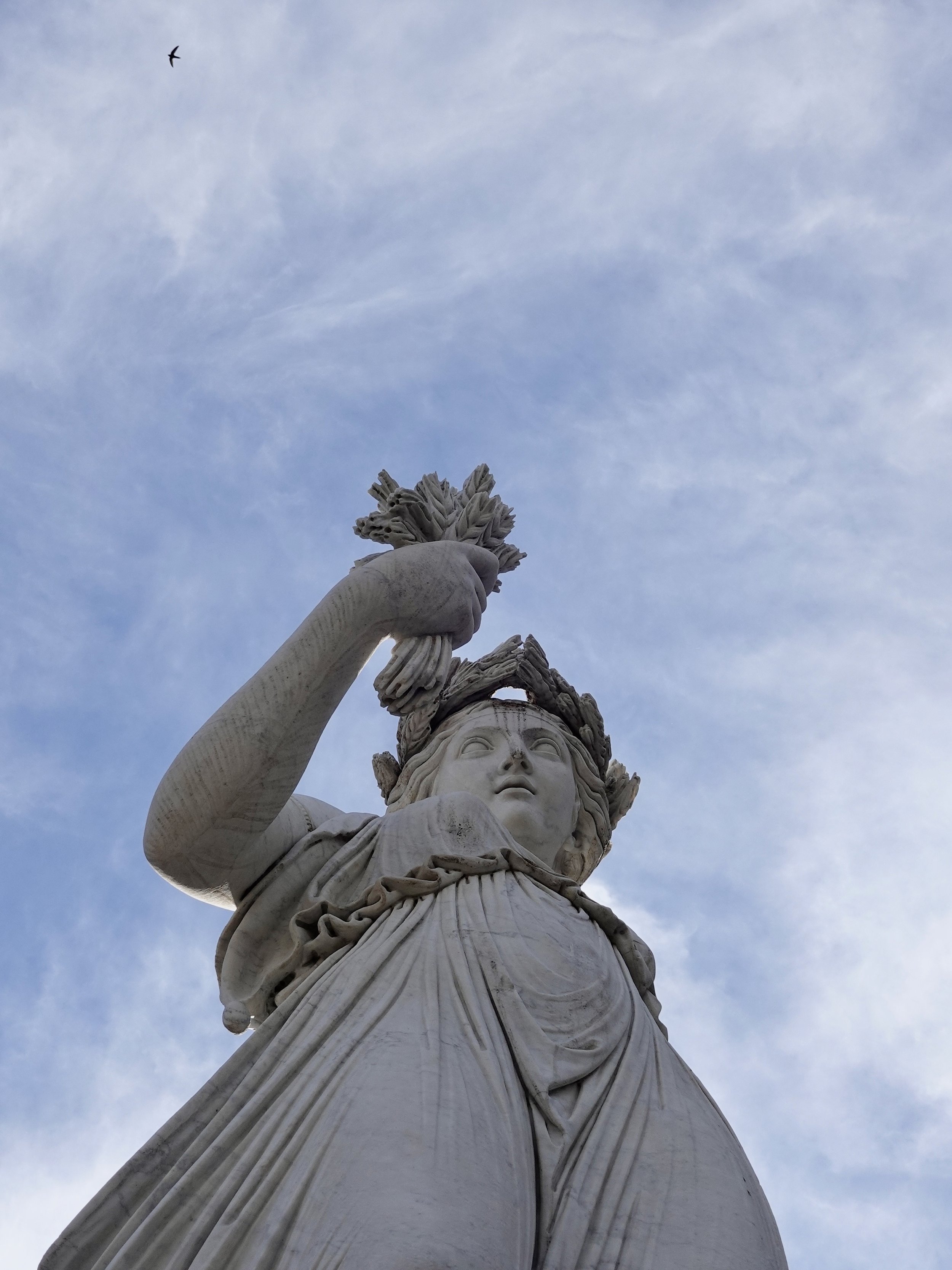
Unless otherwise credited, all photography and written content are original works by Foodie Goes Travel.
