Waiting for Tomatoes
Words and photograph by JJ Wong
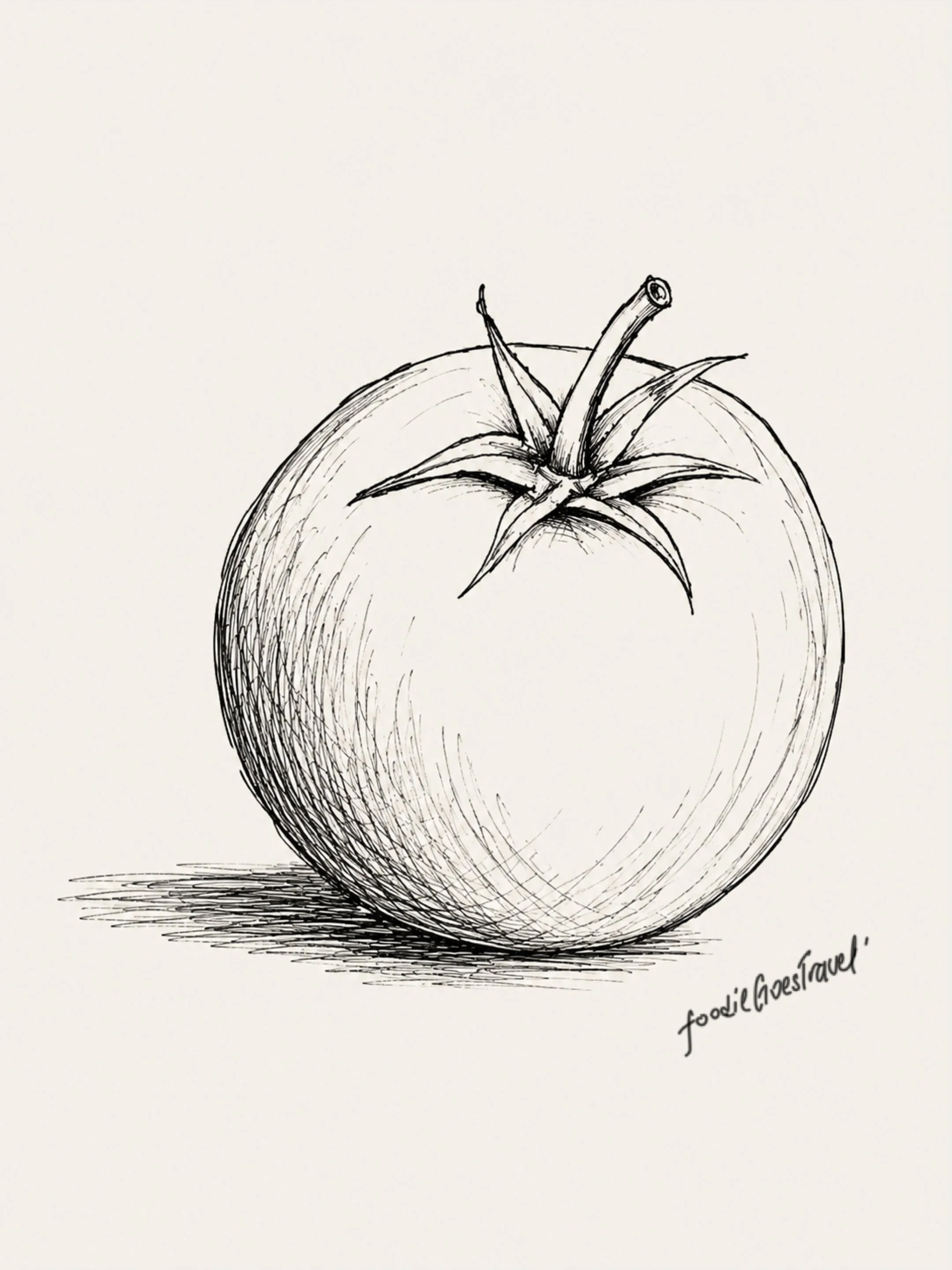
Every summer, I start photographing tomatoes again.
Not intentionally at first. A half-ripened one in the garden. Tomatoes left on the kitchen counter. A plate during aperitivo. Piles of tomatoes at a market somewhere during my travels.
Only after looking through old photographs did I realise how often they appear in my life.
I think tomatoes are one of those things we rarely pay attention to properly because they feel so ordinary. They are almost always there - in salad, sauces, pizzas, sandwiches, pasta, markets and kitchens.
And yet somehow, they quietly shape so much of how we eat.
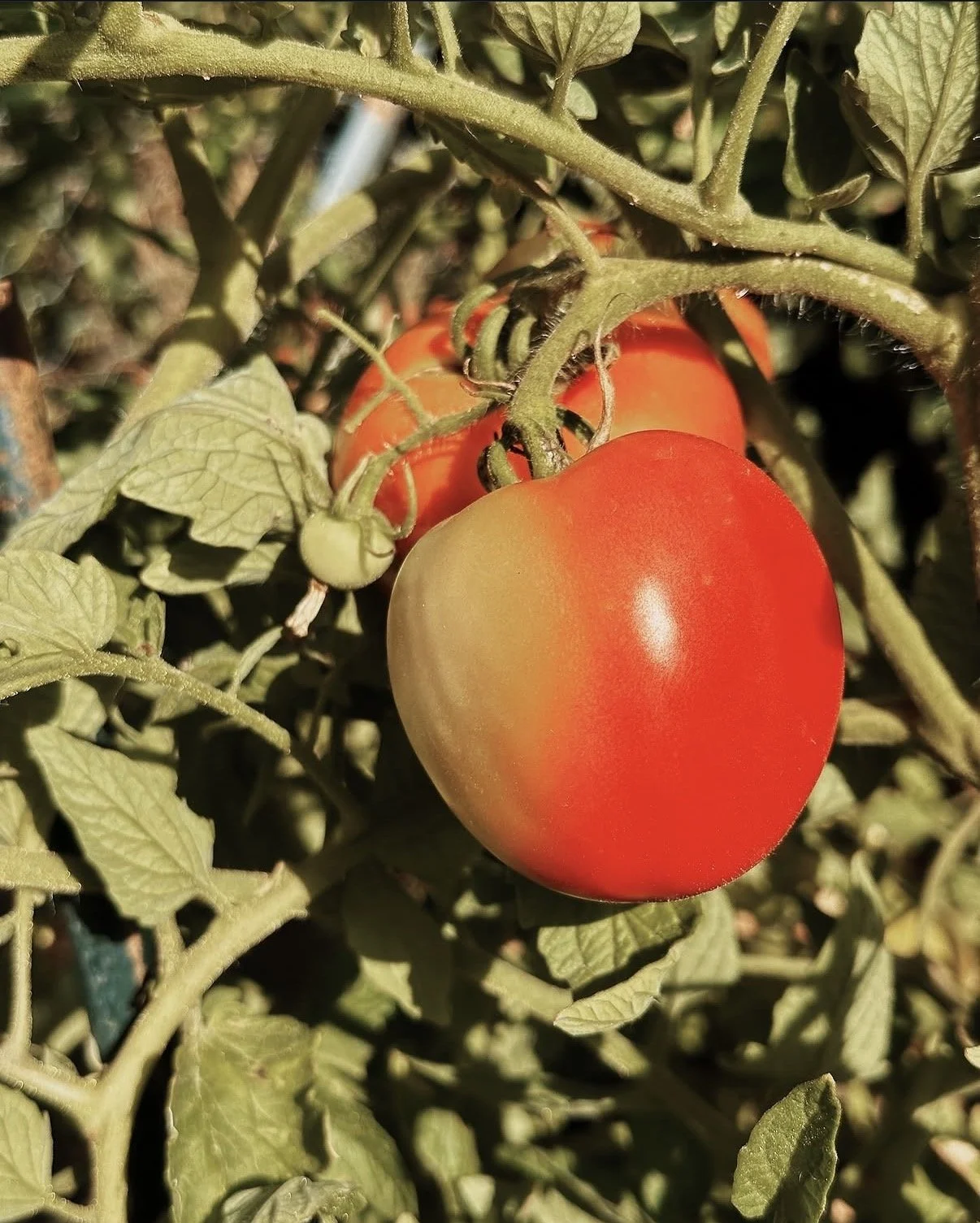
August 2024, Umbria.
I’ve realised growing tomatoes teaches patience.
For weeks, they look almost exactly the same. You check on them every morning expecting dramatic change and then suddenly one day, they turn red all at once.
Summer somehow feels more real after that.
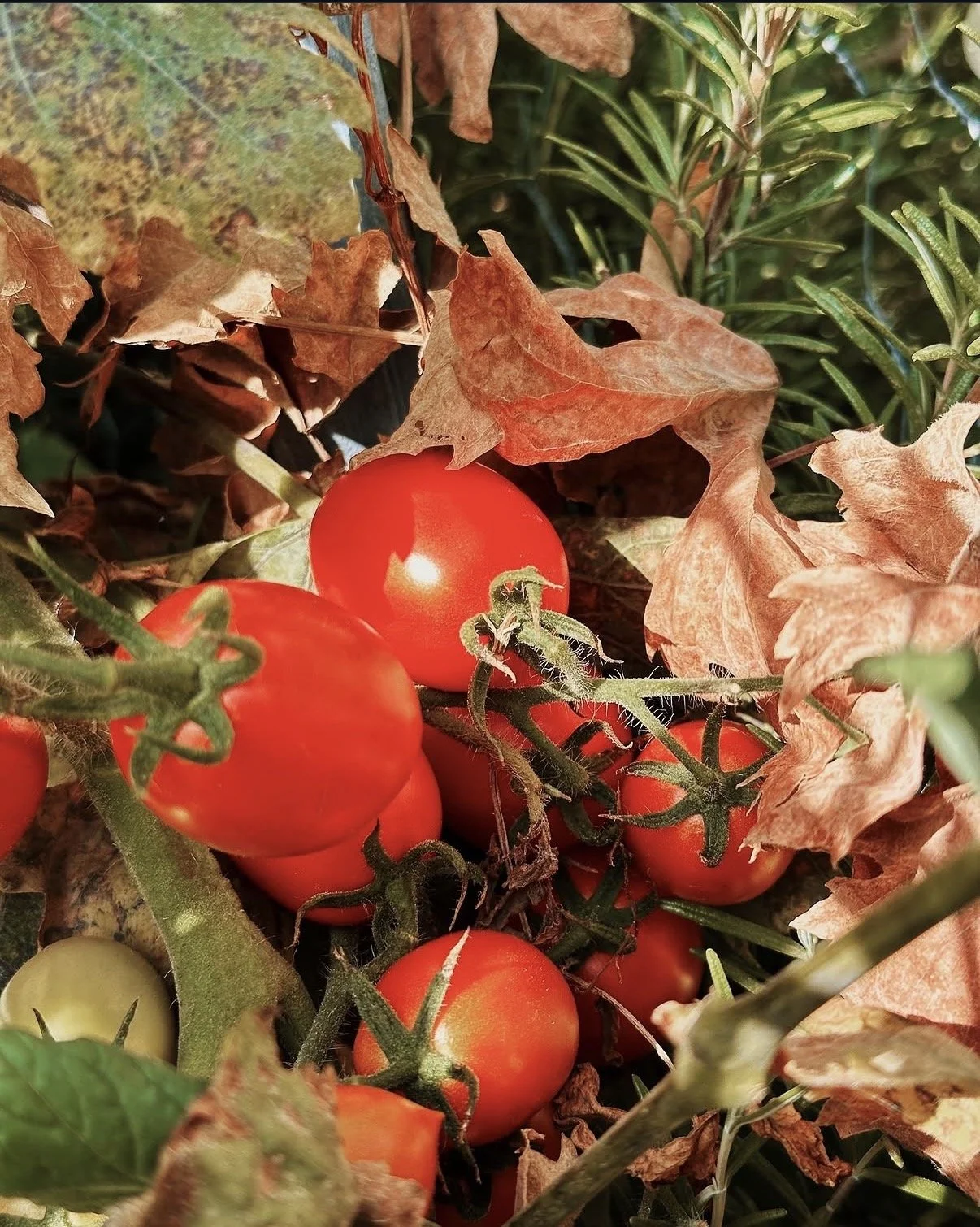
Some fall before they are picked.
I still photograph them anyway.
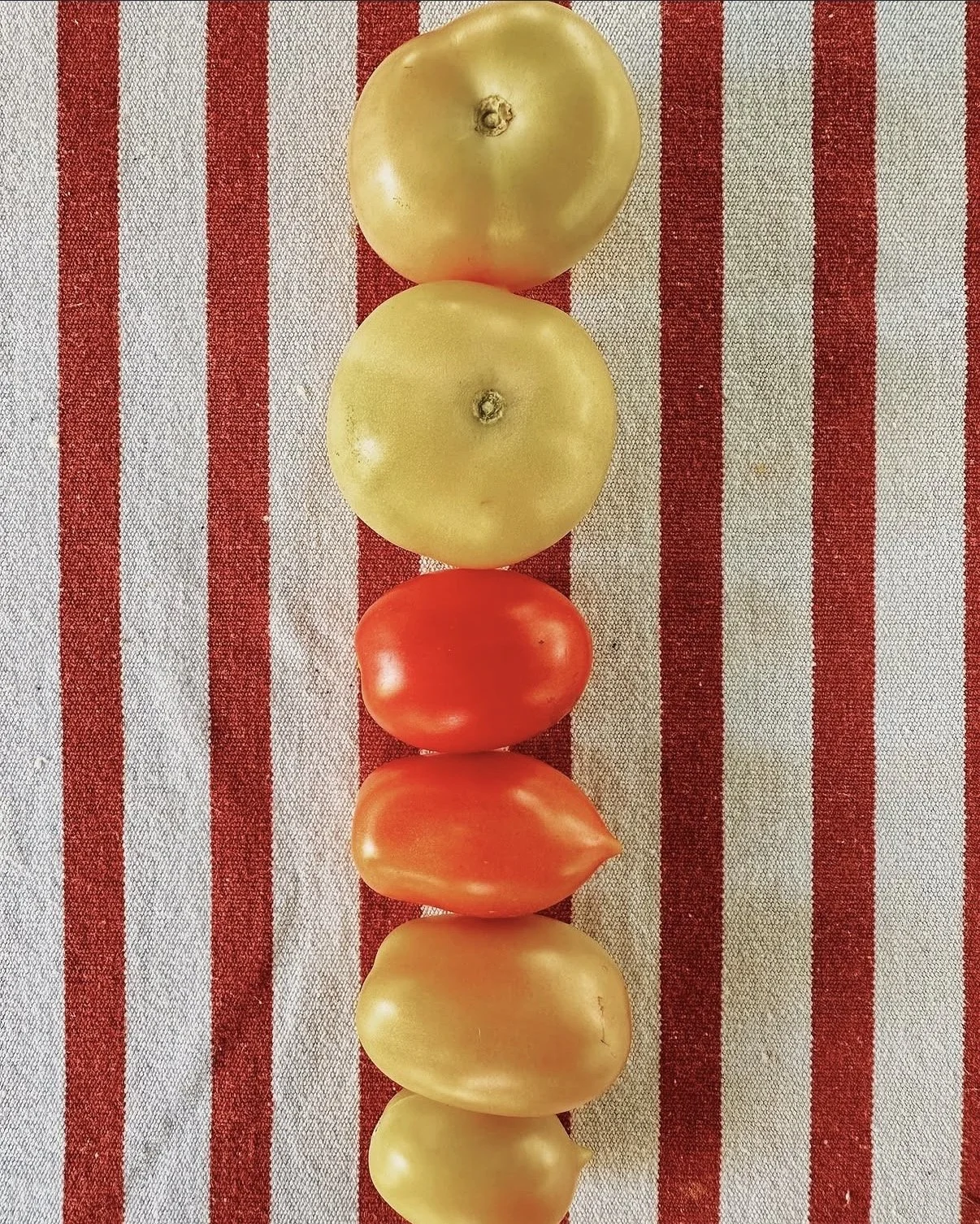
A quiet study of ripening.
Or maybe just me becoming overly fascinated by tomatoes.
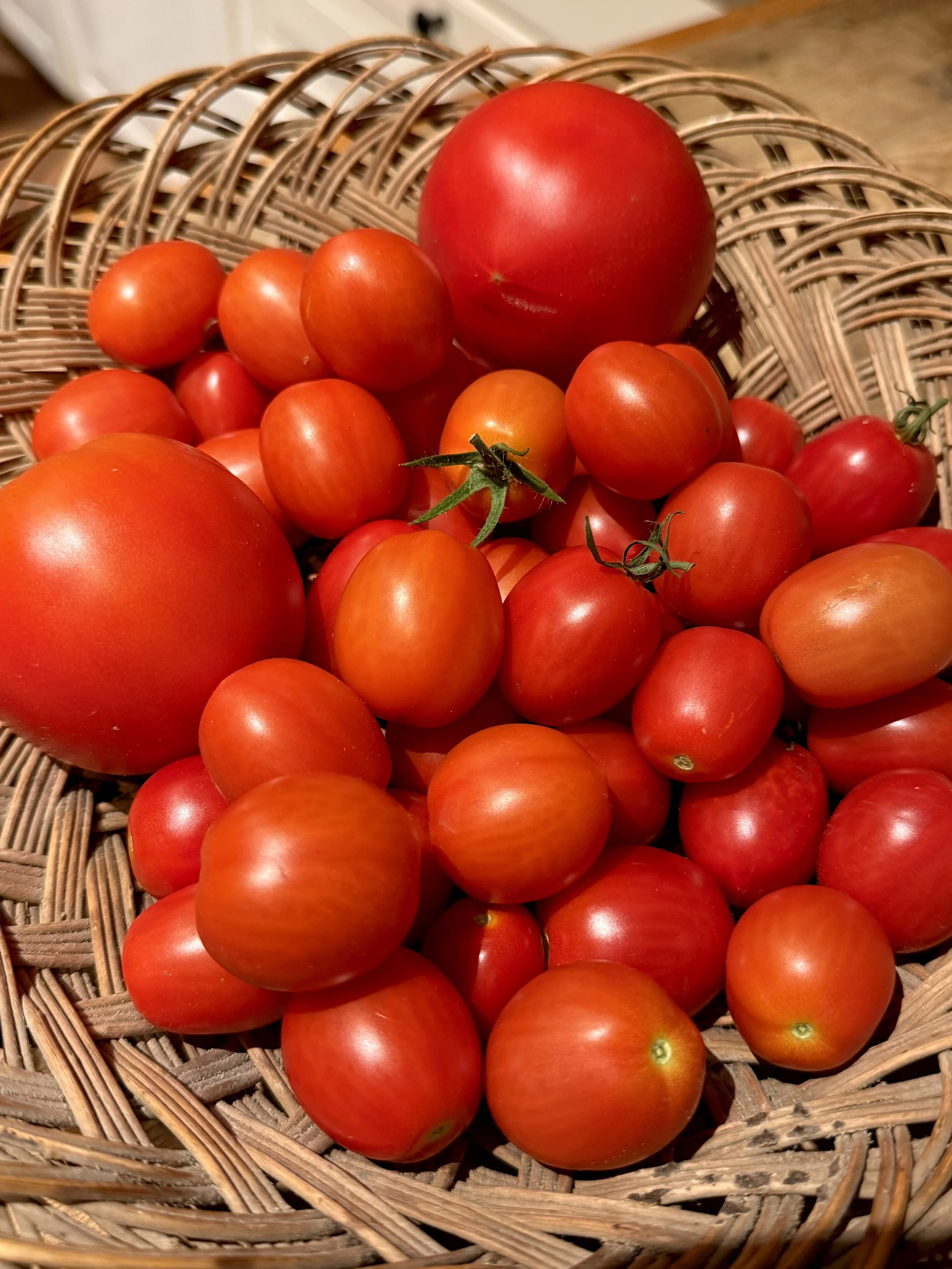
First Harvest, July 2026, Umbria.
Then one morning, there were finally enough to fill a basket.
Not many by a farmer’s standards, but enough to feel like summer had properly arrived.
There was something surprisingly satisfying about seeing different varieties together - round tomatoes, plum tomatoes, tiny cherry tomatoes - each ripening at its own pace. Some would end up sliced into salads, others cooked into sauce, and a few inevitably disappeared before they ever reached the kitchen.
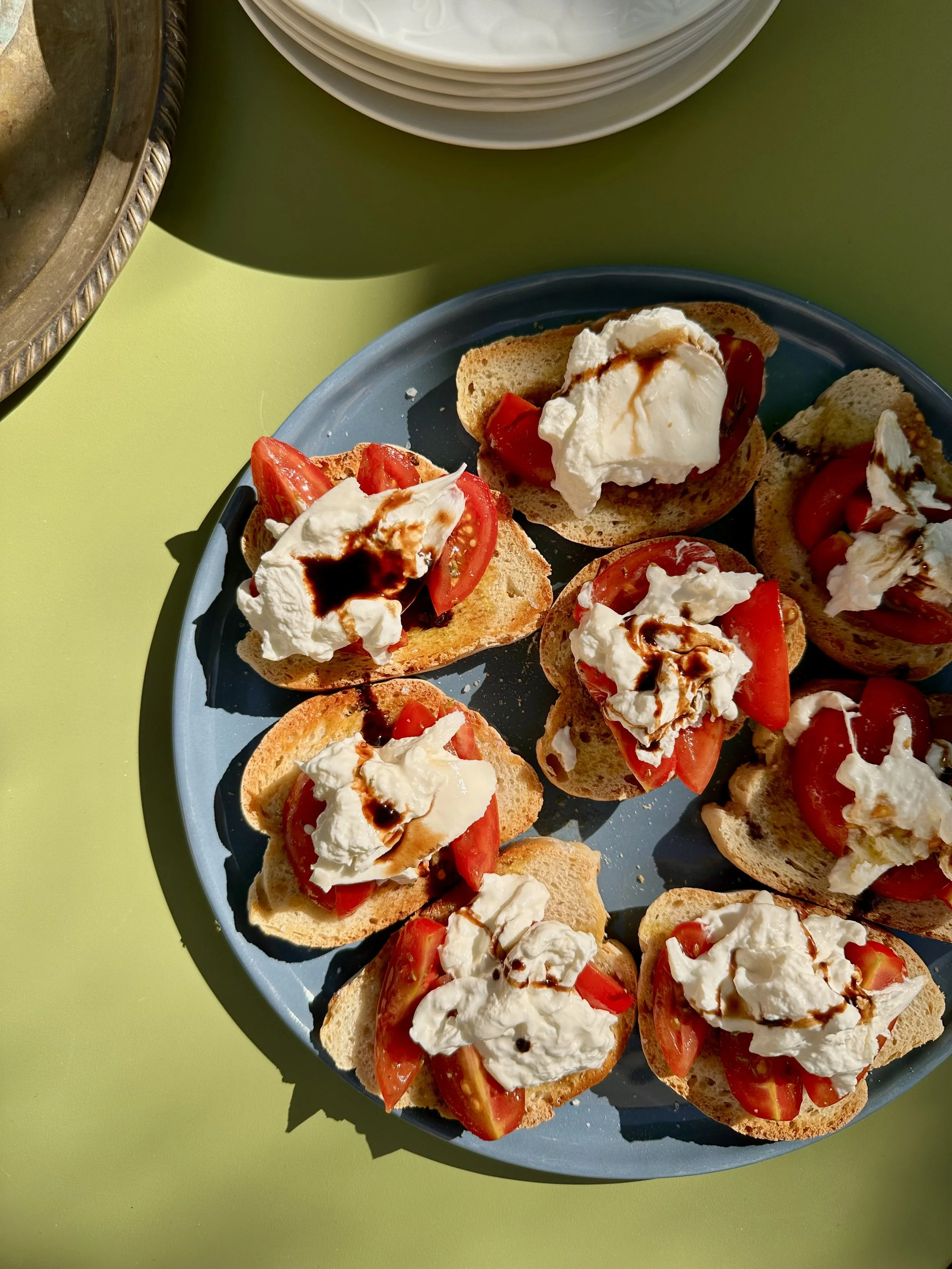
April 2024.
Simple and delicious.
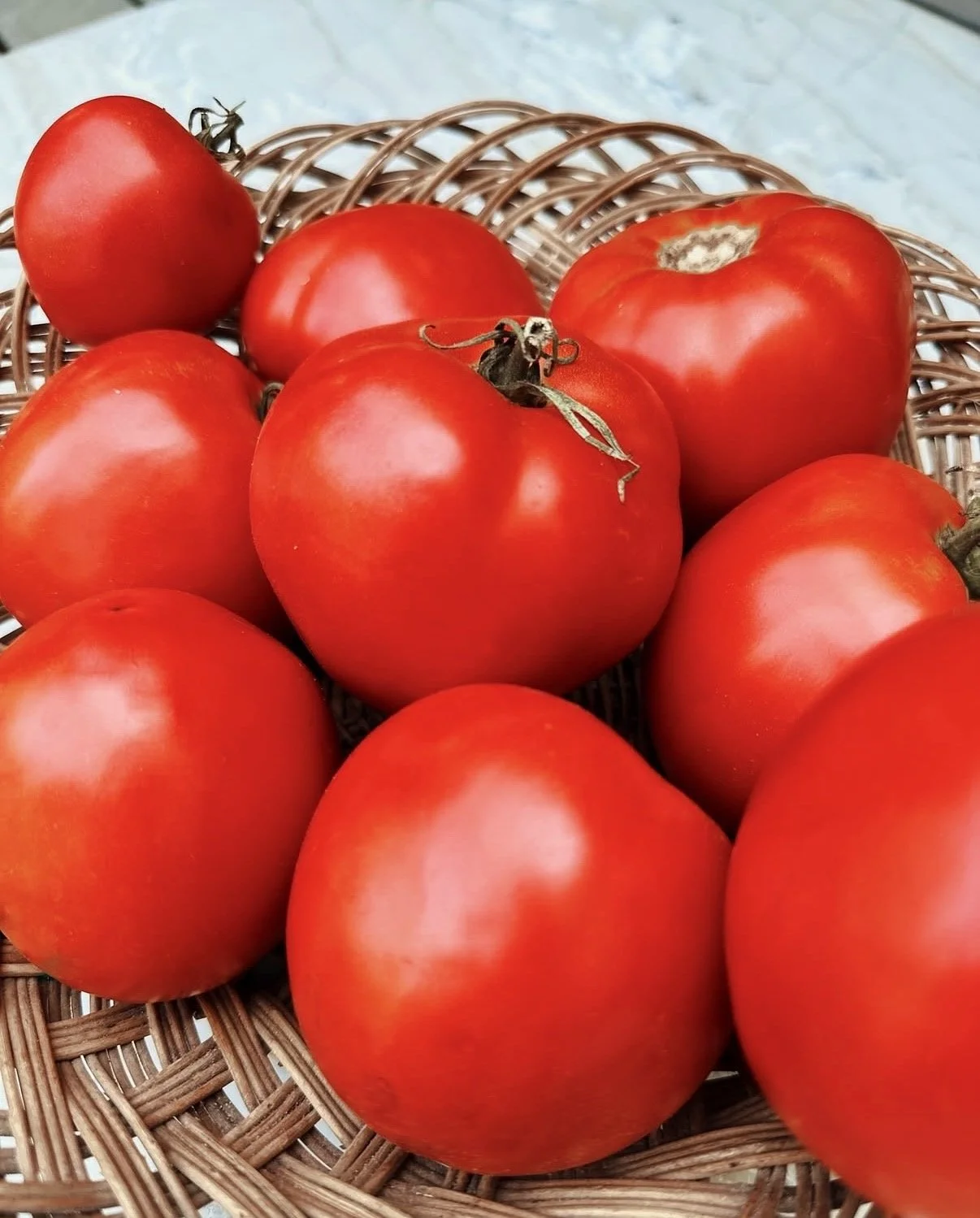
The abundance arrives all at once.
For a brief period every summer, the kitchen becomes filled with tomatoes in different shapes and sizes. Some perfect, some splitting slightly under the heat.
Of course, tomatoes are available all year round in both Malaysia and Italy. But living here made me notice their season differently.
Perhaps because we only grow them at home during summer. Or because people speak about ingredients more seasonally here - waiting for the right tomatoes, the right peaches, and so on.
Now every time summer arrives, I somehow start paying more attention to tomatoes again.
Growing up in Malaysia, where most tomatoes are grown in the cooler highlands of Cameron Highlands, I never thought about tomatoes this much.
In many Asian cuisines, flavour is often built differently - through aromatics, soy sauce, spices, stocks, chilli, garlic and ginger. Ingredients blend into one another rather than revealing themselves so directly.
Italian cooking made me notice tomatoes because they are often left exposed. A simple pasta al pomodoro or pizza immediately reveals the quality of the tomatoes themselves. The tomatoes I grew up eating in Malaysia were juicy and refreshing, but the ones I later had in Italy somehow tasted deeper, sweeter and more intense.
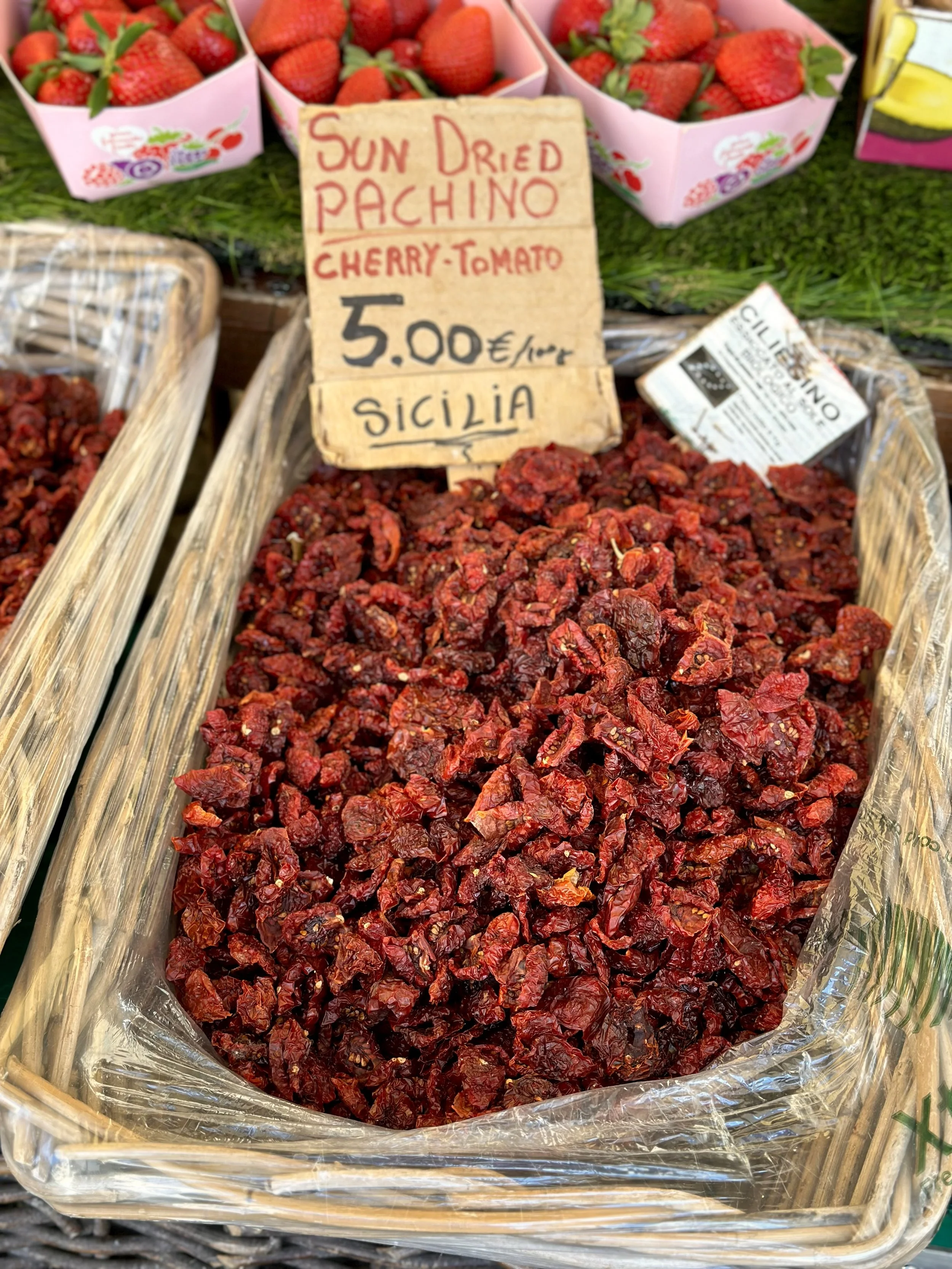
Campo de’ Fiori, Rome.
Walking through Italian markets, it is difficult to imagine Italian cuisine without tomatoes.
But tomatoes actually arrived in Europe from the Americas centuries ago before slowly becoming part of everyday Italian cooking.
Now it feels impossible to separate them from pizza, pasta or tomato sauce simmering at home.
It’s amazing how ingredients travel across continents and eventually become part of a country’s identity.
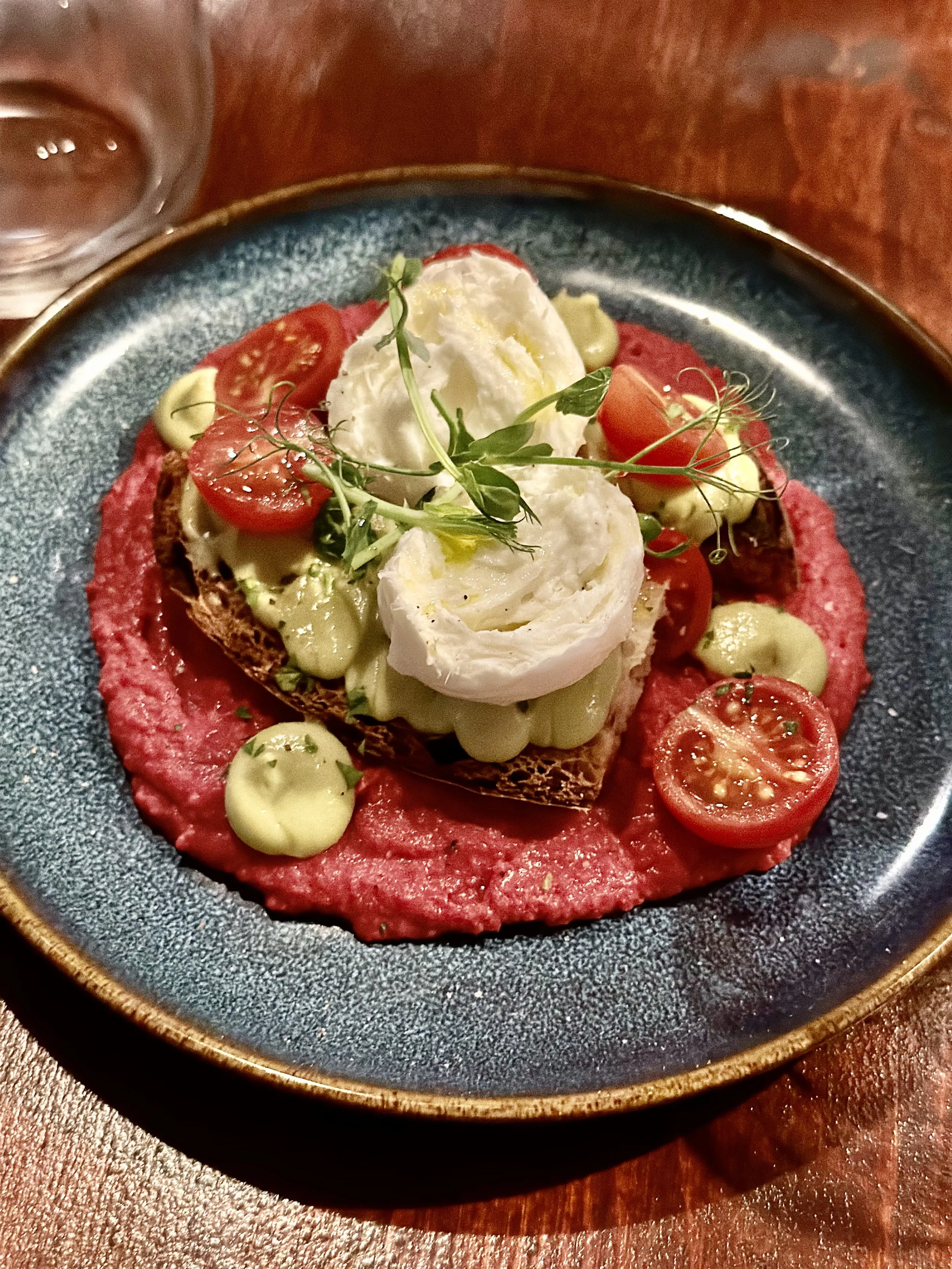
Valletta, October 2023.
Sometimes tomatoes become the main character of a dish.
Sometimes they quietly support everything else.
I like that about them.
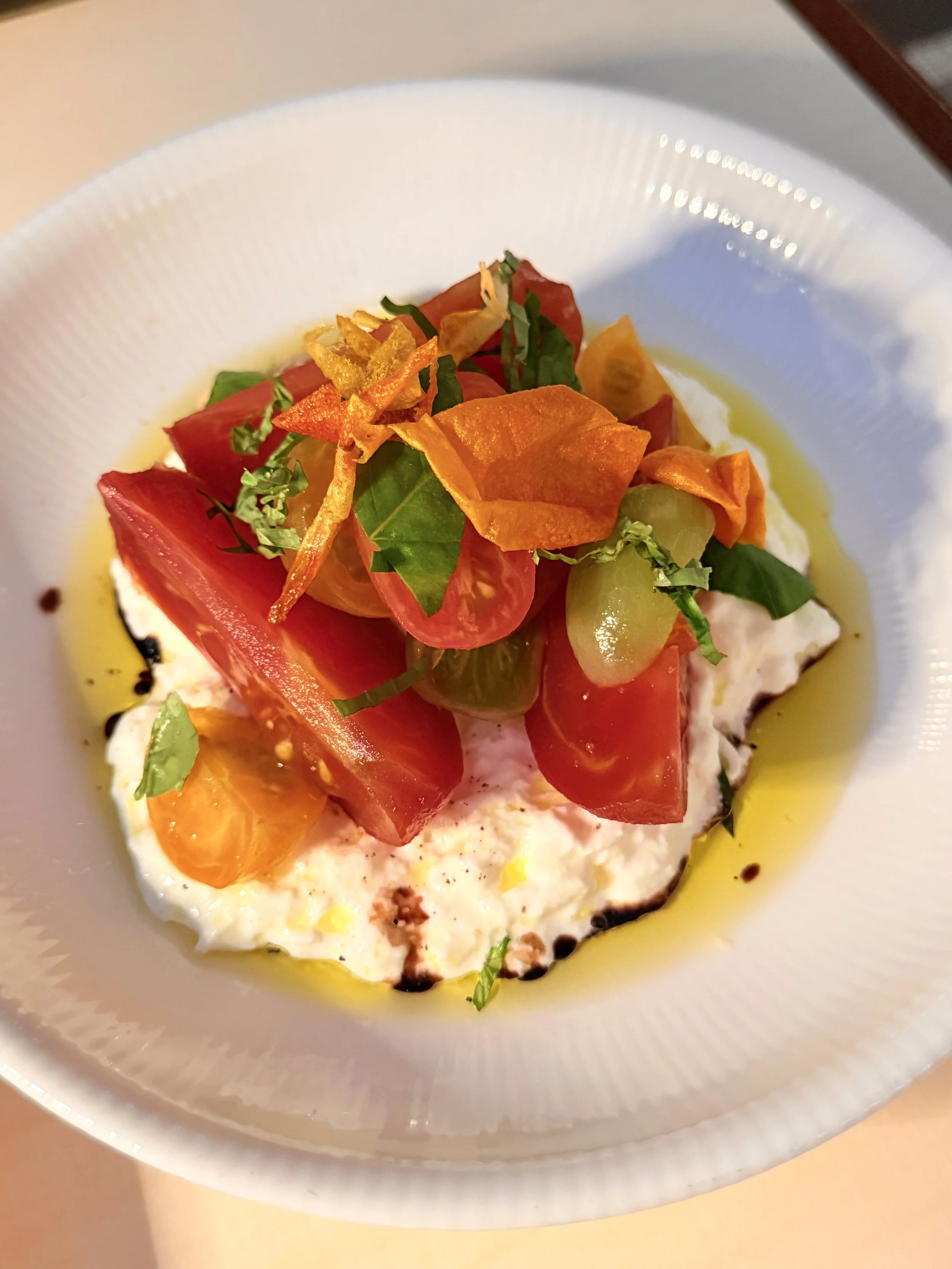
Singapore, March 2026.
Tomatoes appearing differently again.
Sharper. Brighter. More refined.
The same ingredient somehow continues adapting itself everywhere.
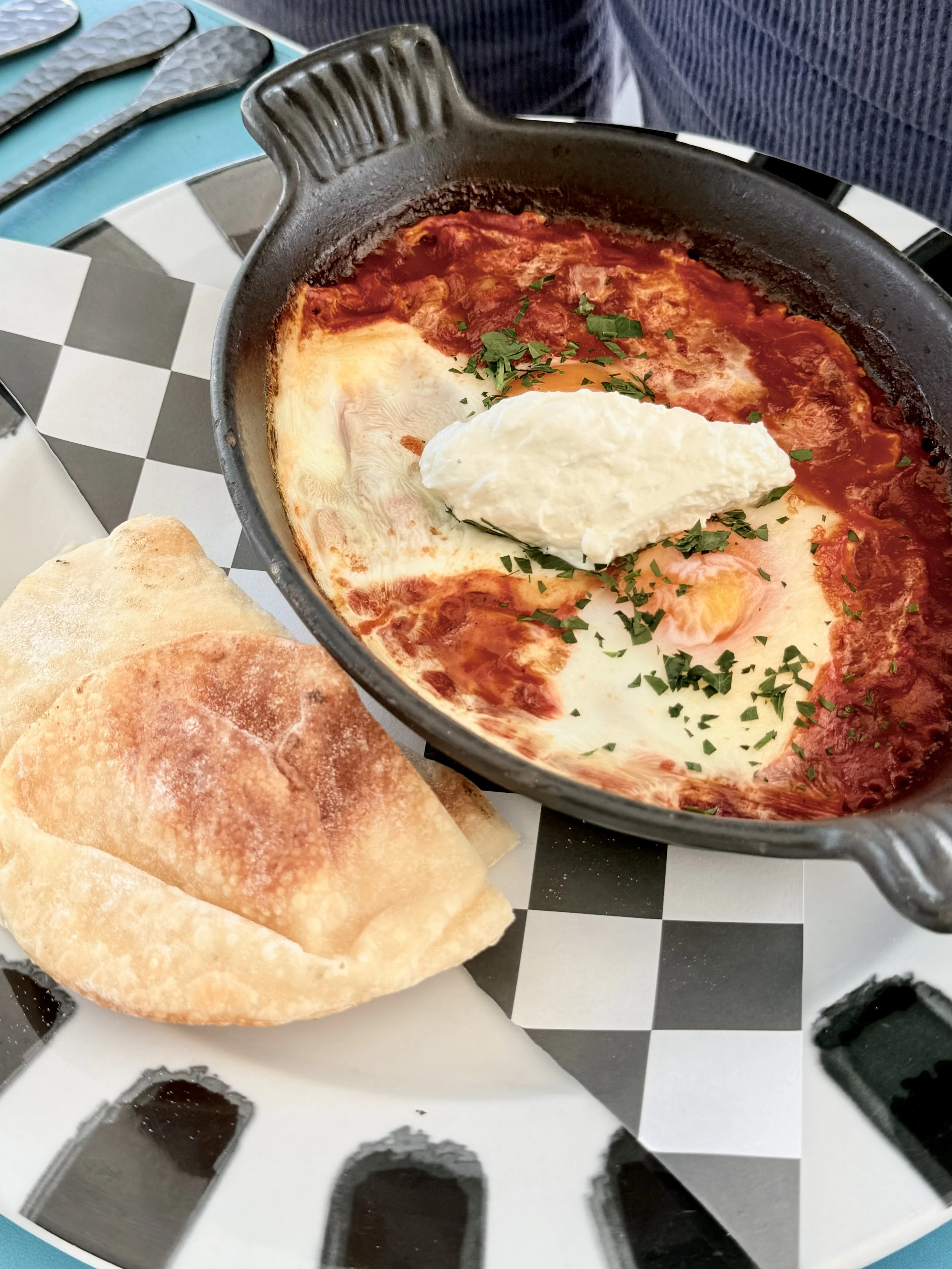
Phuket, February 2026.
Tomatoes softened into comfort food.
At this point they are no longer fresh or crips, but slow-cooked, warm and deeply comforting.
Fascinating how one ingredient can exist in so many forms.
One of the smells I now associate most strongly with Italy is tomato sauce simmering slowly in the kitchen.
Simple tomato sauce appear everywhere here - over pasta, on pizza, spooned onto bread. And because many Italian dishes are built from only a few ingredients, the tomatoes themselves matter enormously.
A good tomato sauce somehow tastes both comforting and bright at the same time.
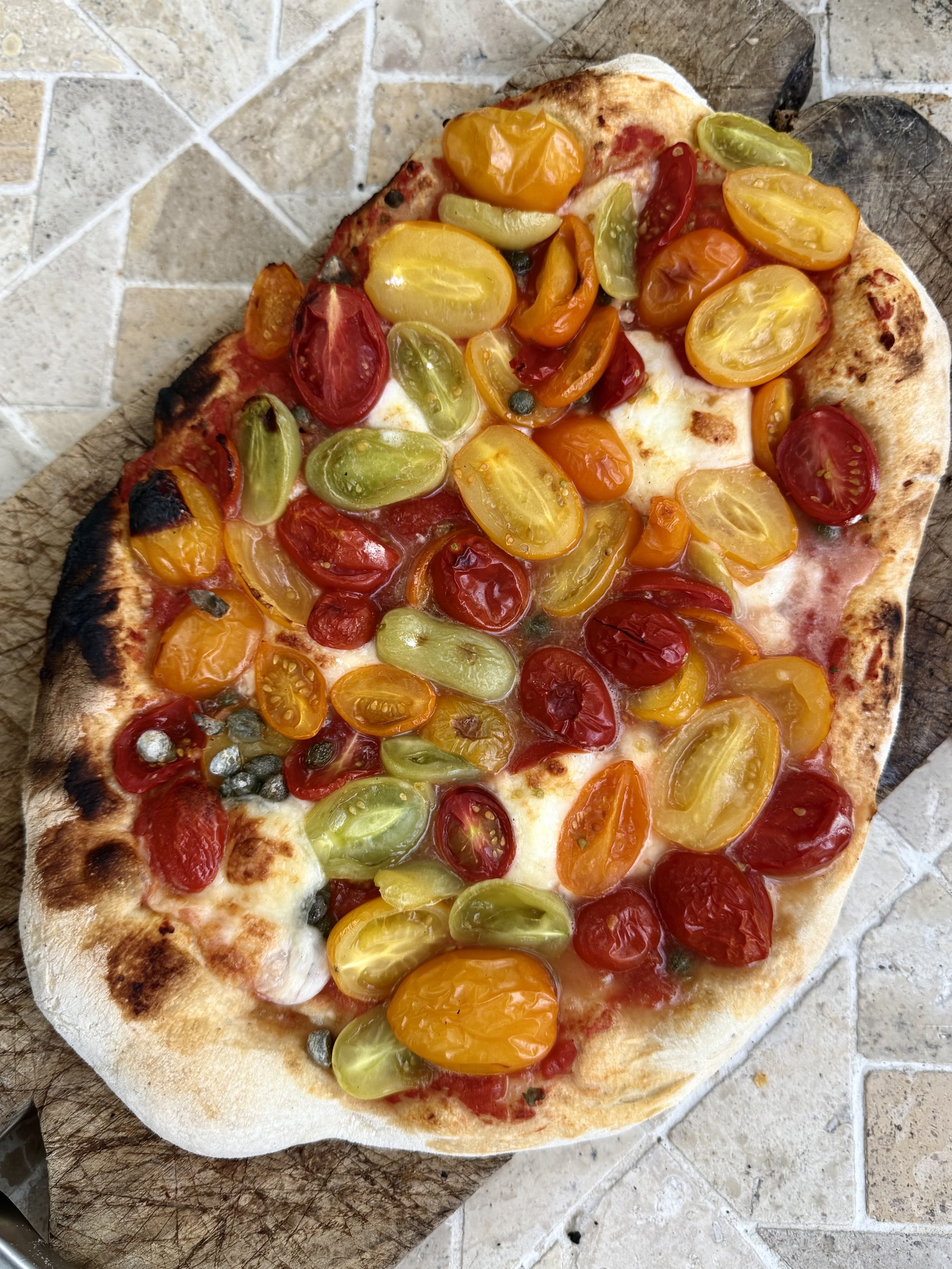
Pizza Night, Umbria, June 2026.
A few days before publishing this article, tomatoes appeared once again.
This time scattered generously across a pizza shared outdoors on a warm summer evening.
By then I had already gathered photographs of tomatoes from gardens, markets, restaurants and travels. Looking at them all together, I realised how often they find their way onto the table.
Not always as the main attraction.
Sometimes simply bringing sweetness, acidity, colour or balance.
And occasionally, covering almost the entire pizza.
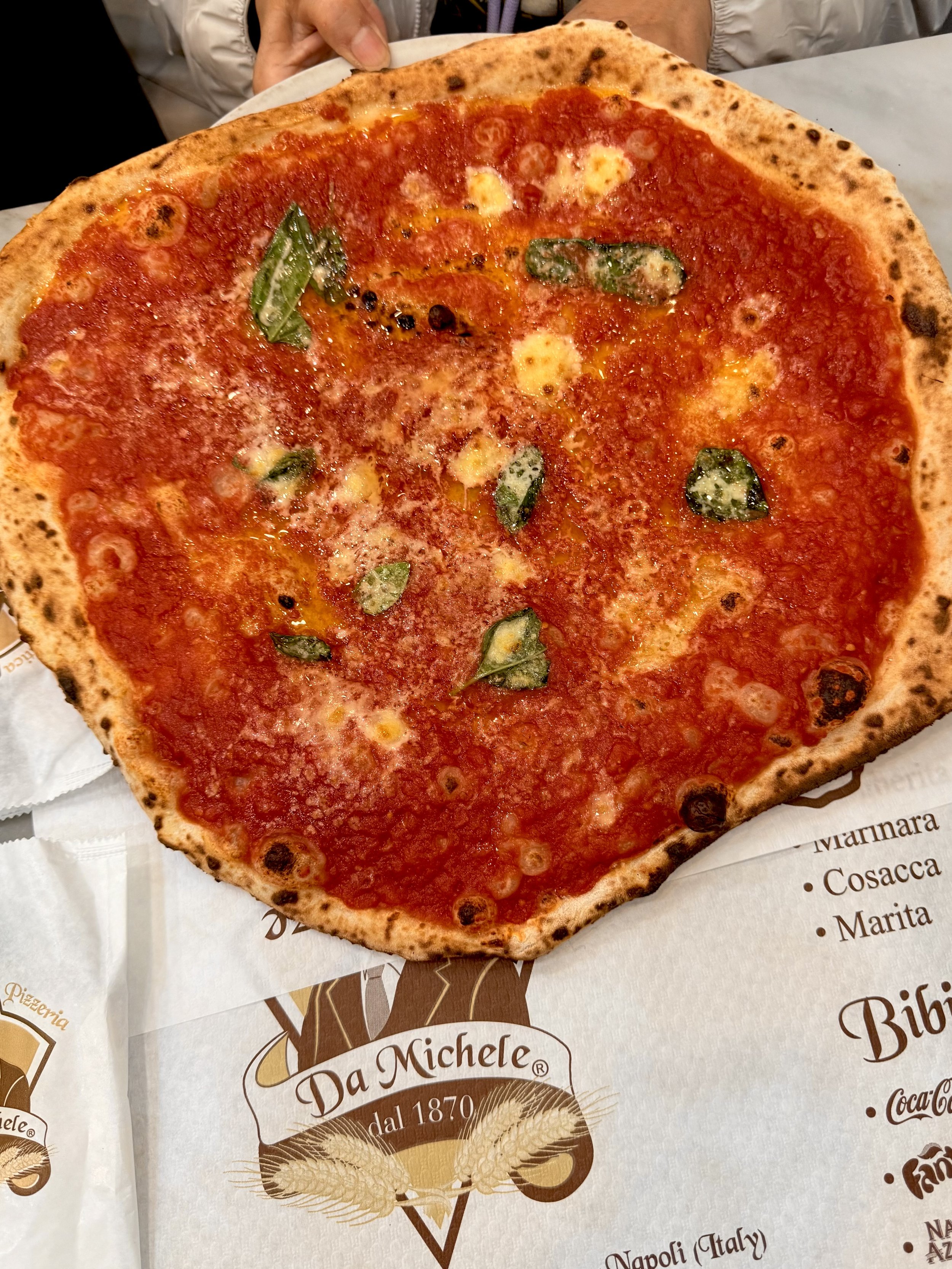
Naples, March 2025.
Perhaps nowhere is the importance of tomatoes in Italian cuisine more obvious than on pizza.
At Da Michele, one of Naples’ most well-known pizzerias, the pizza arrives with very little distraction - tomato sauce, mozzarella cheese (with or without - the one without is called Marinara), basil and olive oil.
Simple enough that the tomatoes’ sweetness and acidity make the pizza memorable.
Many Neapolitan pizzerias traditionally use San Marzano tomatoes, a variety grown near Mount Vesuvius and prized for their balance of sweetness and acidity. Whether they are truly the “best” tomatoes probably depends on who you ask, but in Naples, people speak about tomatoes with almost the same seriousness as wine.
The more I travel, the more I realise food memories are rarely only about the restaurants.
Sometimes they are simply about noticing the same ingredients appearing across different moments in life.
Tomatoes growing slowly in summer.
Tomatoes eaten standing at markets.
Tomatoes during aperitivo.
Tomatoes on pizzas in Naples.
Tomatoes simmering into sauces at home.
Perhaps this is why I keep photographing them.
Not because they are extraordinary, but because ordinary things become surprisingly interesting once we start paying attention to them properly.
Further Reading
The Joy of Aperitivo - on slowing down through small rituals, drinks and simple food shared slowly
Colours of Umbria - a visual journal exploring the tones, textures and atmosphere of everyday life in Umbria
Travel, Pre-Experieced - reflections on modern travel, image culture and learning to notice places differently
Unless otherwise credited, all photography and written content are original works by Foodie Goes Travel.
