Seeing Someone Twice
Words and photograph by JJ Wong
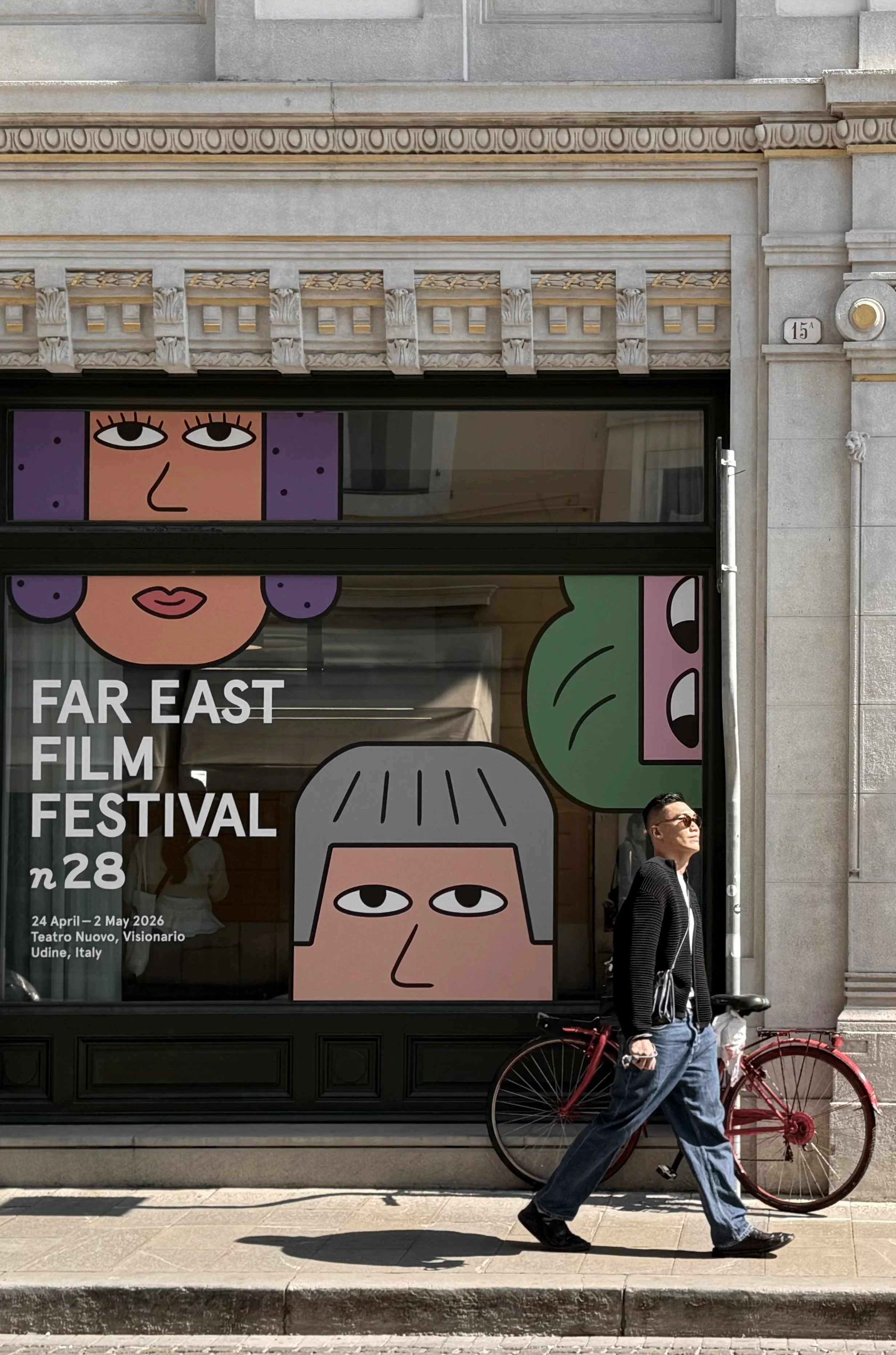
There are certain trips we plan around destinations, and others that begin simply because of a person.
My visit to Udine started months earlier in Singapore, when I met up with my friend Yann Yann (楊雁雁)during a trip home to visit family. Somewhere between casual conversation and coffee, she mentioned that her latest film, We Are All Strangers 『我們不是陌生人』, might be screening at the Far East Film Festival in Italy late April this year.
A few weeks later, she confirmed that she would indeed be coming to Udine. I remember feeling unexpectedly excited. I had never been to the city before, and from Umbria, the journey would take close to seven hours by train across the country. Still, I went without any particular expectations. More than anything, I simply wanted to support a friend whose work I deeply admired.
Originally from Johor in southern Malaysia, Yann Yann had already built an extraordinary acting career across Asia, including winning Best Leading Actress at Taiwan’s Golden Horse Awards for Wet Season 『熱帶雨』. Yet outside the screen, the friendship had always felt remarkably ordinary - occasional messages, conversations whenever we happened to meet again, small updates about life.
Perhaps that was why arriving in Udine felt strangely emotional. Somewhere between old piazzas, film posters and spring light of northern Italy, a small Southeast Asian story had magically travelled across the world.
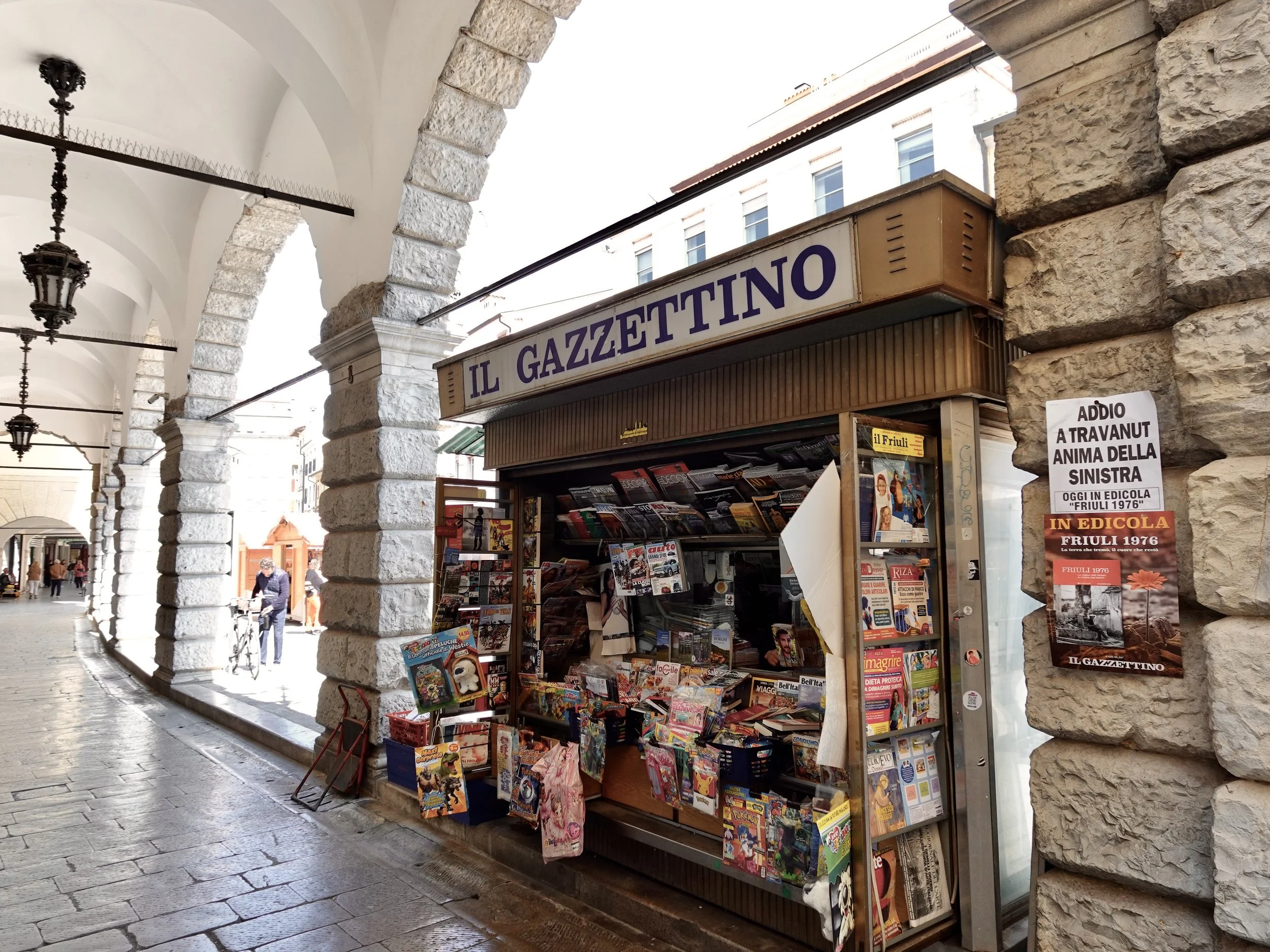
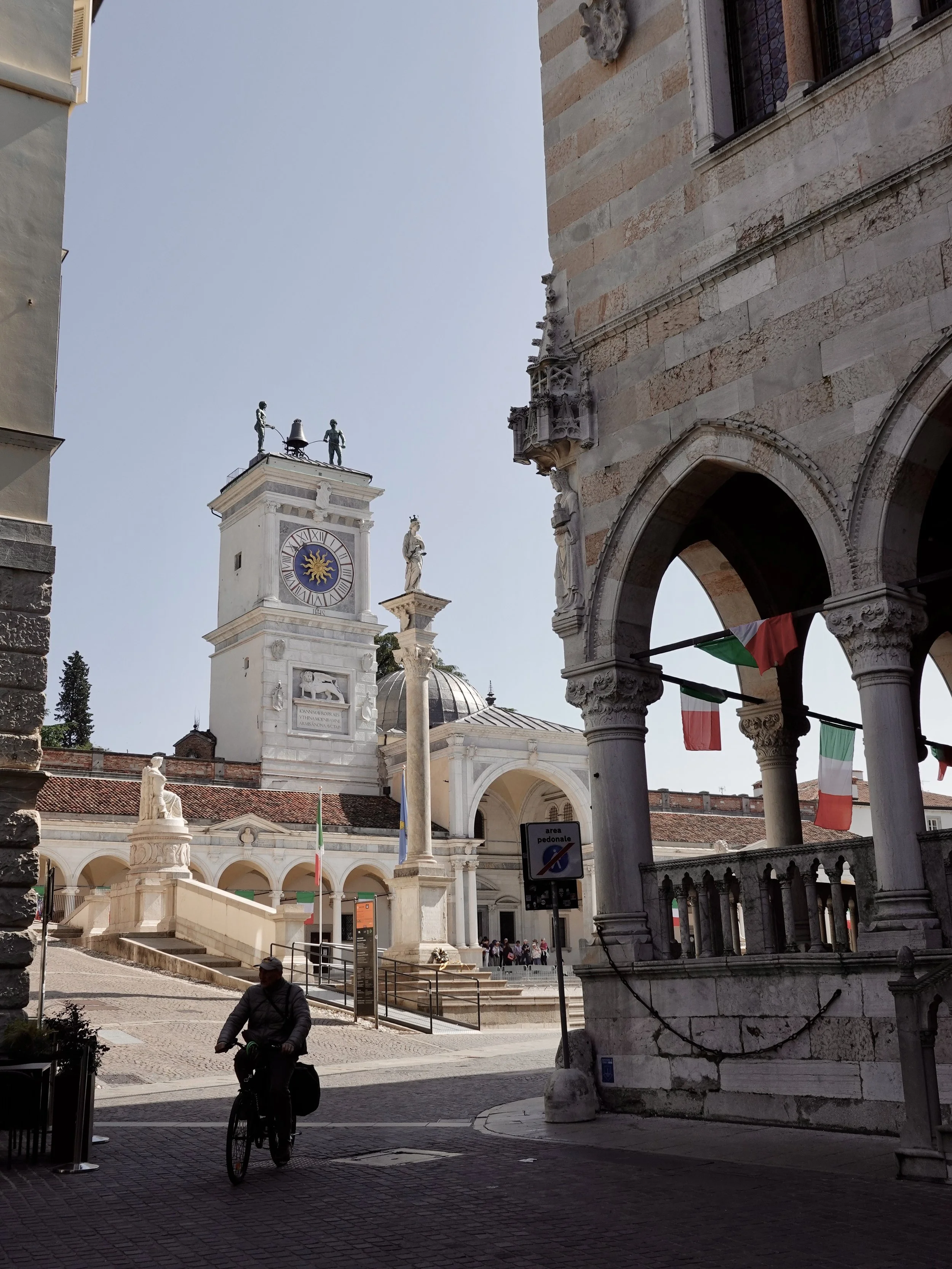
Udine was quieter than I imagined.
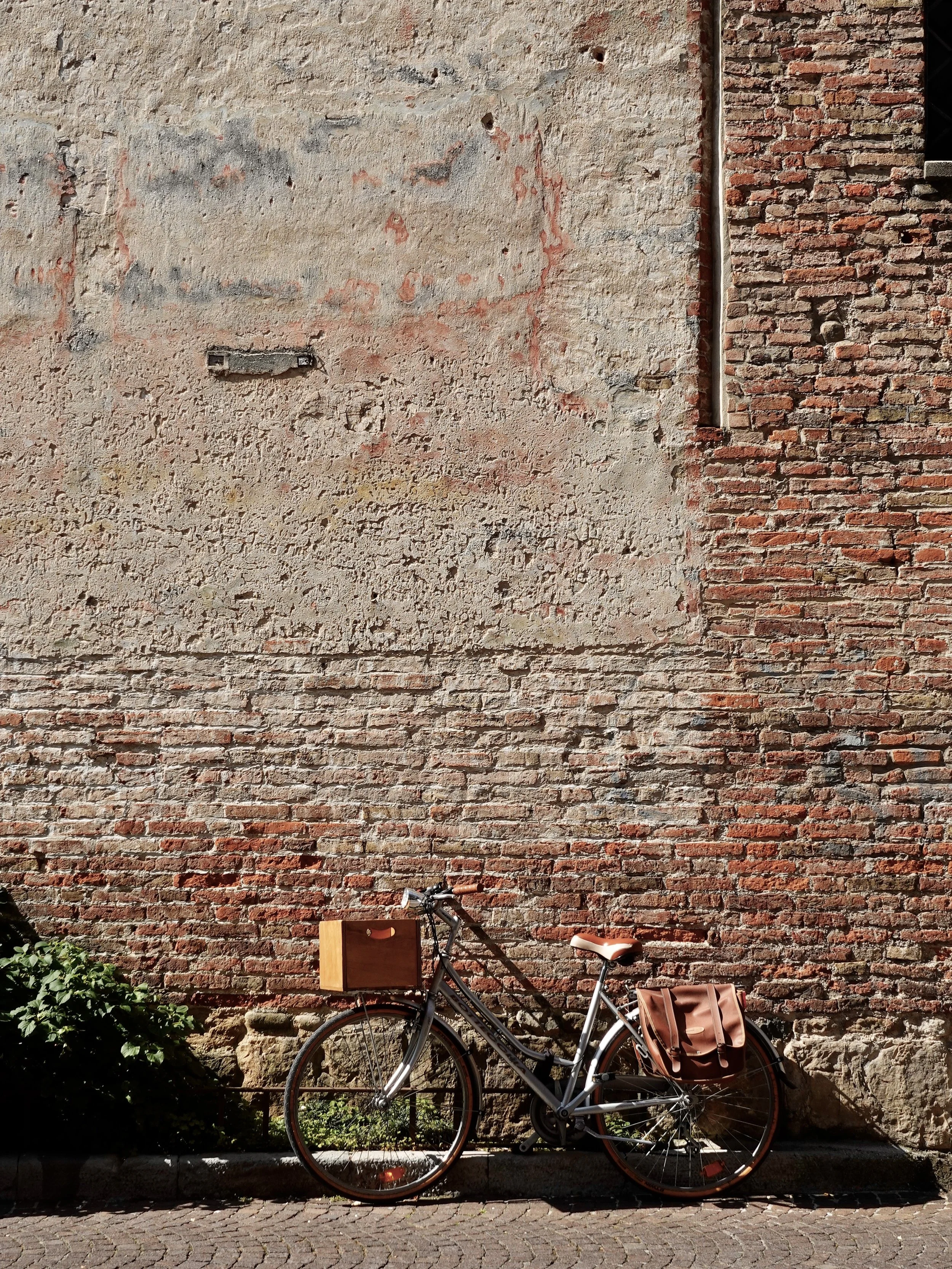
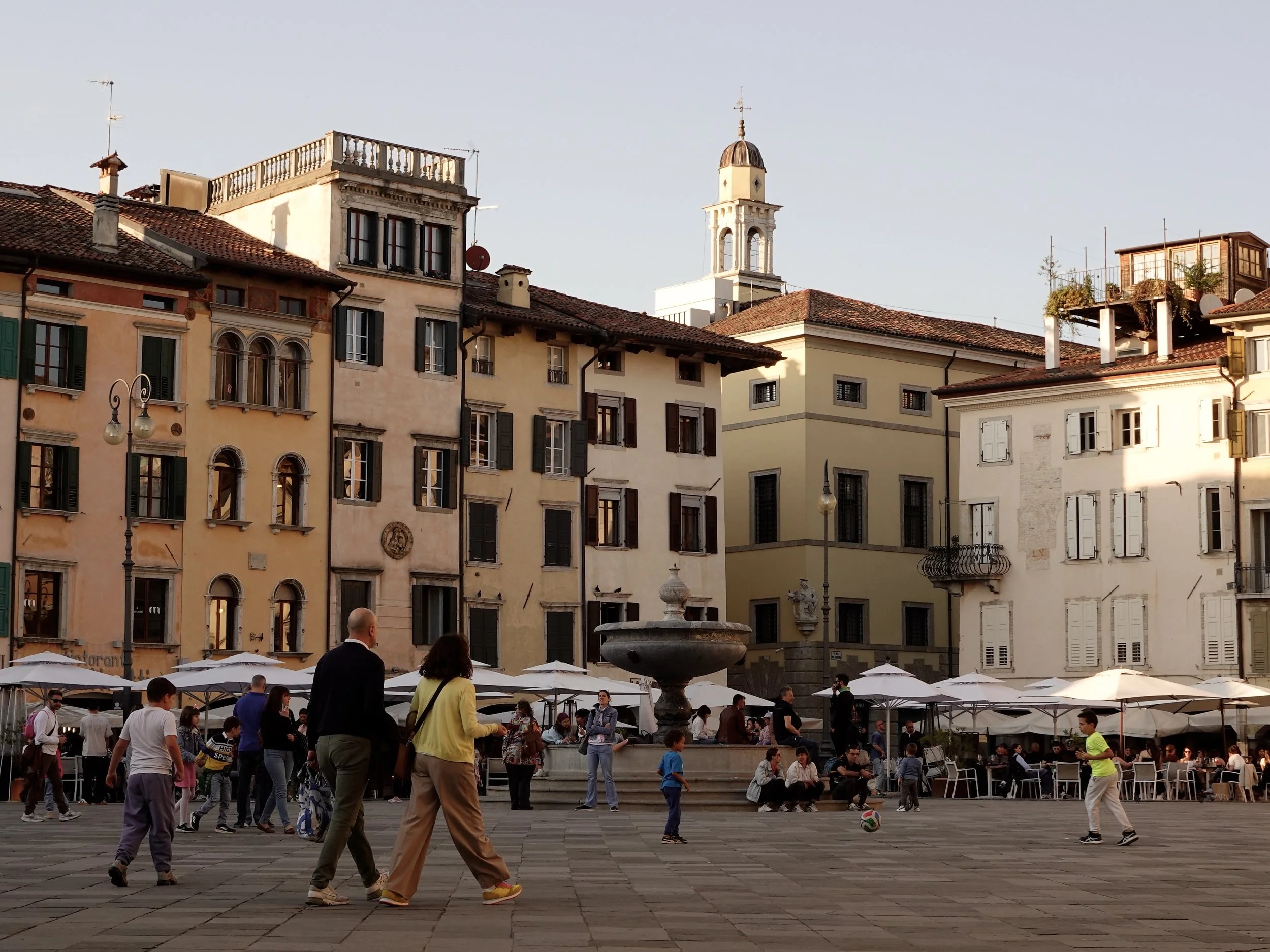
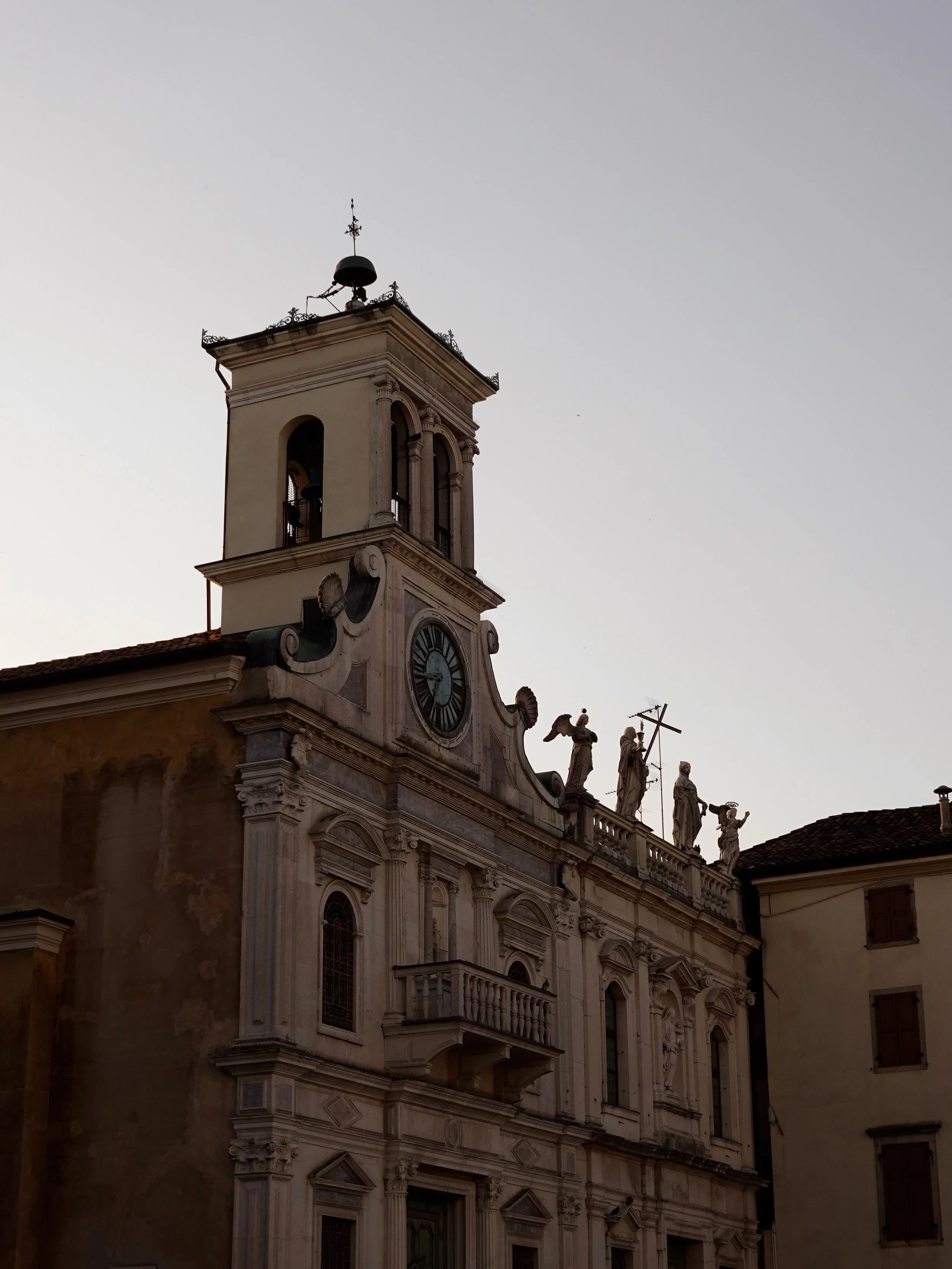
Unlike larger Italian cities constantly overflowing with tourists, Udine felt calm and lived-in. People cycled through narrow streets, conversations drifted across piazzas and old facades carried that slightly faded charm I often associate with smaller Italian towns. Yet scattered across the city were posters from the Far East Film Festival - sudden flashes of Asian cinema appearing against centuries-old walls.
For a few days, the city became more international. Outside Teatro Nuovo Giovanni Da Udine (main venue for the film festival) and cafés, I heard Mandarin, Cantonese, English, Korean, Japanese spoken. Filmmakers, audiences, volunteers and journalists moved through the same streets as the locals. I liked that contrast. The festival did not overpower the city. Instead, cinema seemed to gently blend into the rhythm of everyday life.
The film itself stayed with me far longer than I expected.
Although We Are All Strangers is a Singapore production, many of its emotional textures felt deeply familiar to me as someone who grew up in Malaysia and spent years living in Singapore before moving to Italy. Yann Yann plays a Malaysian woman working in Singapore as a “beer lady” - a role instantly recognisable to many people from the region. In local coffee shops and open-air eateries, these women move between tables selling beer on commission, often carrying stories and struggles that remained invisible beneath the casual atmosphere of coffee shop nightlife.
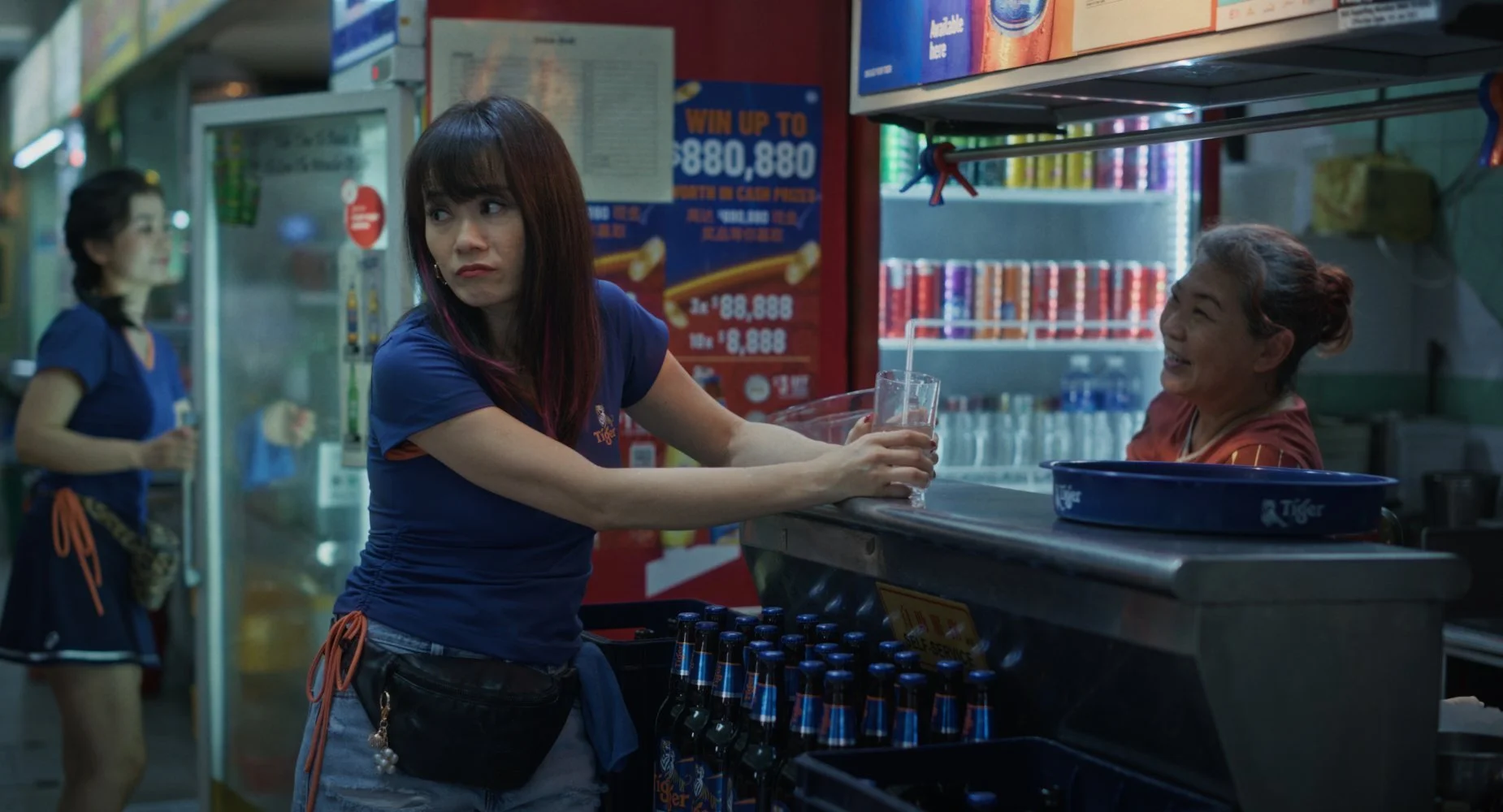
Photo courtesy of Far East Film Festival
For readers unfamiliar with Singapore or Malaysia, a “coffee shop” here refers less to the Western idea of cafés and pastries, and more to a communal neighbourhood eatery - usually informal, non air-conditioned and filled with individual food stalls serving everything from noodles to grilled seafood late into the night. During evenings, many people gather there not only for dinner, but also for beer, conversation and a temporary escape from the routine of everyday life.
Watching the film in Italy, I realised how strongly distance changes the way we see places we once considered ordinary.
Certain conversations, family dynamics and social details felt less like cinematic storytelling and more like fragments of life I had quietly observed growing up without ever fully thinking about them.
What made the experience even more emotional was that my mother was sittting beside me throughout the screening.
Some scenes depicting Taoist funeral rituals immediately brought both of us back to memories of my grandmother, who passed away in 2023. In many Asian families, grief rarely announces itself loudly. It appears through gestures, meals, rituals and small moments of care. Watching those scenes in a cinema in northern Italy reopened emotions I thought had settled quietly somewhere within me.
Perhaps that is also why food became such an important emotional thread in the film for me. It reminded me of something I wrote previously in The Places We Carry - that food often becomes more than nourishment. It becomes memory, love, absence and time itself.
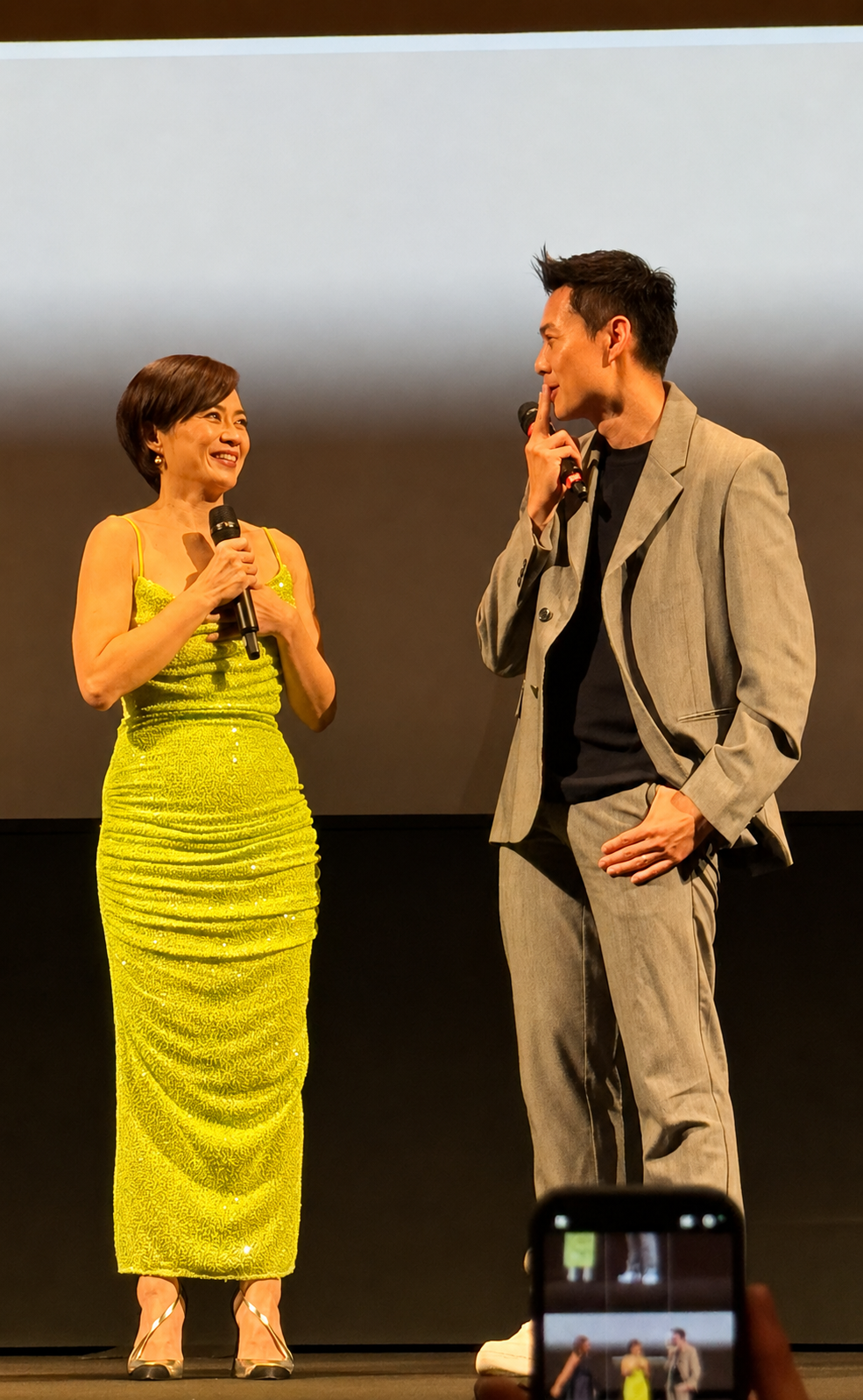
What I appreciated most throughout the trip, however, was not necessarily the glamour of cinema, but the reminder that behind every performance is simply another human being carrying an ordinary life.
Although Yann Yann is widely recognised for her work across Asia, my impression of her has never really centred around fame. What stays with me instead is she’s an emotionally connected and warm person. She genuinely makes the effort to stay connected with people she cares about.
Watching her on screen was strangely emotional because for two hours, she became someone distant and cinematic. Yet outside the theatre, she returned to being what she had always been to me: someone’s daughter, someone’s mother, a close friend and simply a lovely person to be around.
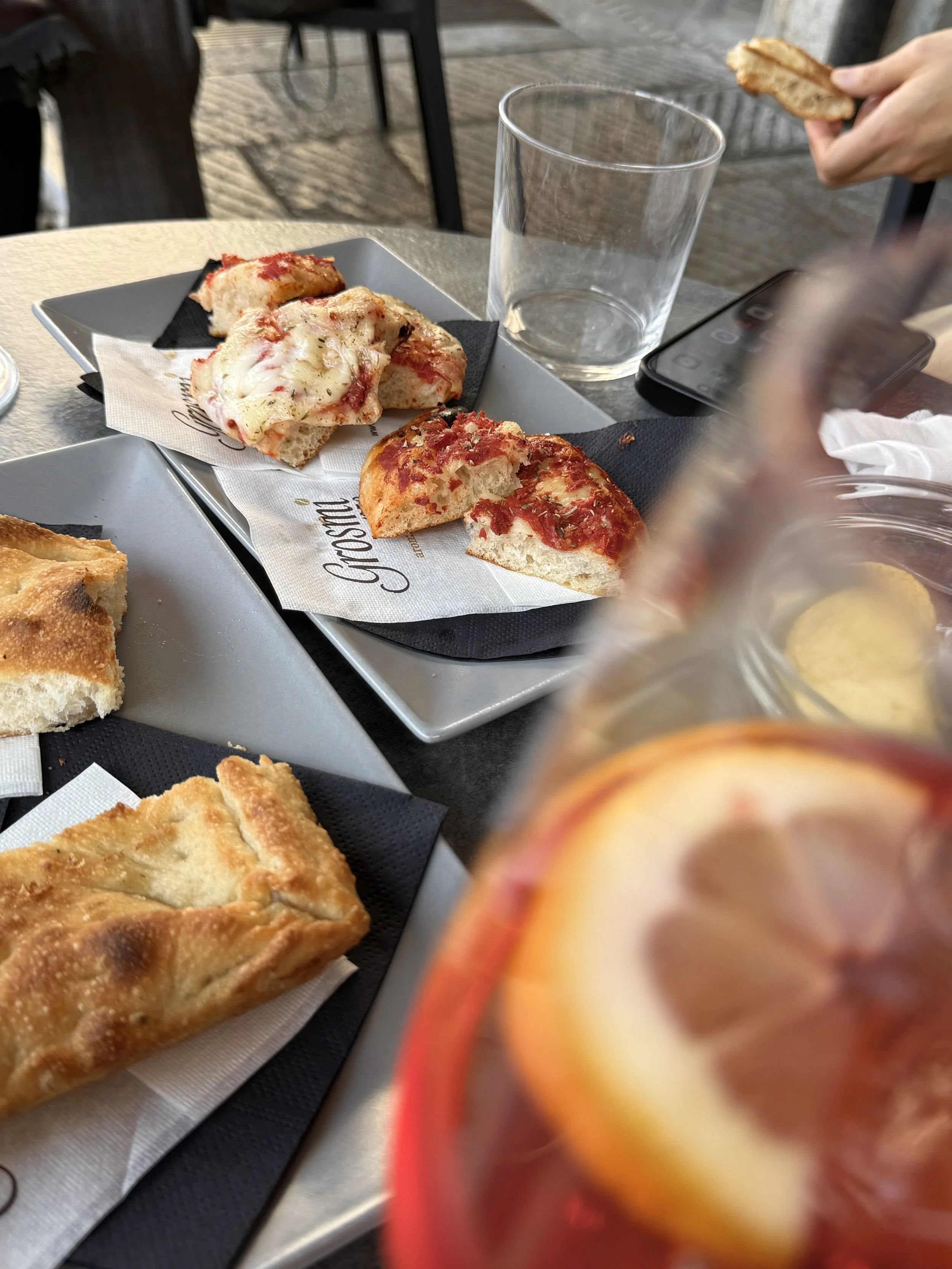
After the screening, we met for aperitivo at Piazza Giacomo Matteotti as the evening light slowly softened across Udine.
There was something beautifully ordinary about the moment. After spending two hours immersed in the emotional world of the film, we found ourselves sitting outdoors sharing small bites, spritz and conversation while the city carried on in its own rhythm around us. Yann Yann and Anthony (the director of the film) spoke about the filming process, certain scenes and the emotional layers behind the story. I shared some of my own reflections after watching the film.
At one point, I overheard Yann Yann telling my mother, “Wow, your son speaks Italian to the waiter so naturally now. He’s really adapting to life here.”
I instinctively turned towards my mother and noticed a small change in her expression - a sense of pride that she never verbally expressed, but that I immediately understood.
In many Asian families, affection and praise are often communicated indirectly. Compliments are not always spoken openly or generously in the way they sometimes are in Western cultures. Yet in that small moment, sitting outdoors in an Italian piazza thousands of kilometres away from Malaysia, I felt something deeply comforting in my mother’s reaction.
Almost as if on cue, the church bells began ringing across the square while conversations and glasses clinked softly in the background. It was one of those fleeting travel moments that would have seemed almost insignificant from the outside, yet somehow stays preserved in memory long afterwards.
Perhaps that was my favourite part of the trip.
Not the screening itself, but the transition afterwards - how cinema slowly dissolved back into ordinary life again. One moment, someone exists larger than life on a screen. The next, you are sitting together over aperitivo watching the sunset while conversations drift between film, family, work and everyday life.
It reminded me once again why I love aperitivo culture so much in Italy, something I explored previously in The Joy of Aperitivo. There is something comforting about how people allow conversations to linger without rushing towards conclusions. Certain thoughts do not need immediate answers. They simply stay with us for a while.
Almost two months have passed since Udine, yet the film still returns to me from time to time. Not only because of the story itself, but because of everything surrounding it - friendship, memory, family, food and the strange beauty of encountering familiar parts of ourselves far away from home.
Further Reading
The Places We Carry - Reflections on memory, grief and the emotional landscapes we continue carrying with us
The Joy of Aperitivo - Why aperitivo in Italy feels less like a ritual of drinking and more like a pause within everyday life
The Performance of Living Well - On modern performance, quiet observation and learning to reconnect with ordinary moments
Unless otherwise credited, all photography and written content are original works by Foodie Goes Travel.
