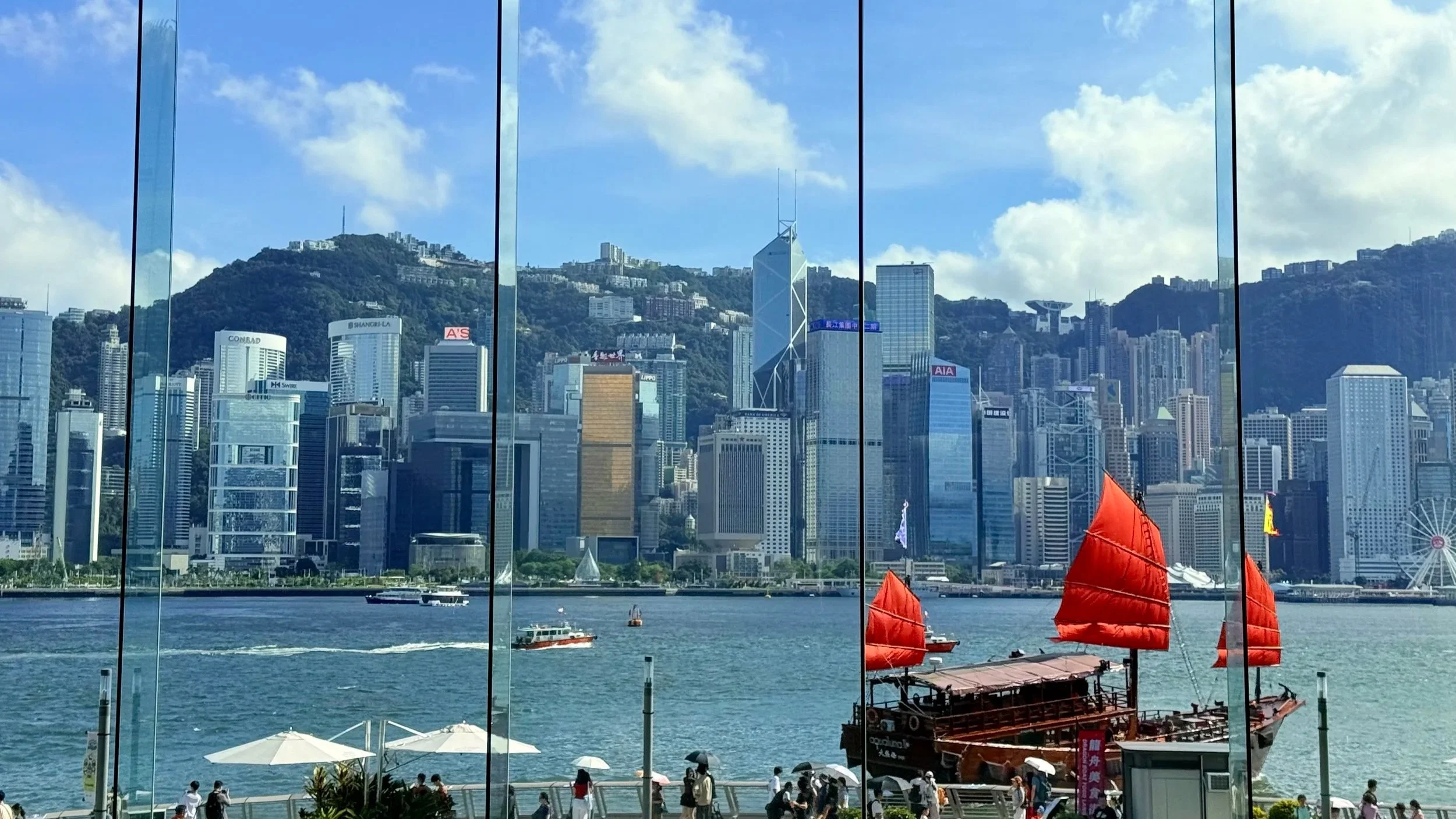
Hong Kong 香港
Hong Kong is a city I’ve returned to throughout different stages of my life, and familiarity has never made it feel predictable. Beneath its celebrated skyline is a city built on contrasts: cha chaan tengs beneath glass towers, old neighbourhood businesses beside ambitious new restaurants, and hiking trails beginning remarkably close to one of Asia’s great financial centers.
What keeps drawing me back is the way Hong Kong rewards familiarity. A morning milk tea in Central, a ferry across the harbour or a walk through Wan Chai can become as meaningful as any landmark. At the same time, the city continues to reinvent itself through architecture, design, food and an increasingly confident cultural scene.
This is my personal guide to the Hong Kong I enjoy returning to - shaped by places I know, others I continue to discover, and a city whose energy often reveals itself most clearly at street level.
Stories from Hong Kong
Where To Stay
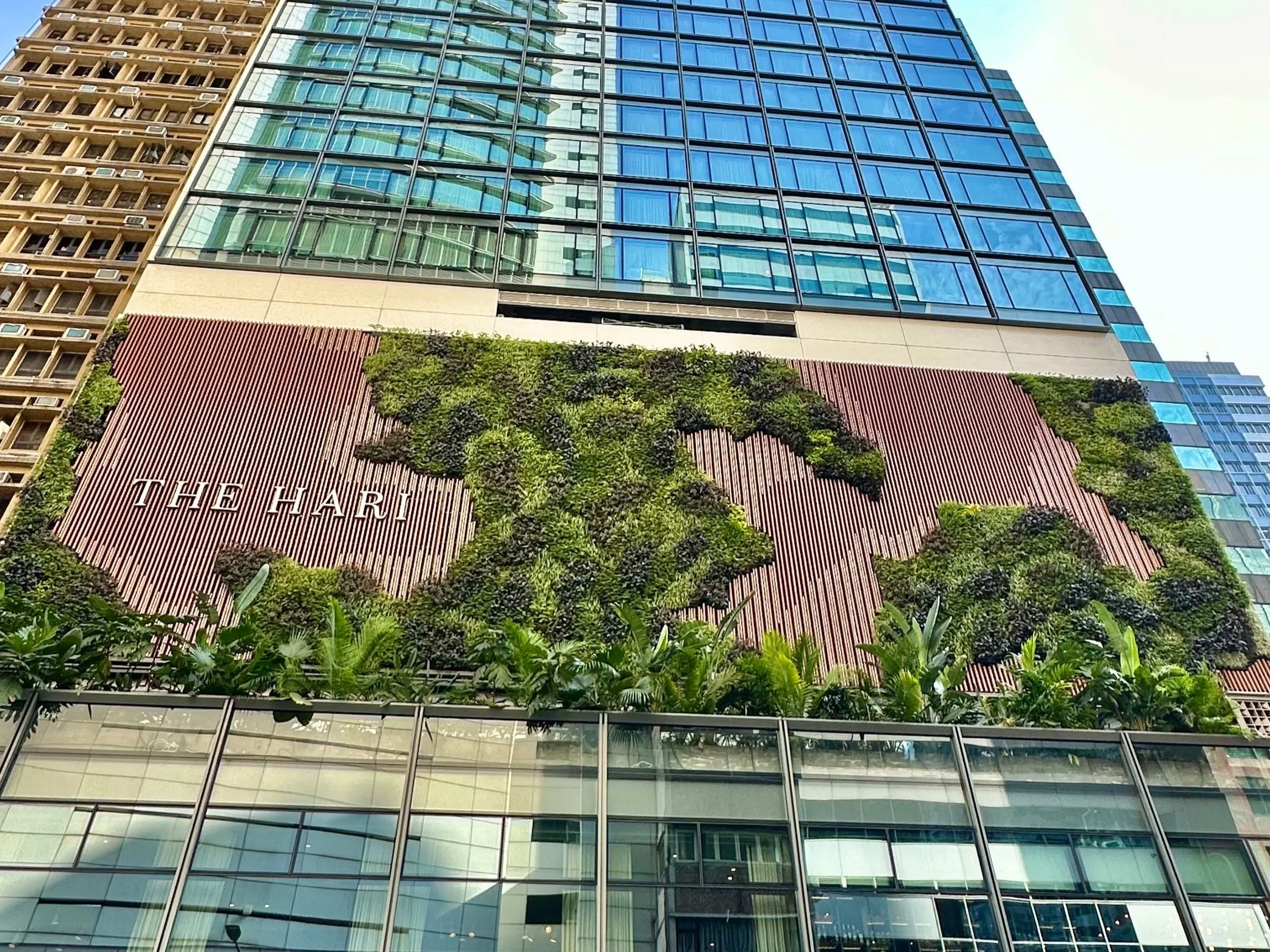
The Hari offers a contemporary interpretation on Hong Kong hospitality, combining Tara Bernerd’s richly layered interiors with the warmth of a more residential-style hotel. Its story also feels particularly connected to the city: the brand was conceived by the Hong Kong-based Herilela family, whose history in hospitality spans generations. Sitting between Wan Chai and Causeway Bay, it’s a strong base for travellers who want sophisticated design without feeling removed from the neighbourhood life unfolding outside.
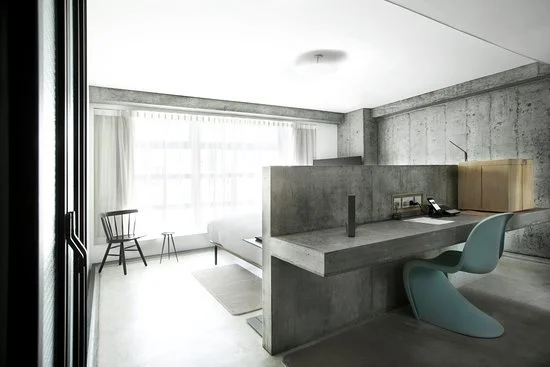
TUVE remains one of my favourite boutique hotels in Hong Kong for its uncompromising sense of restraint. Hidden away in Tin Hau, its raw palette of concrete, stone and metal creates an almost monastic calm that feels wonderfully unexpected in such an energetic city. Step outside, however, and neighbourhood cafes, local restaurants Victoria Park and the streets of Causeway Bay are all close by. It’s a hotel I recommend to travellers who appreciate thoughtful design, intimacy and the luxury of having somewhere genuinely quiet to return to.
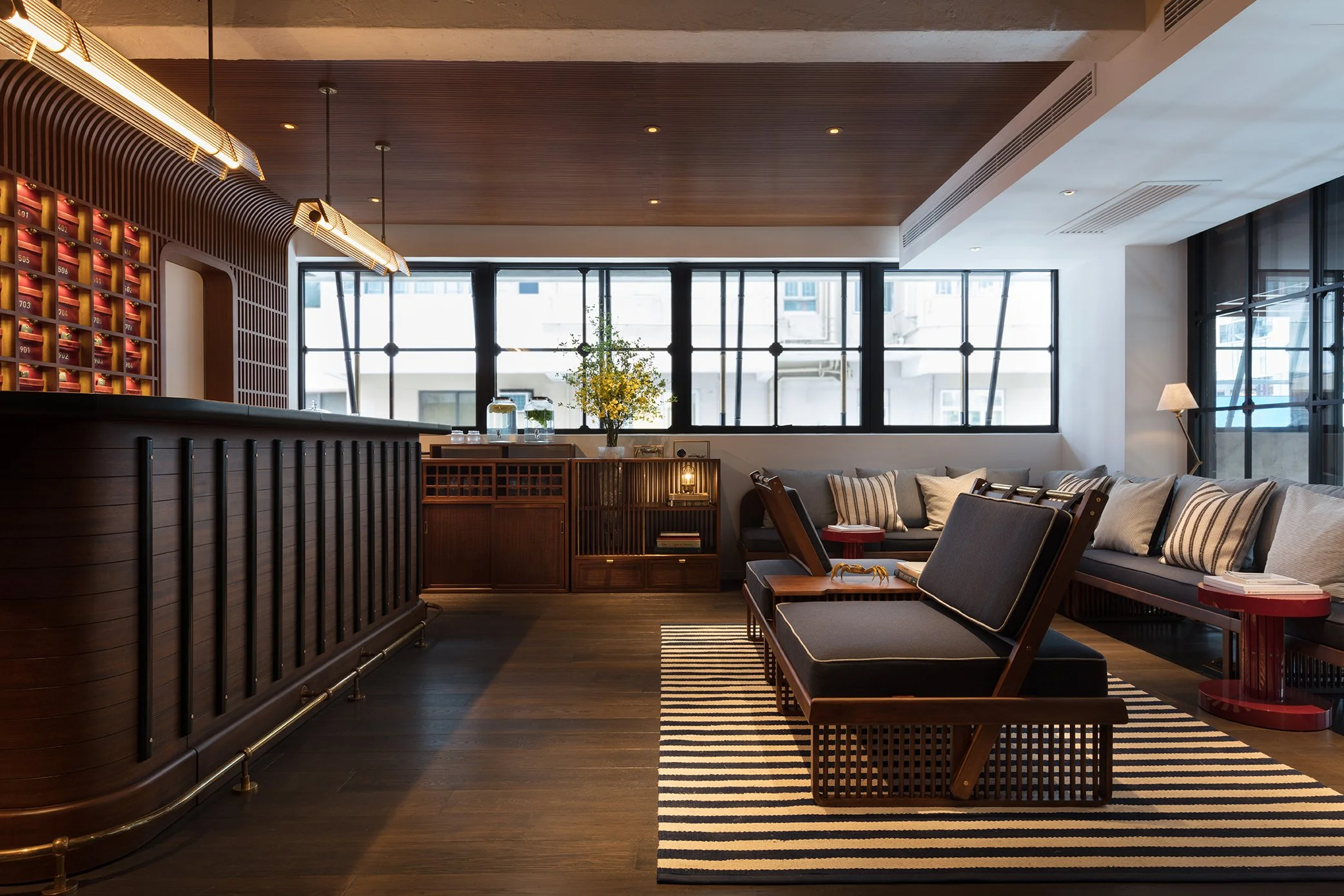
The Fleming draws inspiration from Hong Kong’s maritime heritage and the industrial character of the city in the 1960s and 70s. Its bottle-green palette, brass detailing and beautifully considered interiors subtly reference the cross-harbour ferries that have connected Hong Kong for generations. Set in Wan Chai rather than within a conventional luxury-hotel enclave, it’s a compelling choice for travellers looking for strong design and a closer connection to neighbourhood life.
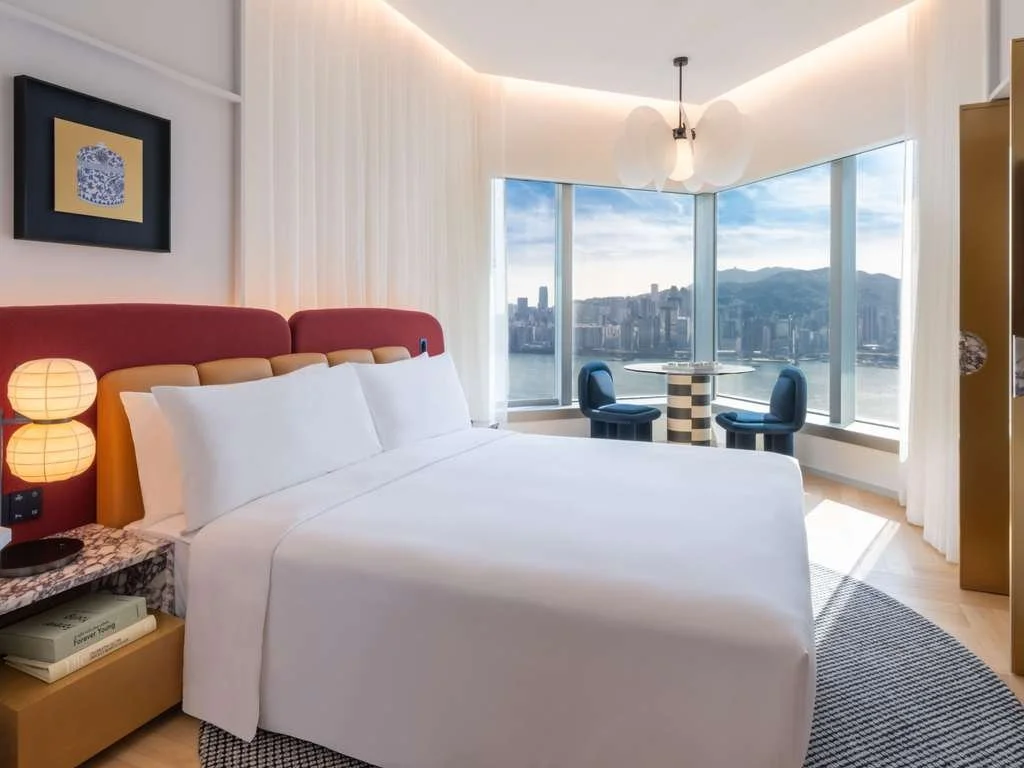
Mondrian Hong Kong brings the brand’s characteristically bold approach to Tsim Sha Tsui as its first hotel in Greater China. Contemporary interiors and expansive harbour views are complemented by a strong emphasis on art and cultural programming, including The Corner Shop, its street-level space for exhibitions and creative collaborations. For travellers who want an energetic, design-led stay with museums, restaurants and the waterfront close at hand, it offers a distinctly contemporary way to experience Kowloon.
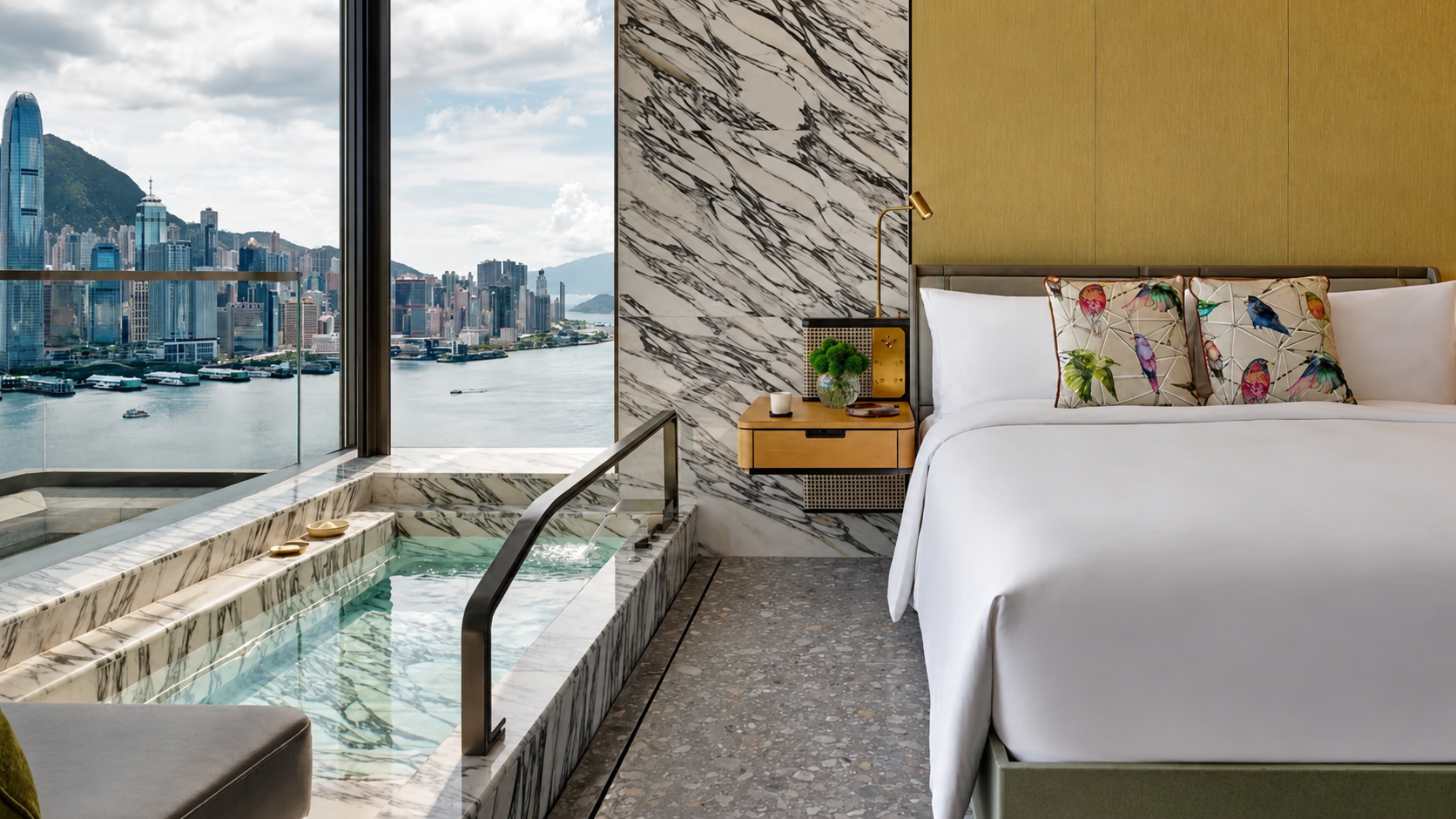
Kimpton Tsim Sha Tsui represents a fresh chapter in Hong Kong’s hospitality scene, combining design with sweeping views across Victoria Harbour and thoughtful references to the city throughout its interiors. In 2026, it was named Hong Kong’s Most Unmissable Hotel in the Cathay Members’ Choice Awards, further cementing its position as one of the city’s most talked-about new stays. In the heart of Tsim Sha Tsui, it’s an appealing choice for travellers drawn to design, culture and the energy of Kowloon.
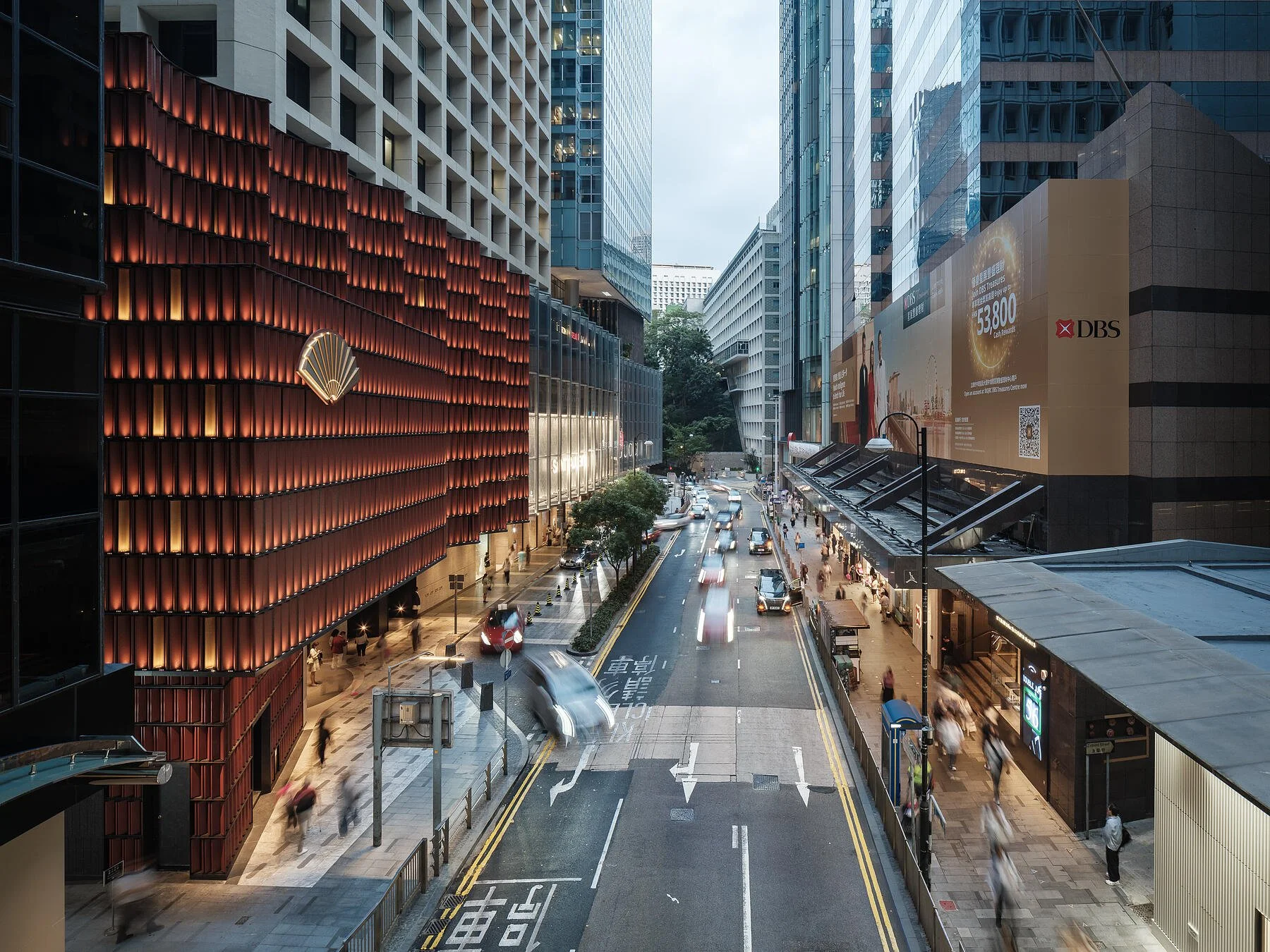
Mandarin Oriental The Landmark has entered an intriguing new chapter following an extensive transformation by Hong Kong designer Joyce Wang. Its distinctive terracotta-tiled facade draws inspiration from the city’s historic residences, while the reimagined interiors introduce a more intimate, residential quality through rich materials, local art and beautifully composed spaces. New dining and social concepts add another dimension to a hotel already known for extraordinary concentration of Michelin-starred restaurants. In the middle of Central, it feels less like a conventional grand hotel and more like a sophisticated pied-à-terre for experiencing the city.
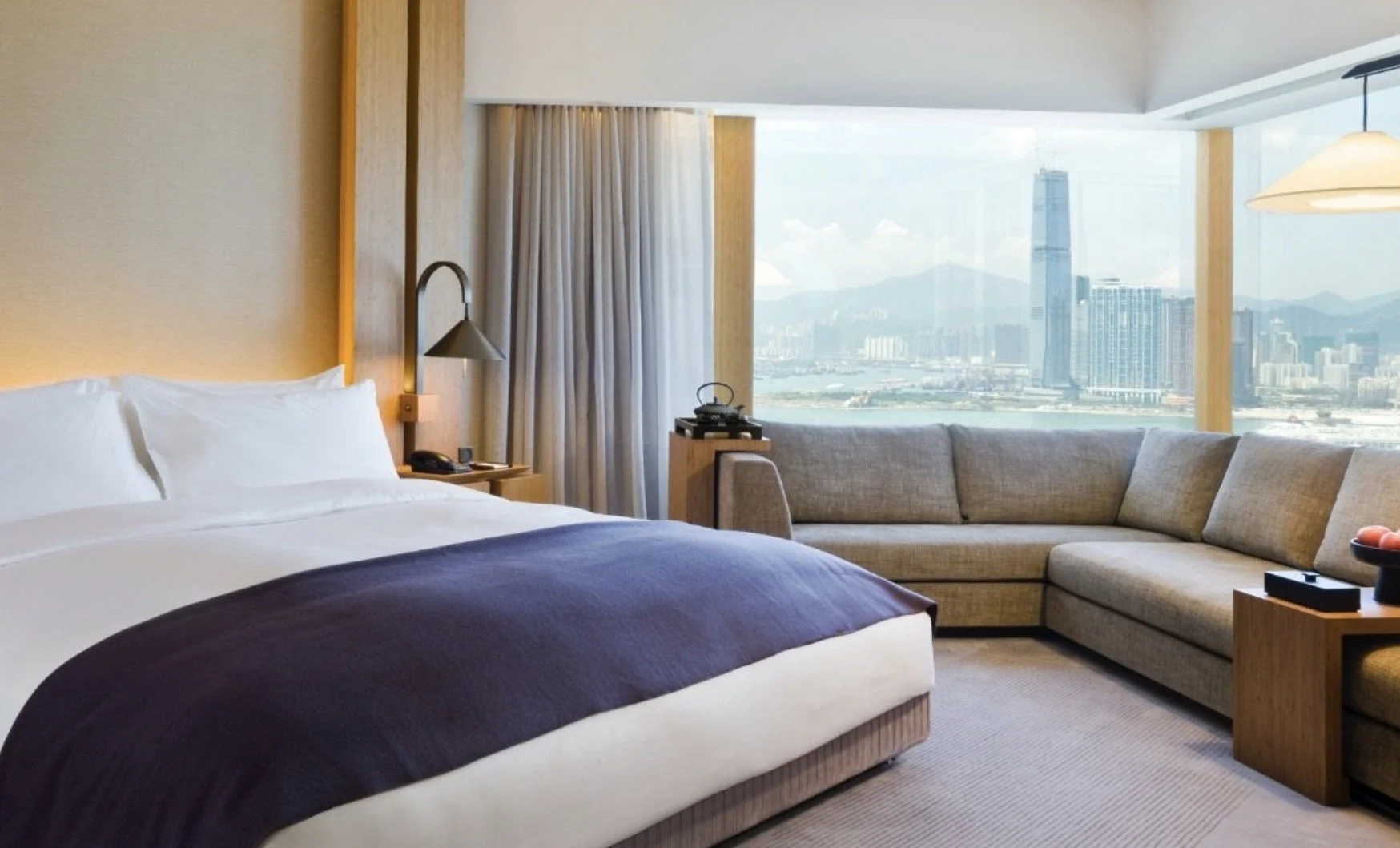
The Upper House has become one of Hong Kong’s defining design hotels. Conceived by André Fu, its minimalist interiors, warm natural materials and unusually generous sense of space create an atmosphere that feels almost deliberately removed from the density of the city below. Rather than relying on traditional ideas of grandeur, the hotel makes intimacy, thoughtful service and residential comfort its version of luxury. It’s the place I would recommend to travellers who value restraint, architecture and a quieter way of experiencing Hong Kong.
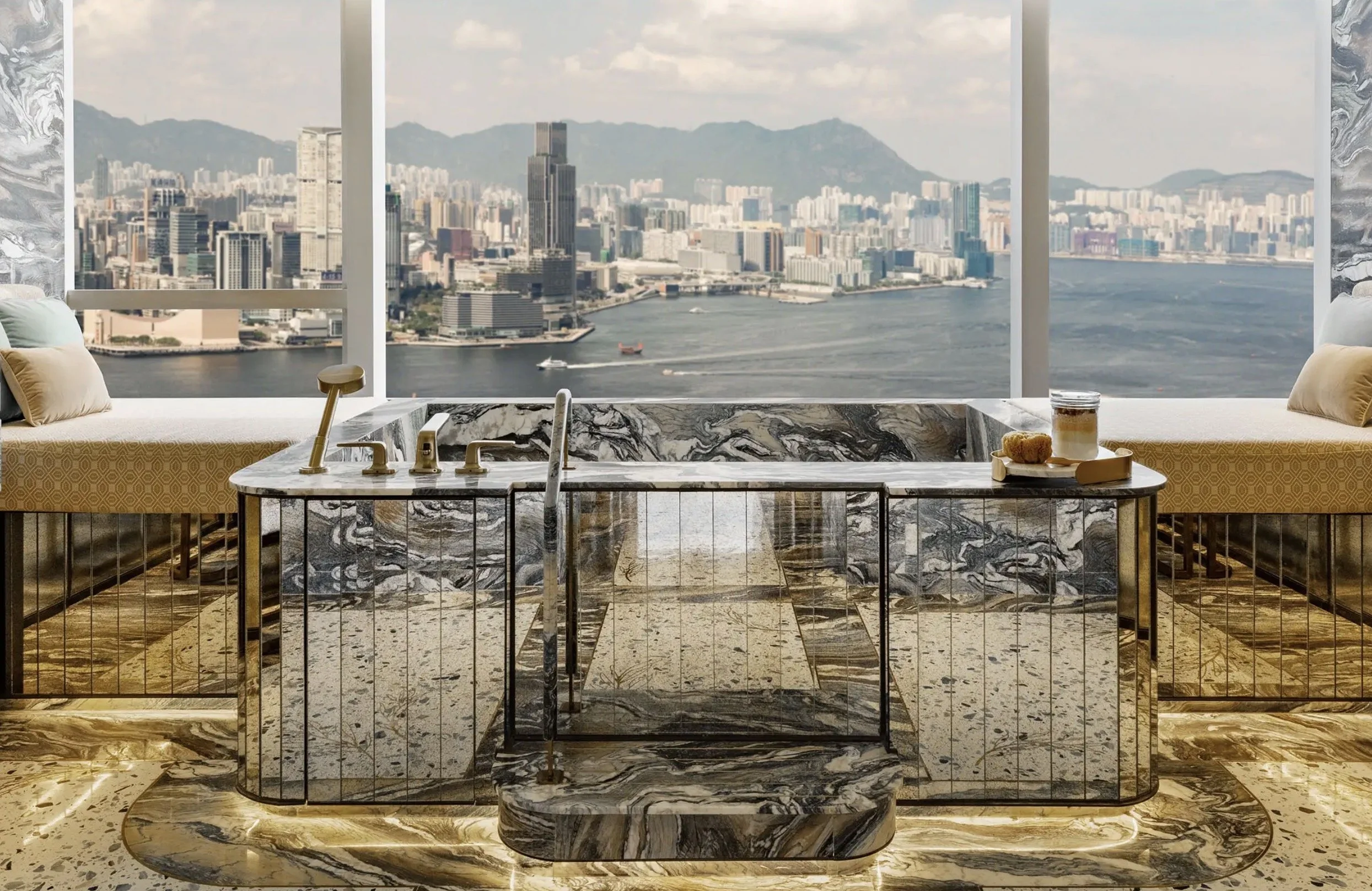
Island Shangri-La represents a more classical expression of Hong Kong luxury, but recent renovations have given the hotel a renewed sense of relevance. Contemporary rooms and suites sit alongside enduring details such as The Great Motherland of China, the monumental 50-metre silk mural that rises through its atrium and has been part of the hotel since 1991. Connected directly to Pacific Place and overlooking Hong Kong Park, it combines the warmth of traditional Asian hospitality with one of the city’s most convenient yet unexpectedly green settings.
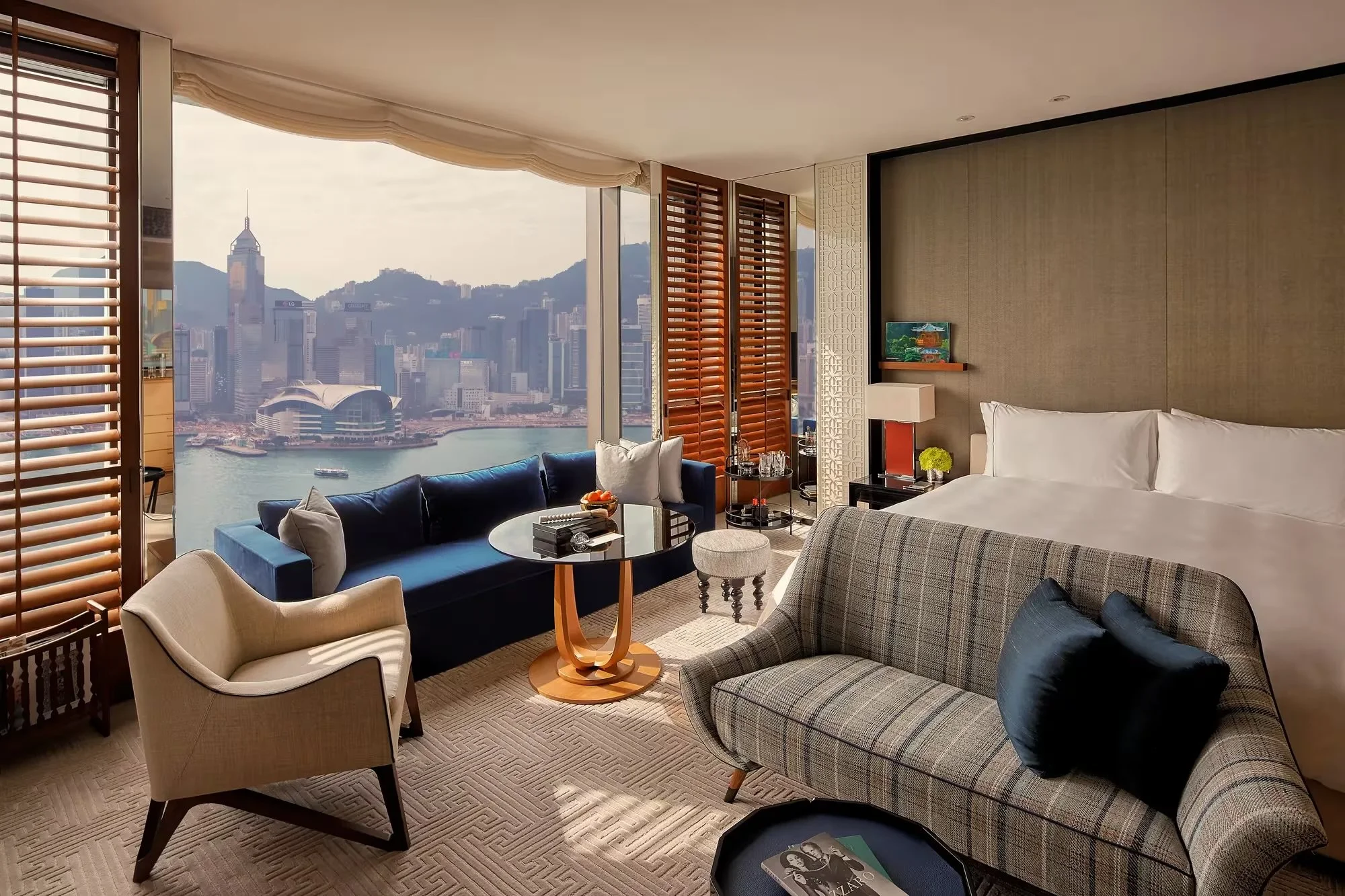
Rosewood Hong Kong has quickly become one of the defining luxury hotels of contemporary Hong Kong. Designed as an ‘vertical estate’ above Victoria Harbour, its Tony Chi interiors brings a distinctly residential quality to grand spaces, while its position with the Victoria Dockside arts and design district places culture and the harbour at the centre of the experience. In 2026, it was named Asia’s Most Iconic Hotel in the Cathay Members’ Choice Awards, further reinforcing its remarkable rise in less than a decade. It’s the hotel I would recommend to travellers seeking contemporary Asian luxury at its most confident and ambitious.
Hotel images courtesy of the respective properties
Where To Eat
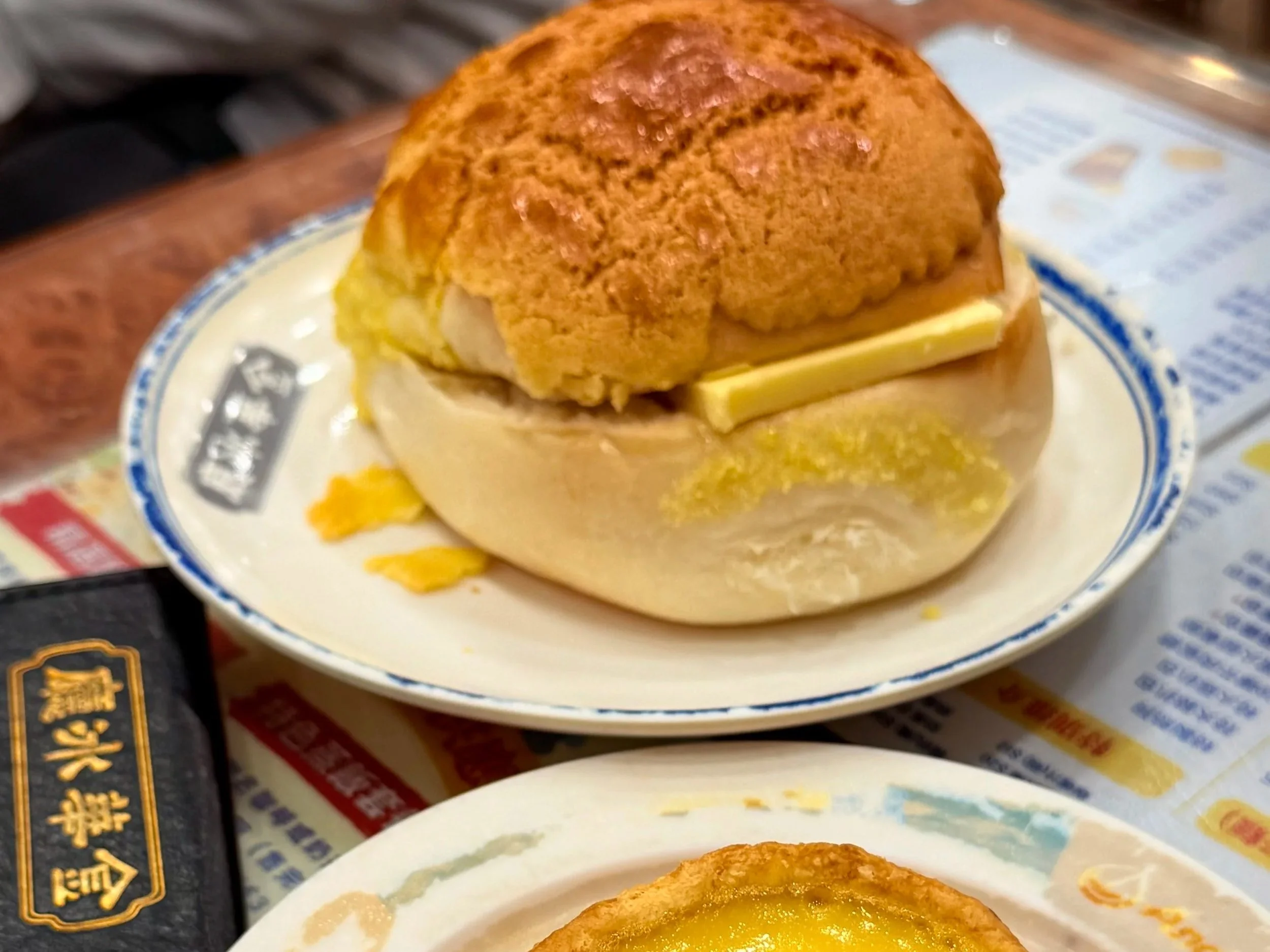
Kam Wah Cafe 金華冰廳 is one of those places where Hong Kong’s cha chaan teng culture feels wonderfully intact. A fixture in Mong Kok for more than five decades, it remains best known for its pineapple bun (polo bun) - light and fluffy beneath a crisp, sugary crust, especially good with a thick slice of butter tucked inside. I like pairing it with a cup of Hong Kong-style milk tea and watching the steady rhythm of locals dropping in for breakfast, a quick snack or something to take away. It’s simple, affordable and deeply familiar - exactly the kind of everyday institution that gives the city so much of its character.
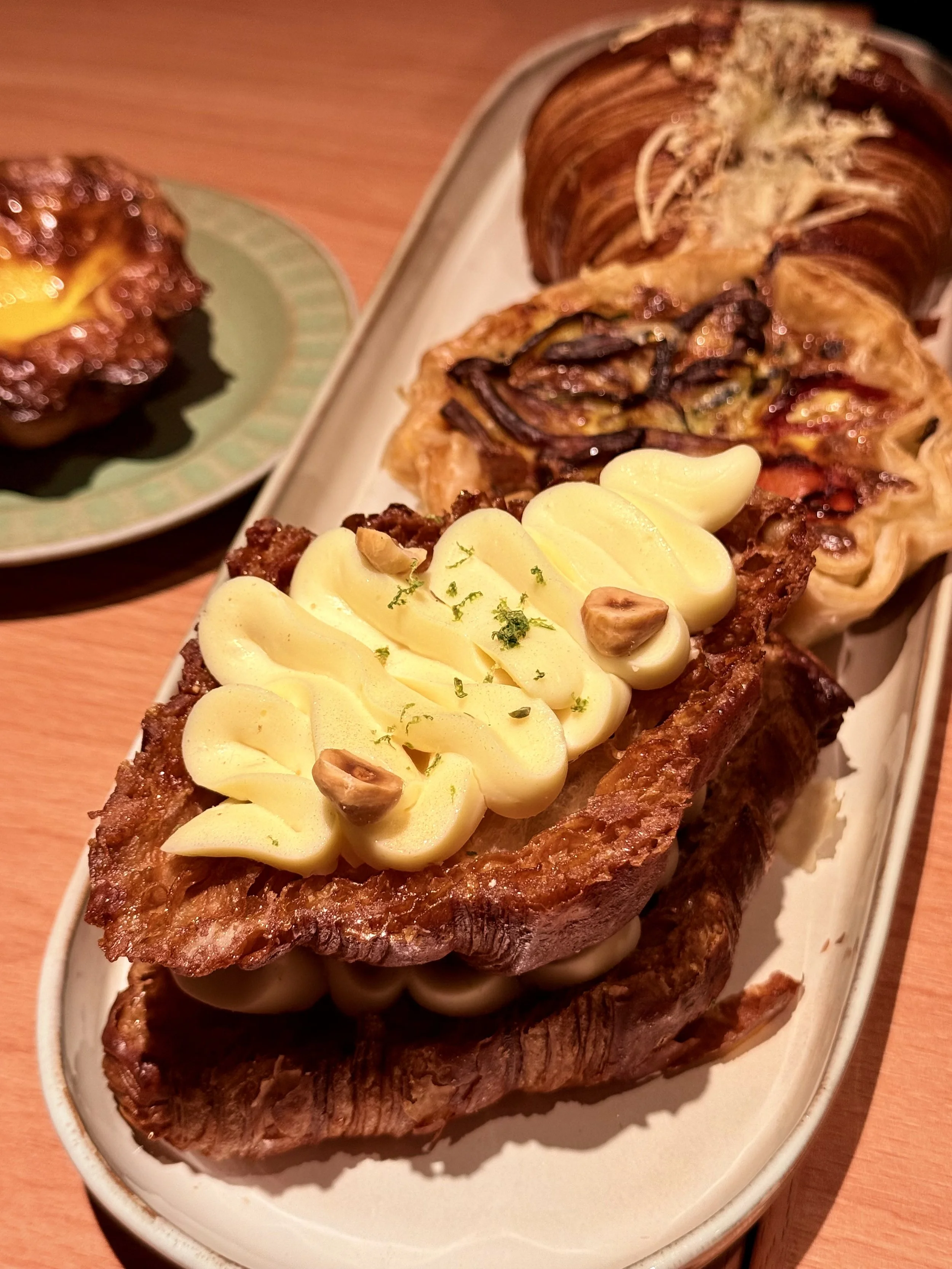
Social Goods Modern Bakery brings a new generation of energy to one of Central’s oldest streets. Tucked beside the granite steps of Pottinger Street, the modern bakery reinterprets familiar Hong Kong flavours through French pastry technique - from milk tea and char siu to peanut butter and condensed milk - while keeping a playful eye on design, music and neighbourhoods culture. Its recent collaboration with Australian gelateria Gelato Messina, which transformed Social Goods pastries into limited-edition gelato flavours, reflects the creative confidence behind the concept. It’s the kind of place I like to stop by when exploring Central: rooted in Hong Kong, but unmistakably contemporary.
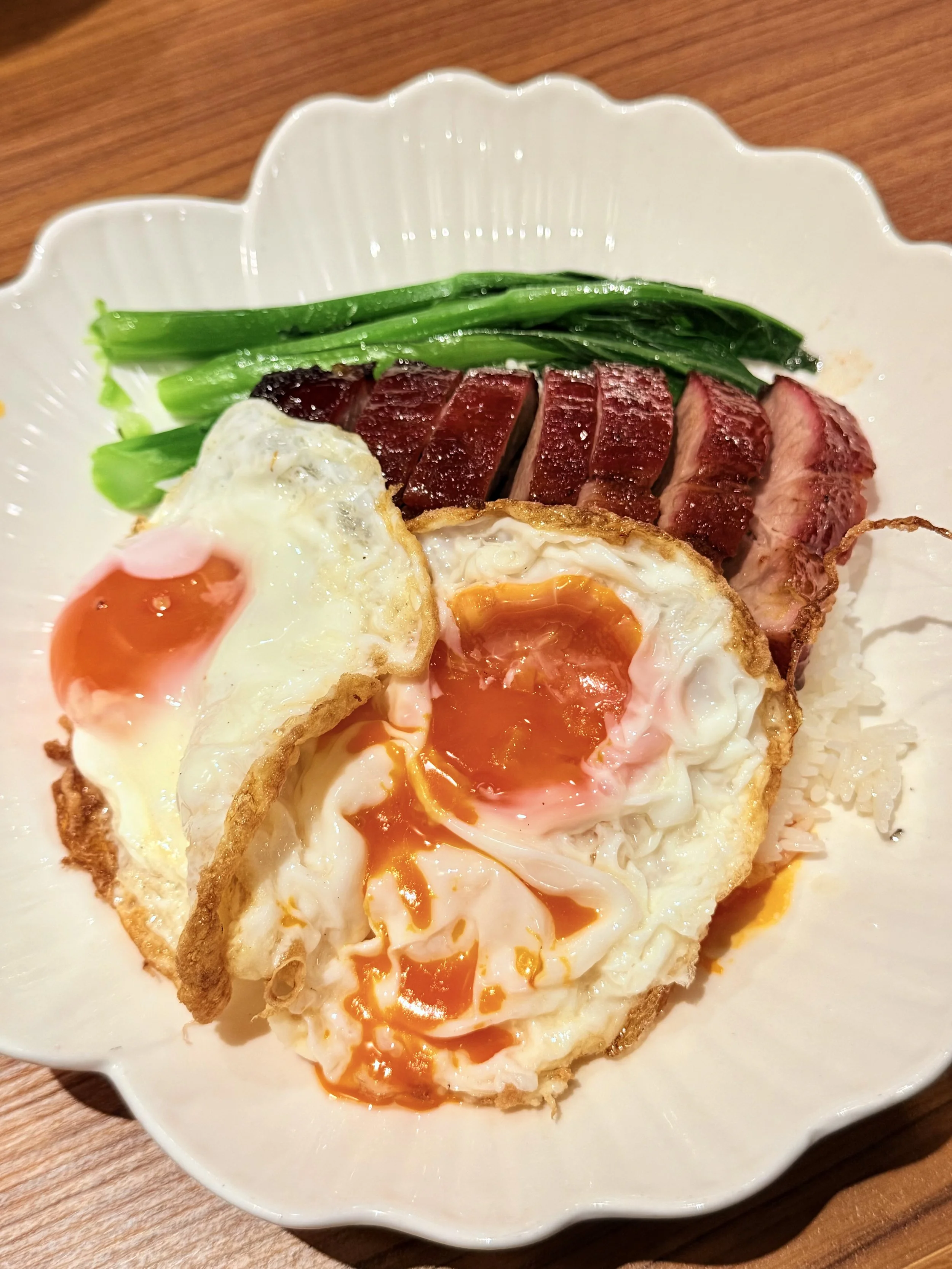
Fat J 發達叉燒 gives Hong Kong’s beloved siu mei tradition a quietly modern update. Its signature char siu uses chestnut-fed Spanish pork, glazed until caramelised at the edges while remaining remarkably tender, alongside other favourites such as Maotai soy sauce chicken and roast goose. What I like is that the concept still feels rooted in the simple pleasure of roast meat over rice, only executed with noticeably greater attention to ingredients and technique. In Wan Chai, it’s an easy stop for experiencing how a younger generation is refining one of Hong Kong’s most familiar food traditions.
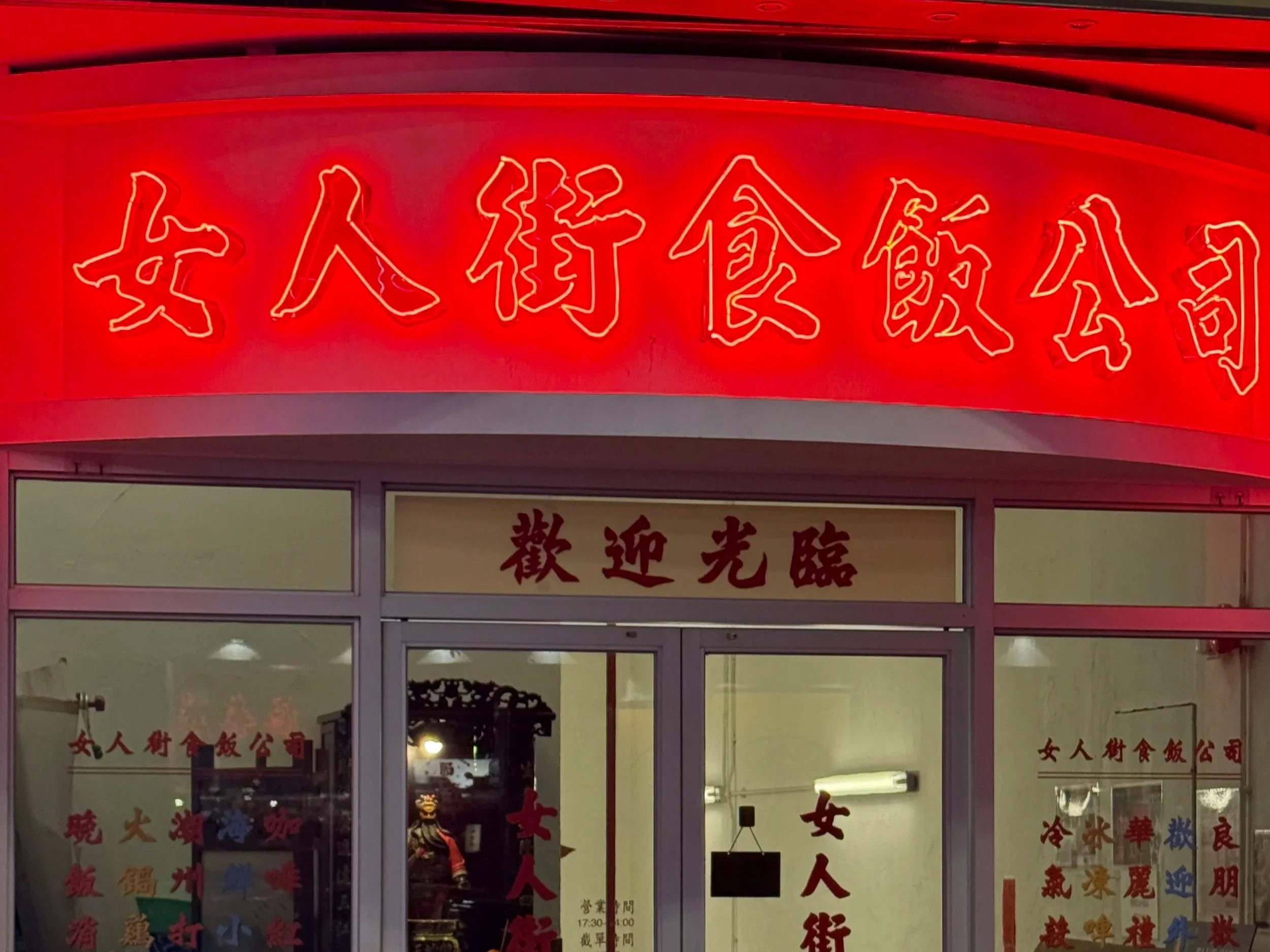
Ladies Street Sik Fan Co. 女人街食飯公司 offers a playful contemporary interpretation of Hong Kong’s dai pai dong culture. The interiors draw on the visual language of old Hong Kong - retro tiles, folding gates and details inspired by the 1970s - while the kitchen keeps Cantonese comfort food, generous sharing dishes and plenty of wok hei at the heart of the experience. What I like most is that it doesn’t simply recreate the past for nostalgia’s sake; it captures some of the energy and conviviality of street-side dining in a way that feels relevant to Hong Kong today. It’s somewhere I’d take visitors wanting to experience a different side of the city’s food culture.
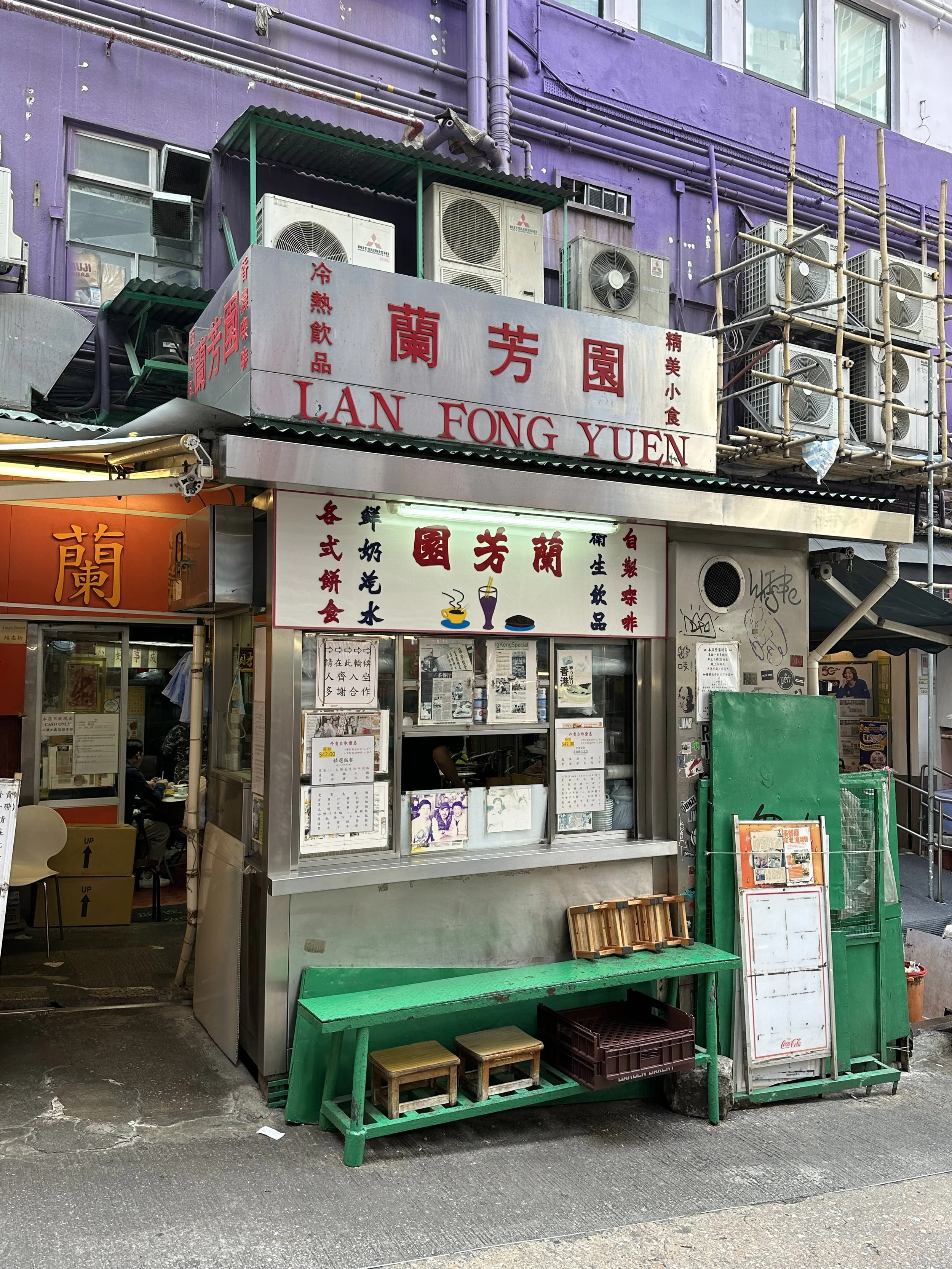
No visit to Hong Kong feels complete without a stop at Lan Fong Yuen 蘭芳園. Widely regarded as one of the best places for Hong Kong-style milk tea, it continues to serve one of my favourite cups in the city - rich, smooth and perfectly balanced. In 2026, it was also recognised as Asia’s Best Value Meal in the Cathay Members’ Choice Awards 2026, further affirming what locals have known for decades. I like to begin a morning in Central here before wandering through the surrounding streets, where old shopfronts and modern skyscrapers exist side by side.
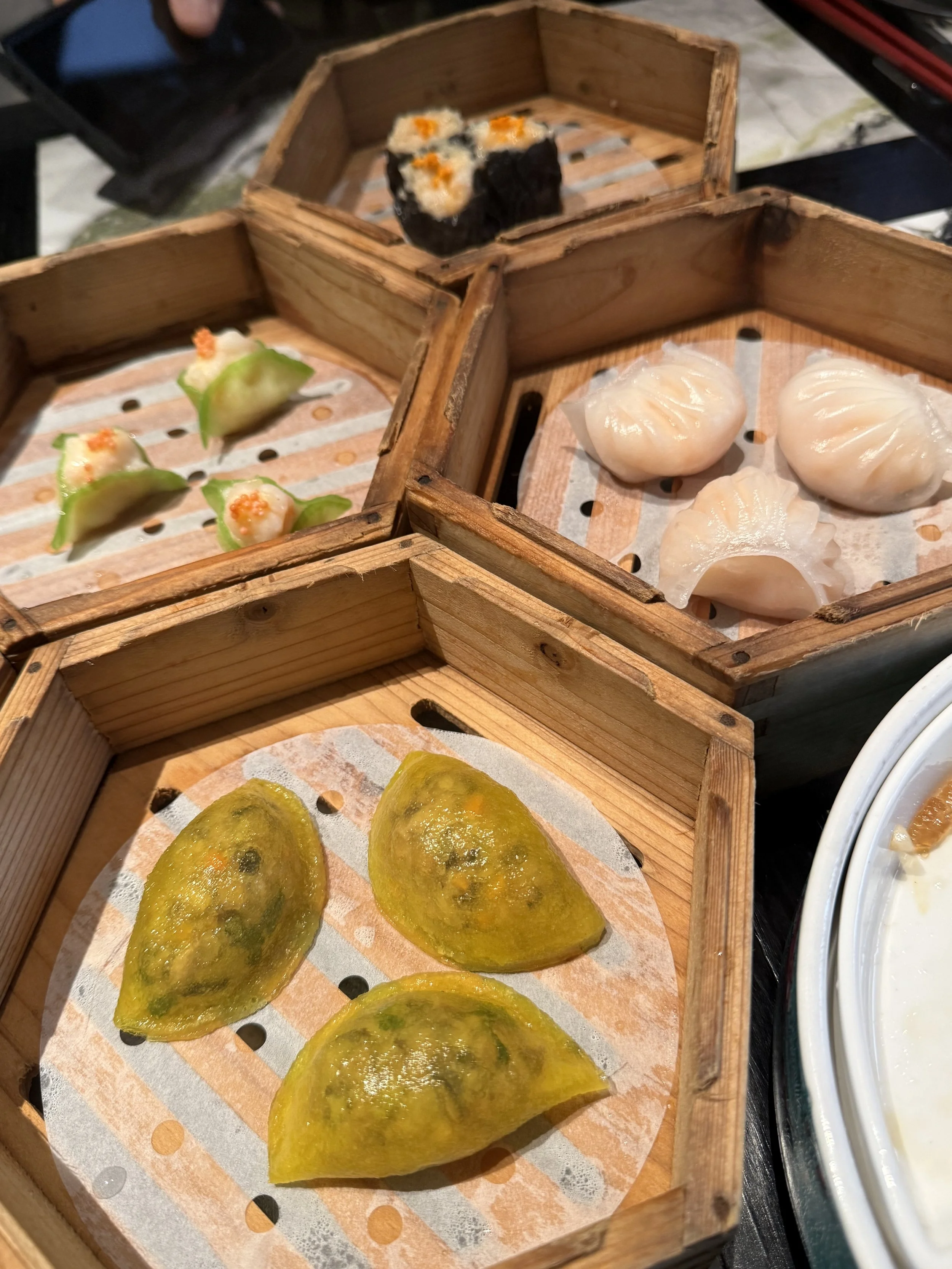
The Chinese Library feels especially at home within Tai Kwun, where Hong Kong’s colonial past has been reimagined as one of the city’s most important cultural spaces. Set inside the former Police Headquarters, the restaurant draws inspiration from founder David Yeo’s extensive collection of Chinese cookbooks, bringing together Cantonese, Sichuan, Shanghainese and other regional traditions with a contemporary touch. What I enjoy most is the contrast: ornate, old-world interiors paired with cooking that looks confidently forward. It’s a place I’d choose for a more refined Chinese meal after spending an afternoon exploring Central and Tai Kwun.