Bangkok
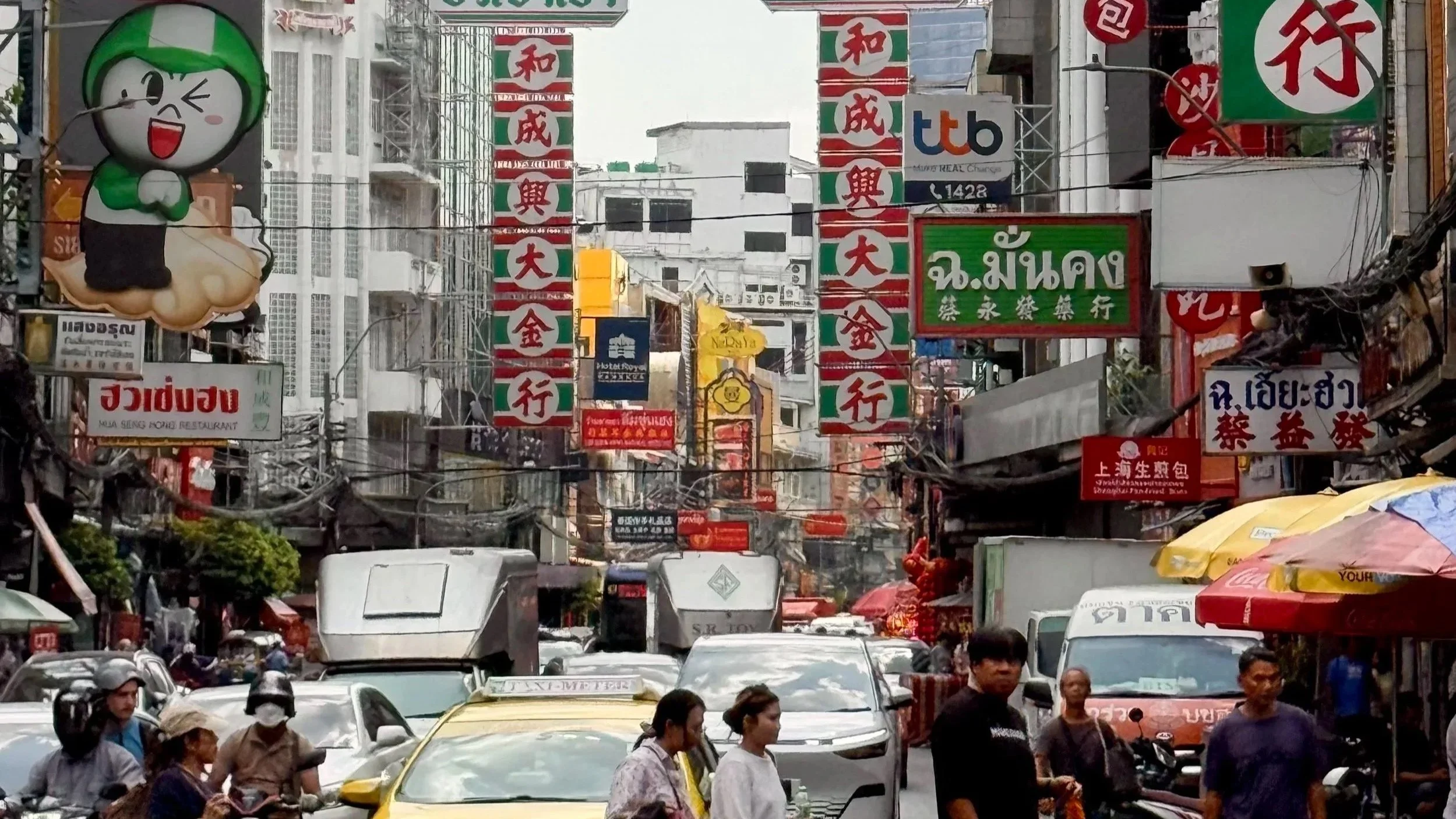
Bangkok is a city that reveals itself gradually.
Beyond the traffic and towering skyline is a place of remarkable contrasts, where century-old shophouses, neighbourhood markets and gilded temples coexist with ambitious restaurants, contemporary architecture and some of Asia’s most thoughtful hotels. I’ve returned many times over the years, and familiarity has only made the city more interesting - there is always another neighbourhood to wander, another dish to understand or another quietly beautiful space hidden behind an unassuming entrance.
What I enjoy most about Bangkok is that refinement rarely requires abandoning tradition. A family recipe can find a new expression in a contemporary restaurant; an old house can become a dining room; and some of the city’s most sophisticated hospitality still begins with an instinctive generosity that feels distinctly Thai. This is my personal guide to the Bangkok I continue returning to - energetic, layered and endlessly rewarding when you give it time.
Stories from Bangkok
Where To Stay
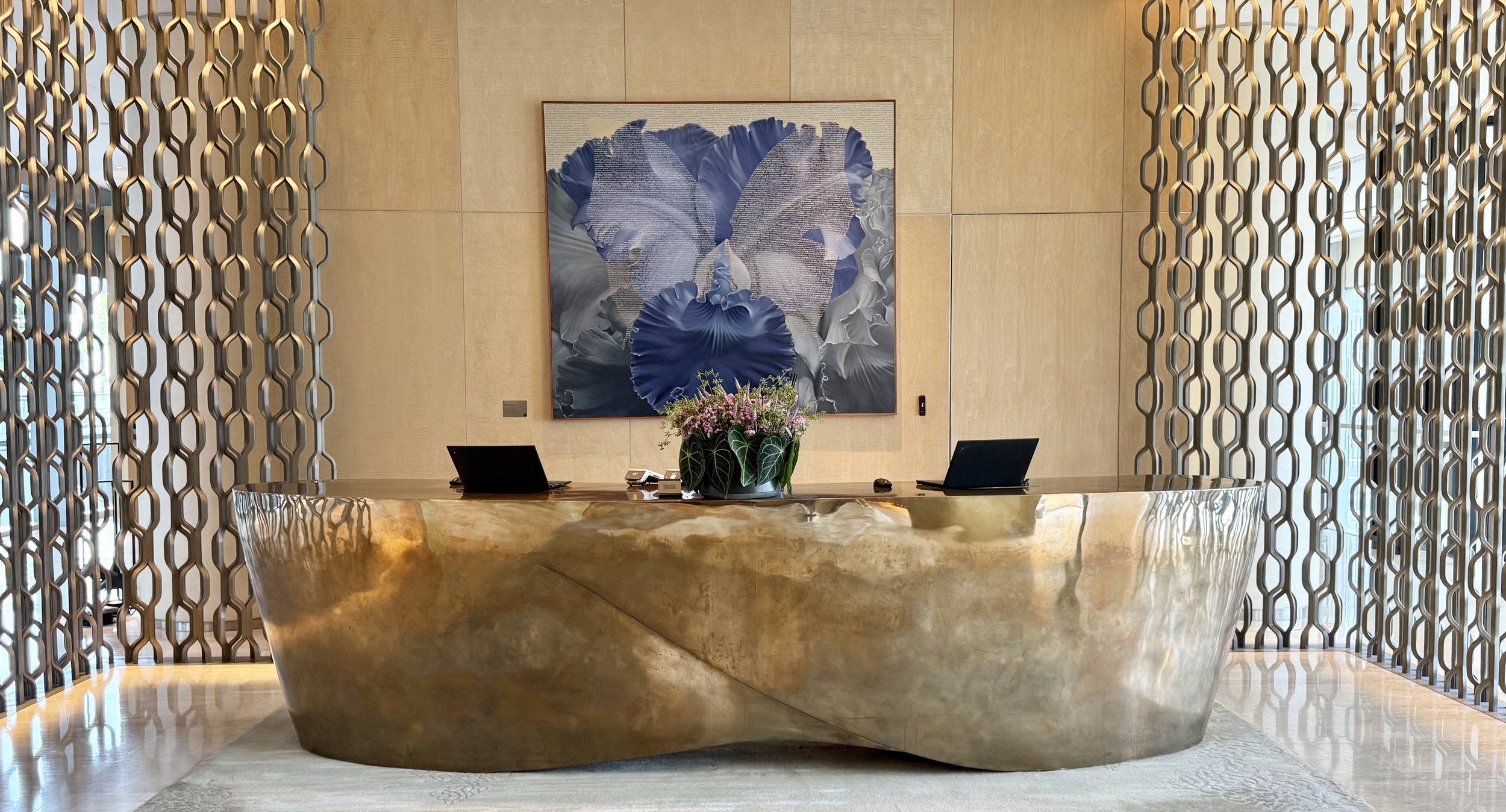
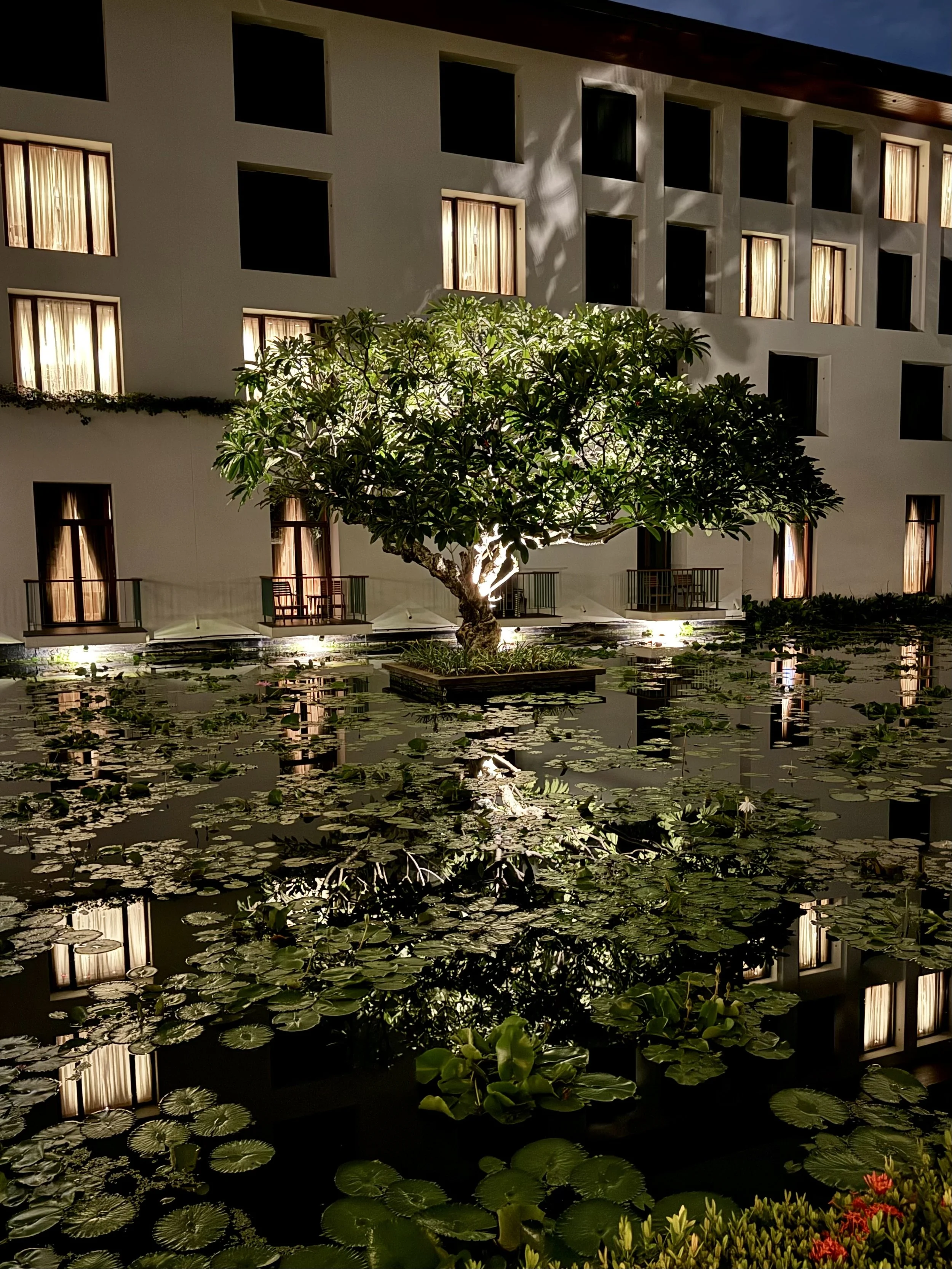
The Sukhothai Bangkok draws the visual language of Thailand’s ancient capital into its Sathorn setting. Conceived by architects Edward Tuttle and Kerry Hill, the low-rise property uses lotus ponds, chedi-like forms, reflecting pools and a recurring rhombus motif to create a strong sense of place without allowing heritage to become theatrical. Yet the strongest impression for me was the comfort of the whole experience: generous rooms, gardens that soften the city and service made personal through small gestures of recognition. Its appeal has never depended on novelty. More than three decades after opening, its refined elegance and deeply human hospitality explain why it remains one of Bangkok’s most enduring places to stay.
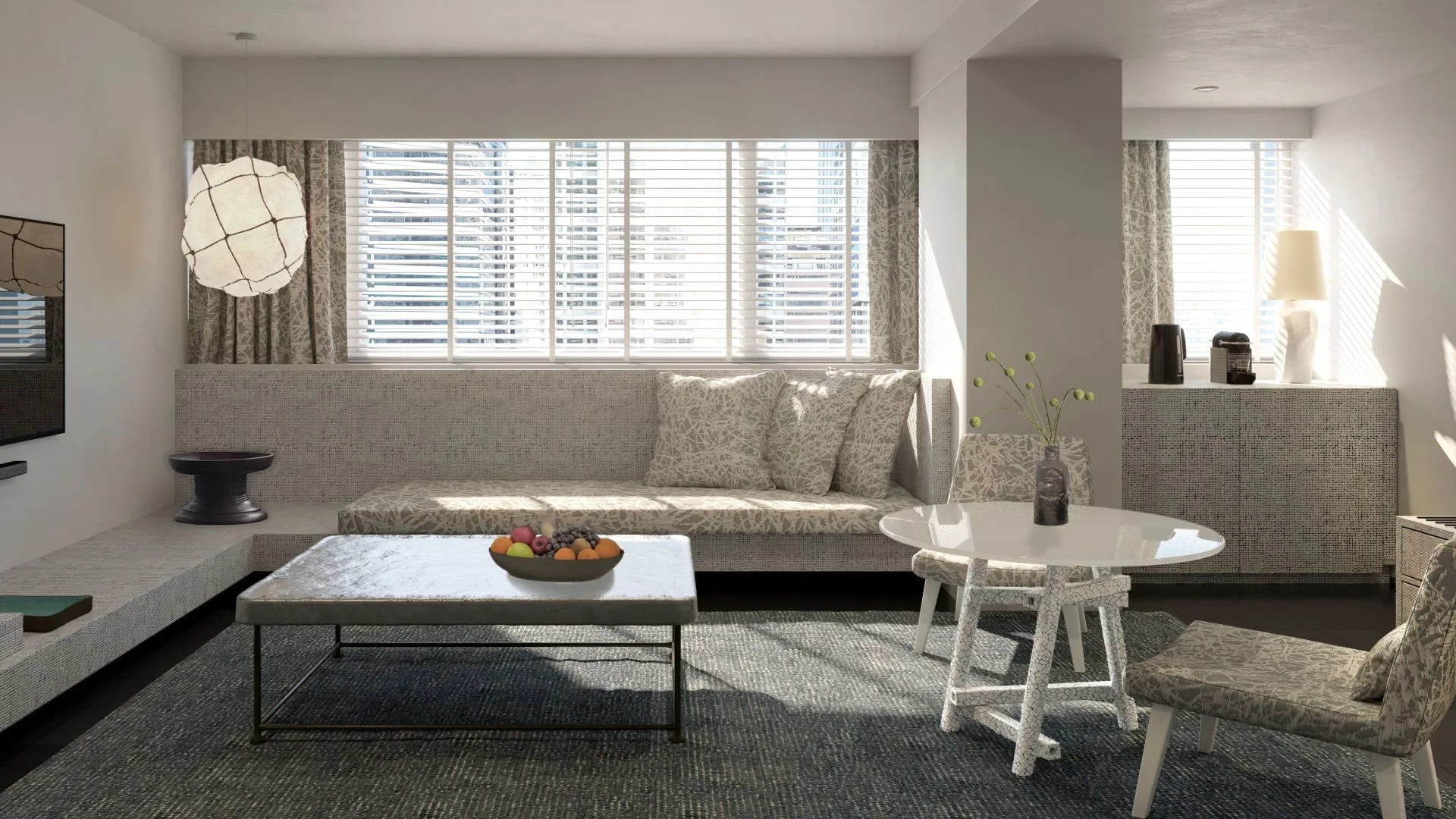
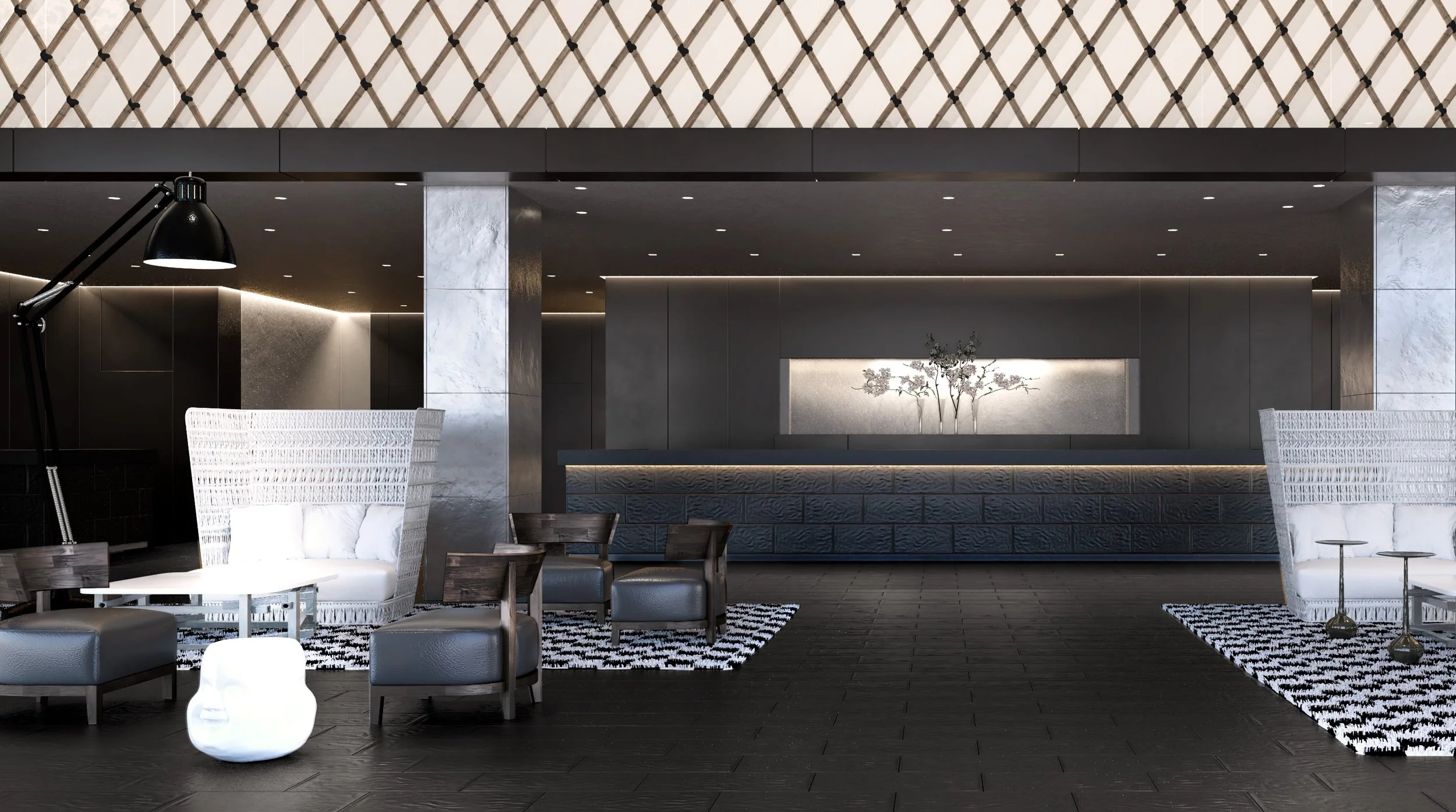
COMO Metropolitan Bangkok remains one of my favourite places to stay in the city, and its recent transformation has given me another reason to return. Italian designer Paola Navone has reimagined the hotel around an idea of purposeful restraint - natural wood, ceramics, woven textures and flashes of Buddhist orange create warmth without competing with the calm, generous spaces. In a city defined by visual and sensory intensity, that sense of breathing room feels particularly valuable. Combined with COMO’s intuitive hospitality and its Sathorn setting, it remains the hotel I choose when I want Bangkok to feel a little more spacious and unhurried.
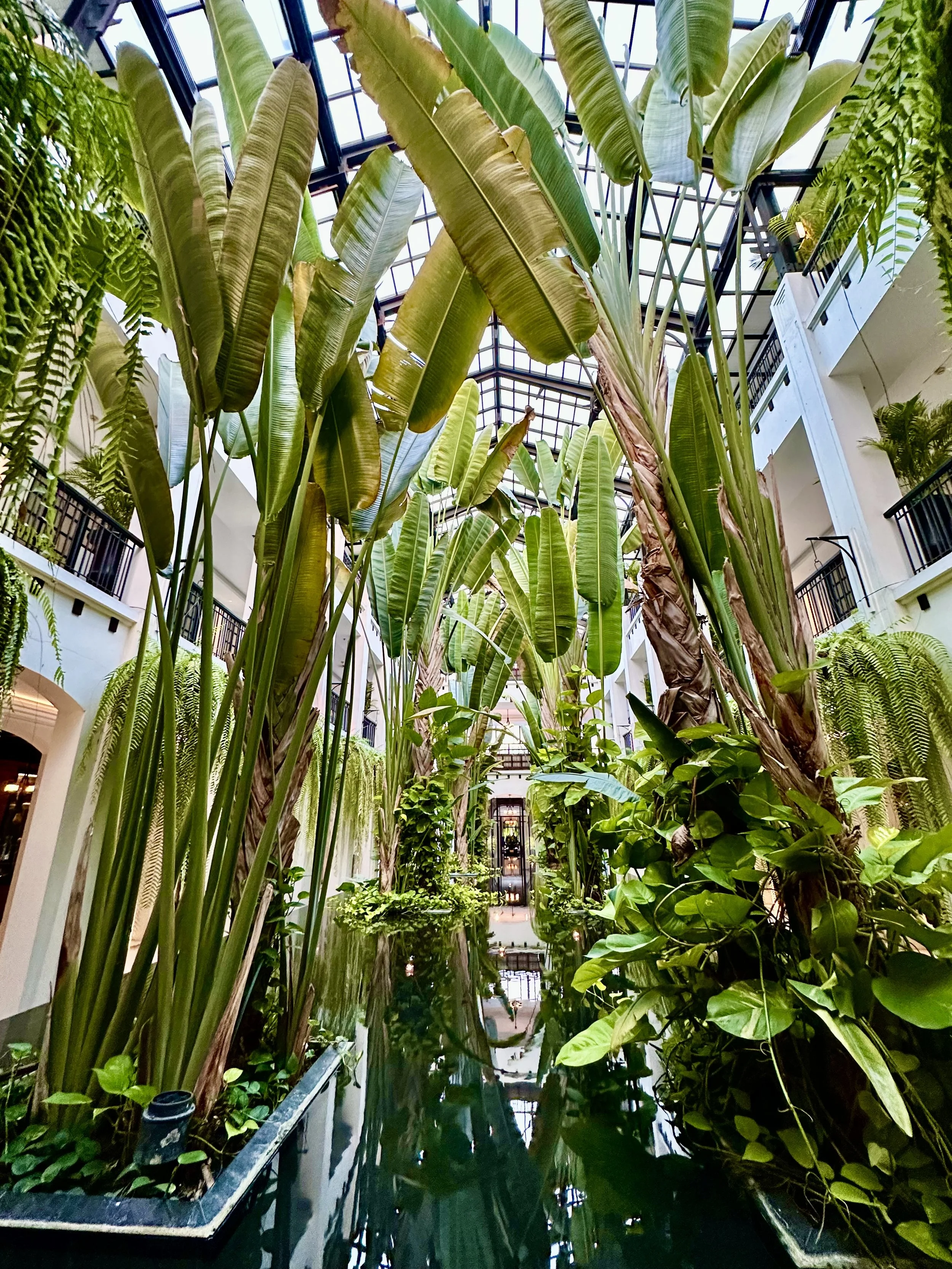
The Siam offers an altogether different interpretation of Bangkok. Designed by Bill Bensley and set along the Chao Phraya River, the intimate 39-suite hotel feels part private residence, part museum and part riverside retreat. Art Deco references sit alongside Thai antiques, artworks and beautifully restored century-old teak houses, creating interiors that reward curiosity rather than following a conventional idea of luxury. With so much space devoted to gardens, courtyards and public rooms, it offers the rare feeling of being removed from Bangkok without ever losing the city’s cultural character.
Where To Eat
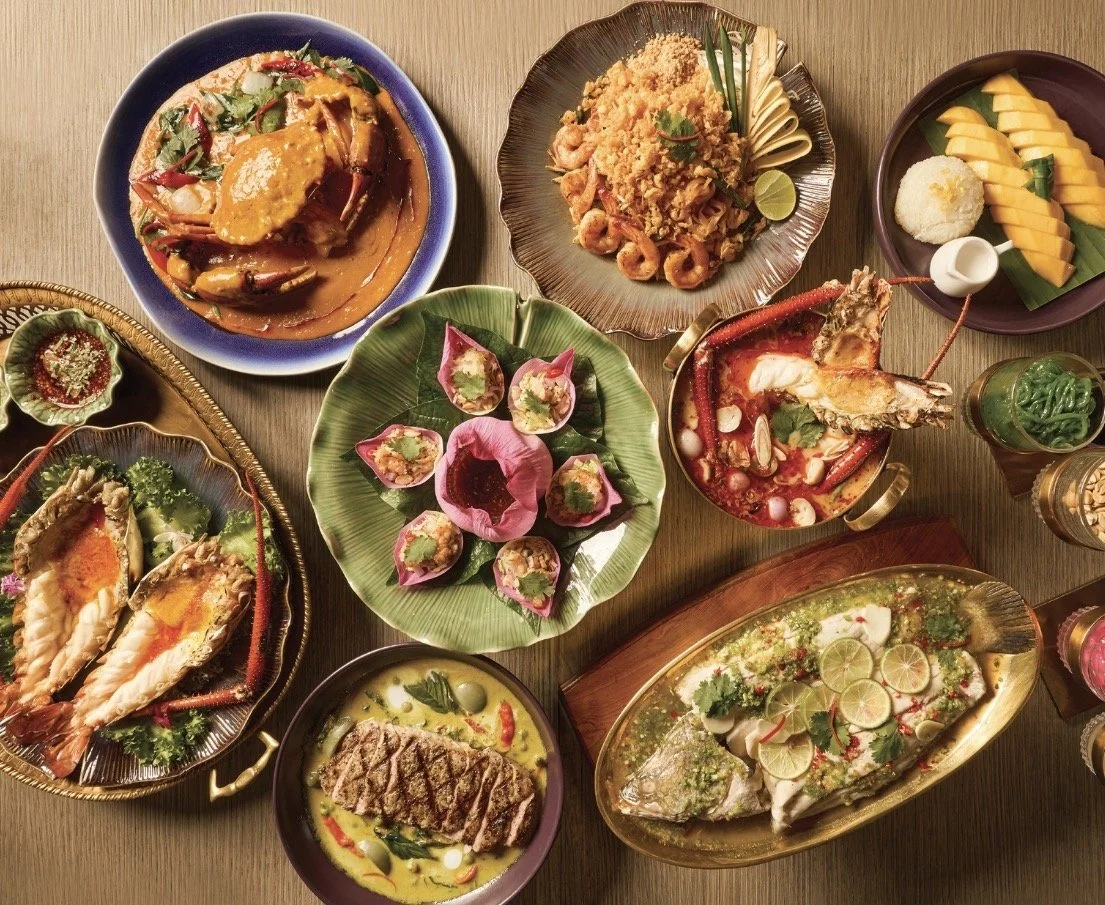
Nara Thai Cuisine is one of the restaurants I recommend most readily when someone asks where to begin with Thai food in Bangkok. Founded in 2003 by Yuki Srikarnchana and Sirisopa Chulasewok, it grew from recipes and cooking traditions passed through their families, presenting familiar Thai dishes with polish without stripping away their generosity or character. What I appreciate is its consistency: whether over curries, salads or dishes shared across the table, Nara makes traditional Thai cooking feel accessible without making it anonymous. It’s an easy place to begin understanding the balance of flavours that runs through the county’s cuisine.
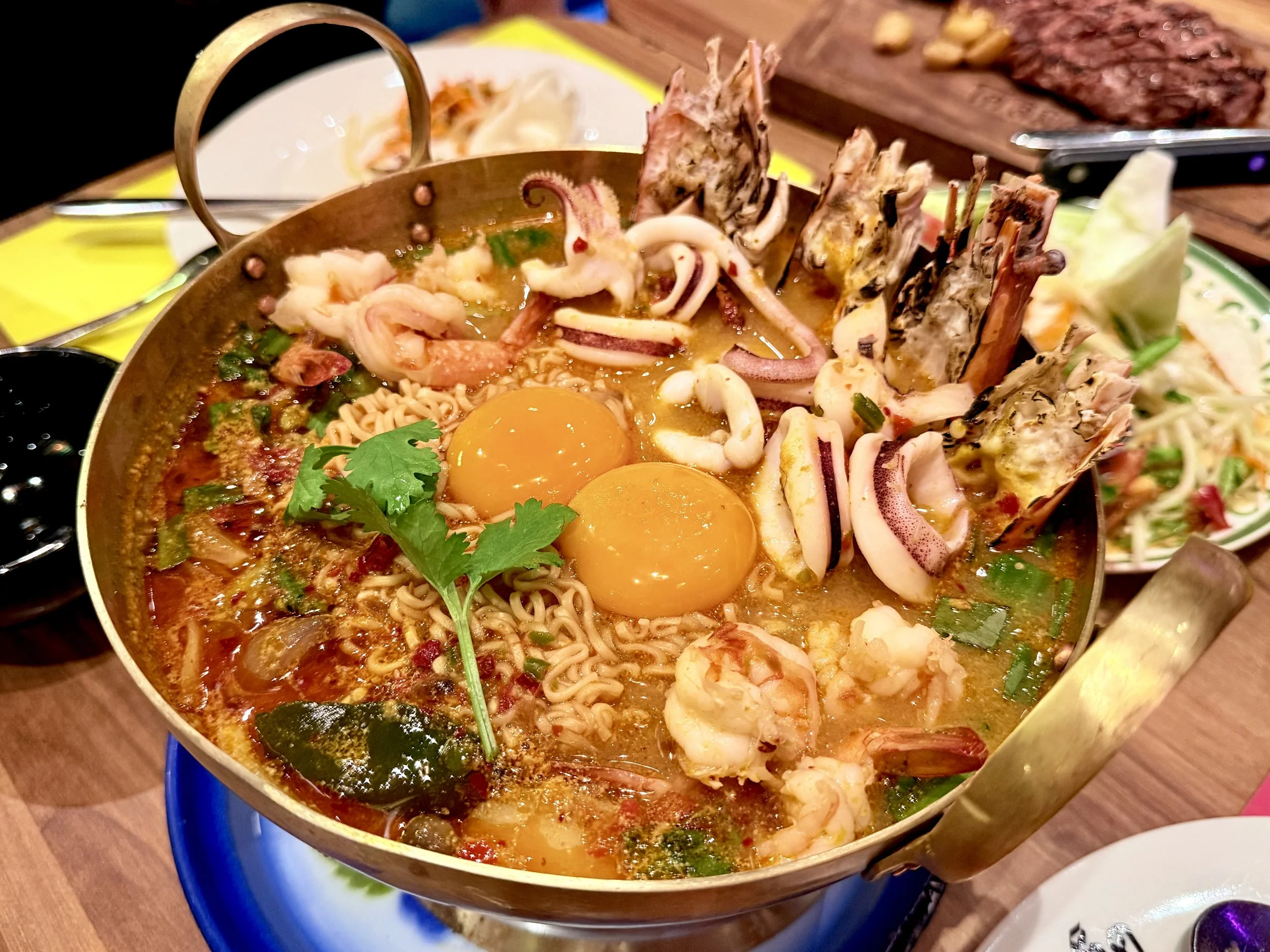
Co Limited takes the exuberance of Thai street food and gives it a playful contemporary setting. Familiar favourites arrive with ingredients such as Angus beef and giant river prawns, but the appeal isn’t refinement for its own sake - the flavours remain bold, generous and immediately recognisable. The colourful interiors and energetic atmosphere make it particularly good with friends, when the best approach is simply to fill the table and share everything. It captures something I enjoy about contemporary Bangkok: familiar food traditions being reinterpreted without becoming overly serious.
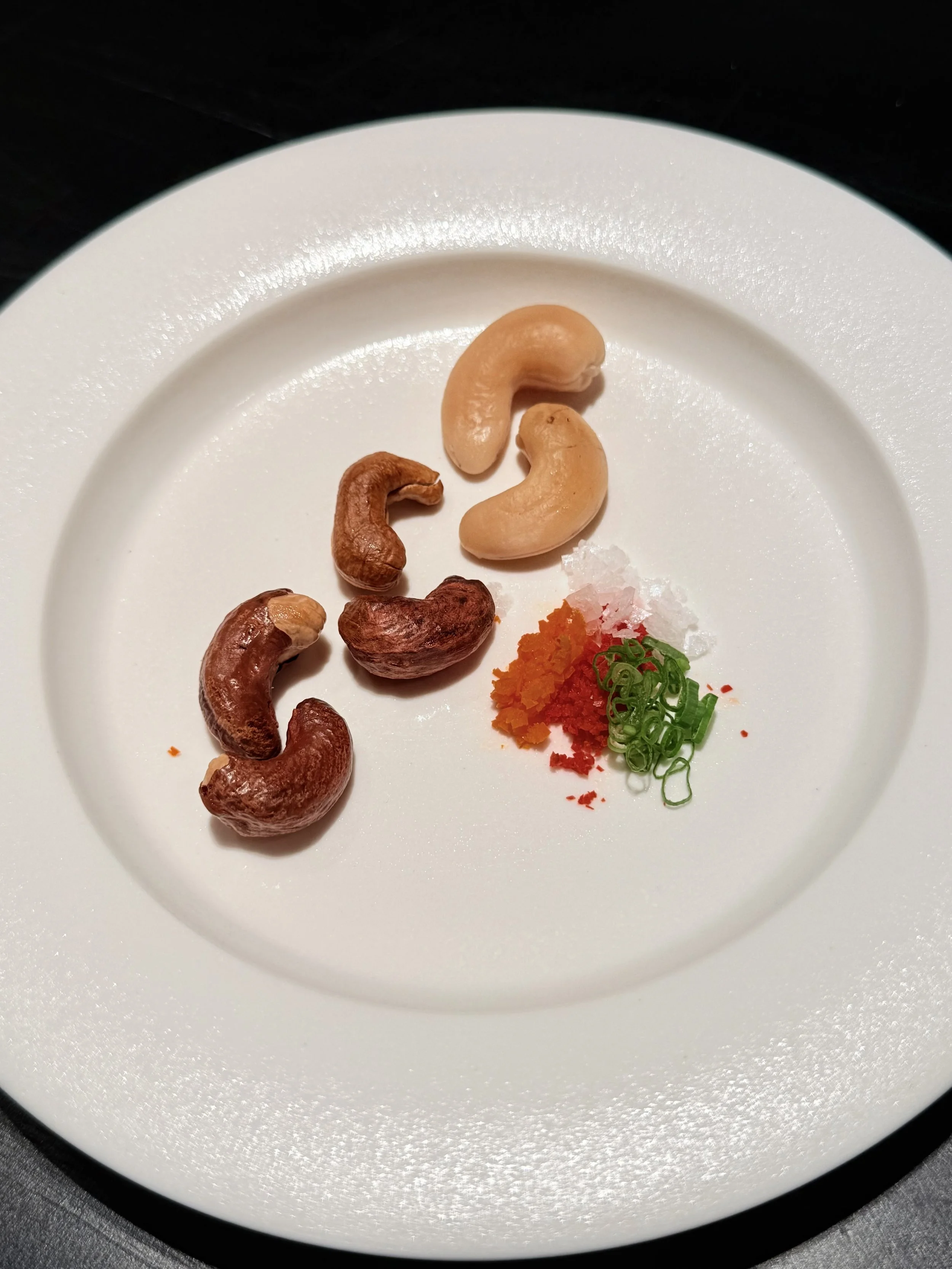
Samrub Samrub Thai approaches Thai cuisine almost as culinary research. Chef Prin Polsuk and Thanyaporn ‘Mint’ Jarukittikun build changing menus around regional recipes, historical references and ingredients discovered through their travels across Thailand, allowing an evening to explore anything from Isan cooking to the flavours of the South. Awarded one Michelin star, the restaurant is sophisticated without losing the intensity, spice and complexity that make Thai food so compelling. It’s the kind of dinner that leaves me thinking not only about what I ate, but about where those flavours came from.
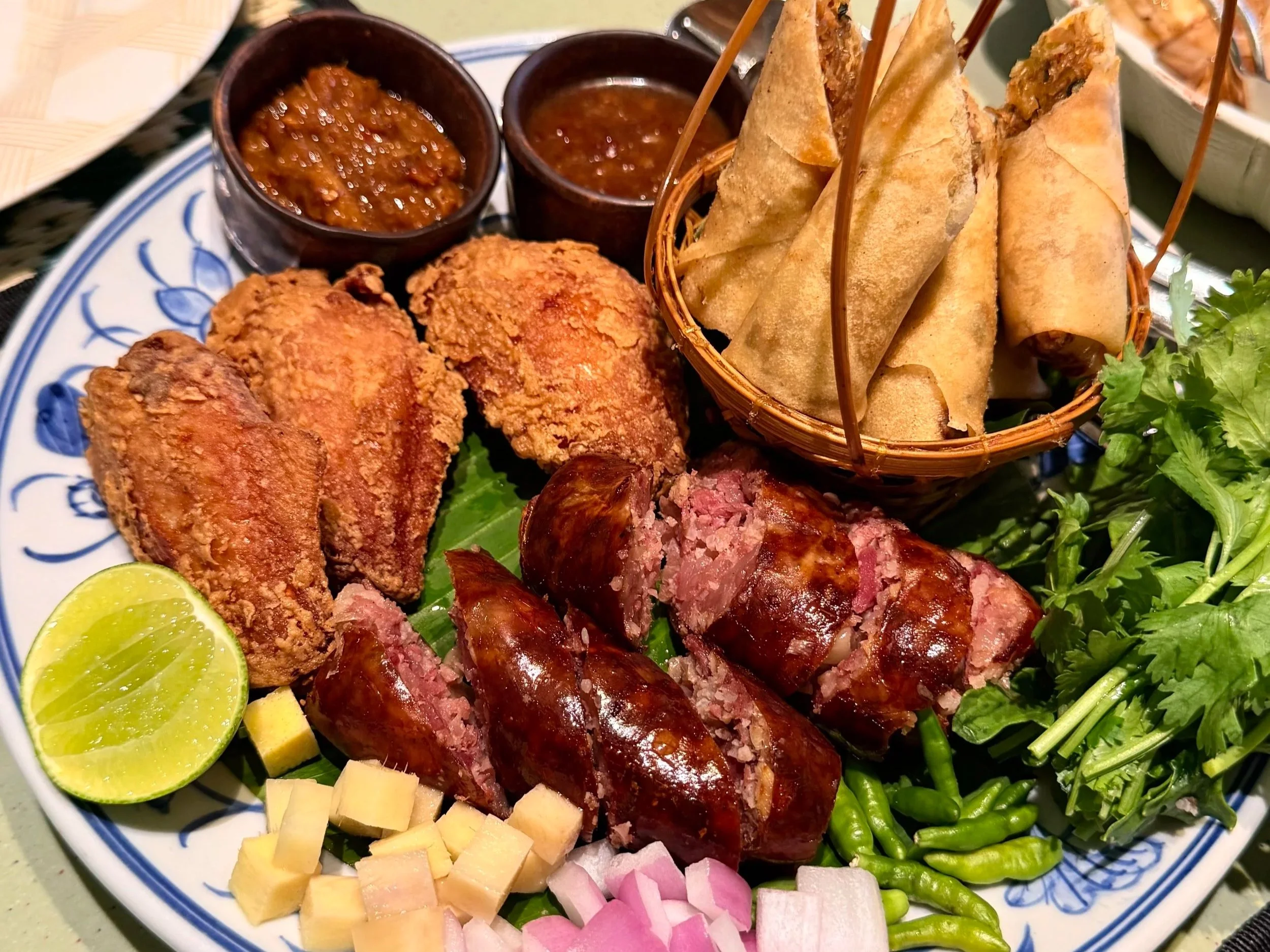
Baannok Bangkok begins with the flavours of Korat and the kind of dishes more closely associated with family kitchens than formal restaurants. Its City Editions at CentralwOrld brings that countryside cooking into the middle of contemporary Bangkok, keeping the bold seasoning and comforting character of the original recipes while presenting them in a more playful urban setting. What makes it interesting to me is precisely that contrast: food rooted in regional memory finding a new audience in one of the city’s most cosmopolitan districts. It’s a reminder that understanding Thai cuisine means looking well beyond Bangkok itself.
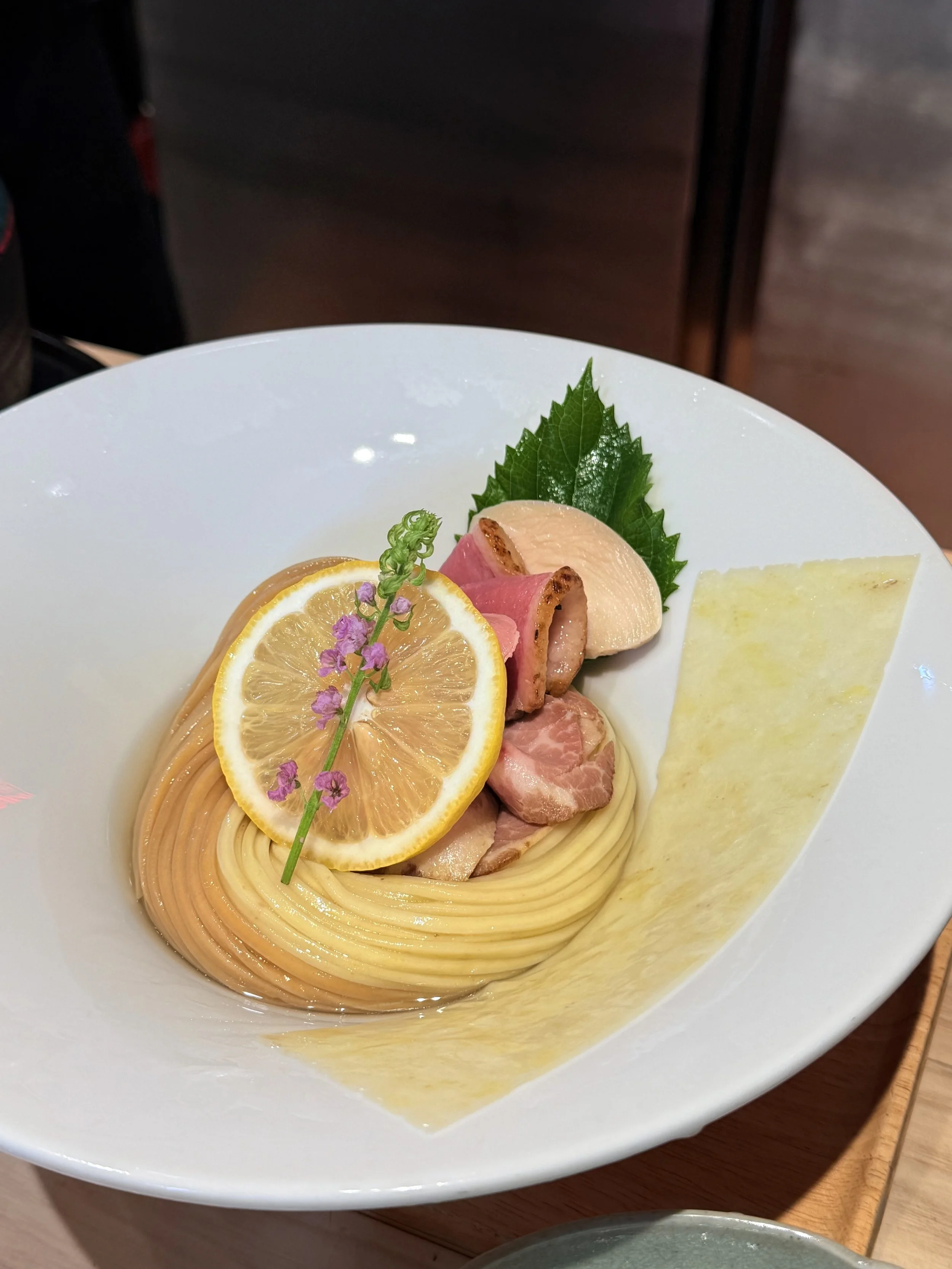
No Name Noodle is a reminder of just how obsessive Bangkok’s dining culture can be. Chef Shinji Inoue approaches ramen with extraordinary precision, from freshly made noodles to deeply layered broths and seasoning blends built from dozens of ingredients. The tiny restaurant has become notoriously difficult to book, yet the experience remains focused almost entirely on what is in the bowl rather than ceremony or spectacle. Recognised with a Michelin Bib Gourmand, it’s somewhere I’m willing to plan well ahead for - proof that in Bangkok, even a bowl of noodles can become an exercise in craftsmanship.