Rome
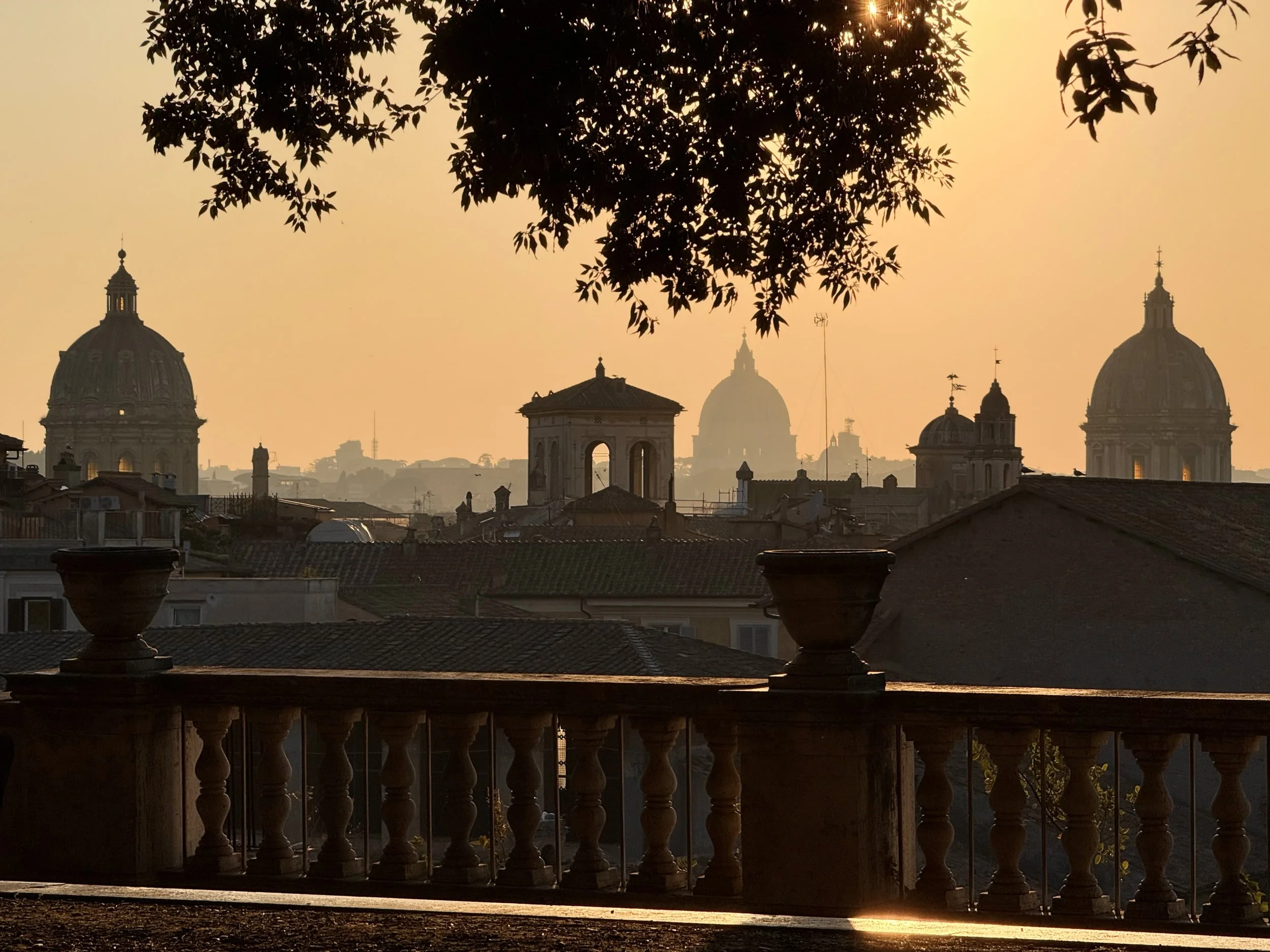
Rome is a city I’ve returned to many times, and each visit has made me less interested in trying to see everything.
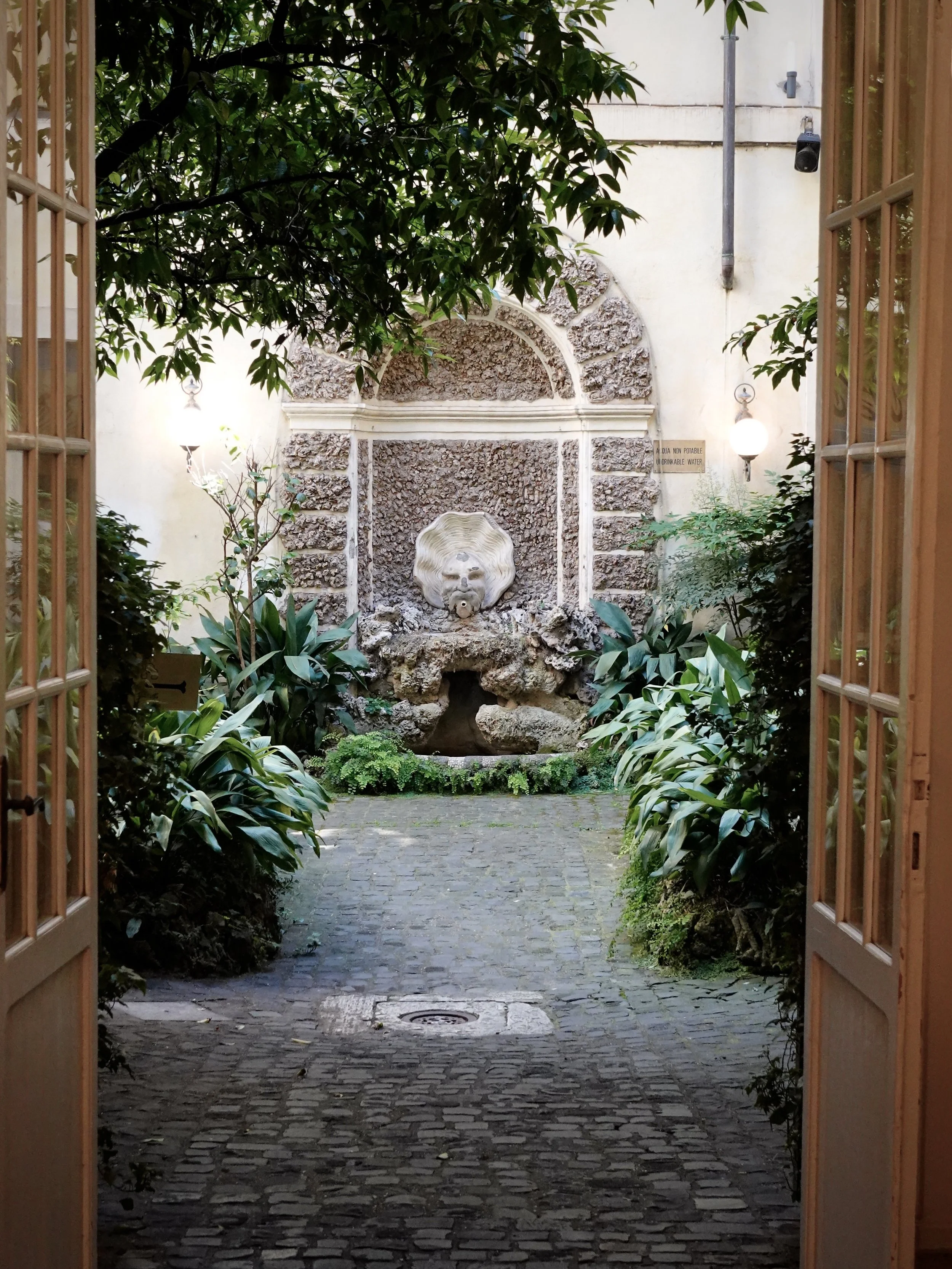
The monuments are extraordinary, of course. Rome carries its history with a scale few cities can match. But the version of the city I remember most vividly often exists around them: espresso taken standing at a marble counter, jasmine spilling across a faded façade, a courtyard glimpsed through a heavy doorway, or dinner beginning as the heat of the day finally starts to soften.
Rome can feel overwhelming when approached as a checklist. I enjoy it much more when I give a neighbourhood time, walk without trying to optimise every hour and return to places I already know alongside discovering somewhere new.
This is my personal guide to the Rome I continue returning to — monumental and imperfect, but also intimate, lived-in and often at its most memorable in the moments between the landmarks.
Stories from Rome
Where To Stay
Rome’s hotels can be as layered as the city itself. Some inhabit centuries-old palazzi; others deliberately step away from Roman grandeur in favour of contemporary design and neighbourhood life. These are the places I would consider staying — each offering a different way into the city.
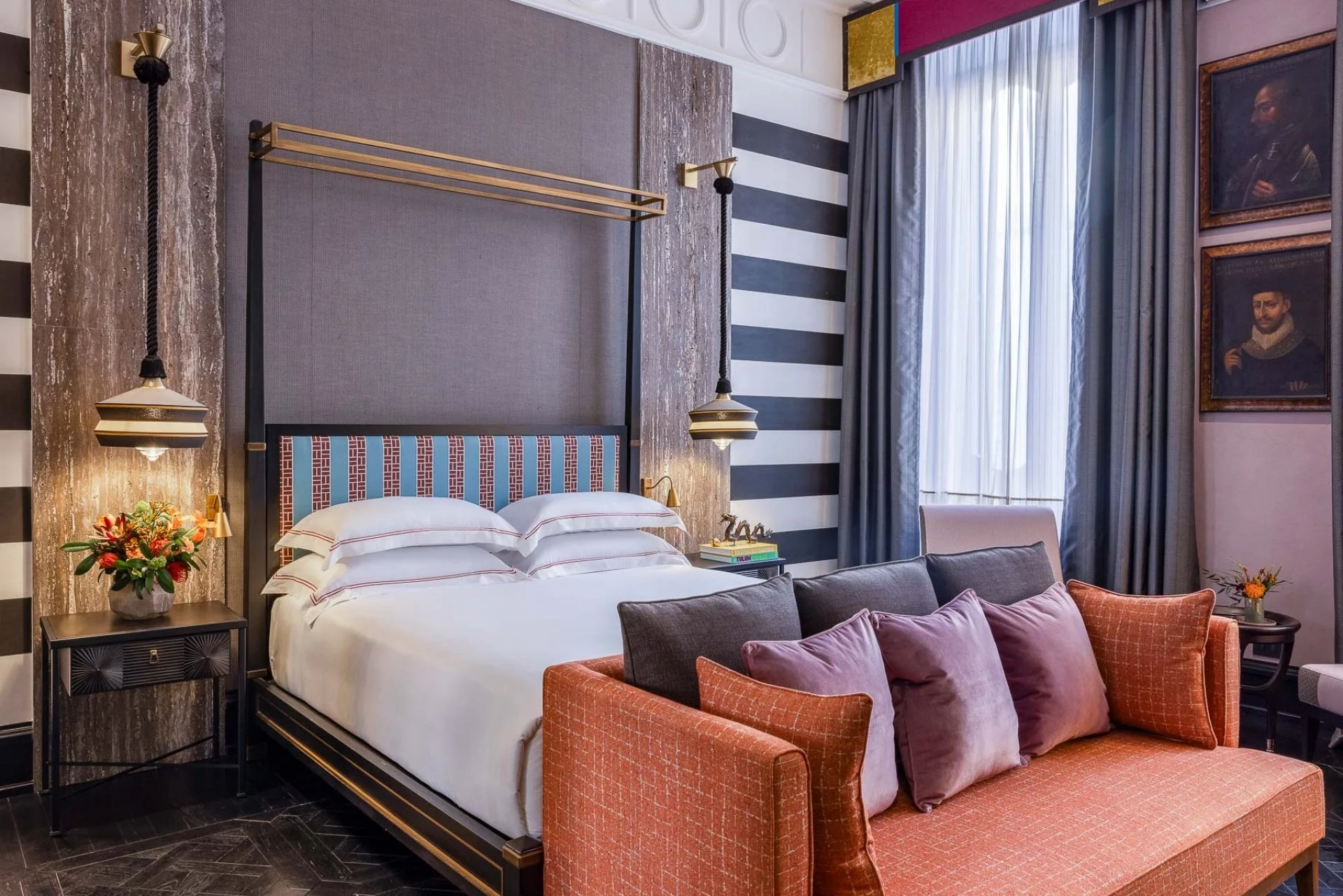
Palazzo Roma embraces the theatrical side of the city rather than trying to temper it. Set within a 17th-century palazzo on Via del Corso, its 39 rooms and suites unfold among frescoed ceilings, marble, grand staircases and rooms that feel closer to a private aristocratic residence than a conventional hotel. What makes it interesting to me is the confidence of the restoration: history is not reduced to a few decorative references, but allowed to remain unapologetically present. I would recommend it to travellers who want Rome’s sense of occasion to continue even after they return to their room.
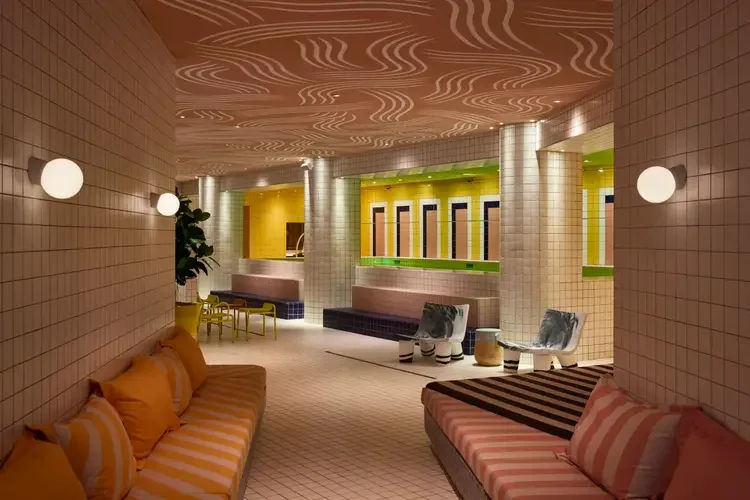
Mama Shelter offers a welcome counterpoint to Rome’s grand hotels. Close to the Vatican but deliberately informal in spirit, it brings playful design, colour and a sense of humour to a city where hospitality can sometimes take itself very seriously. Its rooftop and lively communal spaces make it somewhere I would choose for travellers who want their hotel to feel social rather than ceremonial — and who prefer contemporary Roman energy over old-world formality.
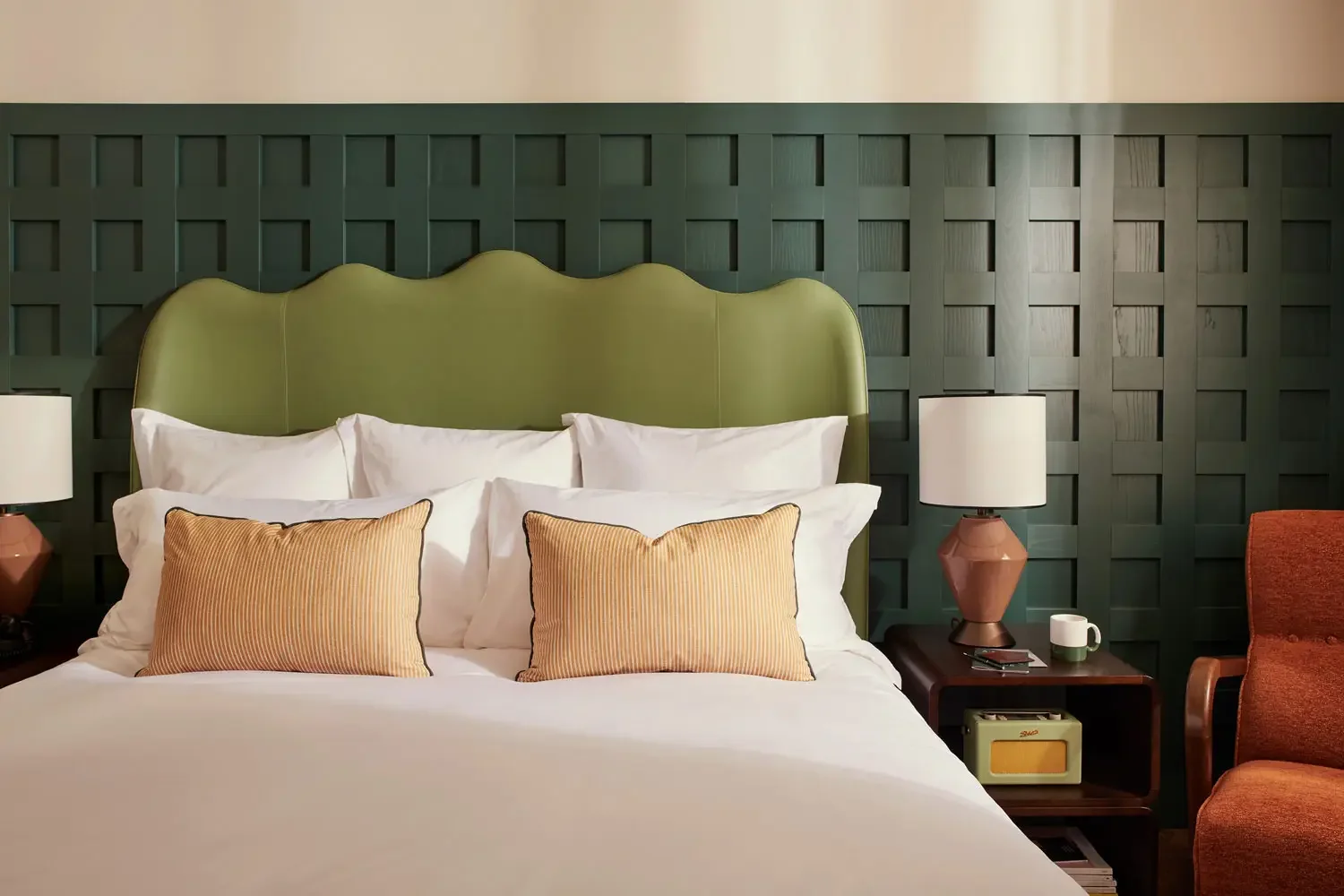
The Hoxton appeals to me partly because it encourages a different relationship with Rome. Set in the Parioli area rather than directly among the historic centre’s most visited monuments, it offers a more residential perspective on the city. Its interiors draw on mid-century Italian design through parquet floors, lacquered timber, brass and bold colour, while generous communal spaces make the hotel feel as relevant to locals meeting for coffee as to visitors staying overnight. I would choose it for a return visit when experiencing everyday Rome matters more than being able to see the Pantheon from the window.
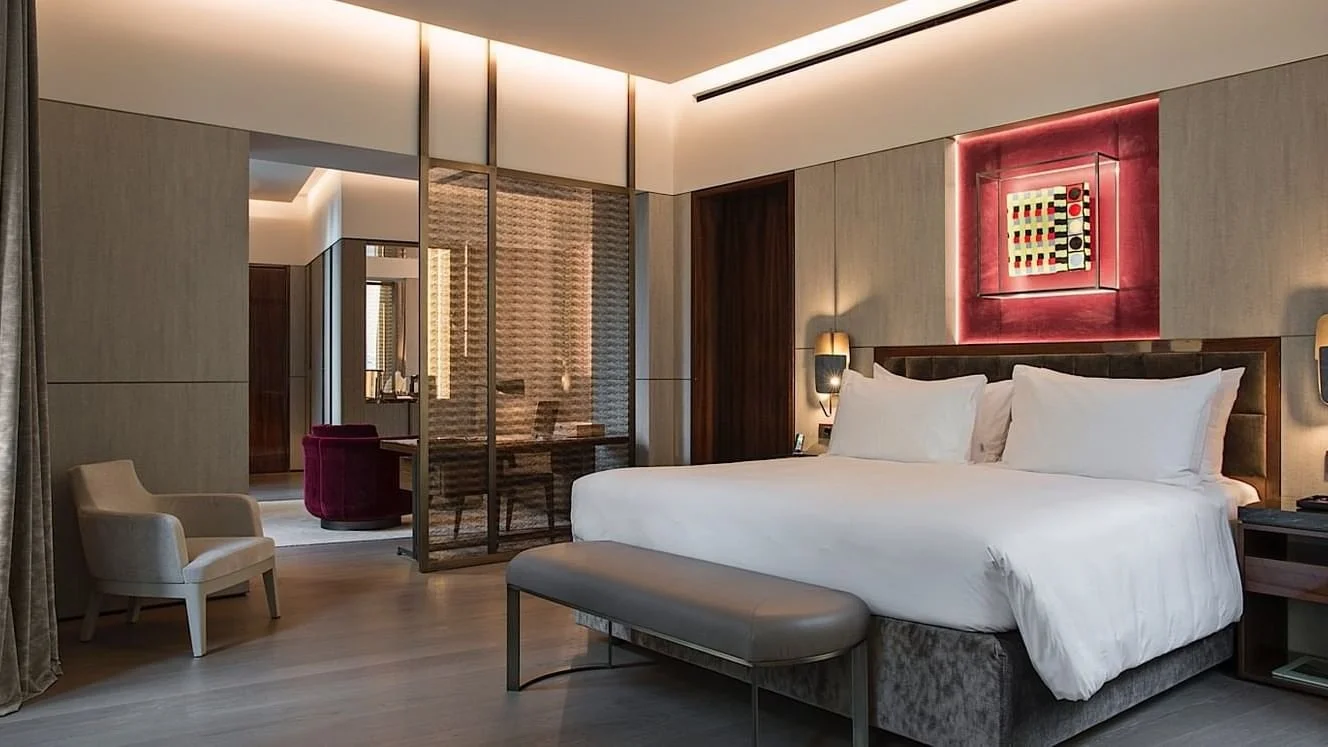
Fendi Private Suites takes intimacy to an unusual extreme: just seven suites within Palazzo Fendi, steps from Piazza di Spagna. Rather than reproducing the scale and spectacle of a traditional luxury hotel, it feels closer to staying within a discreet Roman fashion residence. The connection feels particularly appropriate here — Fendi was born in Rome, and the experience places contemporary Italian design within the streets that continue to define the city’s relationship with fashion. I would recommend it to travellers who value privacy, design and the pleasure of staying somewhere intentionally small.
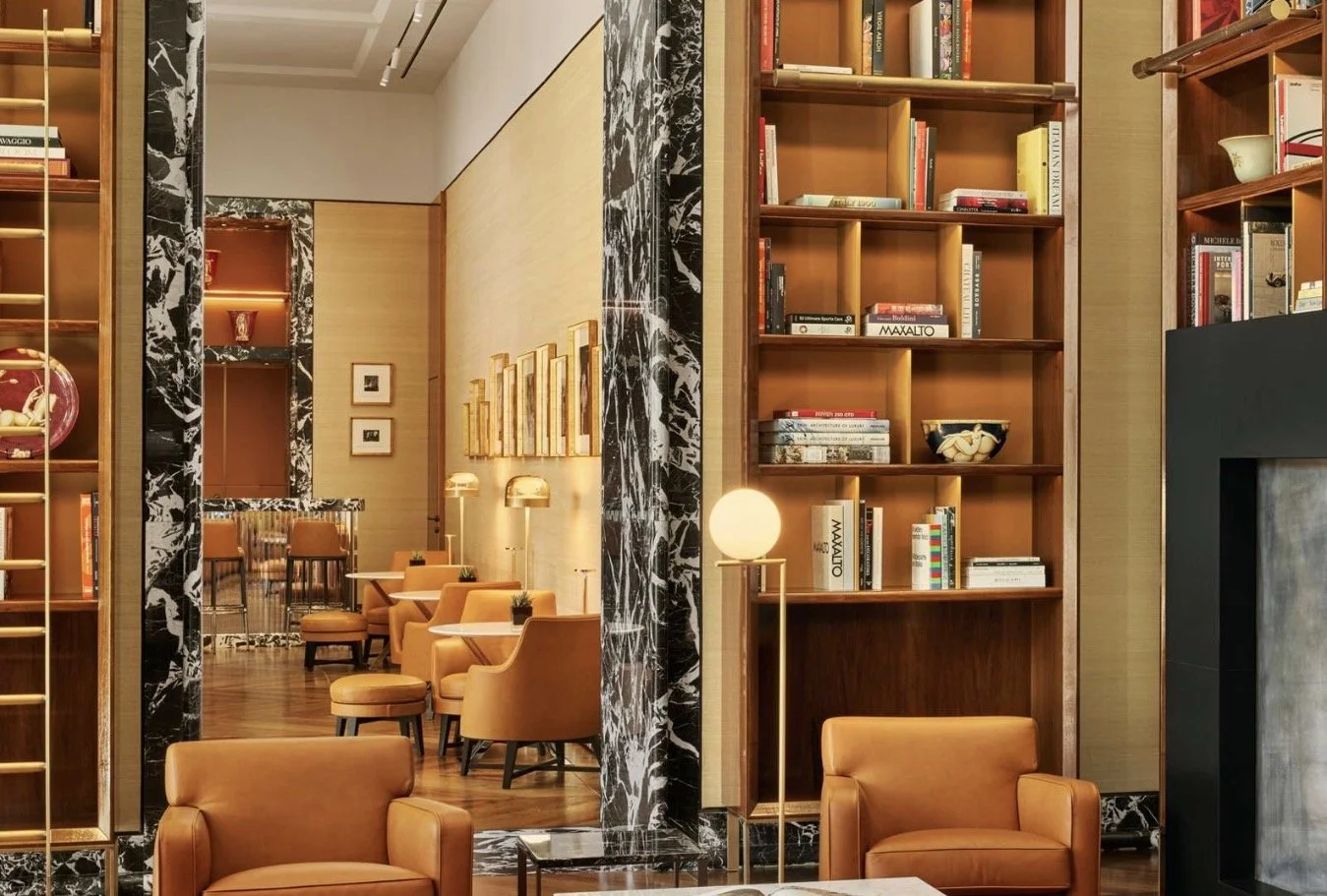
Few hotel brands have as legitimate a claim to Rome as Bvlgari. The maison was founded in the city, and its Roman hotel occupies a monumental Rationalist building from the 1930s overlooking Piazza Augusto Imperatore and the Mausoleum of Augustus. Inside, coloured marble, mosaics, Italian craftsmanship and references to jewellery create a contemporary expression of Roman opulence without attempting to imitate an historic palazzo. It’s the hotel I would recommend when the appeal lies in experiencing Rome through the confidence, glamour and craftsmanship of one of its most internationally recognised houses.
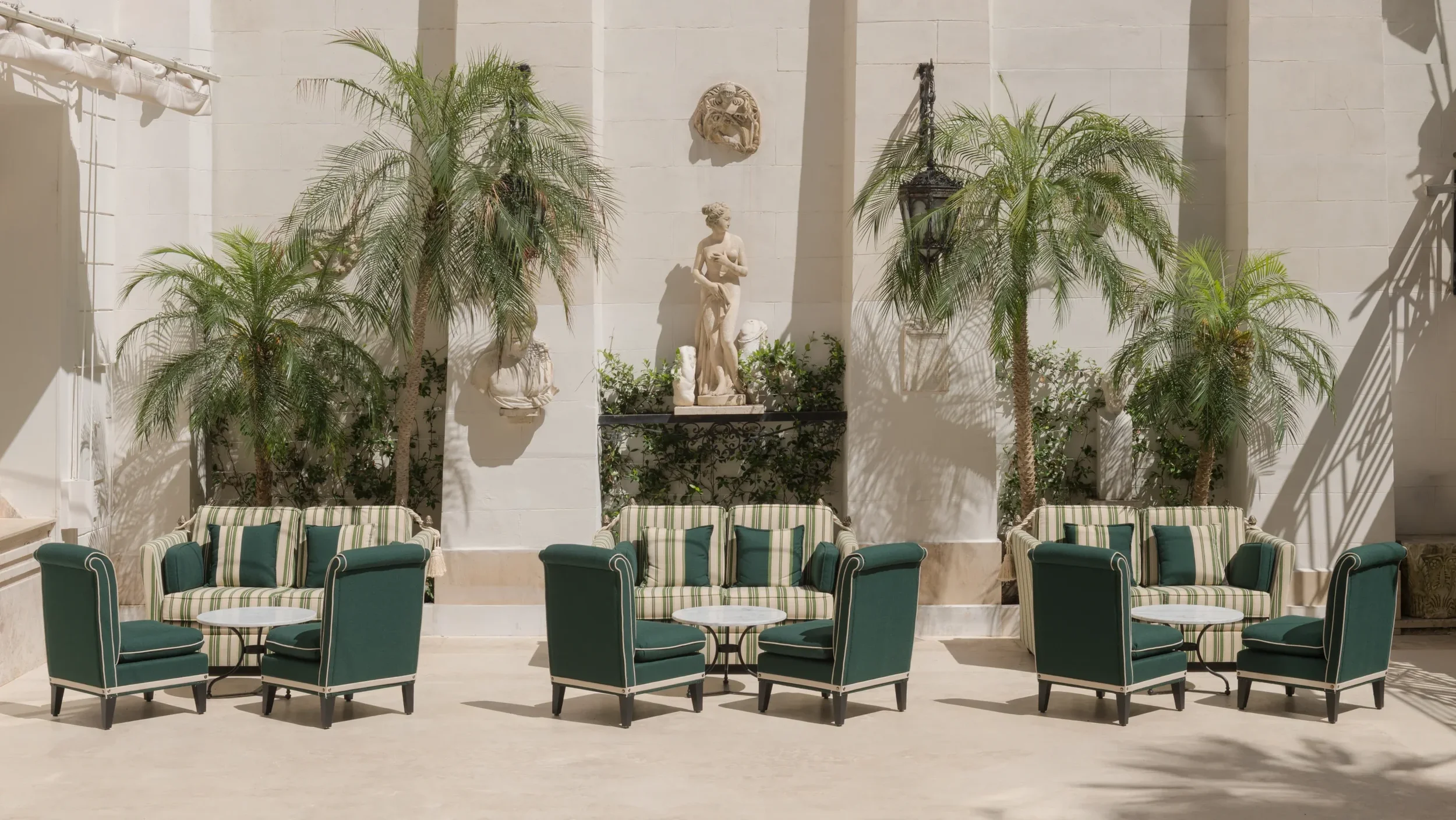
The Hassler belongs to another era of Roman hospitality — and that is precisely why it remains compelling. Independently owned and perched at the top of the Spanish Steps, it has occupied an extraordinary position in the city for more than a century. While newer hotels reinterpret Rome through contemporary design, the Hassler represents continuity: discreet service, formality and the kind of grand European hospitality that increasingly feels like a category of its own. I would recommend it to someone who wants the classic Roman hotel experience rather than a reinvention of it.
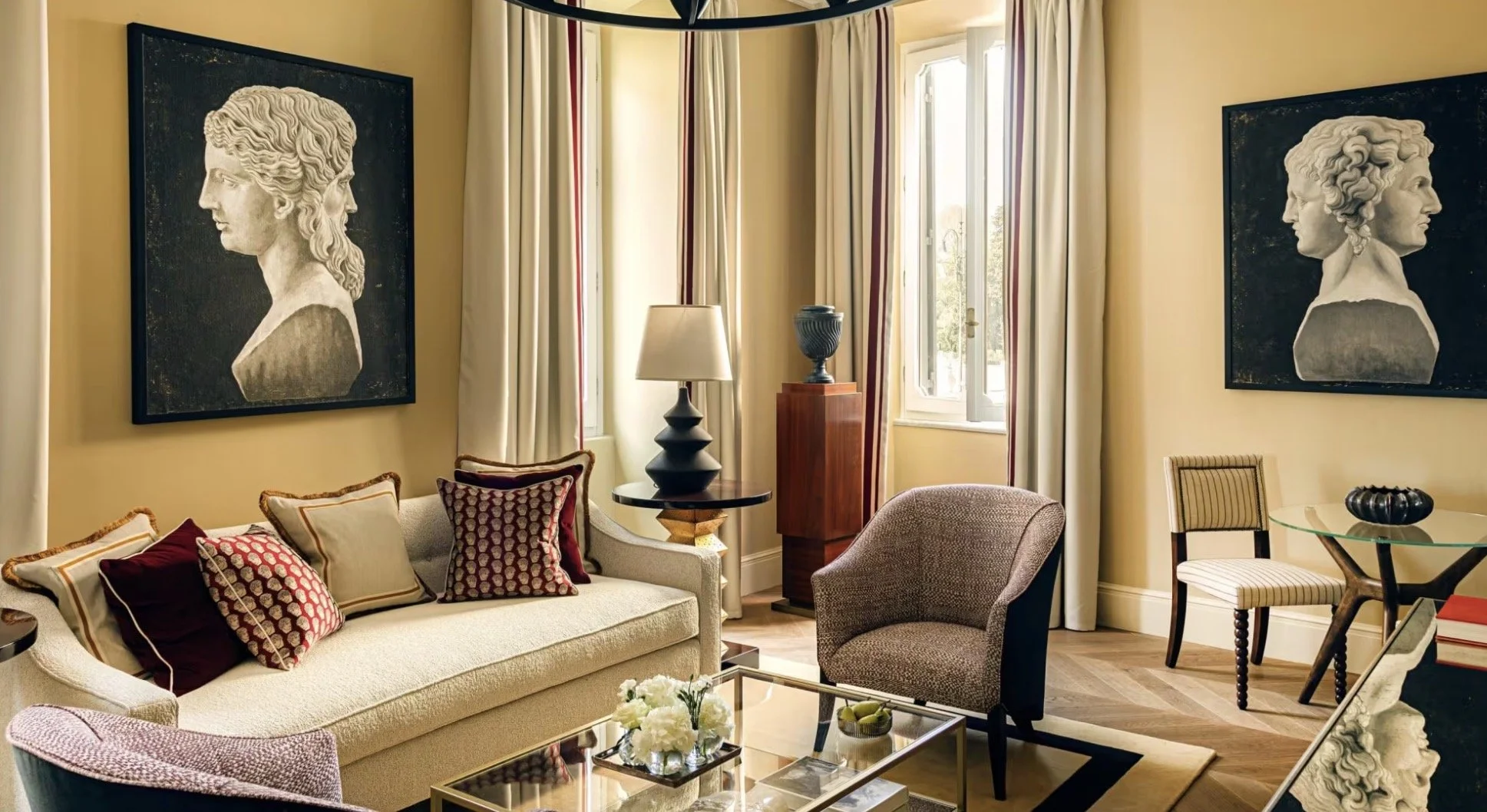
Hotel de Russie occupies one of those rare positions where the city seems to gather around the hotel: Piazza del Popolo in one direction, the Spanish Steps in another, and Villa Borghese nearby. Yet its defining feature is hidden from the street — the terraced Secret Garden, filled with mature trees, roses and fountains. Following a substantial recent renovation, the hotel continues to balance classical Rome with a more contemporary sensibility. I would choose it as much for an aperitivo beneath the trees as for the rooms themselves; in a dense city, the privilege of having a garden at its centre feels particularly luxurious.
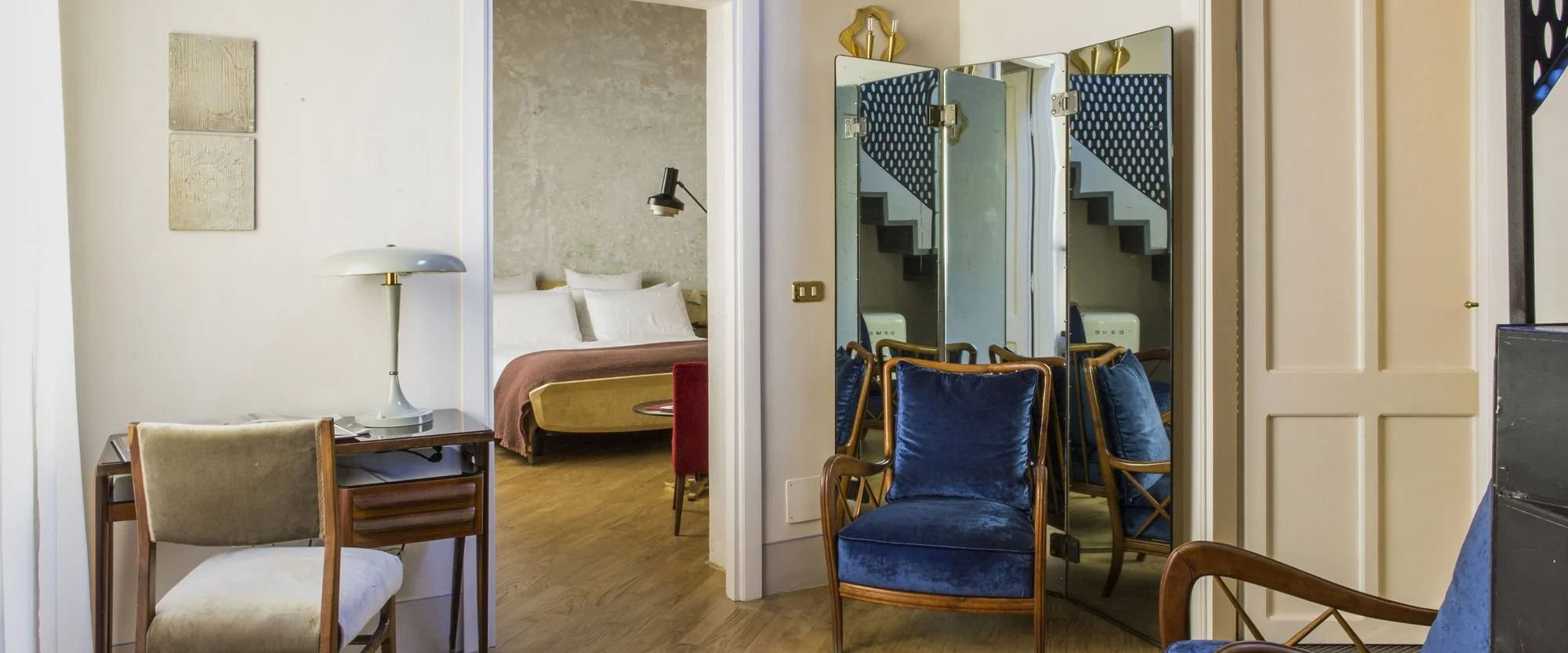
G-Rough is perhaps the most unconventional hotel on this list — and one of the most interesting. There is no conventional lobby: guests enter a 17th-century palazzo through the bar before heading upstairs to spaces conceived more like Roman apartments than hotel rooms. Furniture and objects by Italian designers including Gio Ponti and Ico Parisi sit against deliberately weathered walls and historic surfaces. Its idea of luxury is not polish but personality, allowing different periods of Italian design to coexist without making the building feel newly manufactured. For travellers who find perfect marble slightly less interesting than patina, this would be high on my list.
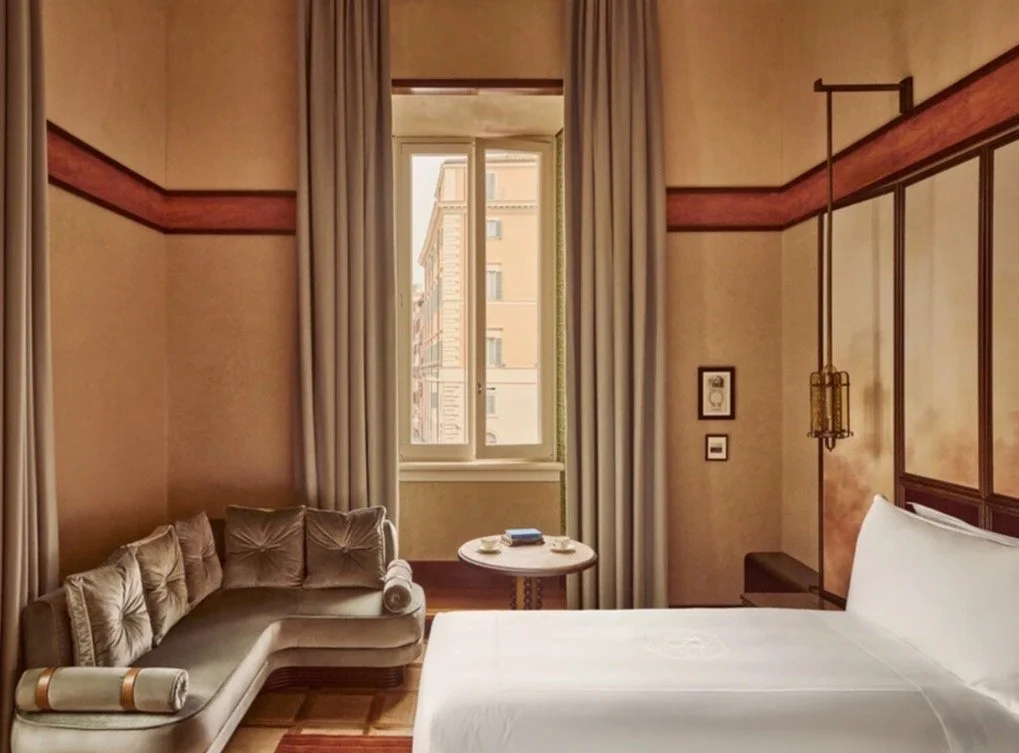
Orient Express La Minerva brings one of travel’s most storied names into a 17th-century Roman palazzo just beside the Pantheon. Reimagined by architect and designer Hugo Toro, its 93 rooms and suites combine Art Deco references with distinctly Roman materials and craftsmanship, while the restored glass-roofed central space still centres on the original statue of Minerva by Rinaldo Rinaldi, a pupil of Canova. What interests me most is the dialogue between travel history and Roman history: Orient Express has not simply opened a luxury hotel in Rome, but inserted its own mythology of travel into a building that has welcomed travellers for generations.
Hotel images courtesy of the respective properties
Where To Eat