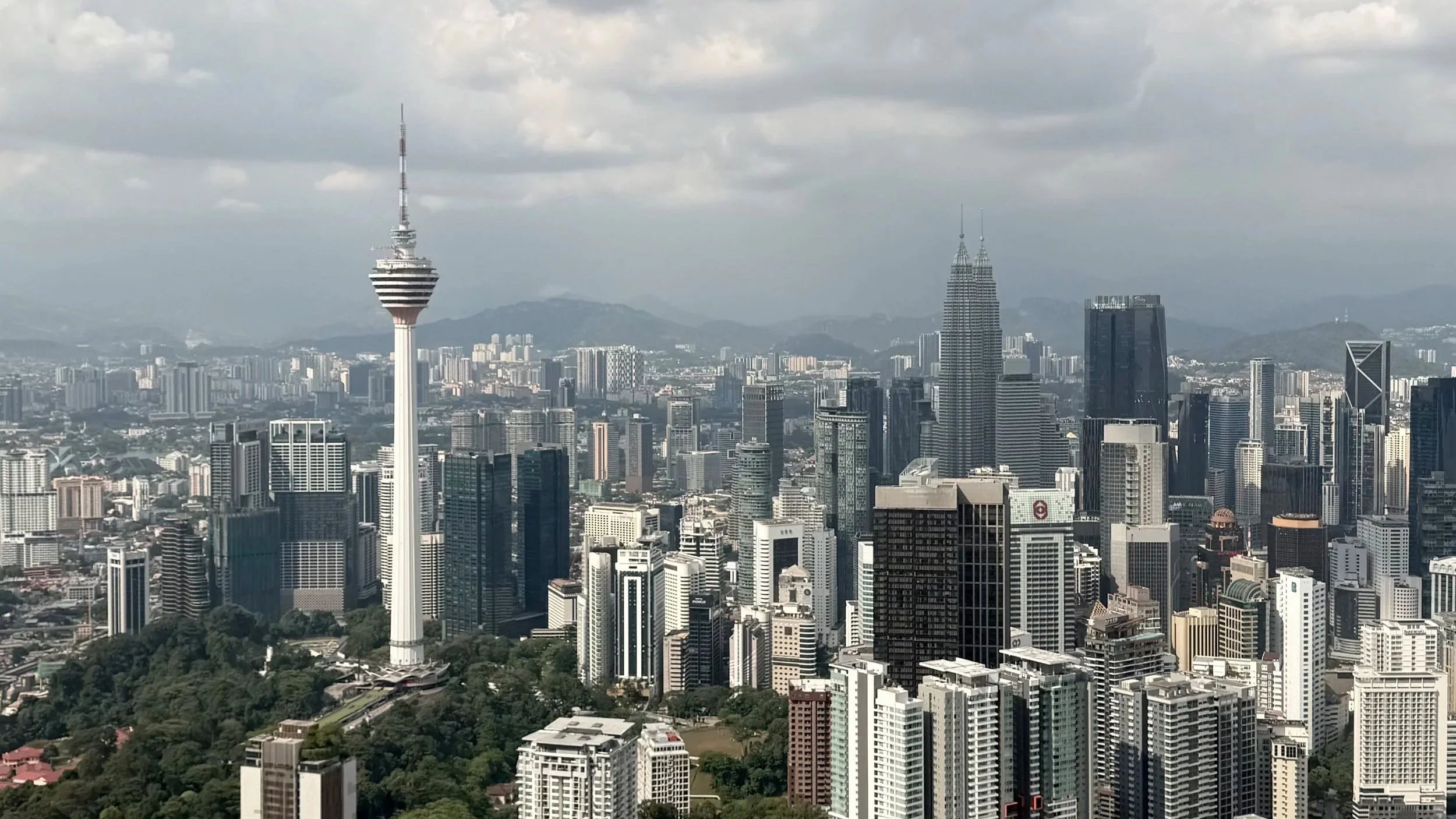
Kuala Lumpur
Kuala Lumpur is the city where I grew up and where my love for food first began. Long before travel became part of my life, there were family lunches around large tables, neighbourhood coffee shops and the constant question of what we should eat next. Food here has always been less an occasion than a way of life.
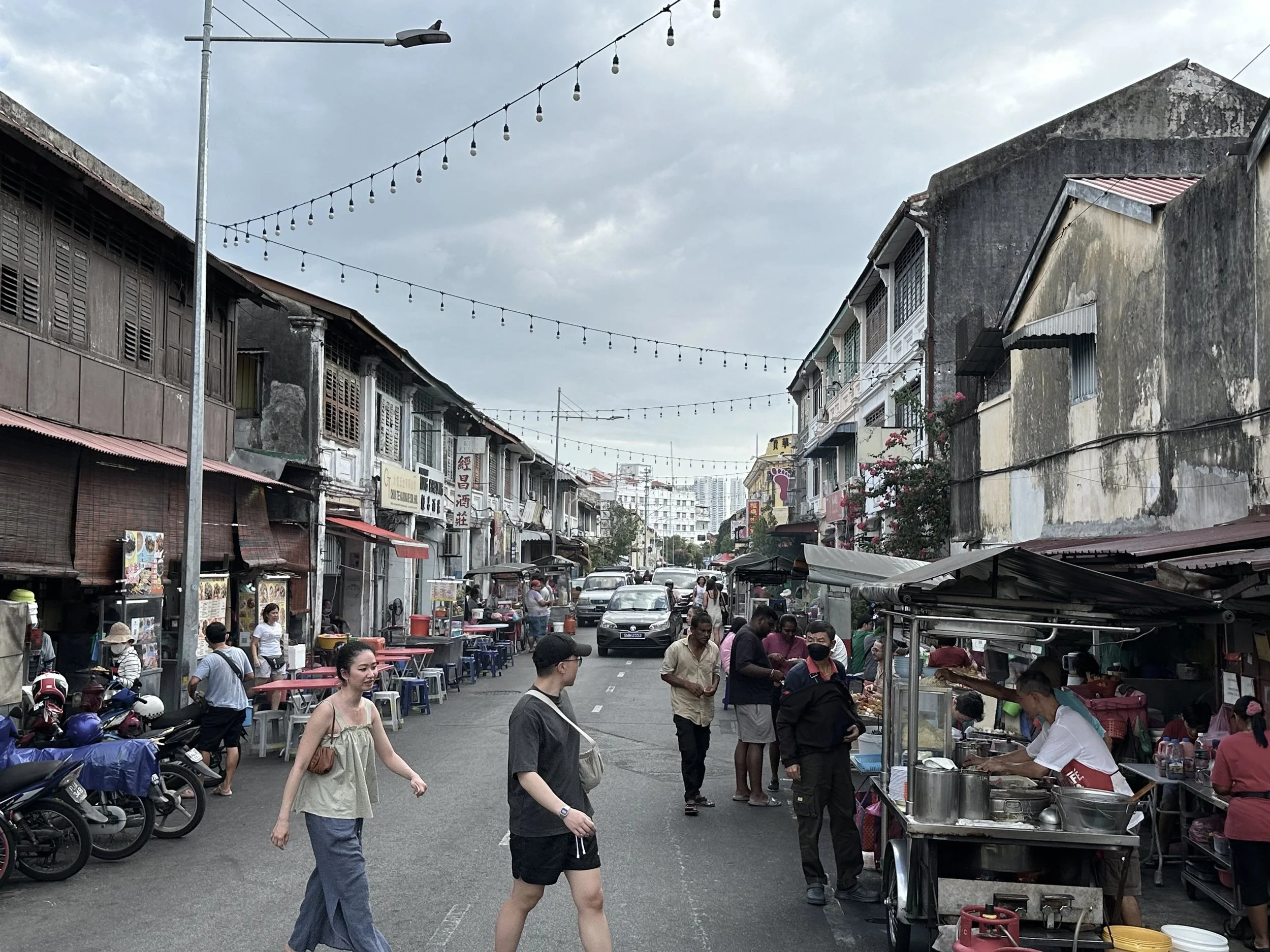
It is also a city whose identity resists easy definition. Malay, Chinese, Indian and Peranakan traditions overlap with contemporary architecture, ambitious young chefs, independent cafes and an increasingly confident design scene. A morning might begin with nasi lemak or dim sum, move through the old streets of Chinatown and end high above the city over a tasting menu or cocktail.
Returning now, I see Kuala Lumpur both as somewhere deeply familiar and as a city I am still discovering. This is my personal guide to the hotels, restaurants and places I would share with someone wanting to understand the city beyond its skyline.
Stories from Kuala Lumpur
Where To Stay
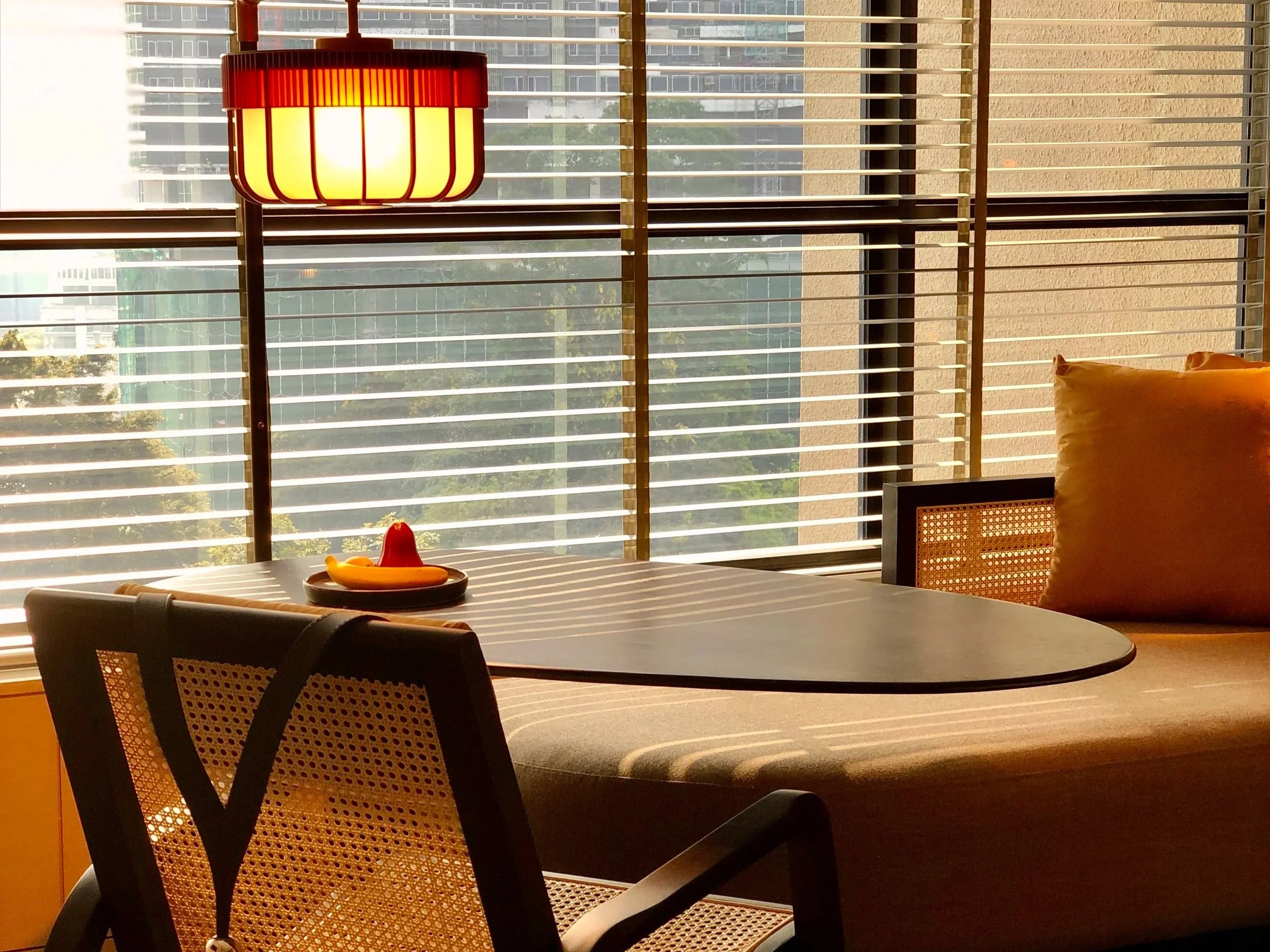
The RuMa remains one of my favourite places to stay in Kuala Lumpur. Its contemporary interiors draw quietly on Malaysia’s past, with references to the country’s tin-mining heritage and traditional craftsmanship woven into the design rather than treated as decoration. Even its name comes from rumah, the Malay word for home. Combined with warmth, intuitive hospitality and location close to KLCC, it’s the hotel I recommend to travellers looking for a stay that feels rooted in Kuala Lumpur rather than simply located here.
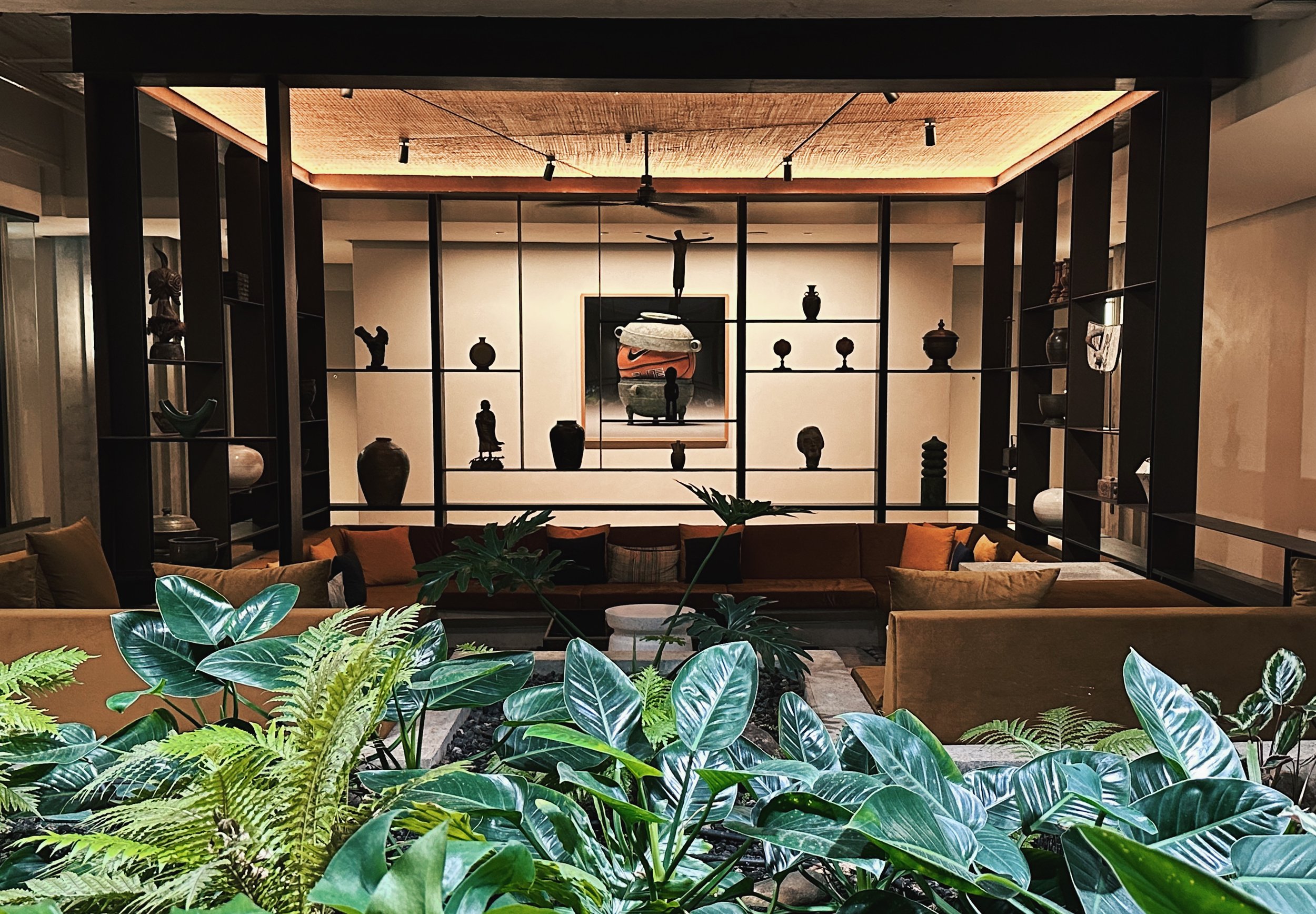
Else offers one of Kuala Lumpur’s most interesting alternatives to conventional luxury hotels. Set within the restored 1930s Art Deco Lee Rubber Building, the intimate 49-room hotel gives new life to a landmark of old Chinatown through contemporary Malaysian design. Step outside and Petaling Street, temples, cafes, independent shops and some of the city’s most energetic new creative spaces are within walking distance. For travellers interested in architecture, neighbourhoods and a stronger sense of place, Else would be one of my first recommendations.
Its distinctive approach to hospitality has also earned the hotel One Michelin Key.
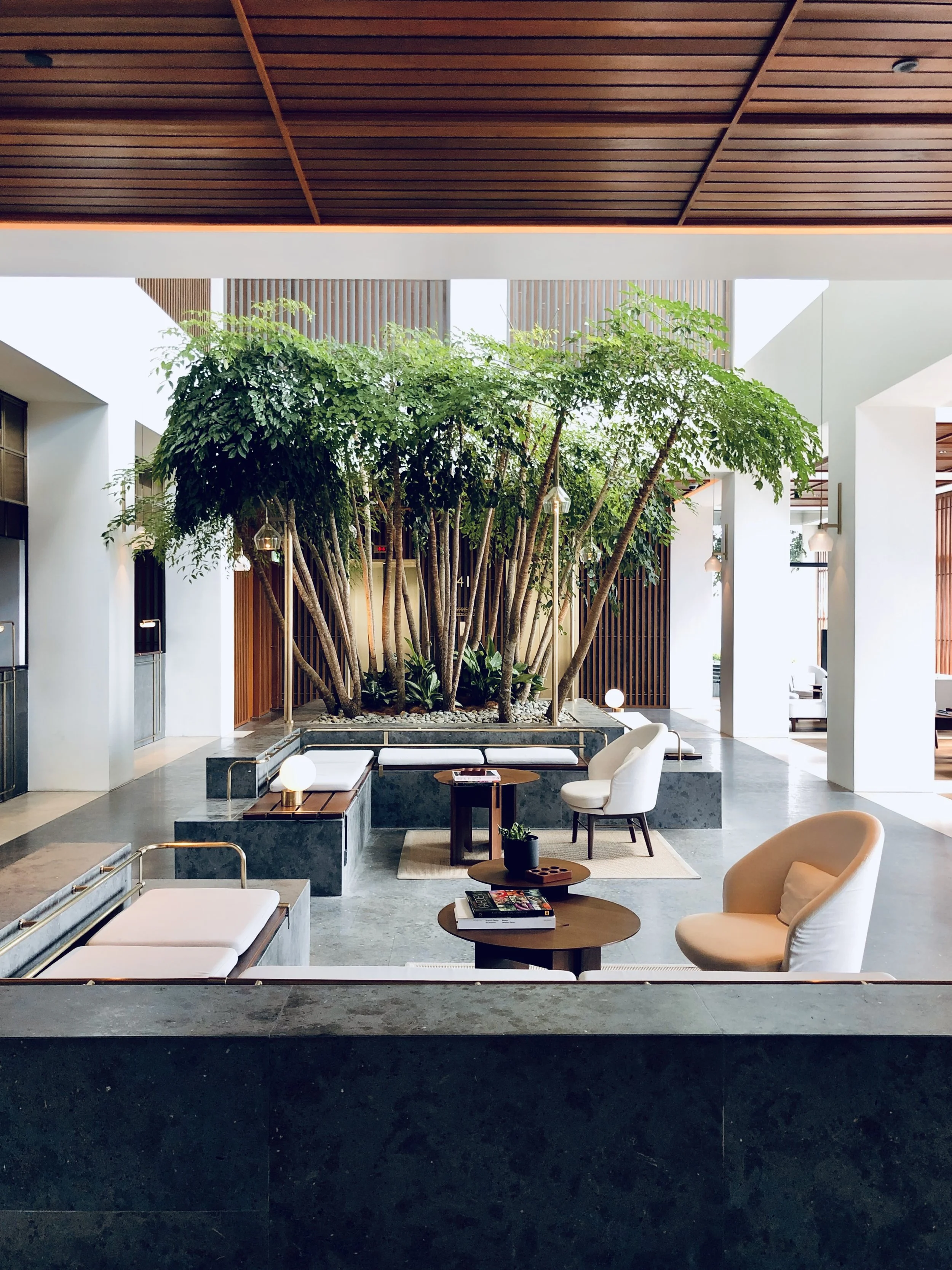
Alila Bangsar offers a different perspective on Kuala Lumpur’s, rising above one of the city’s most established residential and dining neighbourhoods rather than sitting within the usual KLCC hotel cluster.
Contemporary interiors and expansive city views give the hotel a claim, residential quality, while Bangsar’s restaurants, cafes and everyday neighbourhood life are close at hand. It’s a particularly good choice for travellers who want to see a side of Kuala Lumpur beyond the landmark tower and luxury malls.
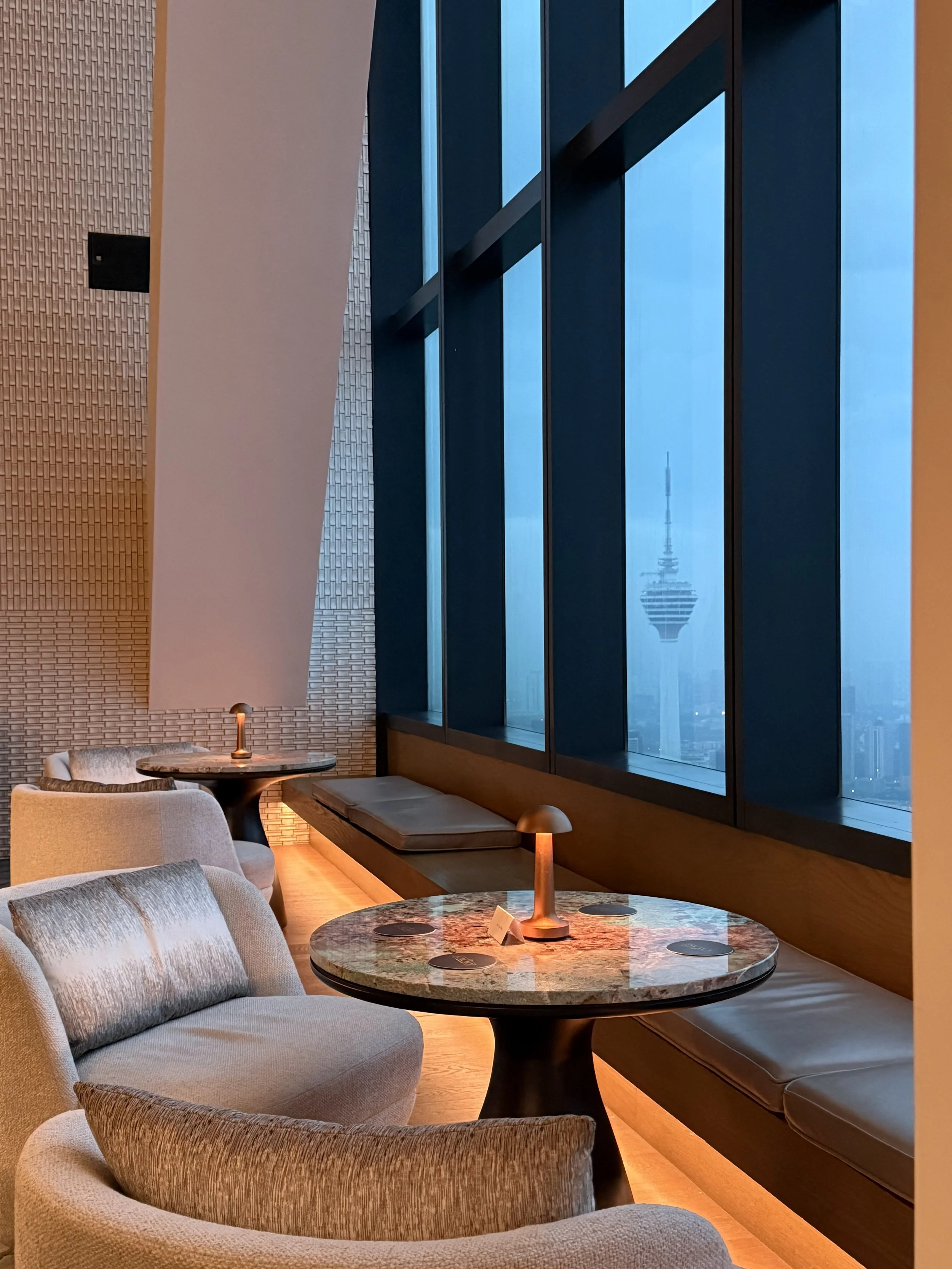
Park Hyatt Kuala Lumpur has introduced a remarkable new perspective on the city from the upper floors of Menara Merdeka Maybank, formerly known as Merdeka 118, one of the defining buildings of Kuala Lumpur’s skyline. Occupying levels 75 to 114, the hotel pairs Park Hyatt’s restrained approach to luxury with extraordinary views, while its location beside historic Stadium Merdeka creates an intriguing dialogue between the city’s past and rapidly changing future. It’s the hotel I would choose for travellers wanting to experience Kuala Lumpur at its most ambitious and contemporary.
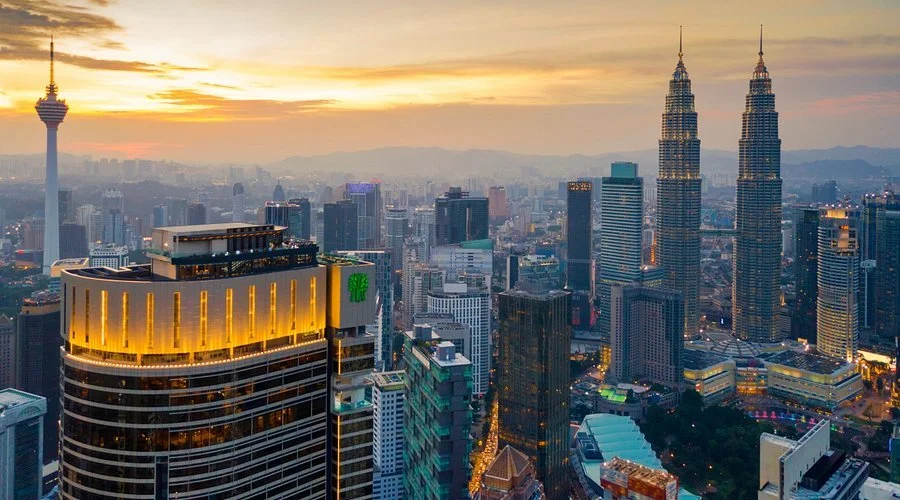
Banyan Tree Kuala Lumpur brings an unexpectedly intimate scale to the heart of the Golden Triangle. With just 55 rooms and suites high above the city, it feels more private than many of Kuala Lumpur’s larger luxury hotels, while its skyline views - particularly towards the Petronas Twin Towers - place the city firmly at the centre of the experience. Direct access to Pavilion Kuala Lumpur makes it especially convenient, yet once upstairs, the mood is noticeably removed from the energy below. It’s a strong choice for travellers who want both the pleasures of central Kuala Lumpur’s larger luxury and somewhere genuinely calm to return to.
Hotel images courtesy of the respective properties
Where To Eat
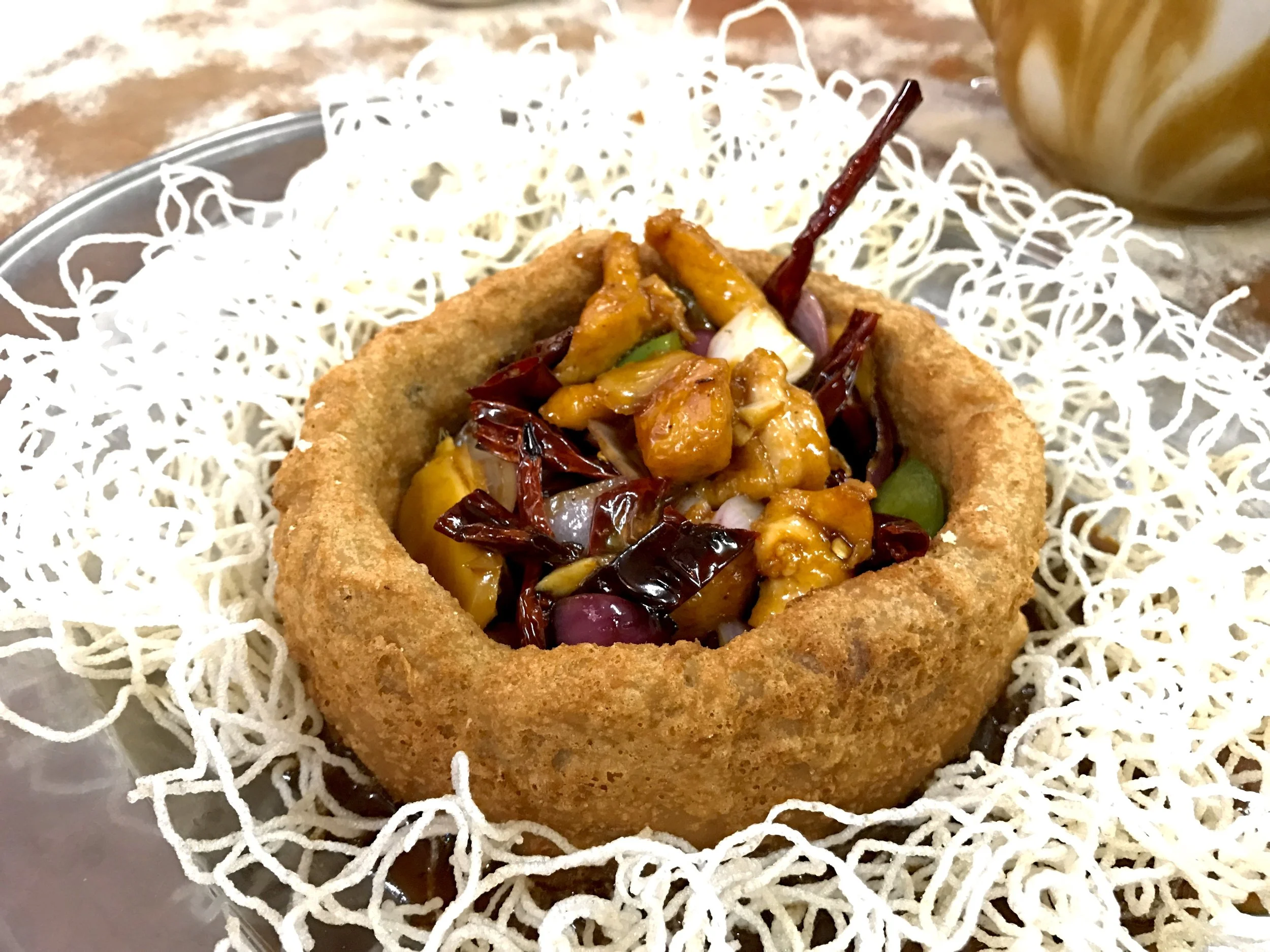
Kiew Yee Baru 新九如 is woven into my childhood memories of eating out in Kuala Lumpur. I still arrive hoping their yam basket - 佛砵 - will be available: crisp around the edges, soft within and filled with a savoury stir-fry, it remains one of those dishes I associate immediately with family meals. It isn’t always on the menu, which somehow makes finding it even more satisfying. I include Kiew Yee not because it is fashionable or new, but because restaurants like this form part of the city’s culinary memory - and mine.
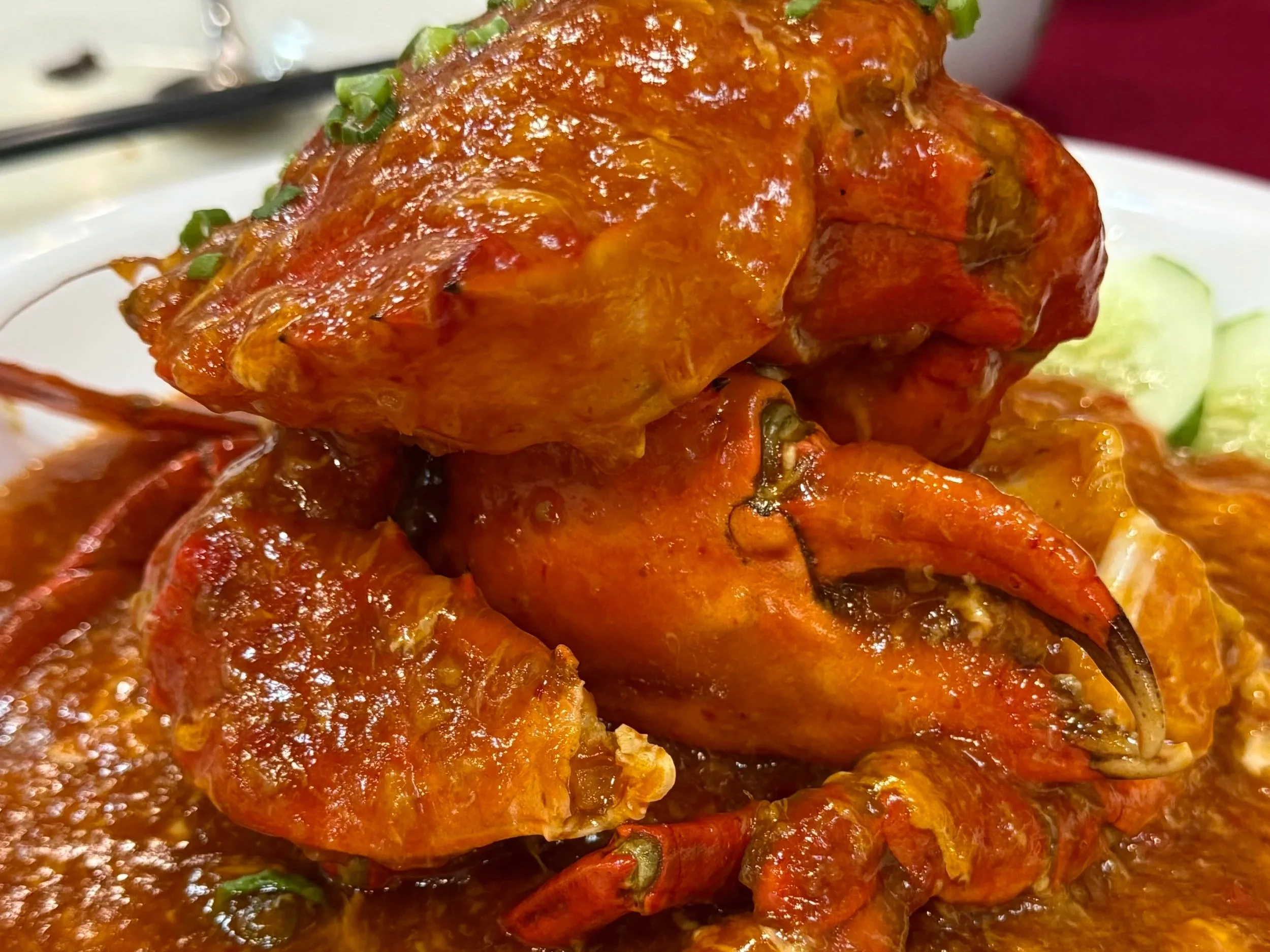
Fatt Hei Len is where I go when dinner means gathering family or a group of friends around a large table. The cooking is rooted in the Cantonese dishes familiar to generations of Malaysian Chinese families, with excellent seafood and particularly memorable crabs. What I enjoy most is the generosity of the experience: dishes arrive for everyone to share, conversation stretches between courses and the meal becomes as much as about the people around the table as what is being served. For me, this is a very Kuala Lumpur way of eating.
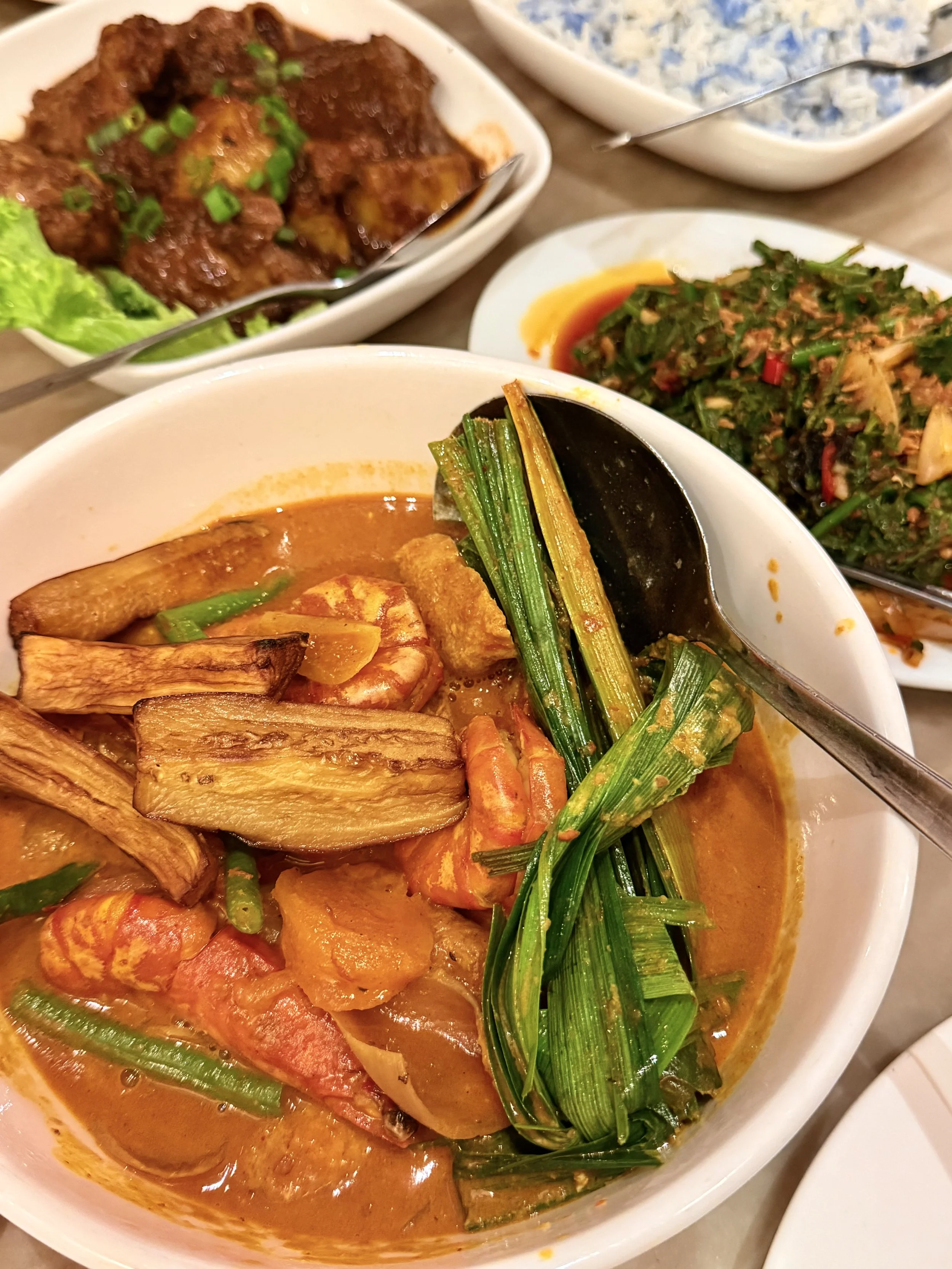
Old China Cafe feels like a small piece of old Kuala Lumpur preserved within the changing streets of Chinatown. Its wonderfully atmospheric interior - dark wood, old photographs and details accumulated over decades - provides a fitting setting for Nyonya cooking, itself shaped by the meeting of Chinese and Malay traditions. I like stopping here while exploring the neighbourhood because the experience connects food, architecture and history in a way that feels inseparable from this part of the city.
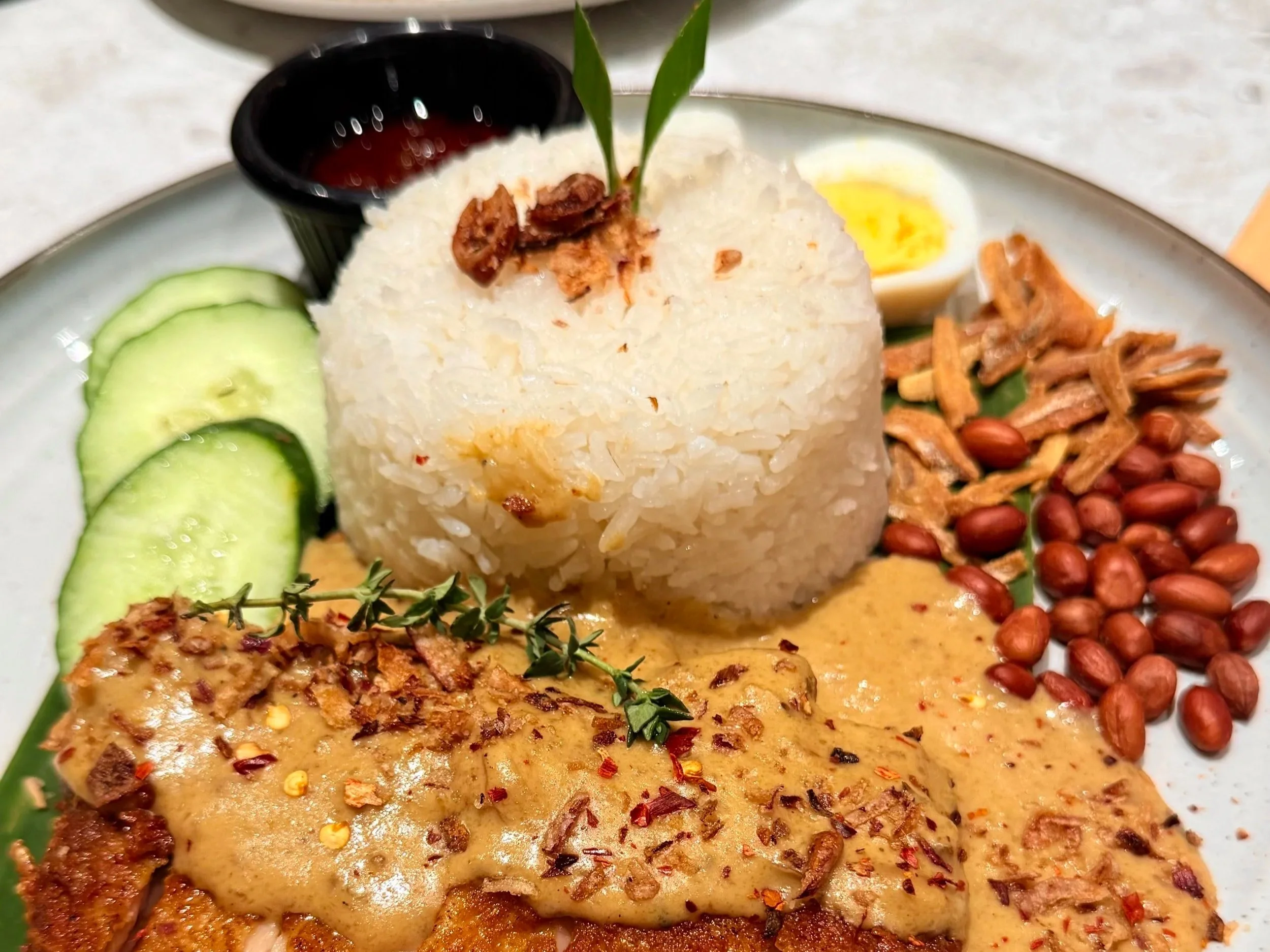
Nalé places nasi lemak - one of the fishes most closely associated with Malaysia - firmly at the centre of the meal. Fragrant coconut rice, sambal and familiar accompaniments provide the foundation, with different combinations allowing something deeply everyday to become a meal in its own right. I like recommending it to visitors because nasi lemak says something fundamental about how Malaysians eat: bold flavours, contrasting textures and considerable pleasure packed into what initially appears to be a very simple plate.
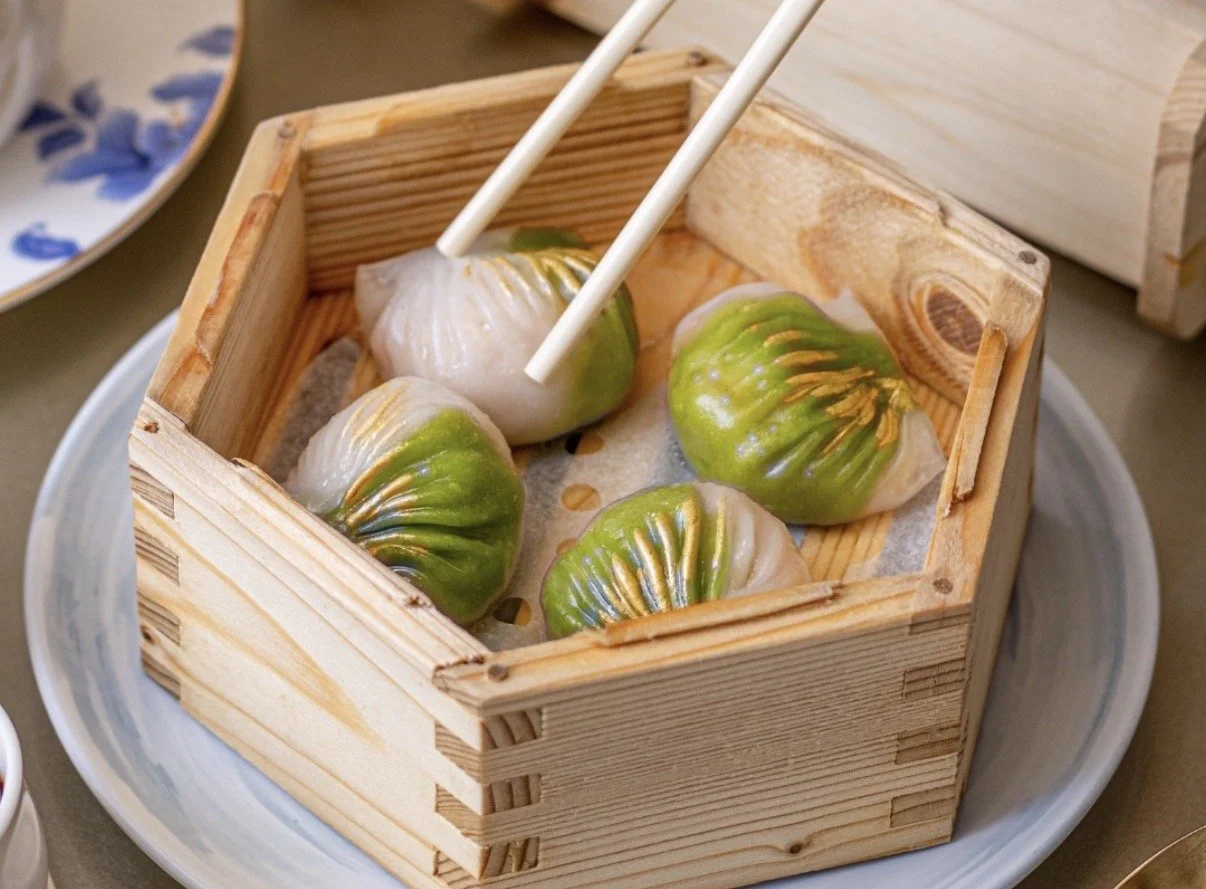
Jade Pavilion is one of my favourite places in Kuala Lumpur for dim sum. Within Pavilion Hotel, the elegant dining room provides a polished setting for beautifully executed Cantonese classics, but the experience remains centred on something wonderfully familiar: gathering around a table and ordering far more bamboo baskets than originally intended. It’s somewhere I return to for its consistency and quality, whether for a leisurely family lunch or when introducing visitors to the Cantonese traditions that remain an important part of Kuala Lumpur’s food culture.
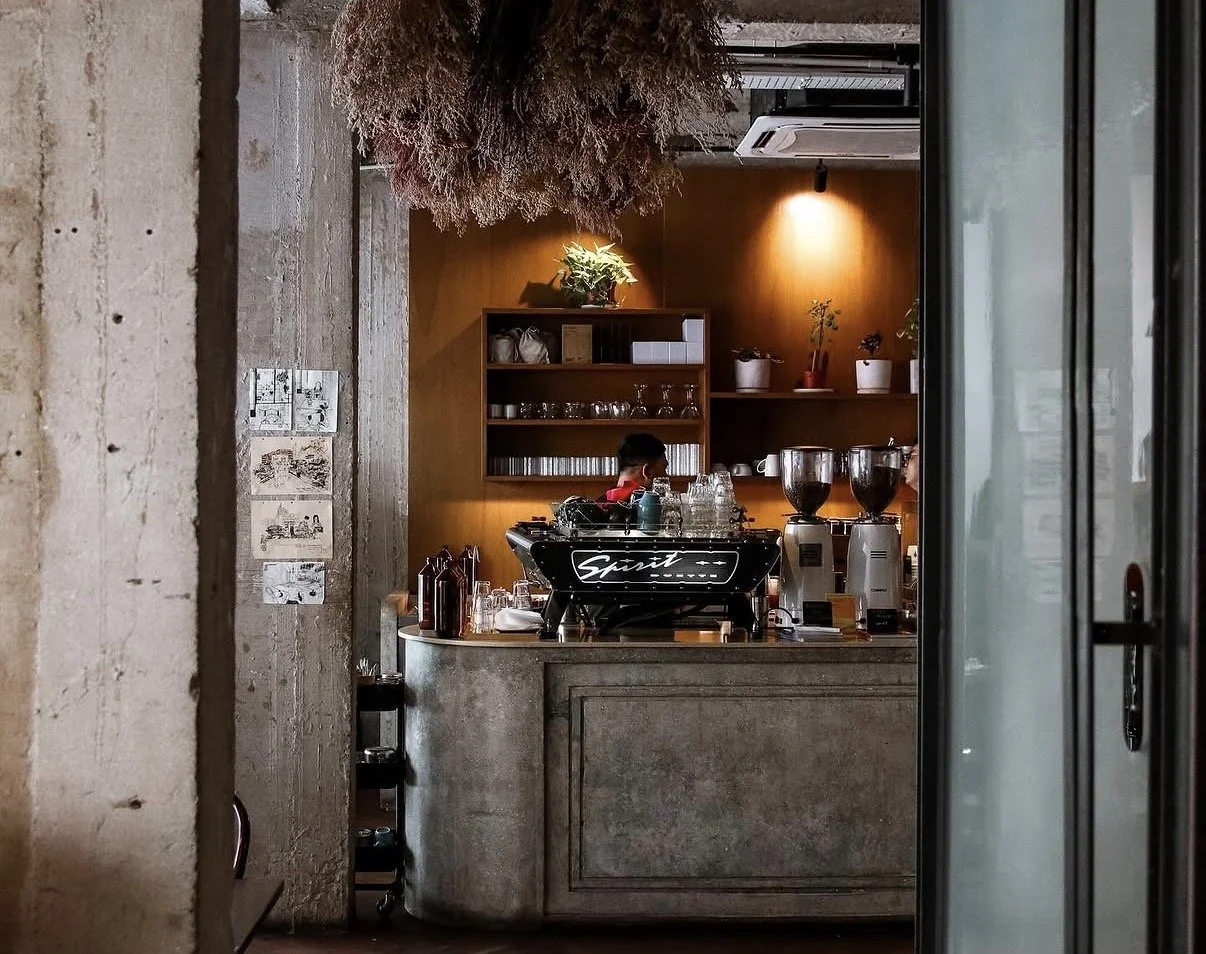
Feeka Coffee Roasters is one of those cafes I find myself returning to whenever I’m in Kuala Lumpur. Good coffee, easy-going brunch dishes and relaxed interiors make it the kind of place that requires very little planning - somewhere to begin a morning, meet a friends or retreat from the heat for an hour. In a city increasingly filled with elaborate cafe concepts, I like Feeka precisely because it doesn’t try too hard. It has become one of my dependable everyday addresses.
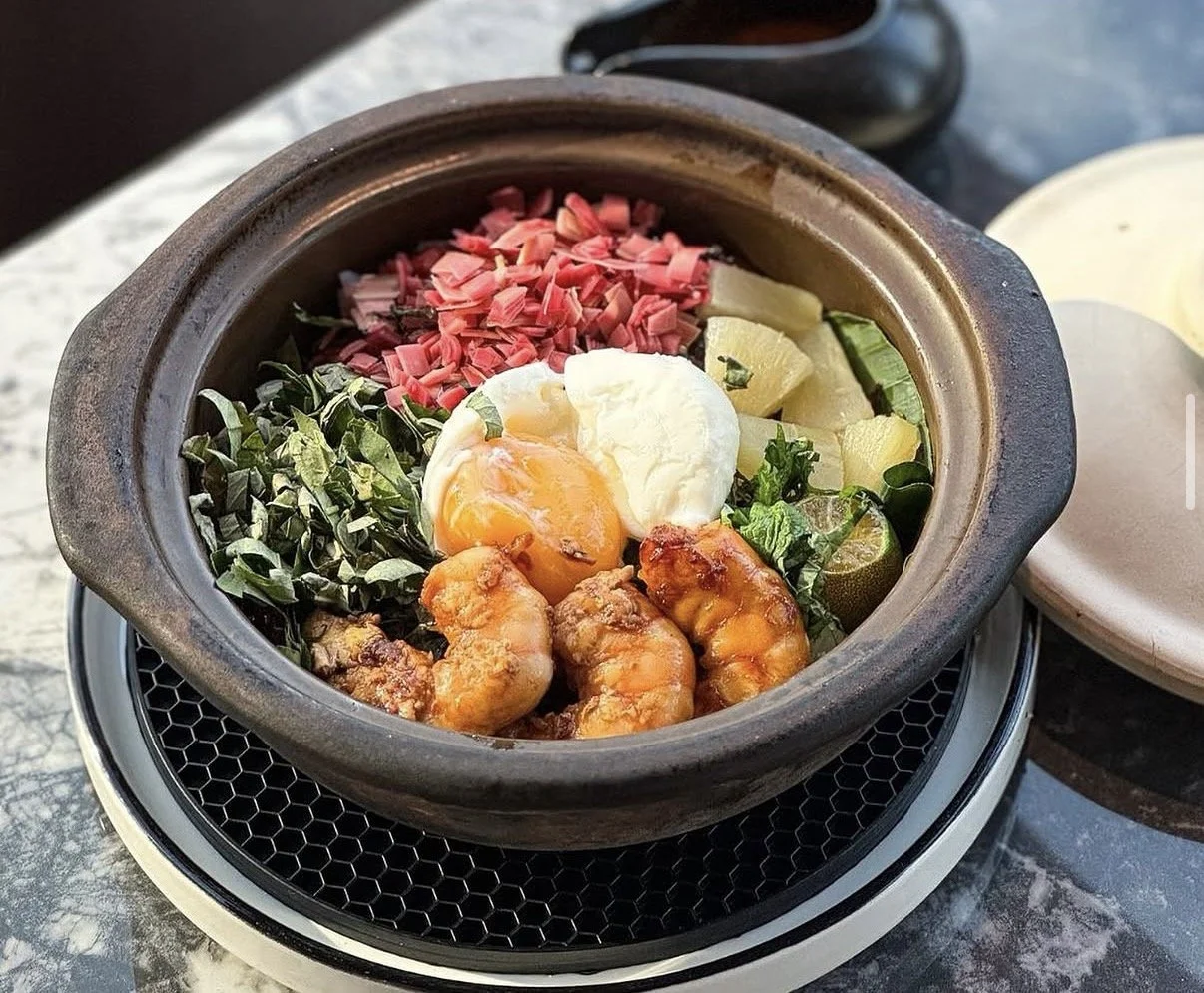
Upper House takes familiar Malaysian street-food flavours and places them against one of Kuala Lumpur’s most dramatic new backdrops. From its rooftop setting overlooking Menara Merdeka Maybank, dishes inspired by everyday favourites are reworked with premium ingredients and contemporary presentation without losing their recognisable Malaysian character. That contrast is precisely what makes it interesting to me: food rooted in the streets below, viewed from one of the city’s most ambitious new landmarks. It’s somewhere I’d bring visitors wanting to see how confidently modern Kuala Lumpur is reinterpreting itself.
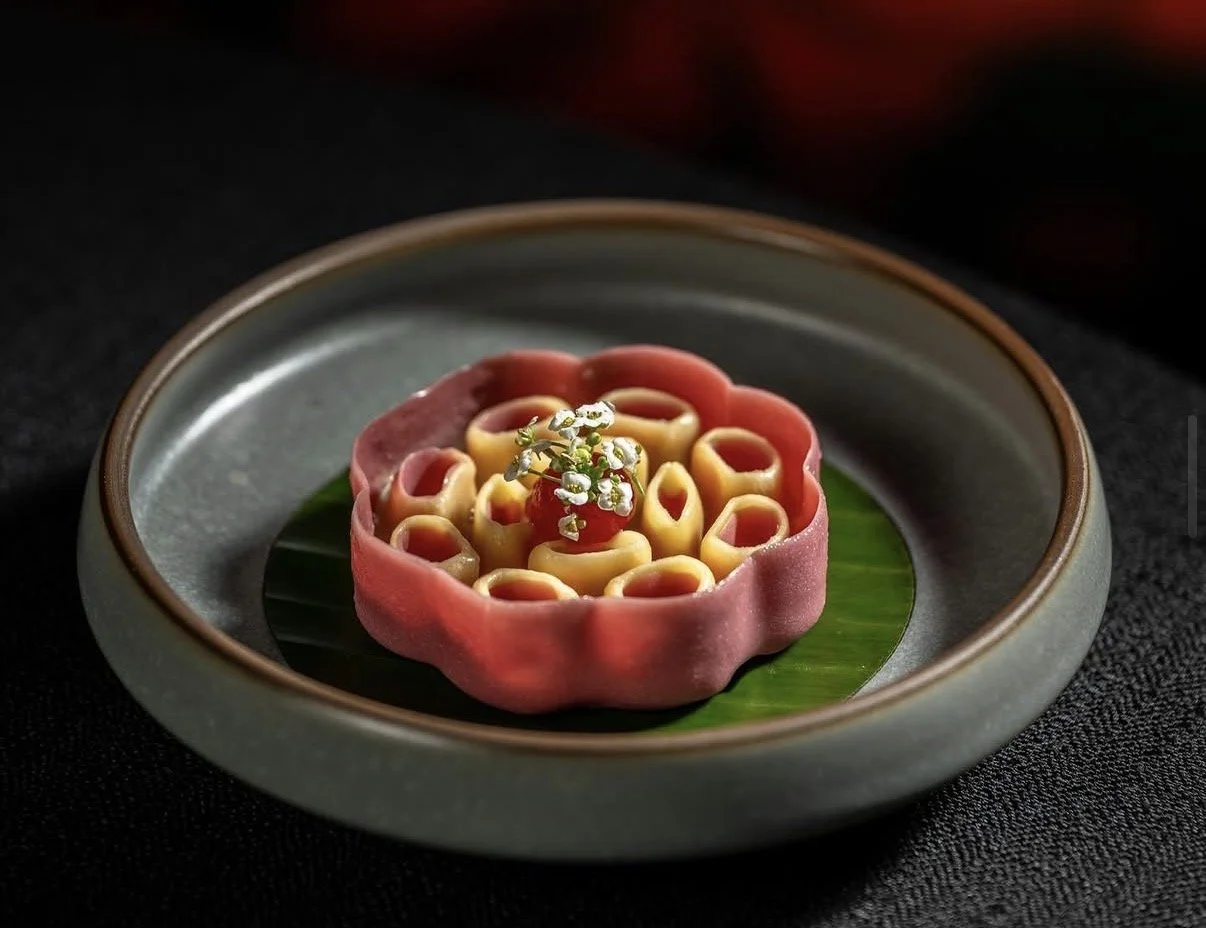
Beta looks across Malaysia rather than treating Malaysian cuisine as a single idea. Its Michelin-starred tasting menu draws inspiration from different regions and communities around the country, translating familiar ingredients, memories and flavour combinations through a contemporary fine-dining lens. What makes the experience compelling is that refinement never becomes the point in itself; the cooking remains anchored in a recognisably Malaysian sense of place. For visitors curious about where the country’s culinary identity is heading, Beta offers one of Kuala Lumpur’s most thoughtful answers.
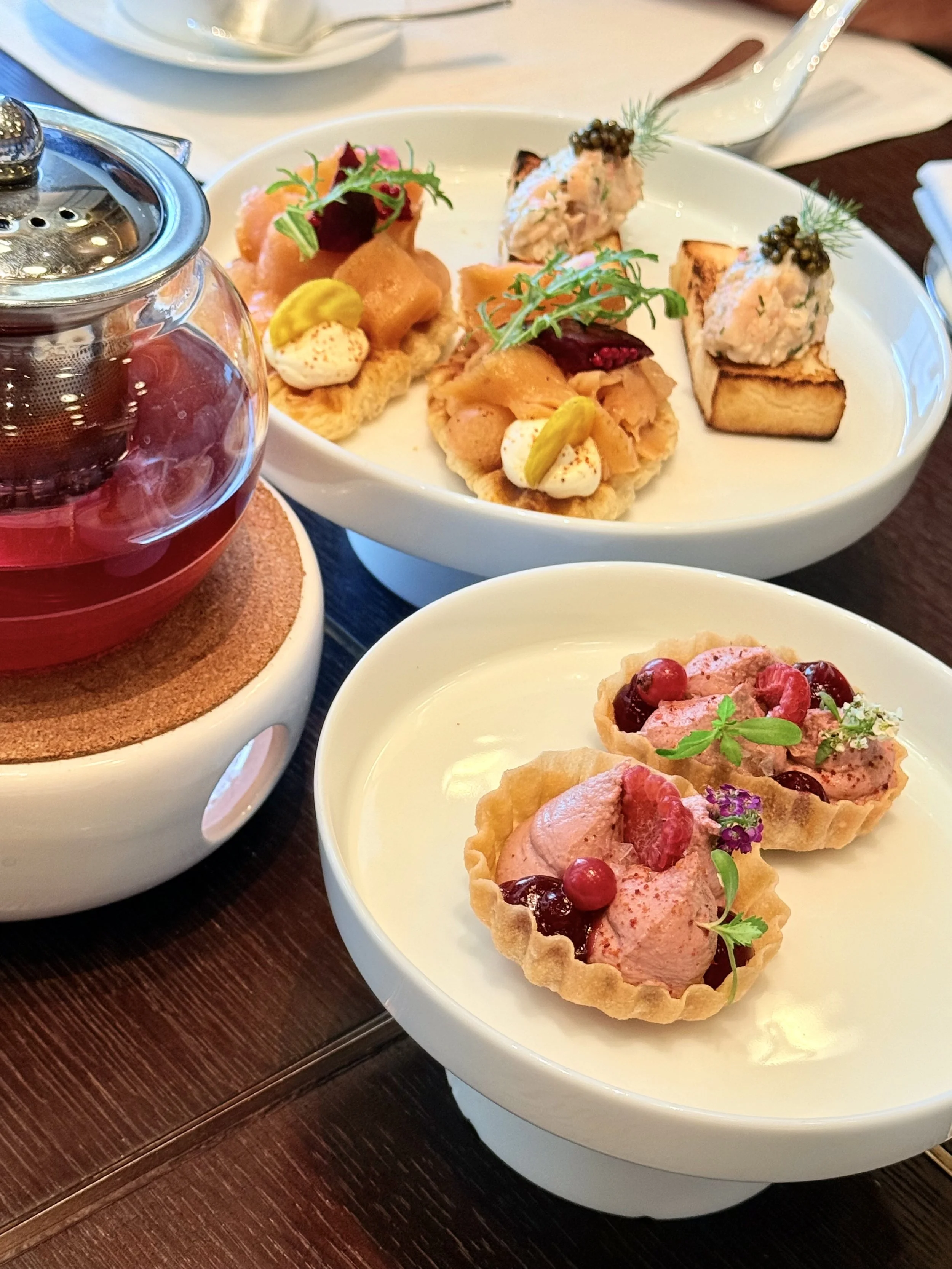
Afternoon tea at Park Lounge offers Kuala Lumpur from a very different vantage point. High within Menara Merdeka Maybank, beautifully crafted pastries and savouries arrive against extraordinary views across a city that seems to stretch endlessly below. It’s polished without feeling overly ceremonial, making it somewhere I would choose for an unhurried afternoon, a celebration or simply the pleasure of seeing my hometown from an entirely new perspective.