Singapore
Singapore is one of the easiest cities in Asia to visit, yet it’s also one of the easiest to misunderstand.
Many first-time visitors arrive expecting little more than futuristic architecture, luxury shopping and impeccable efficiency. While all of those exist, they only tell part of the story. Spend a little more time here and you’ll discover neighbourhoods with distinct personality, remarkable food cultures shaped by generations of migration, independent cafes and beautifully considered spaces tucked quietly between the city’s familiar landmarks.
I’ve lived in Singapore and still return several times a year. Familiarity has made me appreciate the city differently. What keeps drawing me back isn’t constant reinvention, but the way Singapore quietly refines what it already does exceptionally well - from its hawker culture and neighbourhood restaurants to contemporary design and some of Asia’s most thoughtful hospitality.
This is my personal guide to the Singapoore I enjoy returning to: a city best understood not only through its skyline, but through the places, meals and everyday rituals that give it character.
Where To Stay
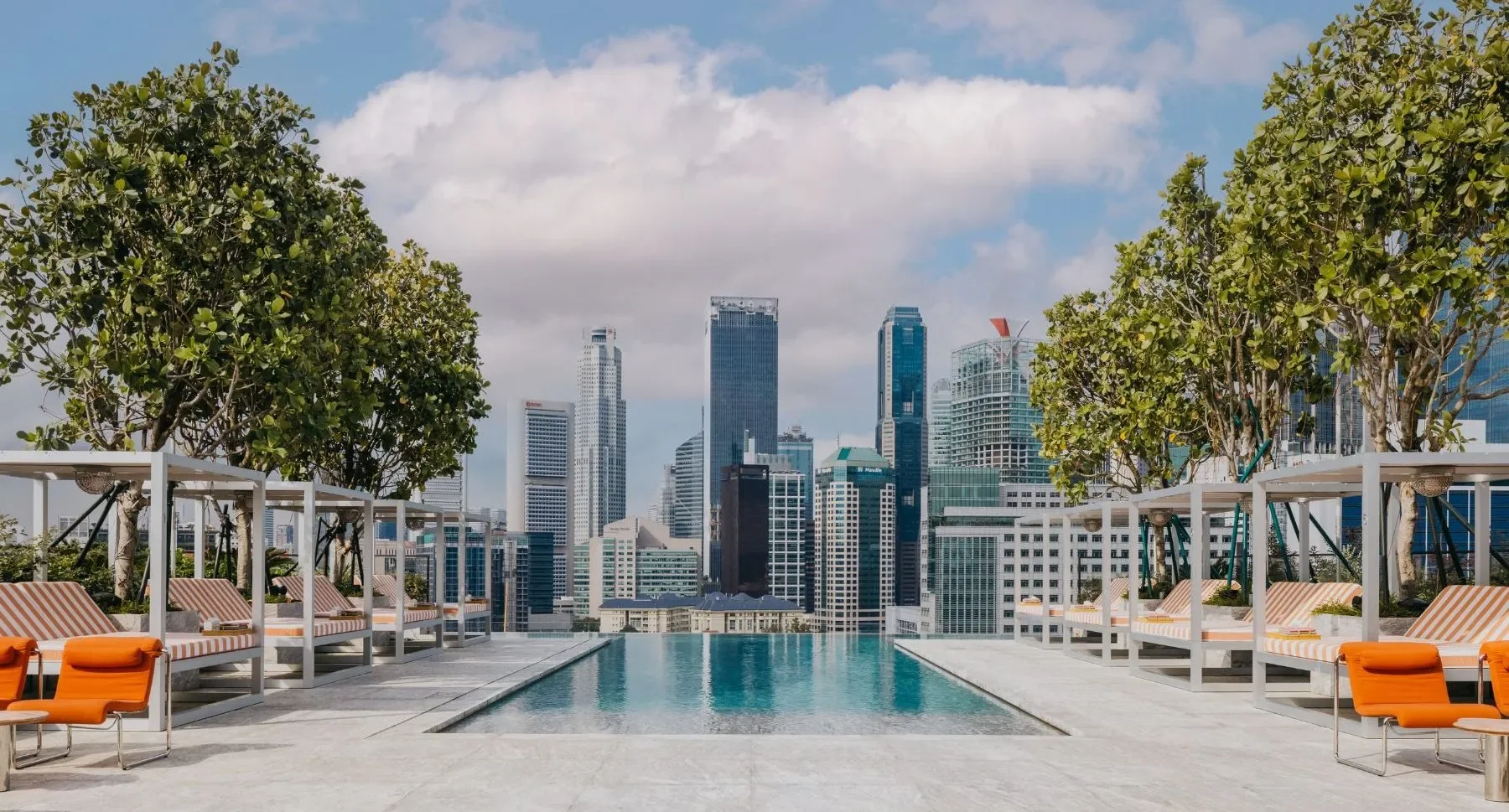
If I were booking a hotel in Singapore hotel, Mondrian would be high on my list. Its bold contemporary interiors reinterpret details from traditional Singapore architecture, while art is treated as part of the hotel’s identity rather than decoration - begins with the KAWS sculpture at its entrance and continuing through exhibitions and public art programmes. The location matters just as much: step outside and Duxton’s shophouses, restaurants, bars and cafes make this one of the most enjoyable parts of the city to explore on foot. It’s a hotel I’d choose for experiencing a more creative, neighbourhood-driven side of Singapore.
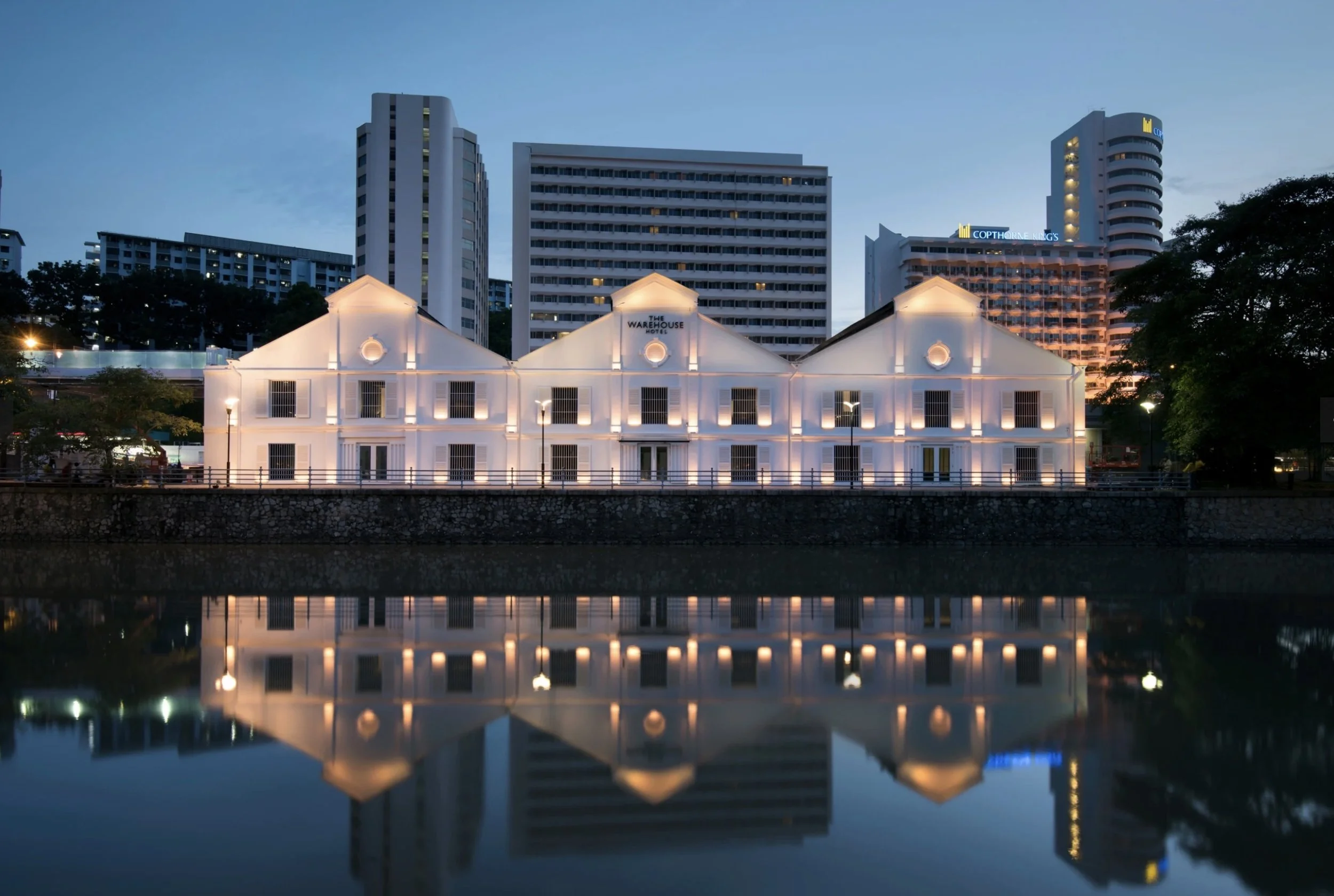
The Warehouse Hotel gives new life to an 1895 riverside godown built during the height of Singapore’s trading era. Its peaked roofs and shuttered windows remain part of the building’s character, while contemporary interiors reinterpret rather than erase its industrial past. Set along Robertson Quay, it offers something increasingly valuable in a rapidly changing city: a hotel whose architecture carries memories of what stood there before. I’d recommend it to travellers who value heritage, thoughtful design and a stronger sense of place over conventional five-star grandeur.
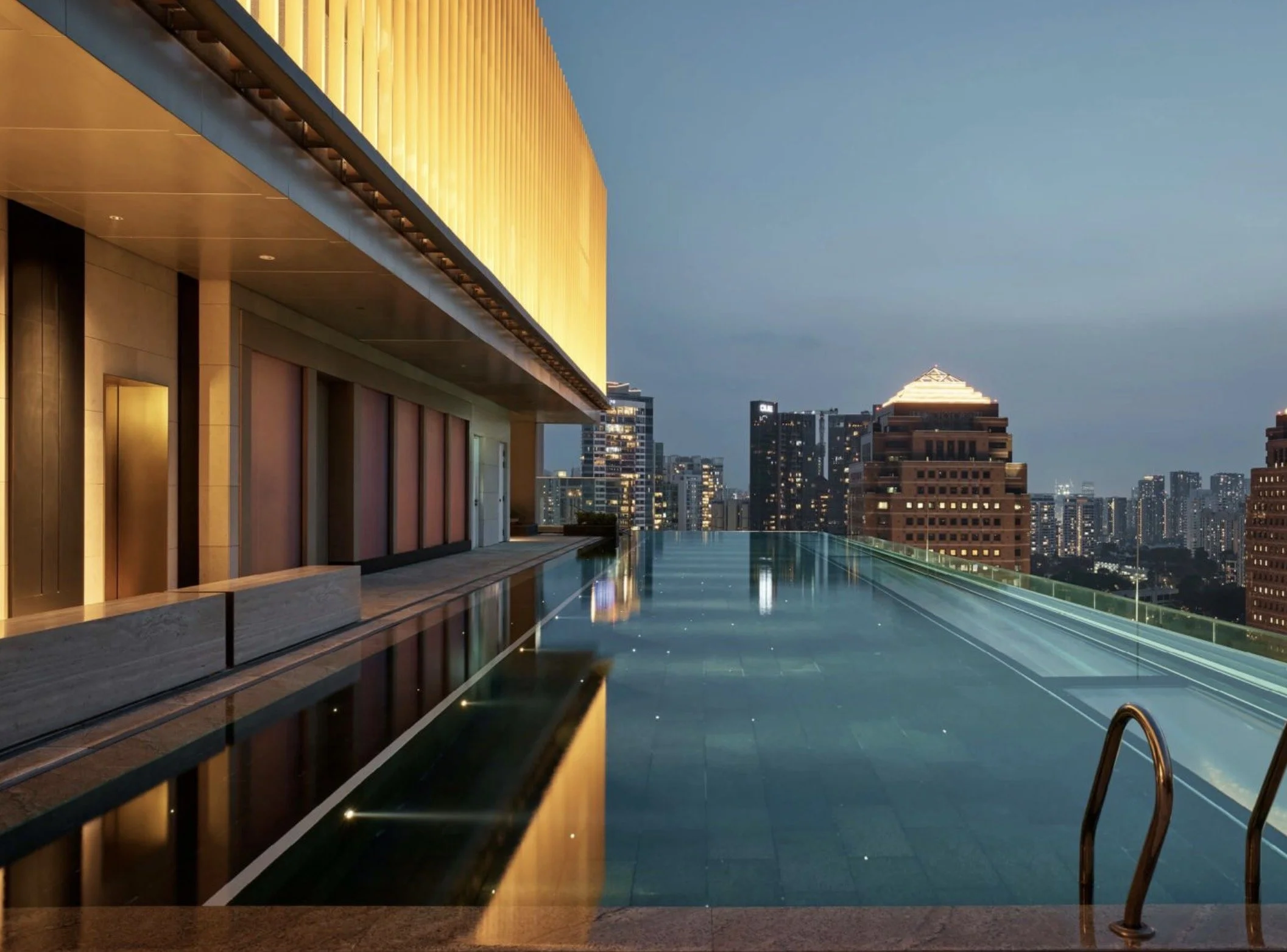
COMO Metropolitan Singapore feels like a homecoming for a brand born in Singapore. Housed within COMO Orchard on Bideford Road, the hotel forms part of a 19-storey concept that brings together COMO’s approach to hospitality, wellness, fashion and food in a single address. That integrated philosophy is what makes it particularly interesting to me: rather than treating wellbeing or design as hotel amenities, they become part of a wider way of living. For travellers who appreciate restrained contemporary hospitality and want to stay close to Orchard without choosing a conventional large luxury hotel, this would be one of my recommendations.
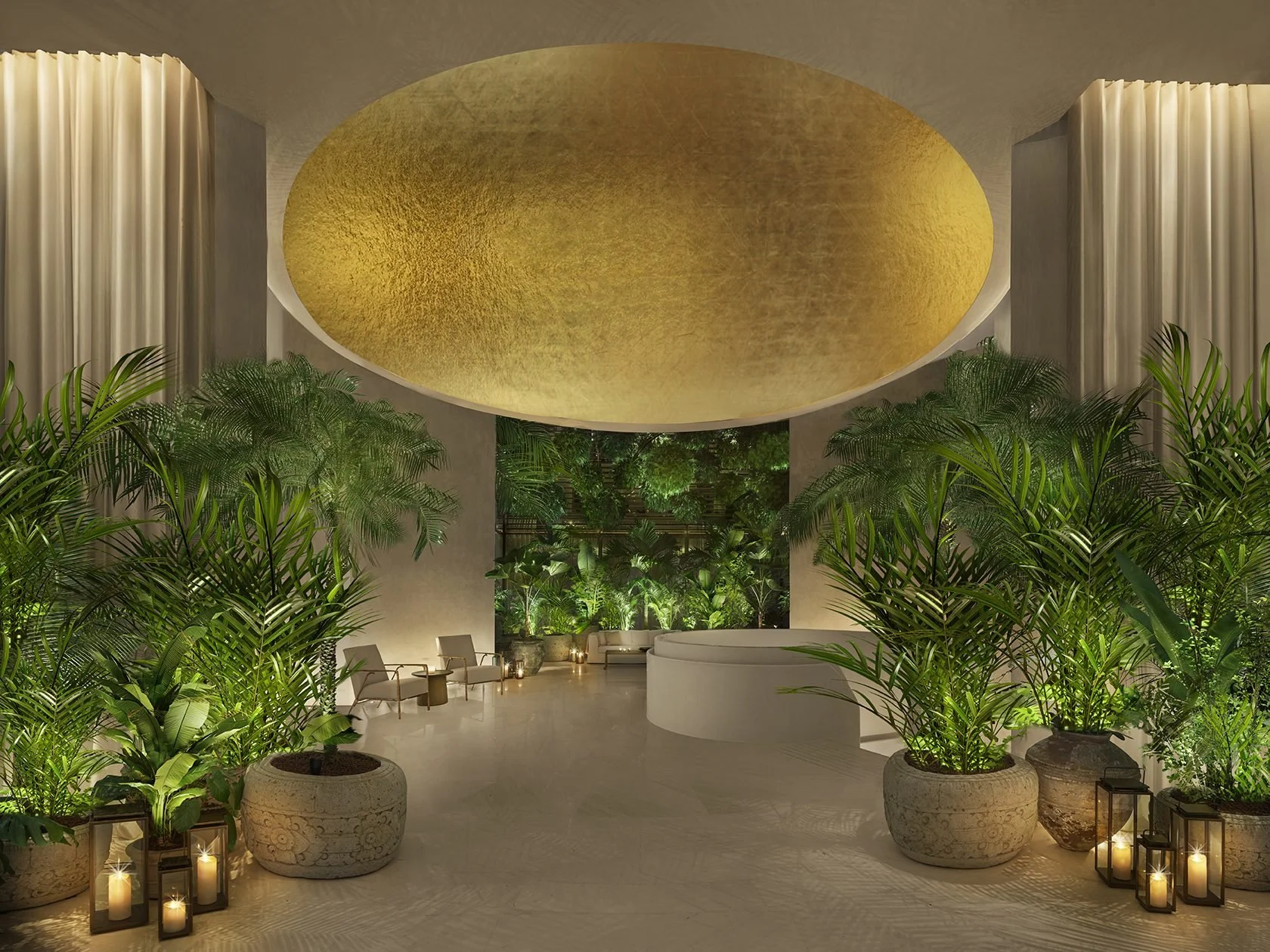
The Singapore EDITION brings Ian Schrager’s particular interpretation of modern luxury to the quieter end of Orchard Road. Its pale, beautifully controlled interiors feel deliberately removed from the visual identity of the city outside, while the location sits between Singapore’s retail heart and the greenery around the Botanic Gardens. It’s a hotel I’d choose would choose for travellers who appreciate strong contemporary design but prefer their luxury understated rather than overtly ceremonial.
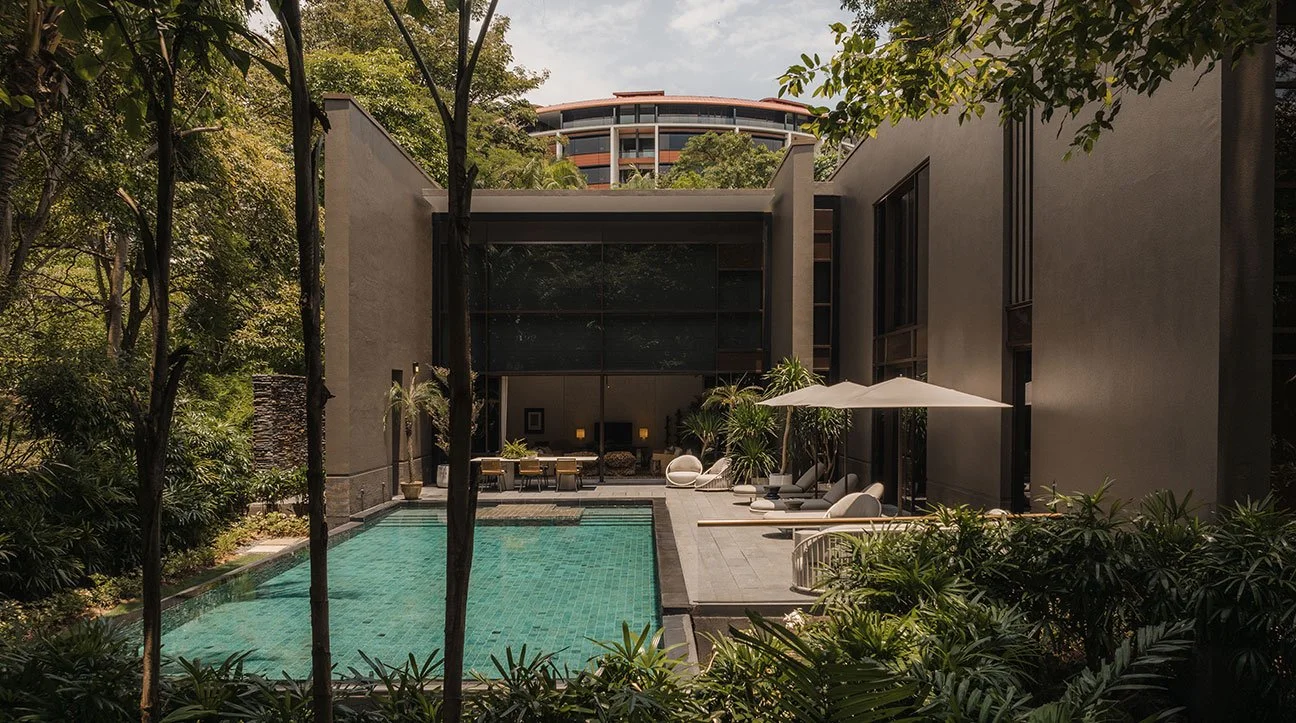
Capella Singapore reveals a side of the city that can feel almost improbable after a few days among skyscrapers. Set within 30 acres of tropical greenery on Sentosa, the resort incorporates restored colonial-era buildings once used by British military officers alongside contemporary architecture. The result is neither completely historic nor conventionally resort-like, but an unusually spacious retreat where landscape is central to the experience. It’s the hotel I’d choose when the purpose of staying in Singapore includes stopping for a while, rather than seeing as much of the city as possible.
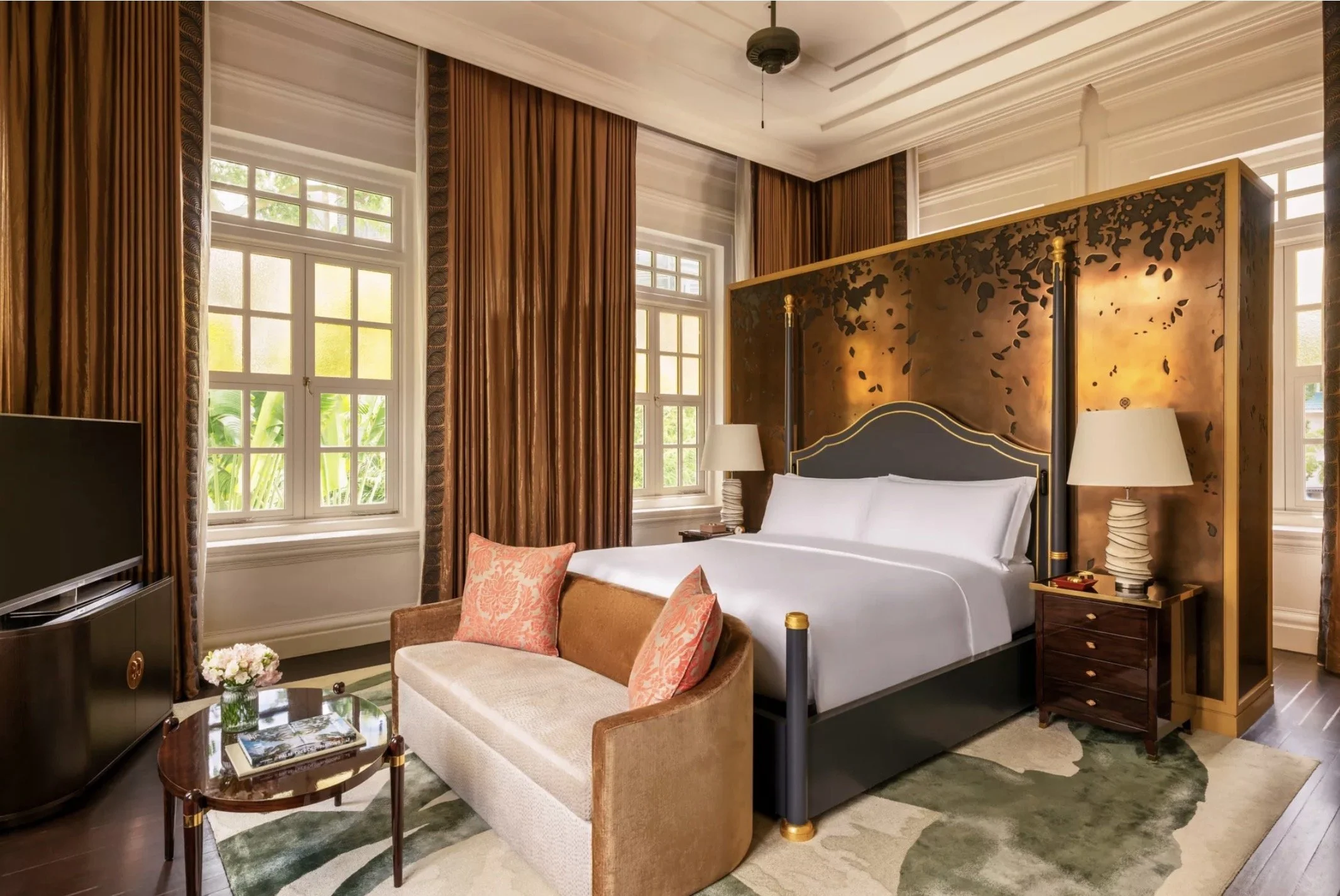
Few hotels are as intertwined with Singapore’s identity as Raffles. Opened in 1887 and now protected as a National Monument, it has witnessed more than a century of the city’s evolution while remaining one of its most recognisable architectural landmarks. Its verandas, courtyards and grand public rooms belong to a very different era of travel, yet Raffles continues to function as part of contemporary Singapore rather than simply preserving the past. Even if I were staying elsewhere, I would still make time to visit - not only for the hotel itself, but for the chapter of Singapore’s history it represents.
Hotel images courtesy of the respective properties.
Where To Eat
Food is one of the clearest ways to understand Singapore. Generations of Chinese, Malay, Indian, Peranakan and other influences have created a dining culture where hawker stalls, neighbourhood restaurants and more polished dining rooms all belong to the same conversation. These are places I return to - not necessarily because they are the most famous, but because each represents something I enjoy about eating in the city.
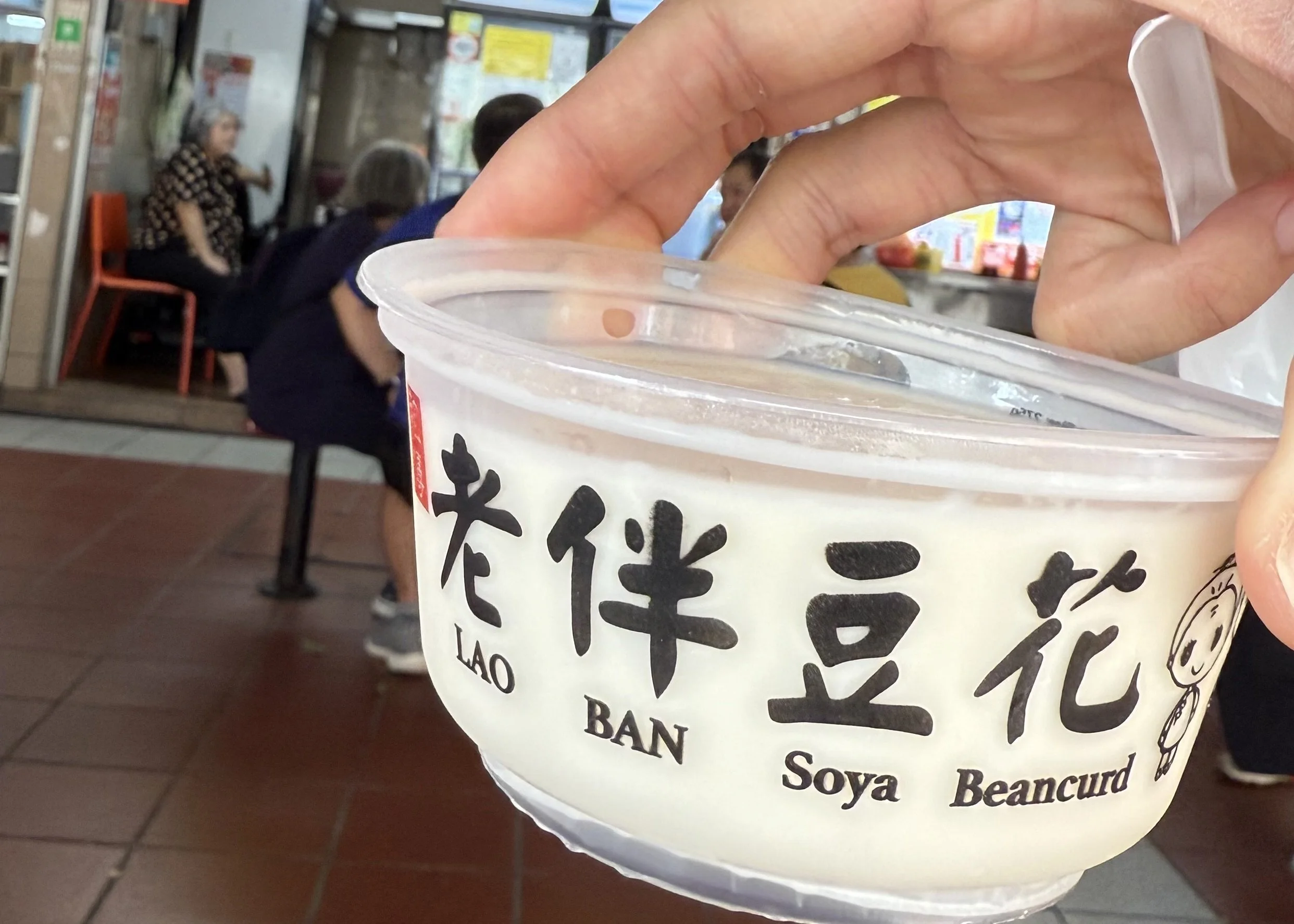
Maxwell Food Centre is one of the places I return to when I want to drop straight back into the everyday rhythm of Singapore. There are countless stalls worth exploring, but I almost always finish with Lao Ban Soya Beancurd: chilled, impossibly smooth and particularly welcome in the tropical heat. I like Maxwell precisely because there is no single way to eat there - everyone arrives with their own favourites, their own order and their own idea of what makes the perfect hawker-centre meal.
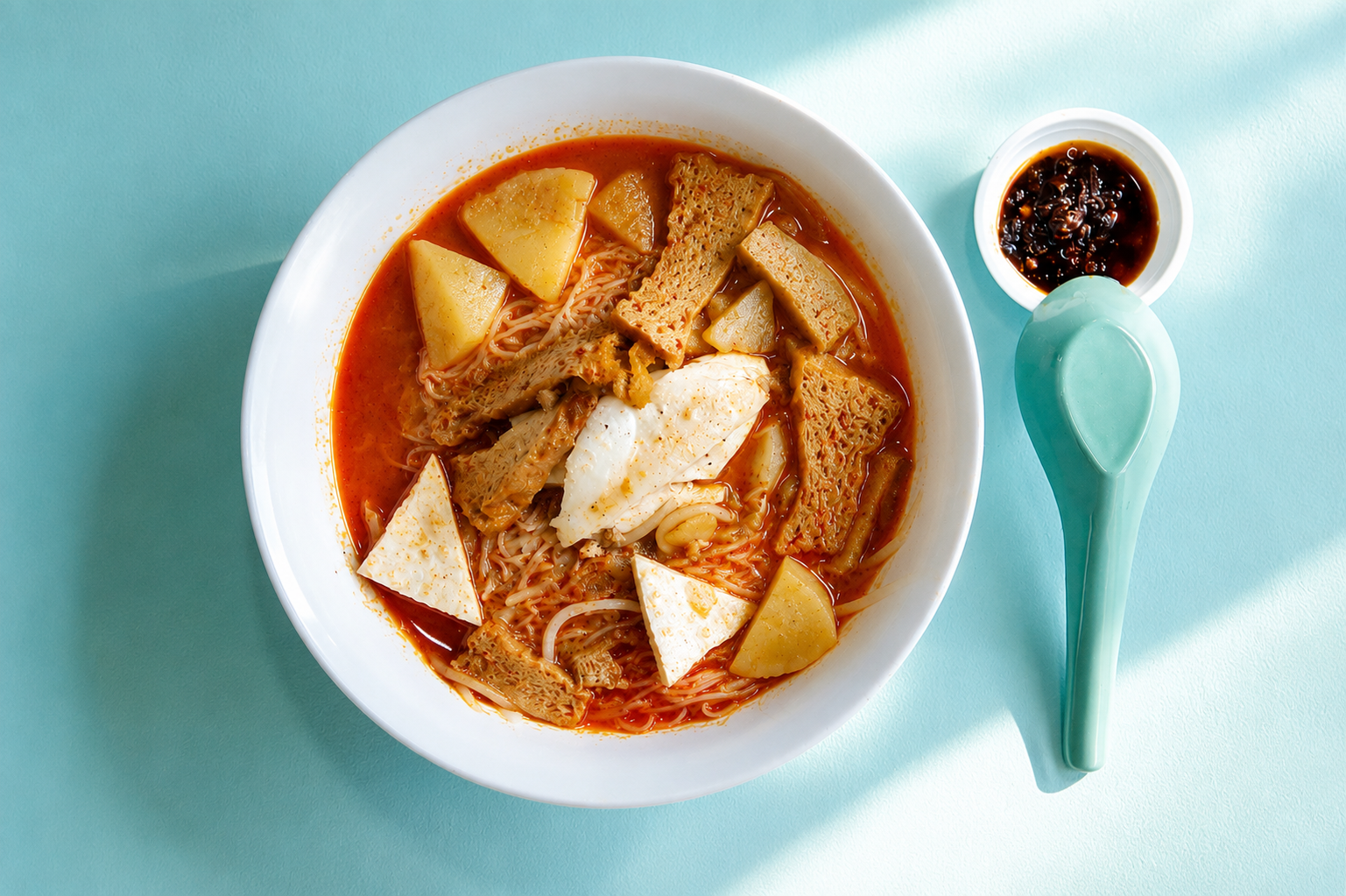
At Hong Lim Market & Food Centre, Ah Heng Curry Chicken Bee Hoon Mee is one of my comfort-food rituals. Its curry recipe has been passed down over generations, producing a broth that is rich yet still light enough to drink, poured over chicken, tofu puffs, potatoes and your choice of noodles. I always go for the combination of bee hoon and yellow mee. It’s exactly the kind of deeply familiar hawker dish that reminds me why Singapore’s food culture is built as much on repetition and memory as discovery.
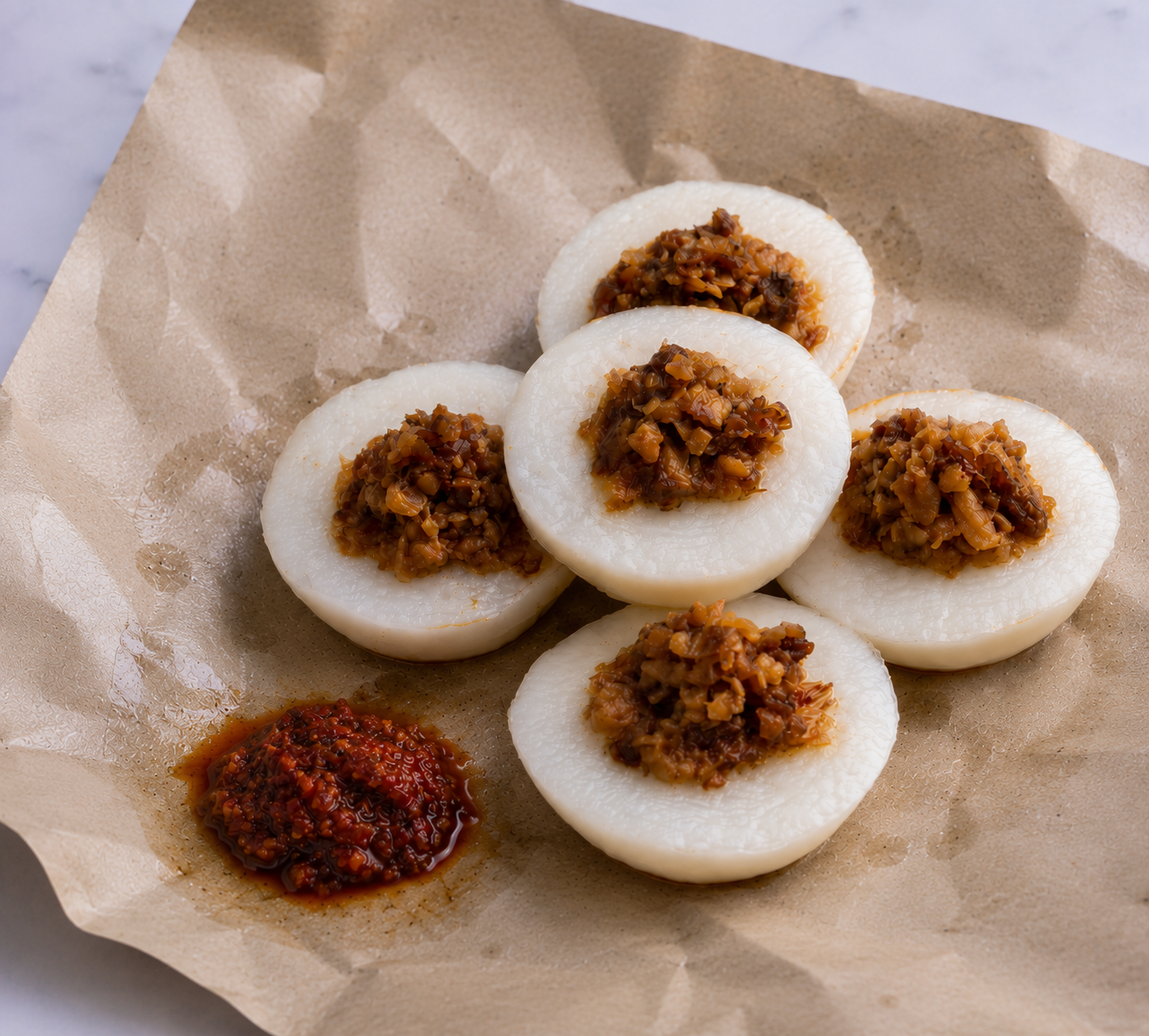
Tiong Bahru is one of my favourite neighbourhoods to wander, and a visit rarely feels complete without stopping at Jian Bo Shui Kueh. The steamed rice cakes are soft and delicate, topped with savoury preserved radish and best eaten with a little chilli - simple food whose pleasure lies entirely in texture and familiarity. Afterwards, I like continuing through Tiong Bahru’s streets, where one of Singapore’s oldest housing estates now sits alongside cafes, independent shops and a very contemporary neighbourhood rhythm.
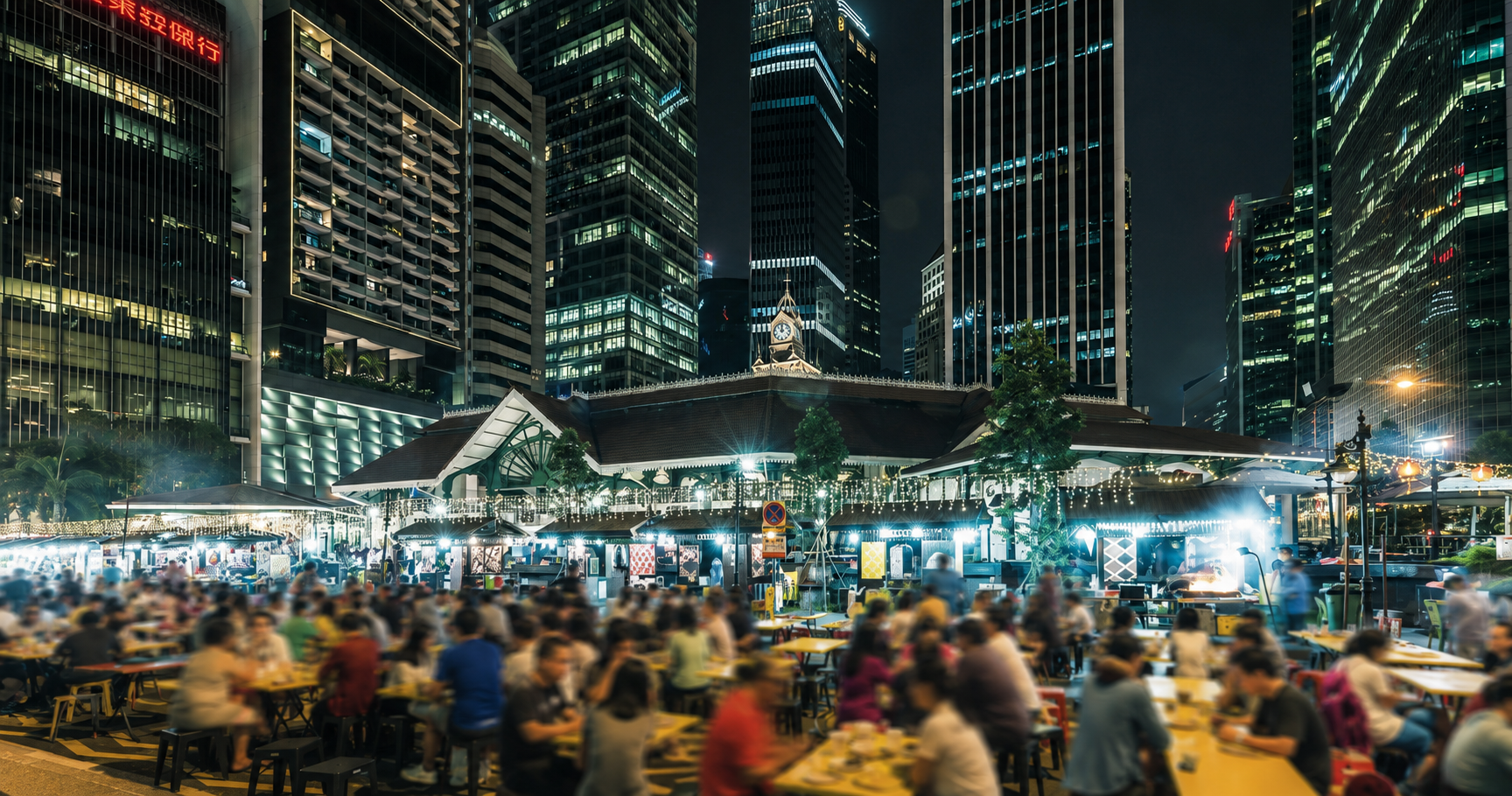
Lau Pa Sat is at its best after dark, when the road beside the historic market transforms into Satay Street and smoke from the grills begins to fill the air. Tables spill outside, skewers arrive by the plateful and the city suddenly feels more convivial than efficient. I don’t come here in search of a definitive “best stay”, I come for the ritual of sitting outdoors, ordering too much and letting the evening unfold around the table.
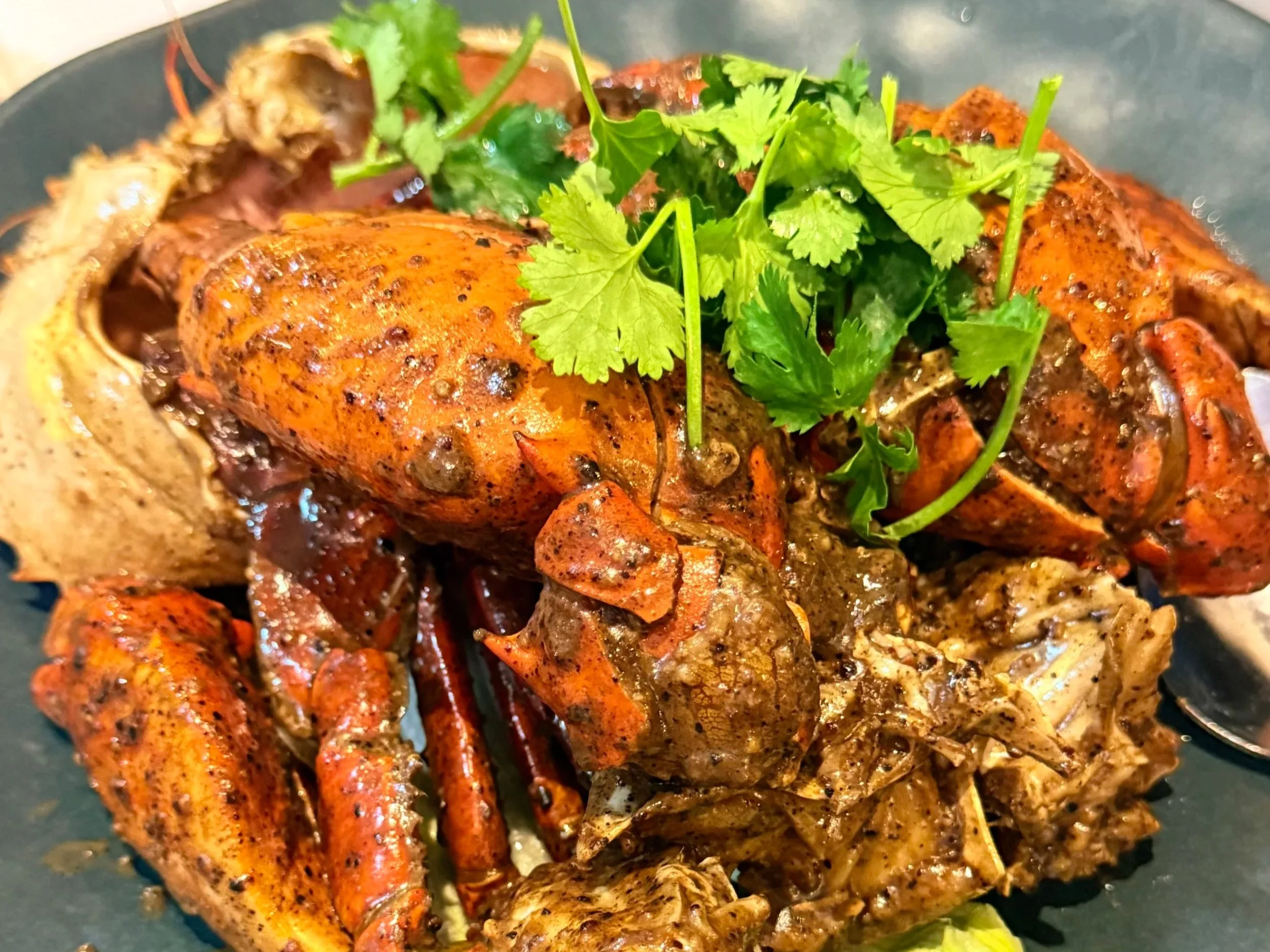
Singapore may be famous for chilli crab, but given the choice I will almost order black pepper crab. JUMBO Seafood, which began as a single restaurant at East Coast Seafood Centre in 1987, remains one of my favourite places for it. The sauce is dark, fragrant and unapologetically peppery, but still allows the sweetness of the crab to come through. It’s messy, generous food designed for sharing - and one of those meals where attempting to remain elegant is entirely beside the point.
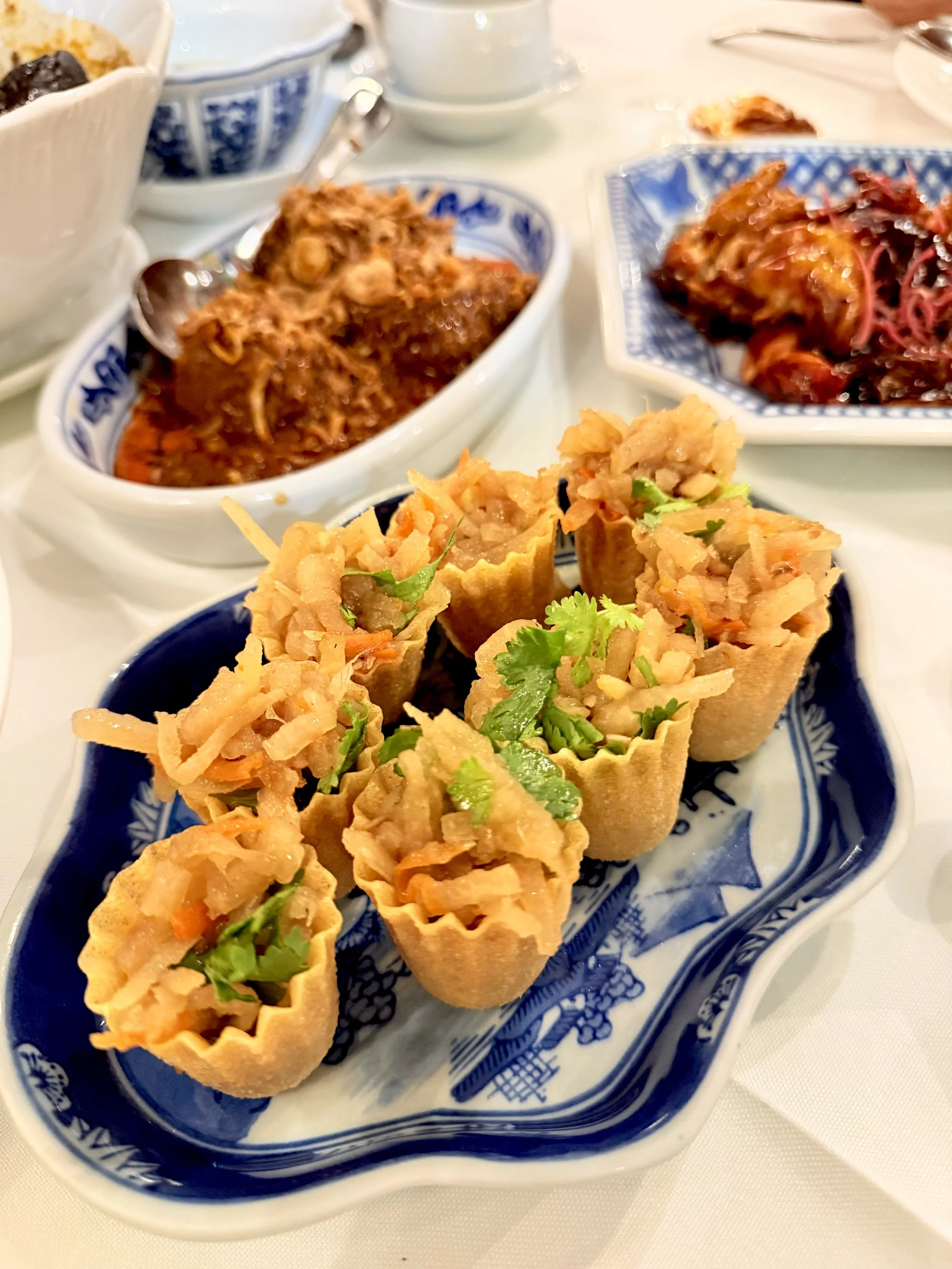
True Blue Cuisine offers one of the most immersive introductions to Singapore’s Peranakan heritage. Set beside the Peranakan Museum on Armenian Street, the restaurant surrounds diners with furniture, objects and decorative details that make the space feel closer to a lived-in family home than a conventional dining room. The cooking follows the same philosophy, preserving the deeply layered flavours and traditions of Nyonya cuisine rather than reinventing them for fashion. Recognised with a Michelin Bib Gourmand, it’s somewhere I would recommend not simply for a meal, but as part of understanding an important strand of Singapore’s cultural identity.
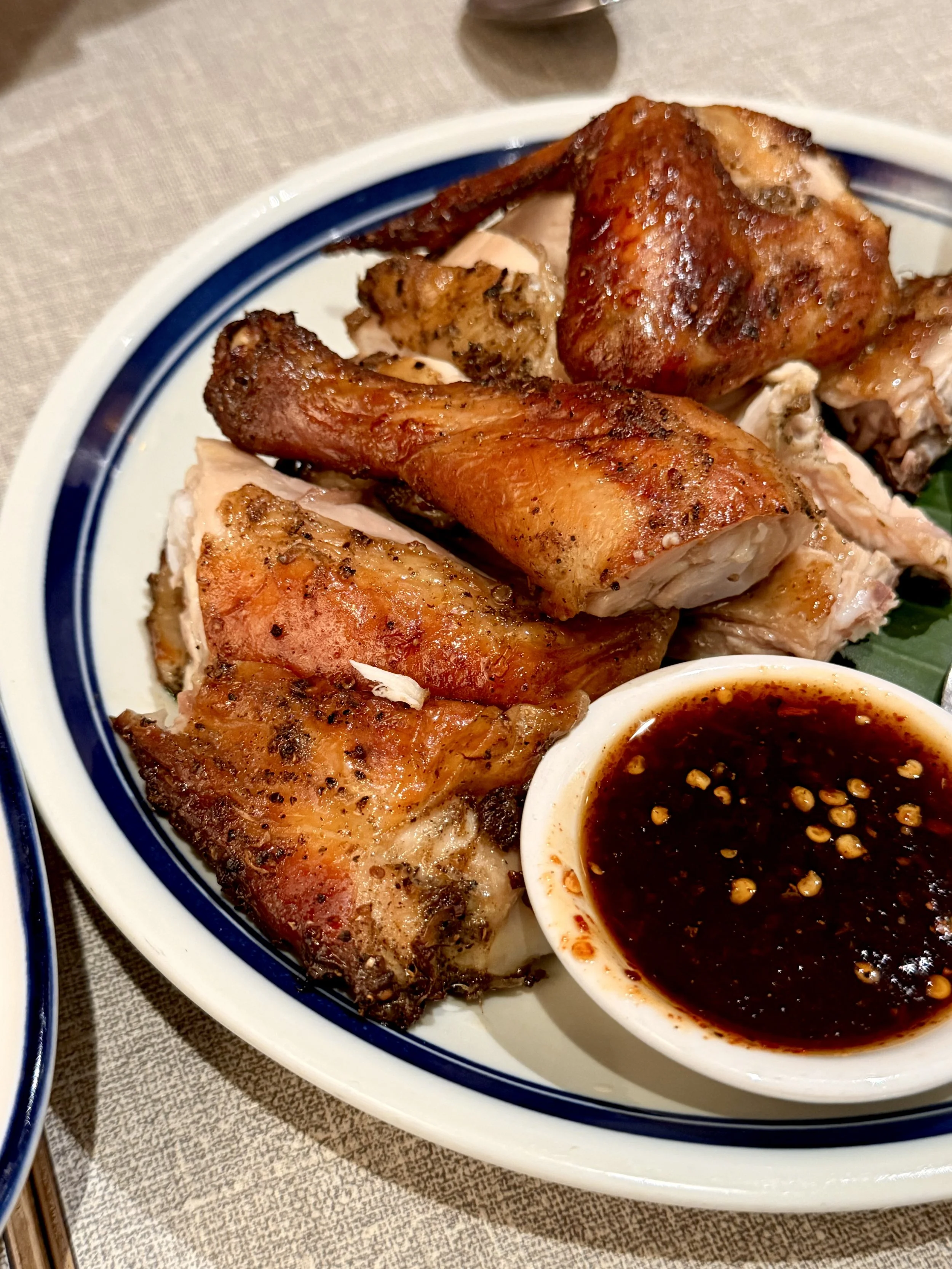
Un-Yang-Kor-Dai is my go-to Thai restaurant in Singapore, specialising in the bold, spicy flavours of Isan in northeastern Thailand. I almost always return to the same dishes - tamarind fried sea bass, Pad Thai and its wonderfully aromatic roast chicken with spicy dipping sauce. What keeps bringing me back is the cooking’s directness: sour, hot, savoury and deeply satisfying without unnecessary embellishment. Its Michelin Bib Gourmand recognition provides useful independent validation, but for me the strongest endorsement is simpler - it’s where I repeatedly choose to eat.
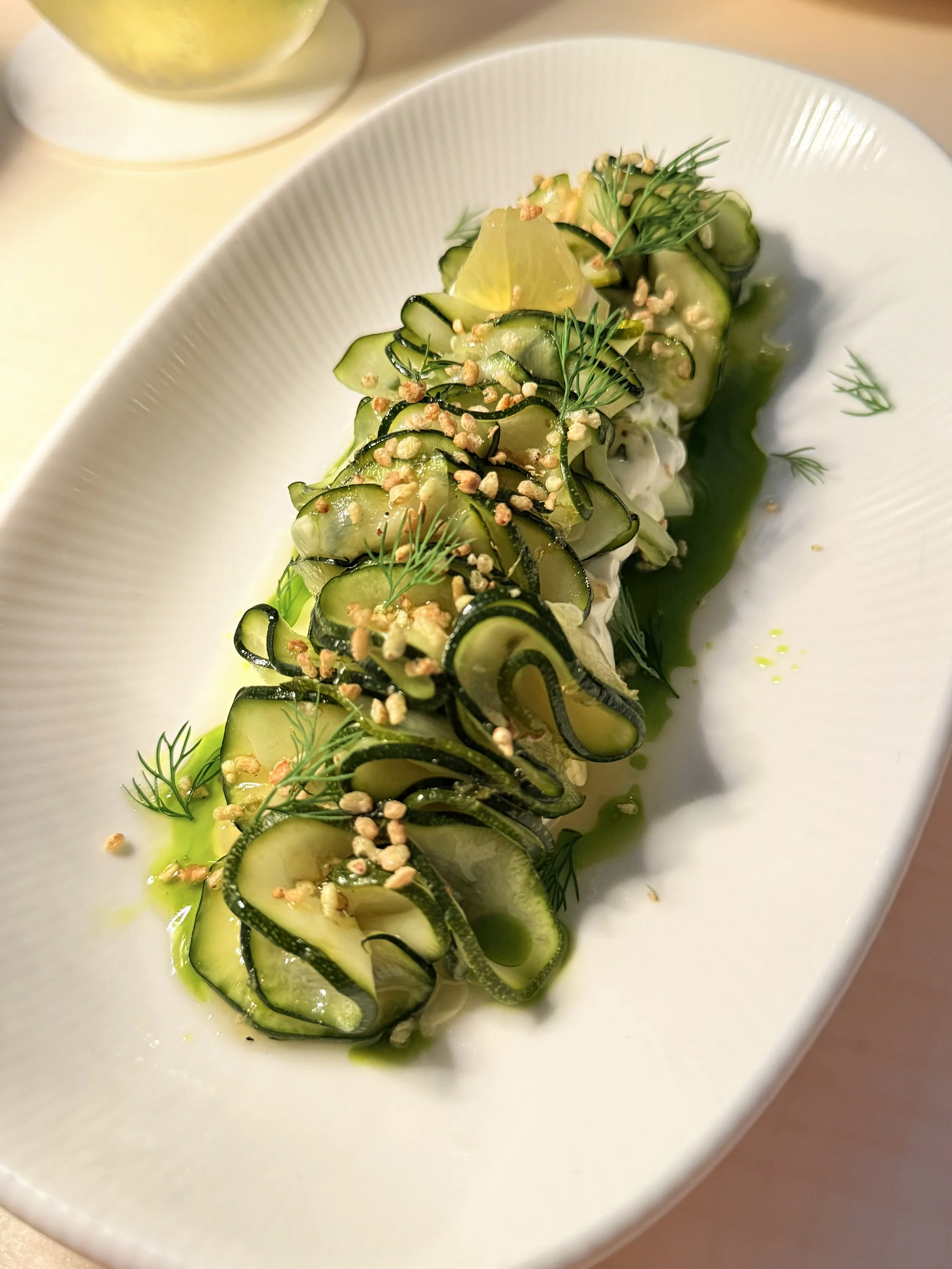
Chip Bee Bistro is the kind of neighbourhood restaurant I wish every city had. Tucked among the greenery of Chip Bee Gardens beside Holland Village, its warm, beautifully considered interiors make it equally suited to a long lunch or dinner with friends. I particularly like arriving early and beginning at the bar with an Arveau Spritz, made using a Singapore-distilled aperitif infused with ingredients including calamansi, torch flower, ginseng and galangal. That small ritual has become part of why I return: good design, good food and somewhere that understands the pleasure of letting an evening begin slowly.